
Siberian Cat Breed Review with Allergy Care and Comprehensive Pet Insurance
For individuals seeking a feline companion, the Siberian cat often emerges as a compelling option, particularly for those with sensitivities to common cat allergens. This breed, known for its robust health and striking appearance, presents a unique blend of attributes that warrant closer examination. Understanding the Siberian's specific needs, especially concerning allergy care and comprehensive insurance coverage, is essential for prospective owners in 2026.
Key Takeaways
- Siberian cats are often considered a low-allergen breed due to lower Fel d 1 protein production, not absence.
- Effective allergy management involves consistent grooming, air purification, and maintaining a clean home environment.
- Pet insurance is crucial for Siberians, covering potential breed-specific conditions like HCM and general veterinary costs.
- Thorough policy comparison, focusing on coverage limits, deductibles, and reimbursement rates, is vital for optimal protection.
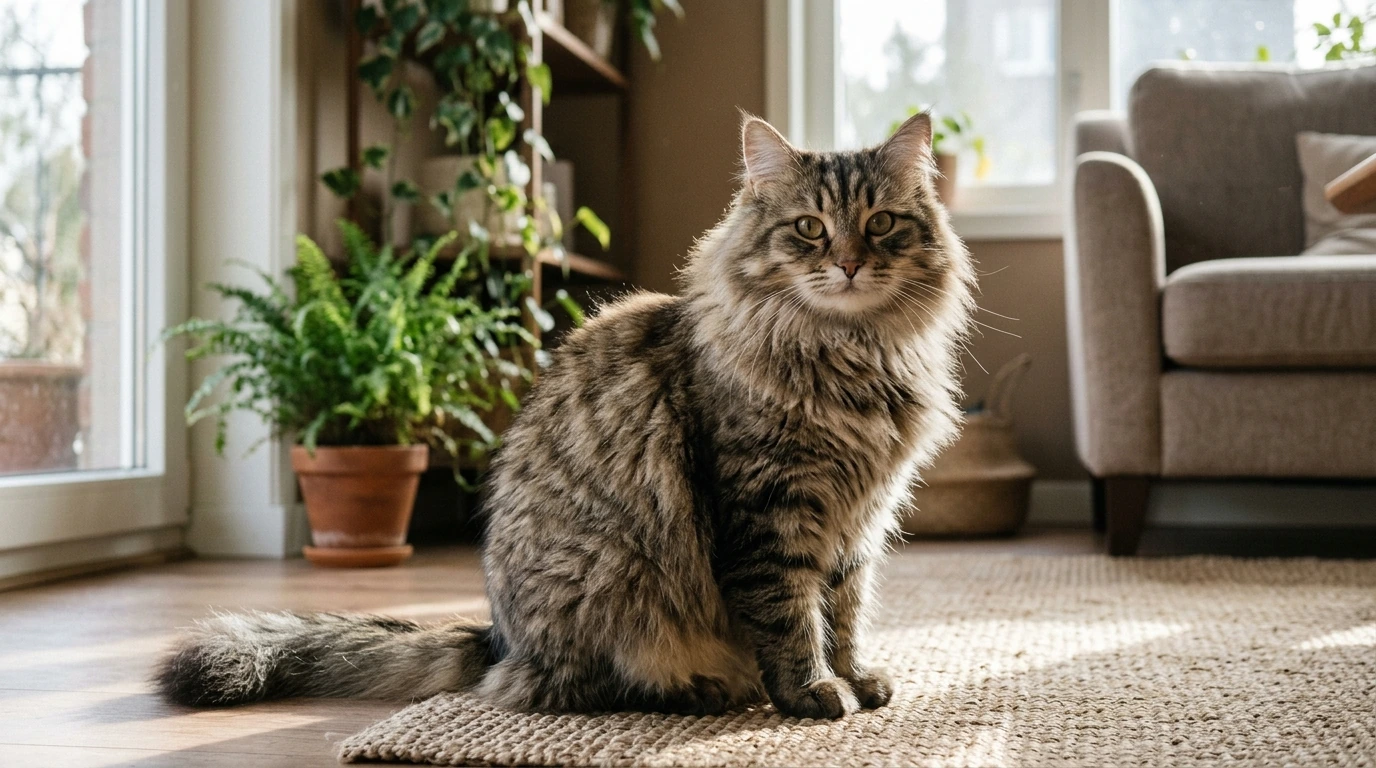
Siberian Cat Characteristics and Allergy Profile
The Siberian cat, hailing from Russia's harsh climate, is a medium-to-large natural breed celebrated for its powerful build, intelligent gaze, and luxurious triple coat. Their temperament is generally described as affectionate, playful, and gentle, making them excellent family pets. A significant point of interest for many potential owners is the breed's reputation as a "hypoallergenic" cat. This claim stems from the observation that Siberians typically produce lower levels of Fel d 1, the primary protein responsible for most cat allergies, compared to other breeds. However, it's important to understand that "low-allergen" does not mean "allergy-free." Individual cats within the breed can vary in their Fel d 1 production, and a person's sensitivity level will ultimately dictate their reaction.
Before committing to a Siberian, individuals with allergies should spend supervised time with a Siberian cat to assess their personal reaction. This "allergy test" period is a critical prerequisite for successful integration into an allergic household. Required tools for this initial assessment are minimal, primarily involving direct interaction in a controlled environment and observation of symptoms.
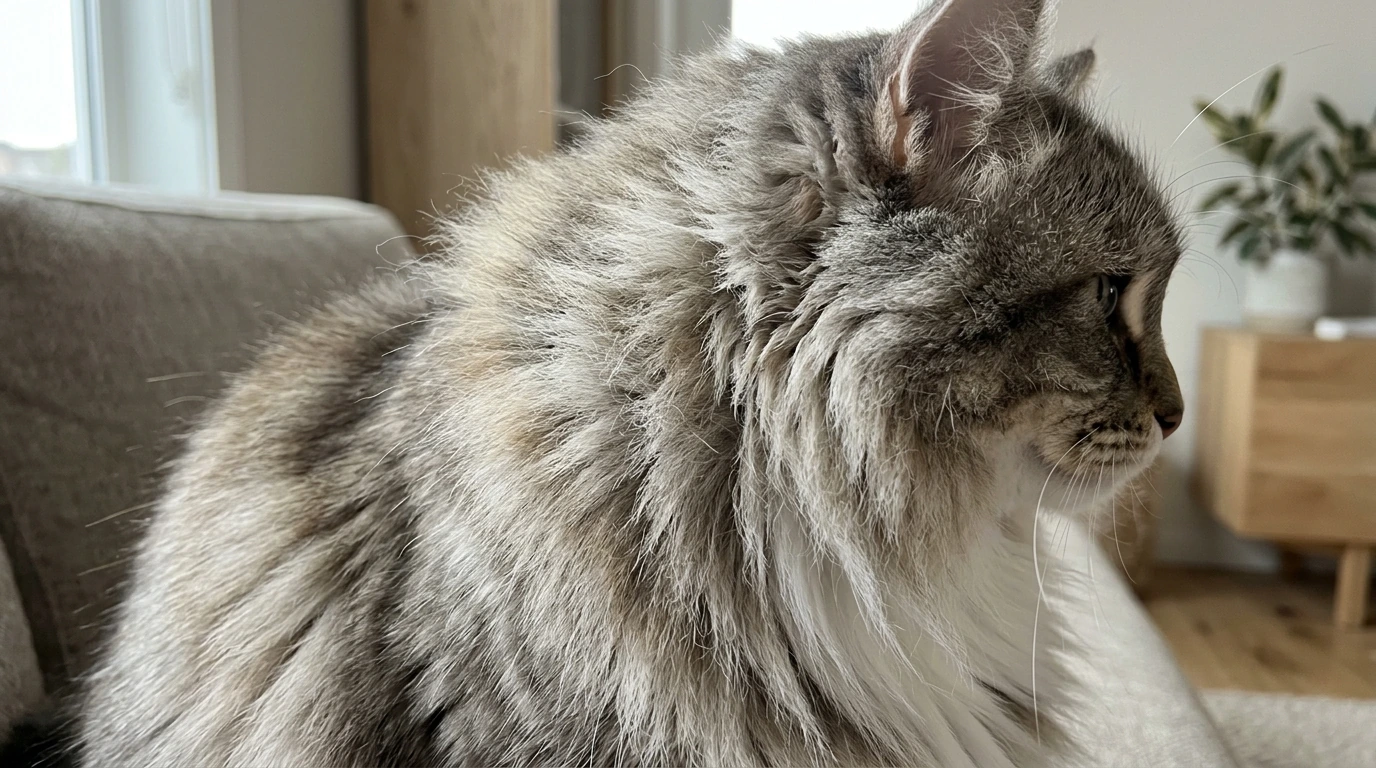
Managing Allergies with a Siberian Cat
Even with a low-allergen breed, proactive allergy management can significantly enhance comfort for sensitive individuals. This procedural guide outlines key steps:
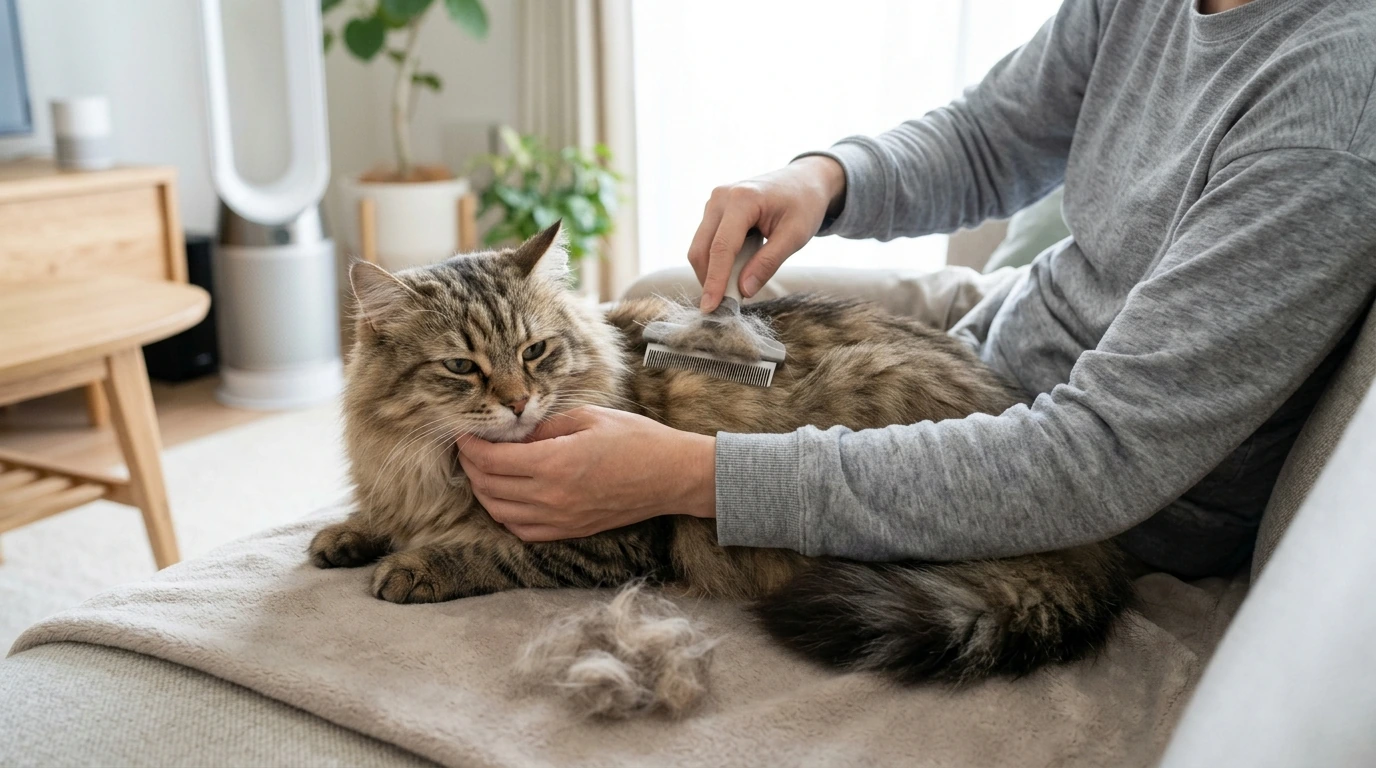
- Consistent Grooming: Brush your Siberian cat 2-3 times per week, ideally outdoors or in a designated, easy-to-clean area. This removes loose fur and dander before it disperses. A slicker brush and a deshedding tool are essential.
- Regular Bathing: While not all cats tolerate baths, bathing a Siberian every 4-6 weeks with a specialized allergen-reducing shampoo can help wash away Fel d 1 protein from their fur.
- Air Purification: Install high-efficiency particulate air (HEPA) filters in your home's HVAC system and use portable HEPA air purifiers in rooms where the cat spends the most time, especially bedrooms.
- Dedicated "Cat-Free" Zones: Establish at least one area, such as a bedroom, where the cat is not permitted. This provides an allergen-reduced sanctuary for allergic individuals.
- Thorough Cleaning Regimen: Vacuum carpets and upholstery frequently with a HEPA-filter vacuum. Wash bedding, curtains, and other fabrics regularly in hot water to remove dander.
- Handwashing: Encourage all household members, especially children, to wash their hands immediately after petting or interacting with the cat.
Pro Tip: Optimize Airflow
Consider placing HEPA air purifiers strategically to create a "clean air zone" and ensure they are appropriately sized for the room. Regular filter replacement, as per manufacturer specifications, is paramount for maintaining their effectiveness.
Securing Your Siberian's Health with Pet Insurance
Adopting any pet involves a commitment to their health and well-being, which often includes significant veterinary expenses. For Siberian cats, while generally robust, specific breed predispositions exist, such as Hypertrophic Cardiomyopathy (HCM), a common heart condition in many purebred cats. Investing in comprehensive pet insurance can provide financial protection against unexpected illnesses, accidents, and even hereditary conditions.
The process of securing pet insurance involves several key steps:
- Research Providers: Begin by researching reputable pet insurance companies operating in your region. Look for providers with strong financial stability and positive customer feedback.
- Understand Policy Types: Familiarize yourself with accident-only, accident & illness, and comprehensive wellness plans. For a Siberian, an accident & illness policy is generally recommended as a minimum, with comprehensive plans offering the broadest coverage.
- Compare Quotes: Obtain quotes from multiple providers, ensuring you compare policies with similar coverage levels, deductibles, reimbursement rates, and annual limits.
- Review Fine Print: Carefully read the policy documents to understand exclusions (e.g., pre-existing conditions, specific breed conditions), waiting periods, and how claims are processed.
- Enroll Early: Enroll your Siberian kitten as early as possible. This helps avoid pre-existing condition exclusions and ensures coverage is in place before any health issues arise.
A common pitfall is choosing the cheapest policy without thoroughly understanding its limitations. An inexpensive plan might have low annual limits, high deductibles, or exclude conditions common to Siberians. Another critical mistake is delaying enrollment, which can lead to conditions being classified as pre-existing and therefore ineligible for coverage.

Comparing Pet Insurance Options for Siberians
When evaluating pet insurance for your Siberian, a detailed comparison of key policy parameters is indispensable. Here's a generalized overview of what to look for:
| Feature | Standard Accident & Illness Policy | Comprehensive Policy (Accident, Illness & Wellness) |
|---|---|---|
| Coverage Scope | Accidents, illnesses, emergency care, surgery, hospitalization, diagnostics. | Includes all A&I, plus routine exams, vaccinations, dental cleanings, parasite prevention. |
| Deductible Options | Typically $100-$1,000 per year. Higher deductible usually means lower monthly premium. | Similar range, but wellness portion may not have a deductible. |
| Reimbursement Rate | Commonly 70%, 80%, or 90% of eligible vet bills after deductible. | Same for A&I, wellness typically reimbursed at 100% up to a schedule. |
| Annual Limit | Ranges from $5,000 to unlimited. Higher limits offer more protection for serious conditions. | Similar for A&I, with separate, lower limits for wellness benefits. |
| Pre-existing Conditions | Generally excluded if symptoms appeared before policy effective date or end of waiting period. | Same exclusion applies. |
Focus on policies that offer robust coverage for hereditary and congenital conditions, given the Siberian's predisposition to issues like HCM. Some insurers may have specific waiting periods for orthopedic or hereditary conditions that are longer than general illness waiting periods. Always clarify these details.
Post-Adoption Wellness and Verification
After bringing a Siberian cat home and establishing allergy management protocols and insurance coverage, ongoing wellness verification is critical. This ensures the cat thrives and that your allergy management strategies remain effective.
A post-implementation verification checklist includes:
- Regular Veterinary Check-ups: Schedule annual wellness exams. For kittens, follow the recommended vaccination schedule. Your vet can monitor for early signs of breed-specific conditions and provide tailored health advice.
- Behavioral Monitoring: Observe your Siberian's behavior. Changes in appetite, litter box habits, energy levels, or social interaction can indicate underlying health issues.
- Allergy Symptom Tracking: For allergic household members, keep a log of symptoms. Note any increases or decreases in sneezing, itching, or respiratory issues, which can help assess the effectiveness of your allergy management plan.
- Grooming Effectiveness: Regularly check your cat's coat and skin. A healthy coat is a good indicator of overall well-being and effective grooming reduces dander.
- Insurance Policy Review: Annually review your pet insurance policy. Ensure coverage limits are still adequate and that you understand any changes to terms or premiums.
Evaluating Premium Organic Cat Food: Is the Investment Justified for Feline Wellness? →
Frequently Asked Questions
- Are all Siberian cats hypoallergenic?
- No, "hypoallergenic" is a misnomer. Siberian cats typically produce less Fel d 1 protein, the main allergen, but individual cats vary. No cat is 100% allergy-free.
- What is the average lifespan of a Siberian cat?
- Siberian cats generally live between 10 to 18 years with proper care, diet, and regular veterinary attention.
- Does pet insurance cover pre-existing conditions for Siberians?
- Most pet insurance policies do not cover conditions that were present or showed symptoms before the policy's effective date or the end of waiting periods. Early enrollment is key.
- How often should a Siberian cat be groomed?
- To manage their dense coat and minimize dander, Siberians benefit from brushing 2-3 times per week, with more frequent grooming during seasonal shedding periods.



Post a Comment for "Siberian Cat Breed Review with Allergy Care and Comprehensive Pet Insurance"