
Feline Integration Protocol: Diagnosing Adjustment Anomalies in New Household Members
Integrating a new feline into an existing domestic system presents a unique set of variables, demanding careful observation and a systematic diagnostic approach to ensure successful acclimation. Unlike a mechanical component with predictable tolerances, a cat's adjustment process is influenced by myriad factors, from prior environmental conditioning to individual temperament. Early identification of maladjustment indicators is paramount for timely intervention and long-term stability within the household ecosystem.
Key Takeaways for Feline Integration Success
- Implement a phased introduction protocol, allowing the new feline to establish a secure basecamp before full household exposure.
- Continuously monitor behavioral metrics, comparing observed patterns against established feline ethogram baselines.
- Ensure optimal resource allocation, including multiple, accessible stations for food, water, litter, and elevated resting points.
- Utilize environmental enrichment tools, such as pheromone diffusers and interactive toys, to mitigate stress and promote positive engagement.
Initial System Assessment: Recognizing Maladjustment Indicators
Before initiating any corrective protocols, a thorough assessment of the feline's behavioral output is required. Understanding typical feline responses to a novel environment provides the baseline for identifying deviations that signal stress or discomfort. Prerequisites for this assessment include a quiet, secure space for the new cat, easily accessible resources, and a commitment to patient, non-intrusive observation.
Required Prerequisites & Tools:
- Dedicated Safe Zone: A small room or large enclosure providing security and limited sensory input.
- Resource Duplication: Multiple food/water bowls, litter boxes, and resting areas to prevent competition or resource guarding.
- Feline Pheromone Diffuser: Devices emitting synthetic feline facial pheromones can assist in creating a calmer environment.
- Observation Log: A simple notebook or digital document to record feeding habits, litter box usage, vocalizations, and hiding behaviors.
- Interactive Toys: Non-threatening toys for solitary play to gauge interest and engagement levels.
Procedural Guide for Behavioral Baseline Assessment
Systematic observation over the initial 7-14 days is critical. This period allows the feline to process its new surroundings and for consistent behavioral patterns to emerge. Deviations from expected behaviors warrant further investigation.
- Step 1: Establish Baseline Resource Consumption. For the first 48-72 hours, monitor food and water intake. A healthy cat should consume regular, albeit potentially reduced, amounts. A complete cessation of eating or drinking for over 24 hours indicates a critical system alert.
- Step 2: Monitor Elimination Protocols. Observe litter box usage frequency and consistency. Inappropriate elimination (urination or defecation outside the litter box) is a significant indicator of stress, territorial insecurity, or an underlying medical condition.
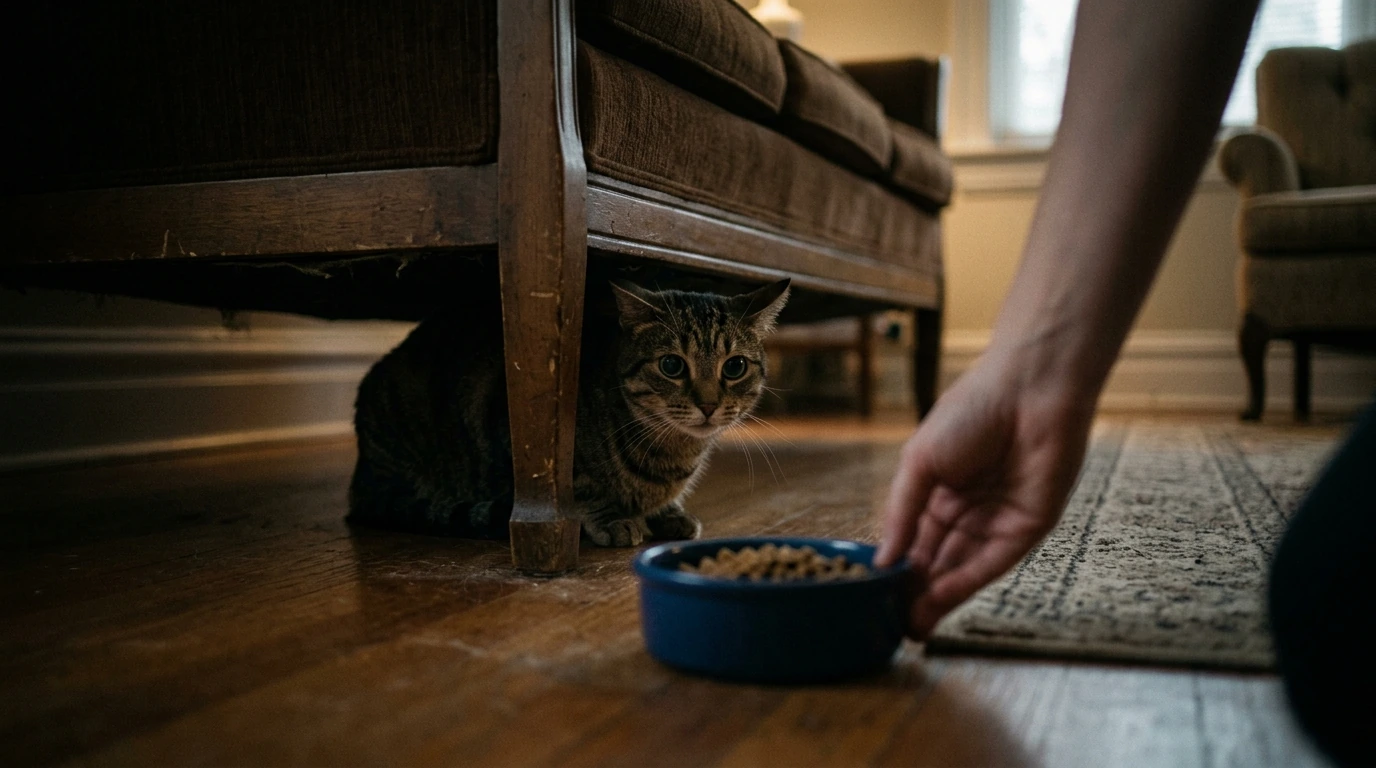
- Step 3: Quantify Hiding and Withdrawal. While initial hiding is normal, prolonged periods (beyond 2-3 days) without venturing out, even for food or water, suggests a severe lack of security. Note the duration and frequency of these episodes in the observation log.
- Step 4: Assess Vocalization Patterns. Increased, unusual, or distressed vocalizations (excessive meowing, growling, hissing at unseen stimuli) can signal anxiety or discomfort. Conversely, complete silence from a typically vocal breed might also be a concern.
- Step 5: Evaluate Social Engagement Metrics. After the initial acclimation, a cat should gradually show interest in its environment and, eventually, its human companions. Lack of curiosity, aggression towards gentle overtures, or persistent avoidance are red flags.
- Step 6: Observe Grooming Behavior. Over-grooming (leading to bald patches or skin irritation) or under-grooming (matted fur, greasy coat) are both stress indicators. Normal grooming is a self-soothing behavior.
Comparative Behavioral Metrics: Normal vs. Anomaly
To aid in diagnostic accuracy, consider the following comparative table outlining typical adjustment behaviors versus those indicative of maladjustment. This framework assists in distinguishing transient shyness from persistent anxiety.
| Behavioral Domain | Expected Adjustment (Normal) | Adjustment Anomaly (Concern) |
|---|---|---|
| Hiding/Withdrawal | Initial hiding (1-2 days), gradually exploring. | Persistent hiding (3+ days), reluctance to emerge even for resources. |
| Appetite/Thirst | Slightly reduced intake initially, normalizing within 24-48 hours. | Complete refusal of food/water for >24 hours. |
| Litter Box Usage | Consistent use of designated litter area. | Frequent inappropriate elimination, especially in visible areas. |
| Social Interaction | Gradual curiosity, eventual acceptance of gentle interaction. | Hissing, growling, swatting, or persistent avoidance of humans/other pets. |
| Vocalization | Normal range of meows, purrs, or quiet observation. | Excessive, distressed meowing/howling, or unusual silence. |
Common Operational Errors and System Overload Scenarios
Several common missteps can inadvertently exacerbate a new cat's stress levels, hindering their adjustment process. Awareness of these pitfalls is crucial for effective management.
- Premature Introduction: Forcing interactions with other pets or unfamiliar humans before the new cat has established its core security. This can lead to defensive aggression or severe withdrawal.
- Inadequate Resource Distribution: Placing food, water, and litter boxes in high-traffic areas, or having too few for the number of animals in the household, creates competition and anxiety.
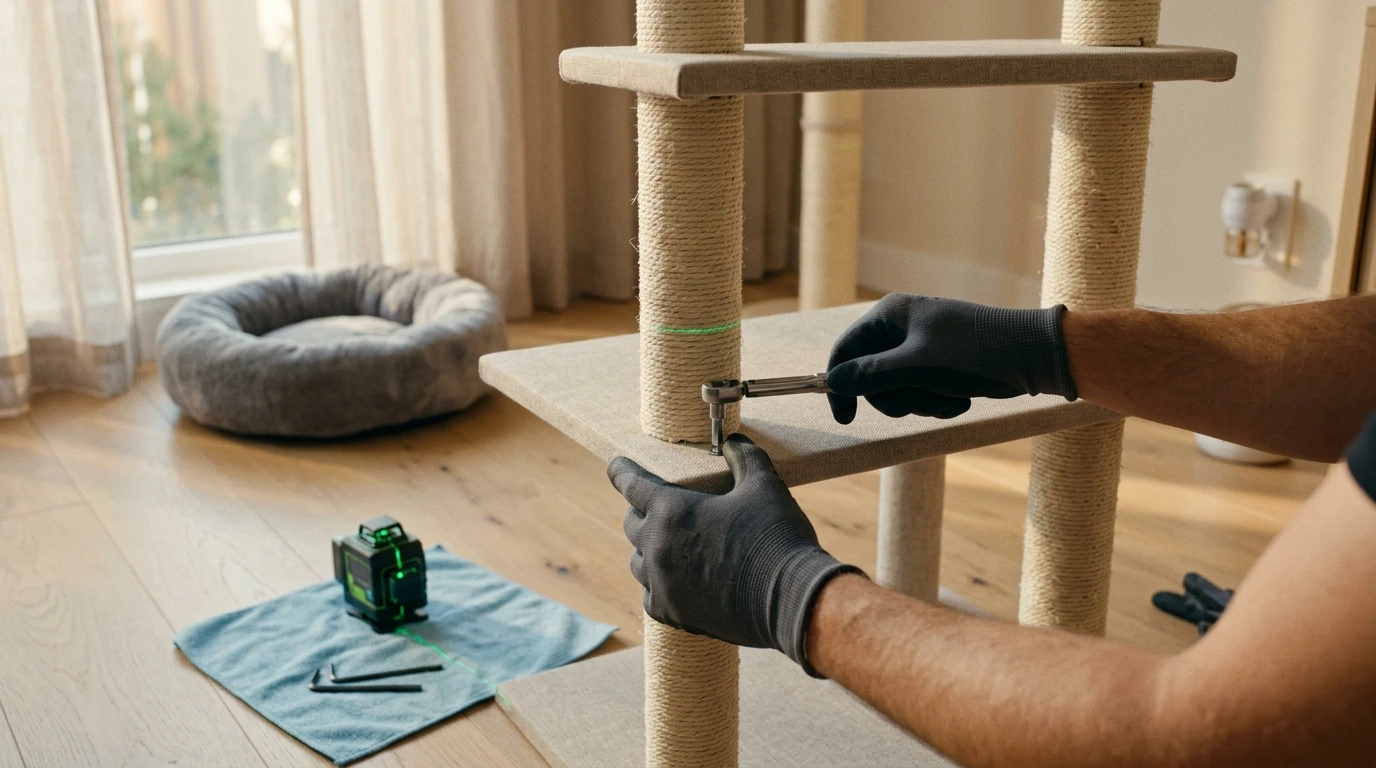
- Lack of Vertical Space: Cats inherently seek elevated positions for security and observation. Absence of cat trees, shelves, or other vertical options can increase perceived vulnerability.
- Inconsistent Routine: Felines thrive on predictability. Erratic feeding schedules, unpredictable handling, or sudden environmental changes can be highly destabilizing.
- Misinterpretation of Body Language: Failing to recognize subtle cues of stress (e.g., flattened ears, dilated pupils, tail tucked) can lead to unintentional escalation of discomfort.
PRO INSIGHT: Gradual Scent Exchange Protocol
Before direct visual contact with existing pets, facilitate a controlled scent exchange. Introduce blankets or toys carrying the scent of the new cat into the resident pet's area, and vice-versa. This allows animals to acclimate to each other's presence non-threateningly, reducing the potential for reactive behaviors during initial encounters. This systematic 'data exchange' prepares the neural pathways for future integration.
Post-Intervention System Performance Verification
Once interventions have been implemented, verifying their efficacy through continued observation is essential. The goal is to achieve a stable, integrated feline within the household system.
Verification Checklist:
- Consistent Appetite & Hydration: Regular consumption of food and water, with no significant fluctuations.
- Appropriate Litter Box Usage: No instances of elimination outside the designated litter areas.
- Reduced Hiding Behavior: The cat spends less time in concealed locations and more time exploring or resting openly.
- Positive Social Engagement: Demonstrates curiosity, accepts gentle petting, and shows relaxed body language around humans and, if applicable, other pets.
- Normal Grooming & Activity: Maintains a clean coat, engages in play, and exhibits periods of restful sleep.
- Relaxed Body Language: Ears forward or relaxed, pupils normal, tail held upright or gently curled.
Should these verification metrics not be met after a reasonable period (typically 2-4 weeks of consistent intervention), consultation with a veterinary professional or a certified feline behaviorist is recommended for further diagnostic evaluation and specialized protocol adjustment.



Post a Comment for "Feline Integration Protocol: Diagnosing Adjustment Anomalies in New Household Members"