
Before Your Kitten Grows Up Observe These Health and Development Signs
A new kitten introduces immense joy and boundless energy into any home. For new and experienced pet parents alike, understanding what constitutes a truly healthy and thriving feline companion from its earliest days is paramount. This guide provides a clear framework for observing key indicators of well-being, from proper nutrition to developmental markers, ensuring you can confidently support your kitten's journey to adulthood.
Key Takeaways
- Consistent appetite and hydration are fundamental indicators of a kitten's internal health.
- Robust energy levels and engaging play reflect neurological development and physical strength.
- Regular weight checks and milestone tracking confirm appropriate growth for their age.
- Early detection of subtle changes in behavior or physical signs can prevent serious health issues.

Initial Health Observation Essentials
Before diving into daily monitoring, establishing a baseline understanding of a healthy kitten's needs and typical behaviors is crucial. This foundational knowledge empowers you to recognize deviations promptly.
Required Prerequisites and Tools:
- Dedicated Feeding Area: A quiet, clean space for food and water bowls.
- High-Quality Kitten Food: Formulated specifically for growth, appropriate for their age.
- Fresh Water Source: Always accessible, changed daily.
- Digital Kitchen Scale: For accurate weekly weight measurements (accurate to at least 0.1 oz or 5g).
- Interactive Toys: Essential for encouraging play and assessing energy.
- Veterinary Contact Information: For immediate consultation if concerns arise.
- Observation Journal: A simple notebook or app to log food intake, weight, and notable behaviors.
Daily Nutritional Intake and Hydration Monitoring
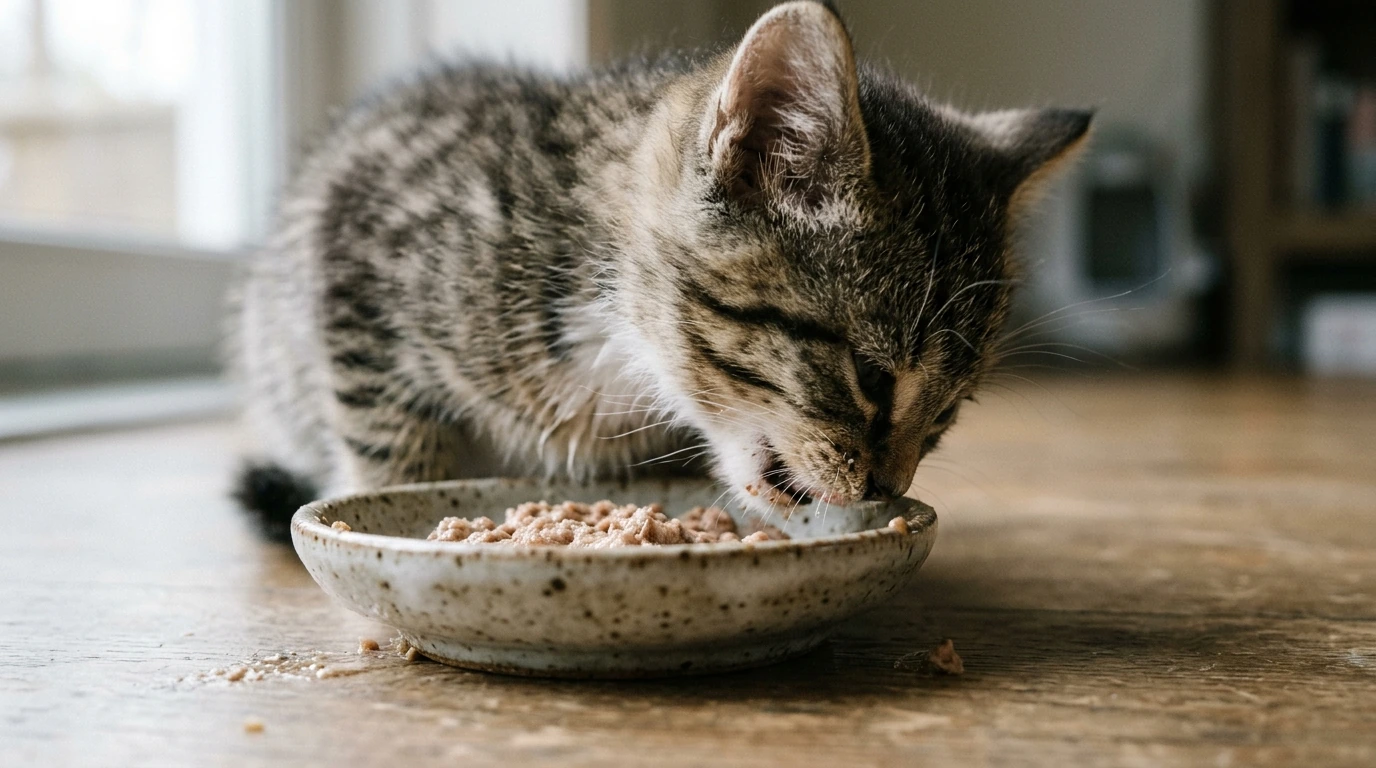
A kitten's rapid growth demands consistent and appropriate nutrition. Monitoring their appetite and water consumption daily provides direct insight into their internal health and well-being.
- Observe Eating Habits: Note if your kitten approaches their food bowl eagerly. Healthy kittens typically show strong interest in their meals.
- Measure Food Portions: Follow the feeding guidelines on your kitten food packaging, adjusting for individual needs as advised by your veterinarian. Record how much is consumed versus left over.
- Monitor Water Intake: While difficult to quantify precisely, observe if your kitten drinks regularly throughout the day. A sudden decrease or excessive increase in thirst can be significant.
- Check for Vomiting or Diarrhea: Any incidence of digestive upset should be noted, as it can indicate dietary issues, parasites, or other health problems.
Pro Tip: Track Consistency
Consistency is key in assessing health. A kitten that consistently eats its full portion at scheduled times and drinks regularly is generally thriving. Significant, sudden changes in either appetite or water intake warrant immediate veterinary attention, even if no other symptoms are apparent.
Evaluating Activity Levels and Play Behavior
Kittens are naturally energetic and curious creatures. Their activity levels and engagement in play offer valuable insights into their physical health, neurological development, and emotional state.
- Observe Playfulness: Healthy kittens engage in bursts of play, chasing toys, pouncing, and exploring. Note if your kitten initiates play or responds enthusiastically when you try to engage them.
- Assess Energy Levels: While kittens do sleep a lot, their waking hours should include periods of high energy. Look for sustained periods of activity rather than lethargy or extreme sluggishness.
- Monitor Coordination: As they grow, kittens should exhibit improving coordination, balance, and agility. Observe their ability to run, jump, and land without stumbling excessively.
- Social Interaction: If you have multiple pets or interact frequently, observe how your kitten engages. Healthy kittens are typically curious and willing to interact, though individual personalities vary.
Charting Physical Growth and Developmental Milestones
Growth is a primary indicator of health in young animals. Tracking your kitten's weight gain and observing key developmental milestones ensures they are progressing as expected.
- Weekly Weight Checks: Weigh your kitten at the same time each week using a digital kitchen scale. Healthy kittens should show consistent weight gain, typically around 0.25 to 0.5 pounds (113-227 grams) per week during their most rapid growth phase (up to 4-5 months).
- Monitor Body Condition: Beyond weight, assess their body condition. You should be able to feel their ribs easily but not see them prominently. A slight waist should be visible when viewed from above.
- Observe Developmental Milestones:
- Eyes Open (7-14 days): All kittens are born with closed eyes.
- Walking (2-3 weeks): Wobbly at first, becoming more coordinated.
- Teeth Erupting (3-6 weeks): Deciduous (baby) teeth emerge.
- Weaning (4-8 weeks): Transition from mother's milk to solid food.
- Adult Teeth Erupting (3-6 months): Replacement of baby teeth.
- Coat and Skin Health: A healthy kitten's coat should be soft, shiny, and free of fleas, ticks, or bald patches. Their skin should be supple and clear.
Recognizing Potential Red Flags and Common Errors
While observing your kitten, it's vital to know what signs indicate a potential problem and to avoid common missteps in their care.
Critical Mistakes to Avoid:
- Ignoring Subtle Changes: A slight decrease in appetite or energy, even for a day, should be noted. Kittens can decline rapidly.
- Feeding Adult Cat Food: Kitten-specific formulas provide higher calories and nutrients essential for growth; adult food is insufficient.
- Over-handling or Under-socializing: Striking a balance is important. Over-handling can cause stress, while under-socializing can lead to behavioral issues.
- Delaying Veterinary Visits: Regular check-ups and prompt attention to illness are critical. Vaccinations and deworming are non-negotiable for young kittens.
- Assuming Behavior is 'Normal': Lethargy, persistent diarrhea, or difficulty breathing are never normal for a kitten.
Signs Requiring Immediate Veterinary Attention:
- Persistent vomiting or diarrhea
- Lack of appetite for more than 12 hours
- Extreme lethargy or unresponsiveness
- Difficulty breathing, coughing, or sneezing frequently
- Pale gums or cold body temperature
- Swollen abdomen or pain upon touch
- Any discharge from eyes or nose

Sustaining Optimal Health Through Routine Checks
Maintaining a kitten's well-being is an ongoing process that benefits from consistent observation and proactive care. Implementing a routine check-in can help ensure their continued health.
Post-Implementation Verification Checklist:
- Daily Appetite Check: Is your kitten eating their full portion with enthusiasm?
- Daily Water Check: Is the water bowl being used, and is the water fresh?
- Energy Level Assessment: Are there regular periods of play and alertness throughout the day?
- Weekly Weight Measurement: Is your kitten showing consistent, healthy weight gain?
- Body Condition Score: Can you feel their ribs without them being overly prominent?
- Litter Box Monitoring: Are stools firm and well-formed, without signs of diarrhea or constipation?
- Coat and Skin Inspection: Is the coat shiny, and are there any signs of parasites or skin irritation?
- Behavioral Observation: Is your kitten sociable, curious, and engaging positively with their environment?
- Scheduled Veterinary Visits: Are all vaccinations, deworming, and wellness checks up to date?



Post a Comment for "Before Your Kitten Grows Up Observe These Health and Development Signs"