
3 Critical Steps to Evaluate Your Cat's Gums, Teeth, and Breath
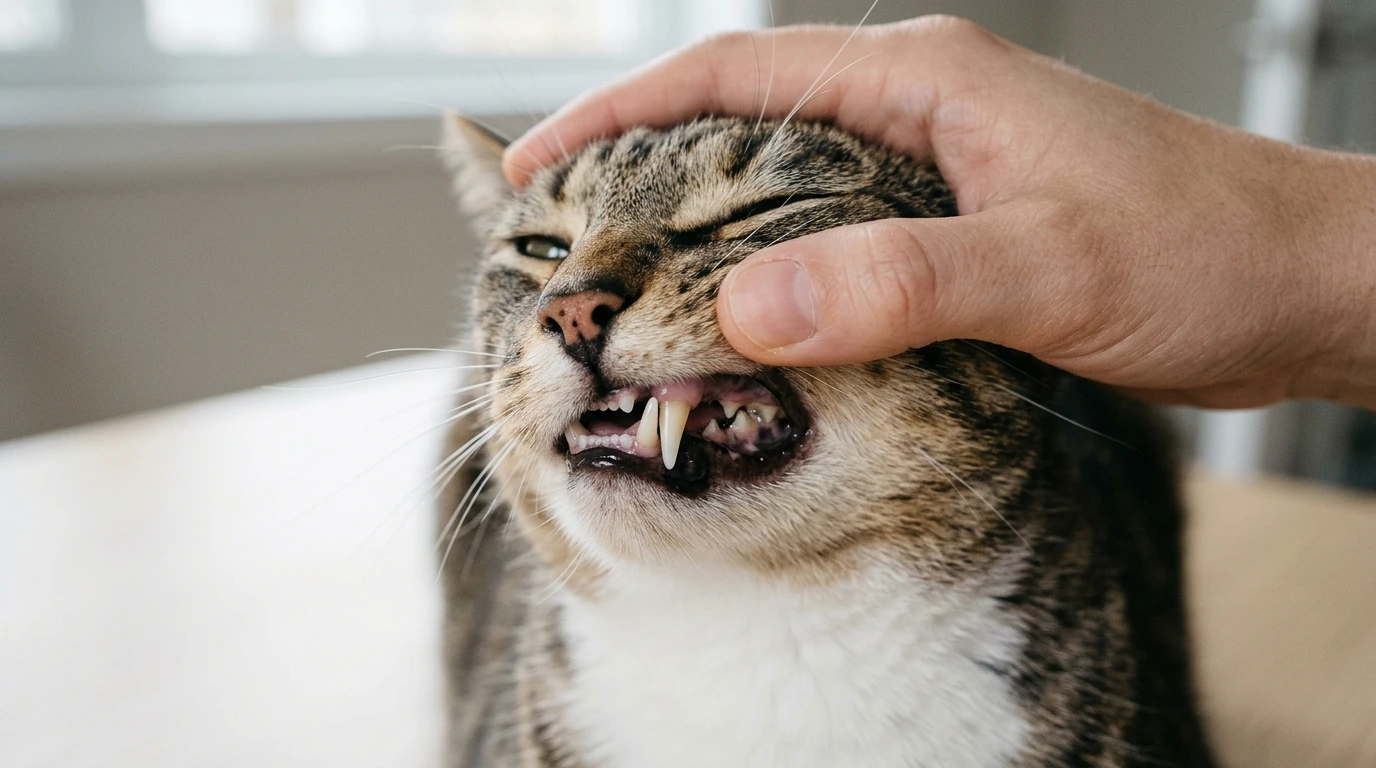
Does your cat’s breath seem a bit more potent lately, or have you noticed a change in their eating habits? Feline oral health is a critical component of their overall well-being, yet it’s frequently overlooked until problems become severe. Regular home checks can help identify issues early, potentially preventing painful and costly veterinary interventions. This guide outlines a straightforward approach to evaluating your cat’s gums, teeth, and breath, empowering you to be a proactive guardian of their dental health.
Key Takeaways for Feline Oral Health Checks
- Regularly checking your cat's mouth helps detect dental issues like gingivitis and periodontal disease early.
- Familiarize your cat with mouth handling gradually to ensure a stress-free examination.
- Healthy gums are firm and pink, while healthy teeth are clean and free of significant plaque or calculus.
- Persistent bad breath (halitosis) is a primary indicator of underlying oral health problems.
Understanding the Silent Threat to Feline Wellness
Dental disease is one of the most common health problems diagnosed in adult cats, with many felines showing signs of oral disease by age three. Conditions such as gingivitis, characterized by inflamed gums, and the more severe periodontal disease, which affects the structures supporting the teeth, can lead to chronic pain, tooth loss, and even systemic health issues if left untreated. Recognizing these problems early through regular checks is essential.
Required Prerequisites and Tools Checklist:
- A Calm Environment: Choose a quiet time when your cat is relaxed and receptive to handling.
- Good Lighting: Natural daylight or a bright, focused lamp will help you see clearly.
- Gentle Hands: Patience and a soft touch are crucial to avoid stressing your cat.
- Gloves (Optional): For hygiene and if you prefer not to touch your cat’s mouth directly.
- Gauze or Cotton Pads (Optional): Can be used to gently wipe teeth if needed, but only if your cat tolerates it.
A Systematic Approach to Feline Mouth Examination
Performing a thorough oral check requires a gentle, step-by-step approach. The goal is to make this a positive or neutral experience for your cat, building trust rather than fear.
Step 1: Assessing Oral Odor
Begin by gently lifting your cat’s lip for a quick sniff. While no cat’s breath is entirely scent-free, a truly foul, strong, or unusually sweet odor (which can indicate diabetes) is a significant red flag. Healthy cat breath should be relatively neutral, without a pungent ‘fishy’ or ‘rotten’ smell. Persistent halitosis is often the first noticeable sign of dental disease, indicating bacterial overgrowth or infection within the mouth.
Step 2: Inspecting the Gums
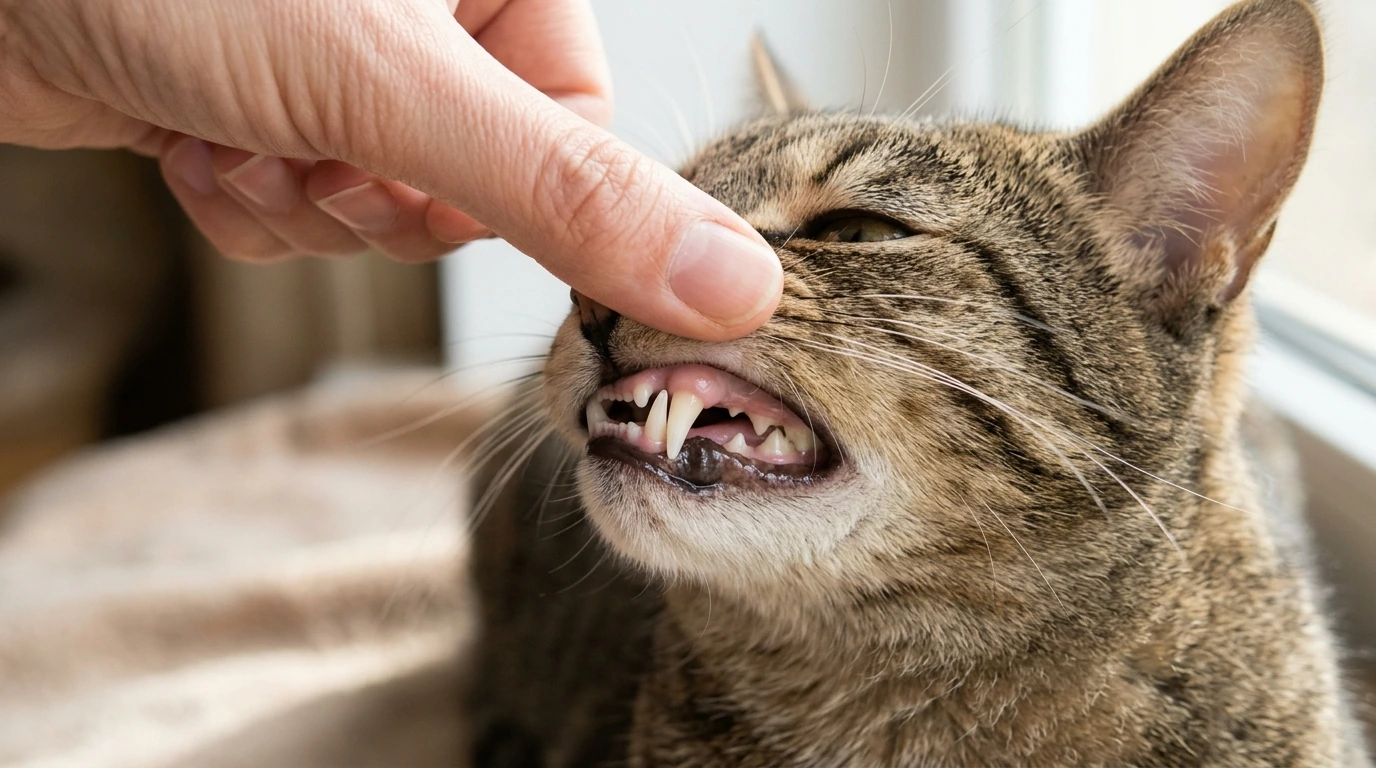
With soft, reassuring strokes, gently lift your cat’s upper and lower lips to expose their gums. Observe their color and texture. Healthy feline gums are typically a uniform, pale to salmon pink, firm to the touch, and moist. Look for any areas of redness, swelling, bleeding, or unusual pallor (which could suggest anemia). Inflamed, bright red gums, especially along the tooth line, are a classic sign of gingivitis. Press a finger gently on the gum – the color should return quickly (capillary refill time), indicating good circulation.
Step 3: Examining the Teeth
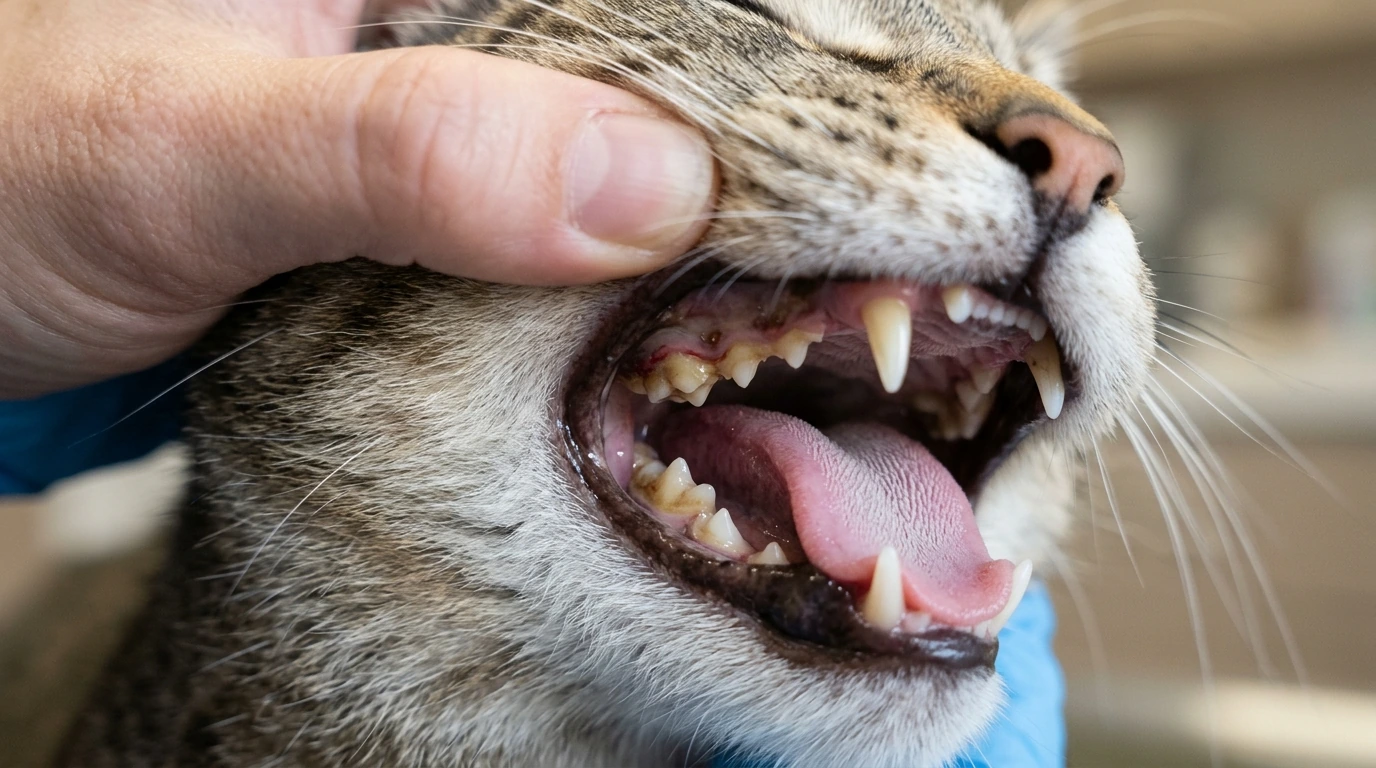
Carefully examine each tooth visible. Healthy cat teeth are generally clean, white, and free of significant buildup. Pay close attention to the canine teeth and the large molars at the back, which are prone to plaque and tartar accumulation. Plaque appears as a soft, white or yellowish film, while tartar (calculus) is a hard, brown or yellow deposit near the gum line. Note any broken, chipped, or discolored teeth. Look for missing teeth or any unusual spacing. Redness or bleeding where the tooth meets the gum is a strong indicator of periodontal disease.
Step 4: Checking for Lumps or Sores
If your cat is particularly cooperative, gently open their mouth a bit wider to look at the roof of the mouth, under the tongue, and the inner cheeks. You’re looking for any unusual lumps, bumps, swellings, ulcers, or lesions. While rare, oral cancers can occur, and early detection is vital. Any persistent abnormality should be promptly investigated by a veterinarian.
PRO TIP: Gradual Acclimation is Key
Introduce mouth handling slowly. Start by gently touching your cat's face and lips, gradually progressing to lifting the lip for a few seconds. Offer treats and praise throughout the process to create positive associations. Never force the examination, as this can lead to fear and resistance, making future checks impossible.
Avoiding Common Missteps in Home Checks
Even with the best intentions, certain mistakes can hinder an effective oral examination or even harm your cat’s trust.
- Forcing the Examination: Attempting to restrain or force your cat will only make them resistant and anxious. Prioritize their comfort and safety. If they are stressed, stop and try again another time.
- Missing Subtle Indicators: Early dental disease can be very subtle. Don’t dismiss minor redness or slight discoloration as ‘normal.’ Any deviation from healthy pink gums and clean teeth warrants attention.
- Ignoring Persistent Bad Breath: Many owners mistakenly believe bad breath is normal for cats. It’s not. Persistent halitosis is almost always a sign of bacterial activity and requires veterinary assessment.
- Inconsistency: Sporadic checks are less effective. Aim for a quick visual inspection at least once a month, coupled with a more thorough check every few months, depending on your cat’s temperament.
Recognizing Signs of a Healthy Feline Mouth
After your examination, use this checklist to verify signs of good oral health. If your cat exhibits these characteristics, their dental health is likely in good standing. If you notice deviations, it’s time to consult your veterinarian.
Post-Examination Verification Checklist:
- Breath: Neutral or very mild odor, not foul or unusually sweet.
- Gums: Uniformly pale pink, firm, moist, and no signs of redness, swelling, or bleeding.
- Teeth: Clean, white, free of significant yellow or brown tartar buildup, and no visible chips, cracks, or missing teeth.
- Oral Cavity: No visible lumps, bumps, sores, or lesions on the tongue, roof of the mouth, or inner cheeks.
- Eating Habits: Your cat eats normally, without showing signs of pain or discomfort while chewing.
Remember, home checks are a preventative measure and not a substitute for professional veterinary dental care. If you observe any concerning signs during your examination, schedule an appointment with your veterinarian for a comprehensive dental assessment. Early intervention can make a significant difference in your cat’s comfort and long-term health.



Post a Comment for "3 Critical Steps to Evaluate Your Cat's Gums, Teeth, and Breath"