
British Shorthair Cat Breed Review and Emergency Veterinary Cost Protection
Understanding a British Shorthair cat involves appreciating both their distinctive physical traits and their renowned placid temperament. These felines, celebrated for their robust build and plush coats, bring a unique presence to any home. However, like all purebred companions, they come with specific care requirements and potential health considerations that prospective owners should thoroughly investigate. A significant aspect of responsible ownership involves preparing for the financial realities of veterinary care, especially for emergencies.
This comprehensive guide delves into the breed's characteristics, essential care protocols, and, critically, how pet insurance can serve as a vital safeguard against unforeseen health expenses, ensuring a secure future for your British Shorthair.
Key Takeaways
- British Shorthairs are known for their calm temperament and distinctive dense coat, requiring consistent grooming.
- Breed-specific health concerns, such as hypertrophic cardiomyopathy (HCM) and polycystic kidney disease (PKD), necessitate proactive veterinary screening.
- Routine preventive care, including vaccinations, parasite control, and dental hygiene, forms the foundation of their well-being.
- Pet insurance offers essential financial protection against unexpected emergency veterinary costs, covering accidents and illnesses.
Unpacking the British Shorthair: Signature Characteristics
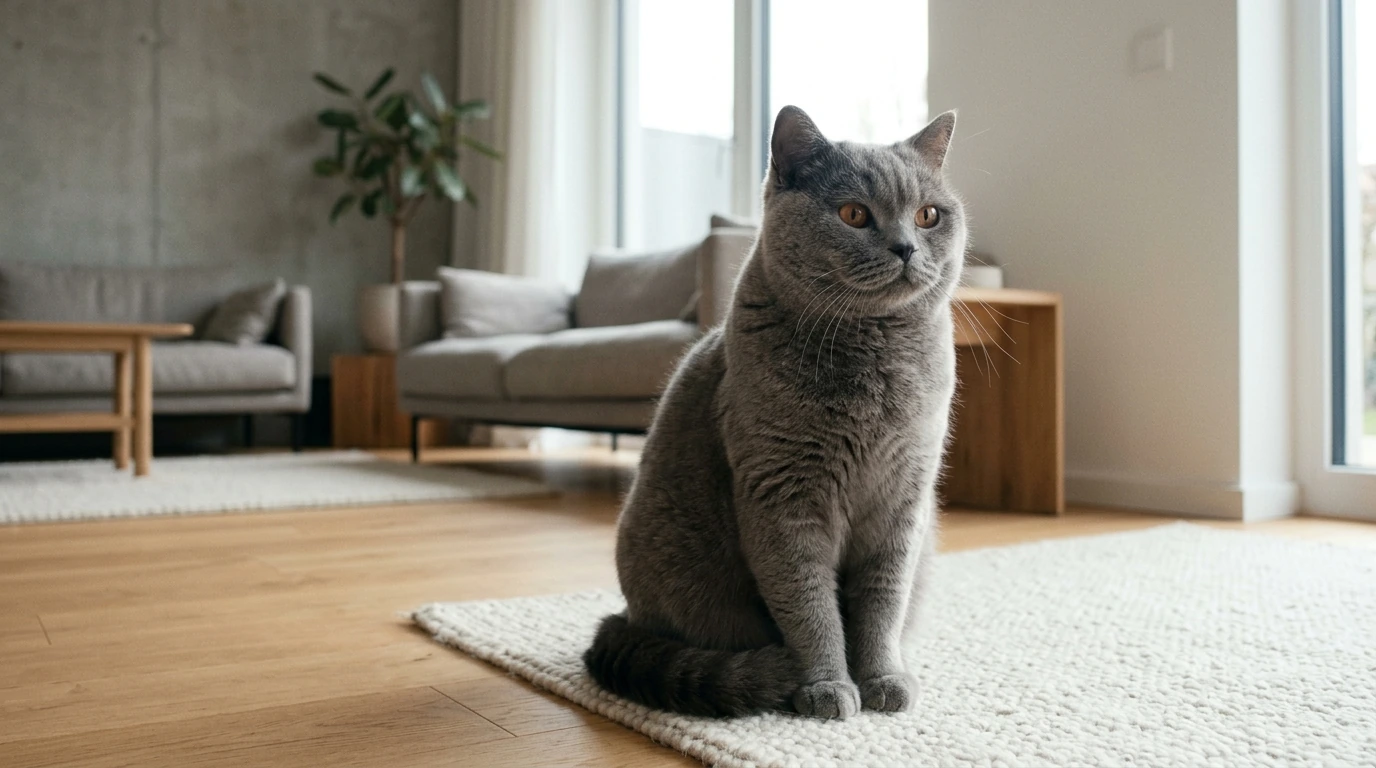
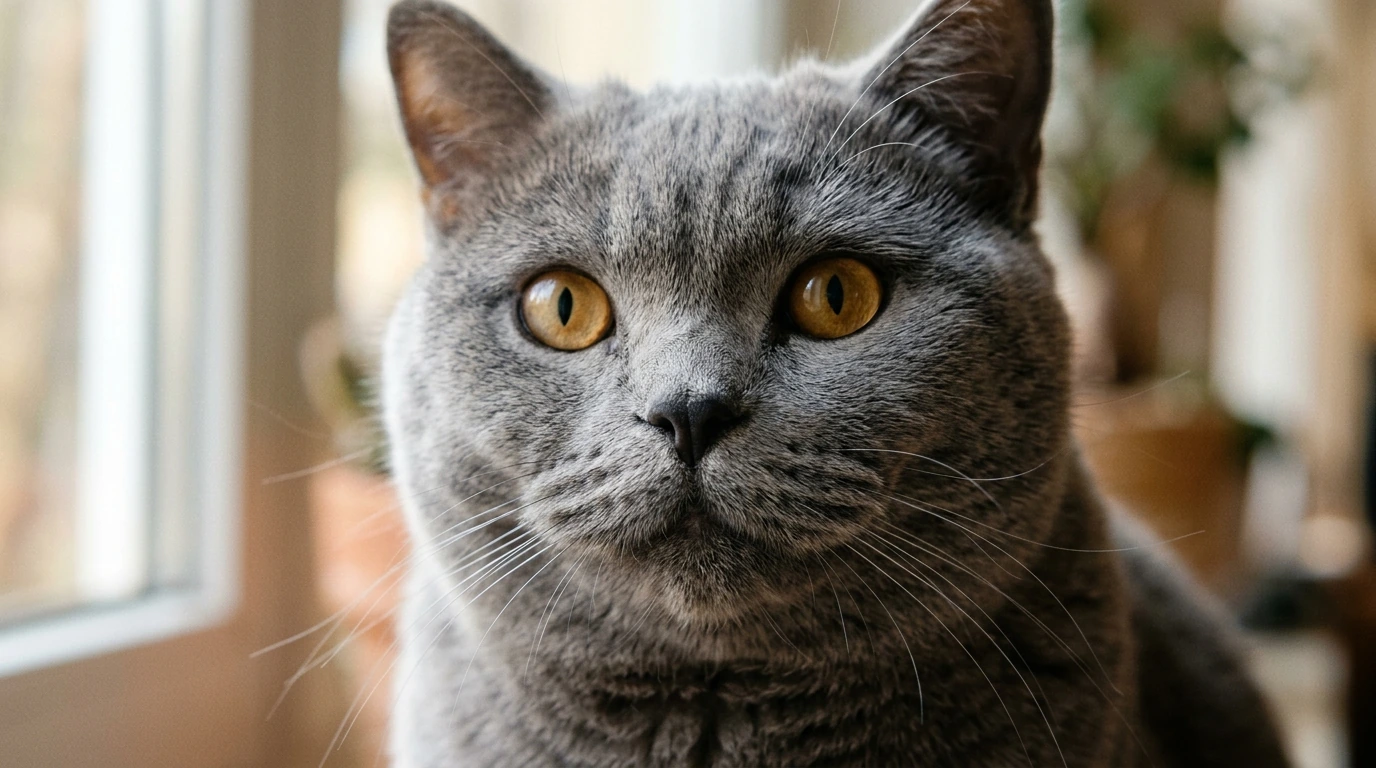
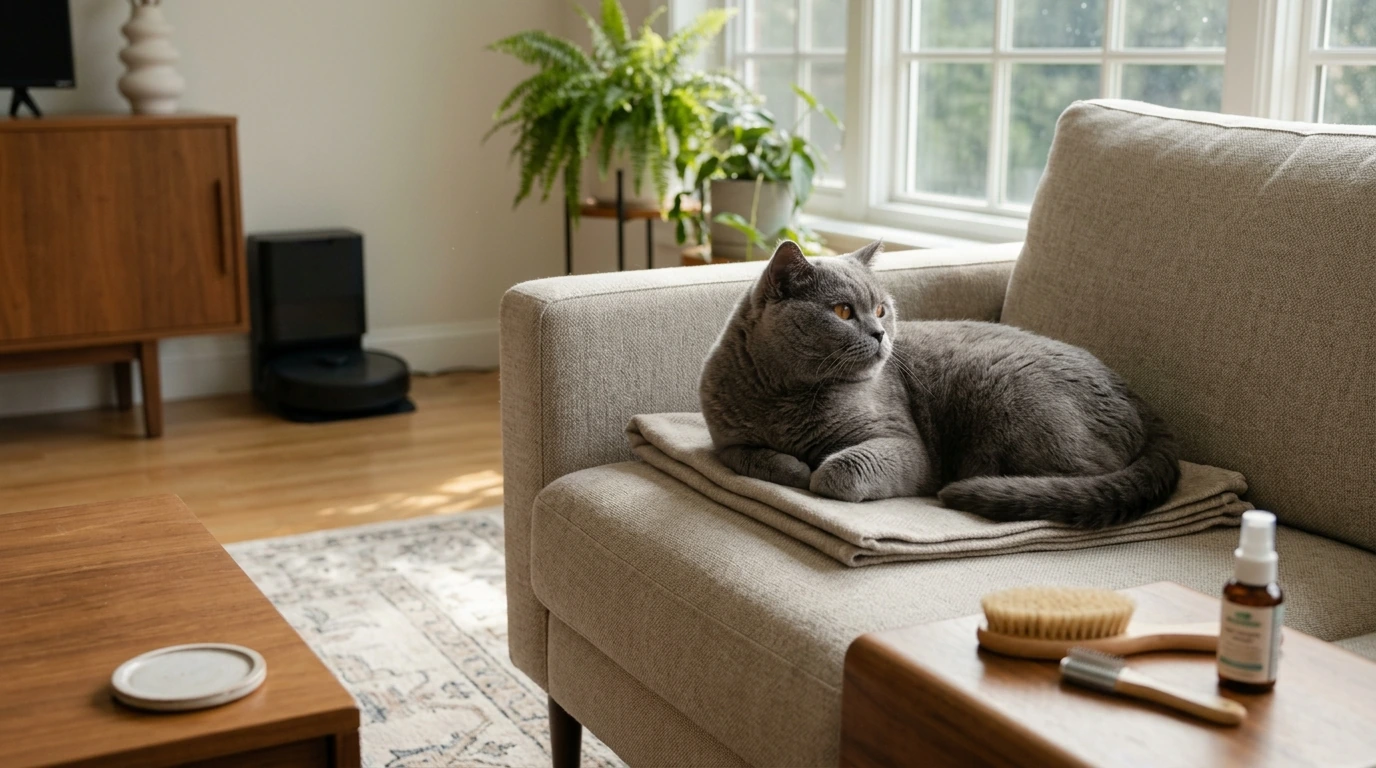
The British Shorthair breed is immediately recognizable by its sturdy, compact body, broad face, and large, round eyes, often copper or gold in color. Their short, dense coat, frequently seen in the classic 'British Blue' grey, feels crisp to the touch and requires regular brushing to manage shedding and prevent matting. Adults typically weigh between 9 and 17 pounds, with males generally larger than females.
Temperamentally, these cats are celebrated for their calm and affectionate nature. They are generally quiet, adaptable, and tolerant, making them suitable companions for various household environments. While they enjoy interaction, they are not overly demanding and are often content to observe from a comfortable perch rather than constantly seeking attention. This independent streak, combined with their gentle disposition, contributes to their widespread appeal.
Essential Care and Wellness for Your British Shorthair
Providing optimal care for a British Shorthair involves a multi-faceted approach, starting with fundamental daily practices and extending to regular health monitoring. The prerequisites for their well-being include a high-quality diet, access to fresh water, a clean litter box, and opportunities for mental and physical enrichment.
- Nutritional Management: Select a premium cat food formulated for their age and activity level. Due to their propensity for weight gain, monitoring portion sizes and avoiding free-feeding is crucial.
- Grooming Routine: Brush their dense coat 2-3 times a week to remove loose fur and prevent hairballs. Increase frequency during shedding seasons. Regular nail trims and dental care (brushing teeth) are also essential.
- Environmental Enrichment: Provide scratching posts, interactive toys, and climbing opportunities. While not exceptionally active, British Shorthairs benefit from play sessions to maintain muscle tone and mental stimulation.
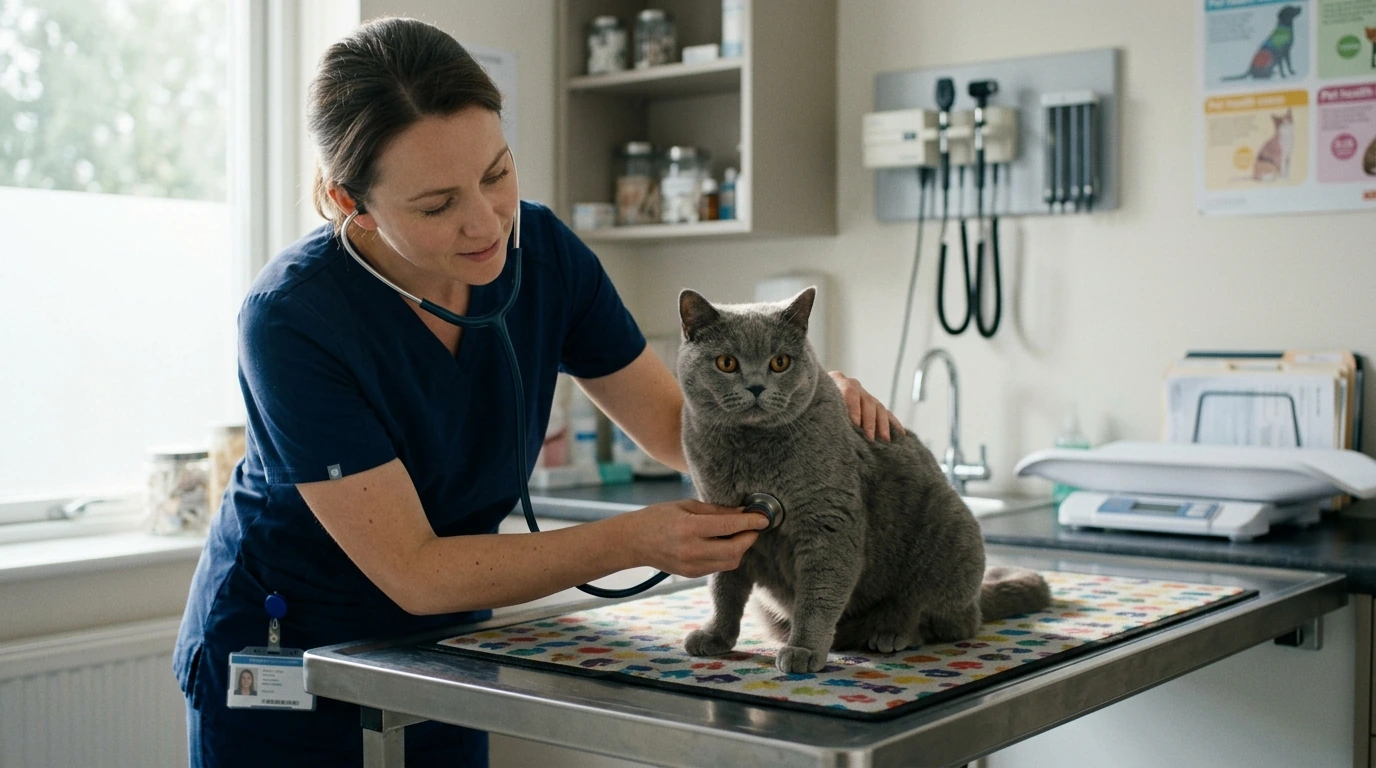
- Veterinary Check-ups: Schedule annual wellness exams to monitor overall health, administer necessary vaccinations, and discuss preventive care strategies.
- Hydration: Ensure constant access to fresh water. Some British Shorthairs prefer moving water, so a pet fountain can be beneficial.
Navigating Common Health Vulnerabilities
While generally robust, British Shorthairs are predisposed to certain genetic and breed-specific health conditions. Awareness of these potential issues allows for early detection and management, which can significantly impact their quality of life and longevity. Proactive screening and regular veterinary consultations are paramount.
| Condition | Typical Symptoms | Management & Prognosis |
|---|---|---|
| Hypertrophic Cardiomyopathy (HCM) | Lethargy, difficulty breathing, hind limb paralysis (in severe cases), sudden death. Often asymptomatic until advanced stages. | Regular cardiac screenings (echocardiograms) are recommended. Medications can manage symptoms, but no cure exists. Prognosis varies. |
| Polycystic Kidney Disease (PKD) | Increased thirst and urination, weight loss, lethargy, poor coat quality. Symptoms usually appear in middle age. | Genetic testing can identify carriers. Dietary management and medications can slow progression. Prognosis is guarded once symptoms appear. |
| Obesity | Noticeable weight gain, reduced activity, difficulty grooming. | Strict dietary control, portion management, and increased play/exercise. Reversible with consistent effort, but can lead to other health issues. |
| Gingivitis/Periodontal Disease | Bad breath, red/swollen gums, difficulty eating, pawing at mouth. | Regular dental cleanings (professional and at-home brushing) and veterinary dental care. Preventable and treatable, but can lead to tooth loss if untreated. |
Securing Against Unexpected Veterinary Expenses
Emergency veterinary care can represent a significant financial burden, especially when dealing with sudden illnesses or accidents. Pet insurance provides a crucial safety net, allowing owners to prioritize their cat's health without the added stress of exorbitant costs. Understanding the various policy options and what they cover is a key step in responsible pet ownership.
- Evaluate Policy Types: Consider accident-only, accident & illness, or comprehensive plans. Comprehensive policies typically offer the broadest coverage, including hereditary and chronic conditions common in British Shorthairs.
- Understand Deductibles and Reimbursement: Policies usually involve an annual deductible (the amount you pay before coverage kicks in) and a reimbursement percentage (the portion of the vet bill the insurer pays).
- Check for Breed-Specific Exclusions: While most reputable insurers cover breed-specific conditions, some policies might have waiting periods or exclusions for pre-existing conditions. Research thoroughly to ensure conditions like HCM or PKD are covered if diagnosed after enrollment.
- Compare Providers: Obtain quotes from multiple providers, comparing coverage limits, monthly premiums, and customer service reviews. Factors like age of your cat and your location will influence costs.
- Enroll Early: Enrolling your British Shorthair when they are young and healthy can help avoid exclusions for pre-existing conditions that might develop later in life.
Ensuring Long-Term Health and Fiscal Prudence
After implementing a robust care routine and securing pet insurance, ongoing vigilance is essential for your British Shorthair's sustained well-being. Regular checks at home and consistent engagement with your veterinarian will help identify any emerging issues promptly, optimizing outcomes and managing costs effectively.
- Behavioral Monitoring: Observe any changes in appetite, litter box habits, activity levels, or social interaction. Subtle shifts can indicate underlying health problems.
- Physical Examinations: Conduct weekly at-home checks, feeling for lumps, examining their eyes and ears for discharge, and checking their coat for parasites or skin irritations.
- Veterinary Follow-ups: Adhere to the recommended schedule for wellness exams and any specific screenings advised by your vet for breed-specific conditions.
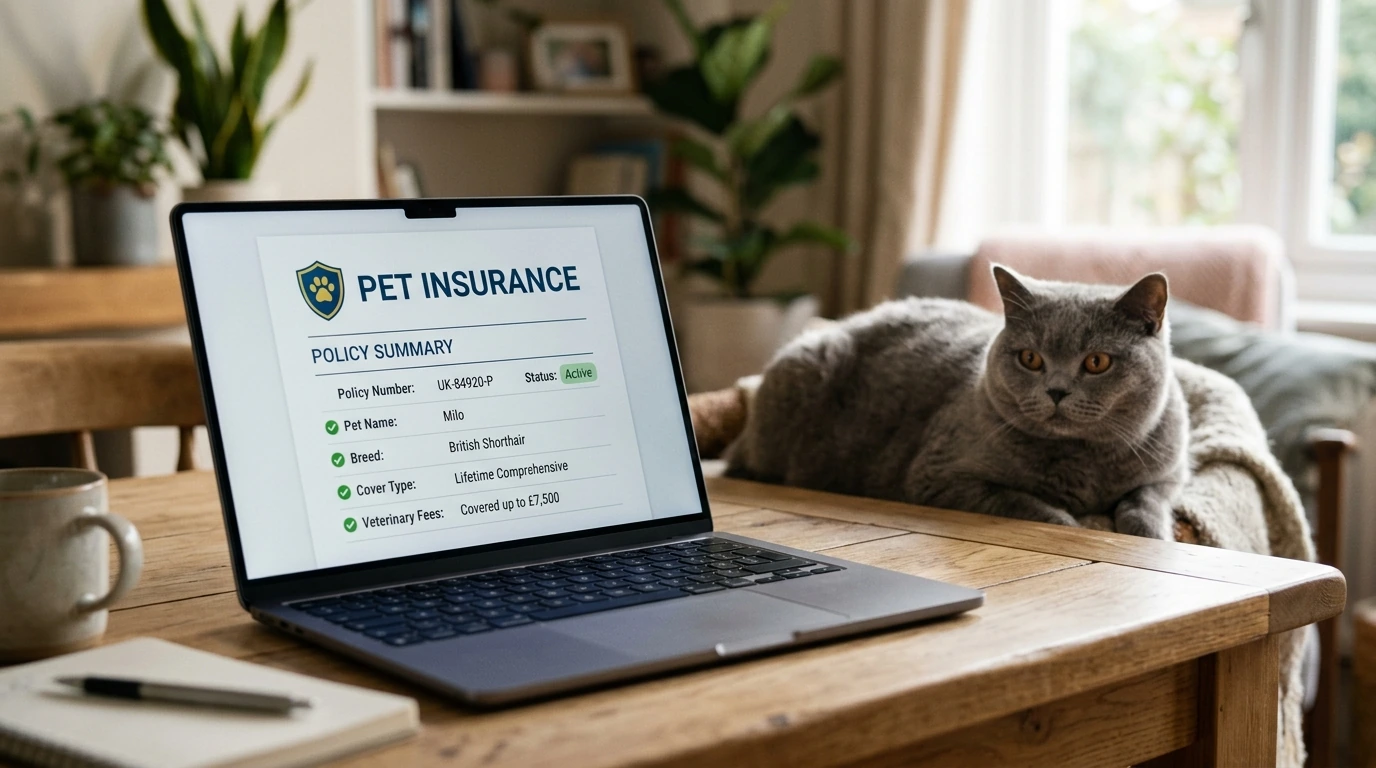
- Policy Review: Annually review your pet insurance policy to ensure it still meets your needs and your cat's health status. Update coverage as necessary, especially as your cat ages.
Evaluating Premium Organic Cat Food: Is the Investment Justified for Feline Wellness? →
Frequently Asked Questions
Do British Shorthairs require a lot of grooming?
While their short coat is relatively low-maintenance compared to long-haired breeds, their dense fur benefits from brushing 2-3 times a week to prevent matting and minimize shedding. More frequent brushing during seasonal shedding periods is advisable.
What is the average lifespan of a British Shorthair cat?
With proper care, British Shorthairs typically live between 12 to 15 years, and some individuals may even exceed this range. Regular veterinary check-ups and a healthy lifestyle contribute significantly to their longevity.
Is pet insurance truly necessary for a generally healthy breed like the British Shorthair?
Even with generally good health, accidents and unexpected illnesses can occur. Pet insurance provides financial security for these unpredictable events, covering a significant portion of emergency veterinary bills, specialized treatments, or long-term care for chronic conditions.
Are British Shorthairs good with children and other pets?
Known for their calm and tolerant nature, British Shorthairs generally adapt well to households with children and other pets, provided introductions are handled carefully. Their placid disposition makes them less prone to aggression, though supervision is always recommended.



Post a Comment for "British Shorthair Cat Breed Review and Emergency Veterinary Cost Protection"