
6 Essential Checks for Your Dog's Health Examining Its Nose Eyes Ears and Coat
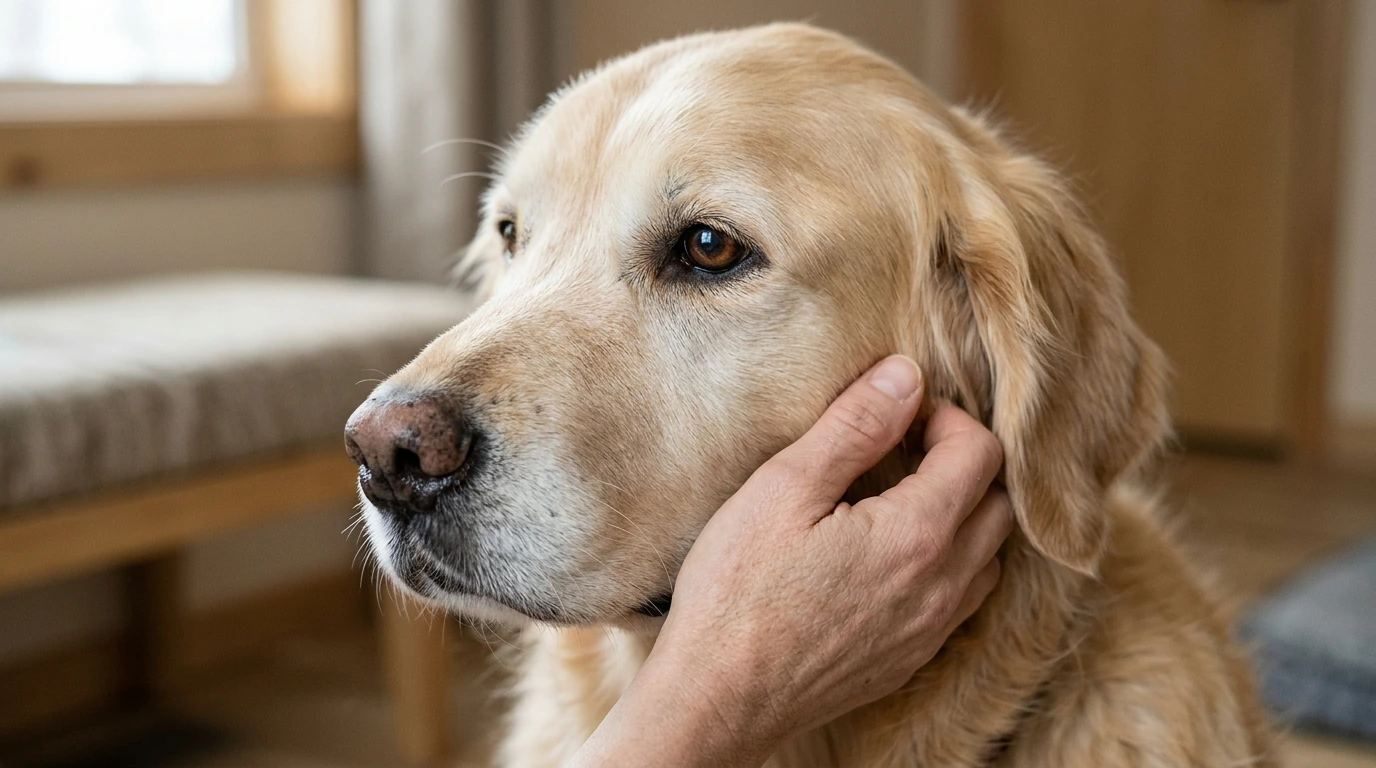
Understanding your dog's baseline health is a cornerstone of responsible pet ownership. Regular, quick checks of key physical indicators—the nose, eyes, ears, and coat—can provide invaluable insights into your canine companion's well-being and help you identify potential issues before they escalate. As a veterinarian, I advocate for these routine examinations as an integral part of proactive pet care, empowering owners to be the first line of defense for their dog's health.
Key Takeaways for Your Dog's Health Check
- **Consistency is Key:** Perform these checks regularly to learn your dog's normal state, making it easier to spot changes.
- **Gentle Approach:** Always ensure your dog is comfortable and relaxed during examinations to build positive associations.
- **Look for Symmetry:** Asymmetry in eyes, ears, or facial features can sometimes indicate an underlying problem.
- **Trust Your Instincts:** If something feels off, even if you can't pinpoint it, a veterinary consultation is always advisable.
Preparing for Your Dog's Wellness Inspection
Before you begin, gather a few simple items and choose a calm, well-lit environment. A relaxed dog is much easier to examine thoroughly.
Required Prerequisites and Tools:
- **Good Lighting:** Natural daylight is ideal, or a bright, well-lit room.
- **Flashlight:** A small penlight or phone flashlight is useful for peering into ears and checking pupils.
- **Cotton Balls or Soft Cloth:** For gently wiping away minor discharge if needed (avoid rubbing).
- **Treats:** Positive reinforcement helps make the experience pleasant for your dog.
- **Gloves (Optional):** If you prefer, especially when checking ears or handling discharge.
Assessing Your Dog's Nose
The nose is often one of the first indicators of a dog's general health, offering clues about hydration and respiratory function.
Step-by-Step Nose Examination:
- **Observe from a Distance:** First, watch your dog's nose as they breathe. Is breathing quiet and effortless? Are there any unusual sounds?
- **Check for Moisture:** Gently touch the nose. A healthy dog's nose is typically cool and moist, though it can vary throughout the day. A dry nose isn't always a sign of illness, but persistent dryness accompanied by other symptoms warrants attention.
- **Inspect for Discharge:** Look closely at the nostrils. Healthy discharge is usually clear and minimal. Note any thick, colored (yellow, green), or excessive discharge.
- **Examine for Lesions or Swelling:** Scan the skin around the nostrils for any cracks, sores, scabs, or swelling.
What to Look For and What It Means:
- **Healthy:** Moist, cool, free of excessive discharge, smooth skin.
- **Warning Signs:** Persistent dryness, thick/colored discharge, bleeding, sores, excessive sneezing, or difficulty breathing.
Evaluating Canine Eyes
Your dog's eyes should be bright, clear, and free from irritation. They are windows to neurological health and overall vitality.
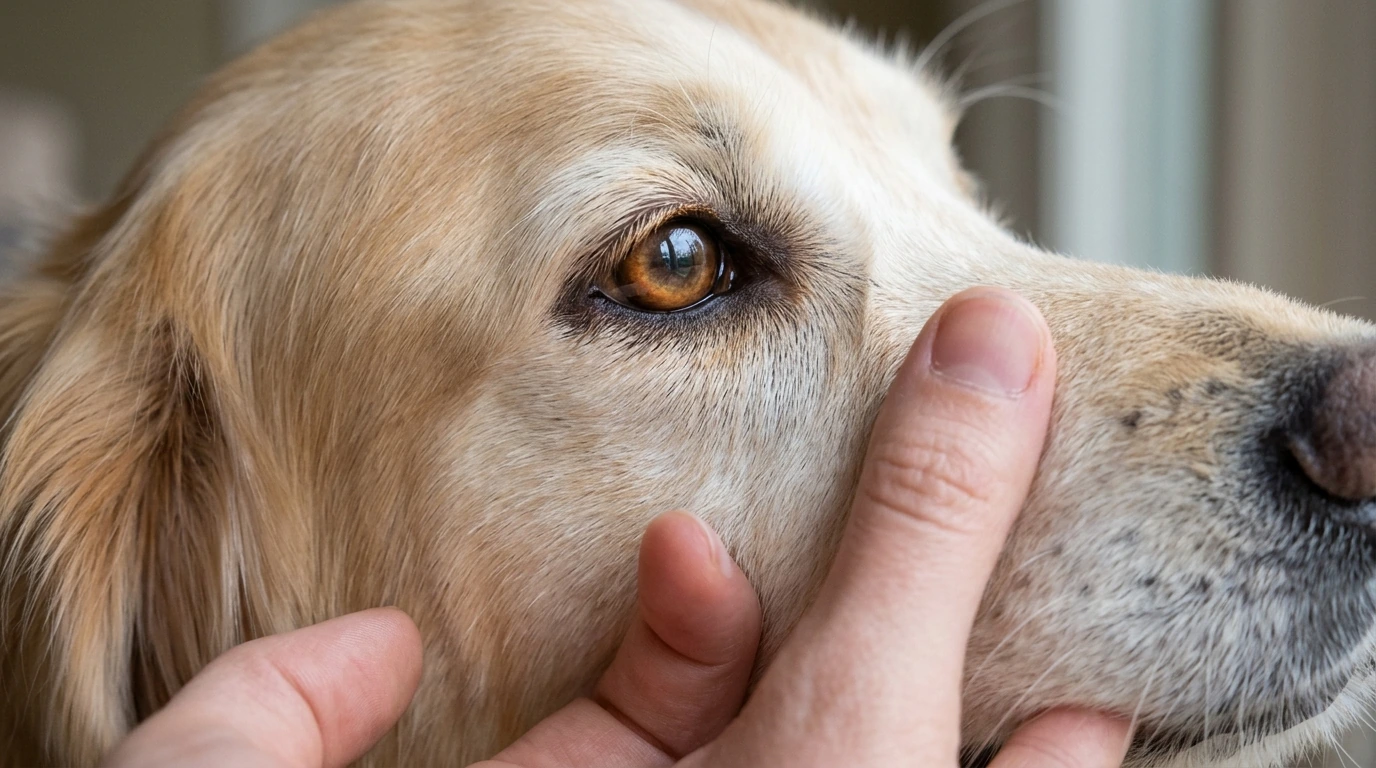
Step-by-Step Eye Examination:
- **Observe Openly:** Look at both eyes. Are they equally open? Is there any squinting or excessive blinking?
- **Check for Clarity and Brightness:** The whites of the eyes (sclera) should be white, not red or yellow. The pupils should be equal in size.
- **Inspect for Discharge:** Look for any tearing, crusting, or colored discharge. A small amount of clear discharge can be normal, but anything more should be noted.
- **Examine Eyelids and Lashes:** Gently pull down the lower eyelid to check the pink membrane (conjunctiva). It should be a healthy pink, not pale or bright red. Ensure no eyelashes are growing inwards (entropion).
- **Pupil Response (Optional):** In a dim room, briefly shine a flashlight into each eye. The pupils should constrict quickly.
What to Look For and What It Means:
- **Healthy:** Bright, clear, no redness, minimal clear discharge, healthy pink conjunctiva.
- **Warning Signs:** Redness, swelling, thick/colored discharge, excessive tearing, cloudiness, visible third eyelid, unequal pupil size, sensitivity to light, or squinting.
Inspecting Your Dog's Ears
Ear health is crucial, as infections and parasites can cause significant discomfort and lead to more serious issues if left untreated.
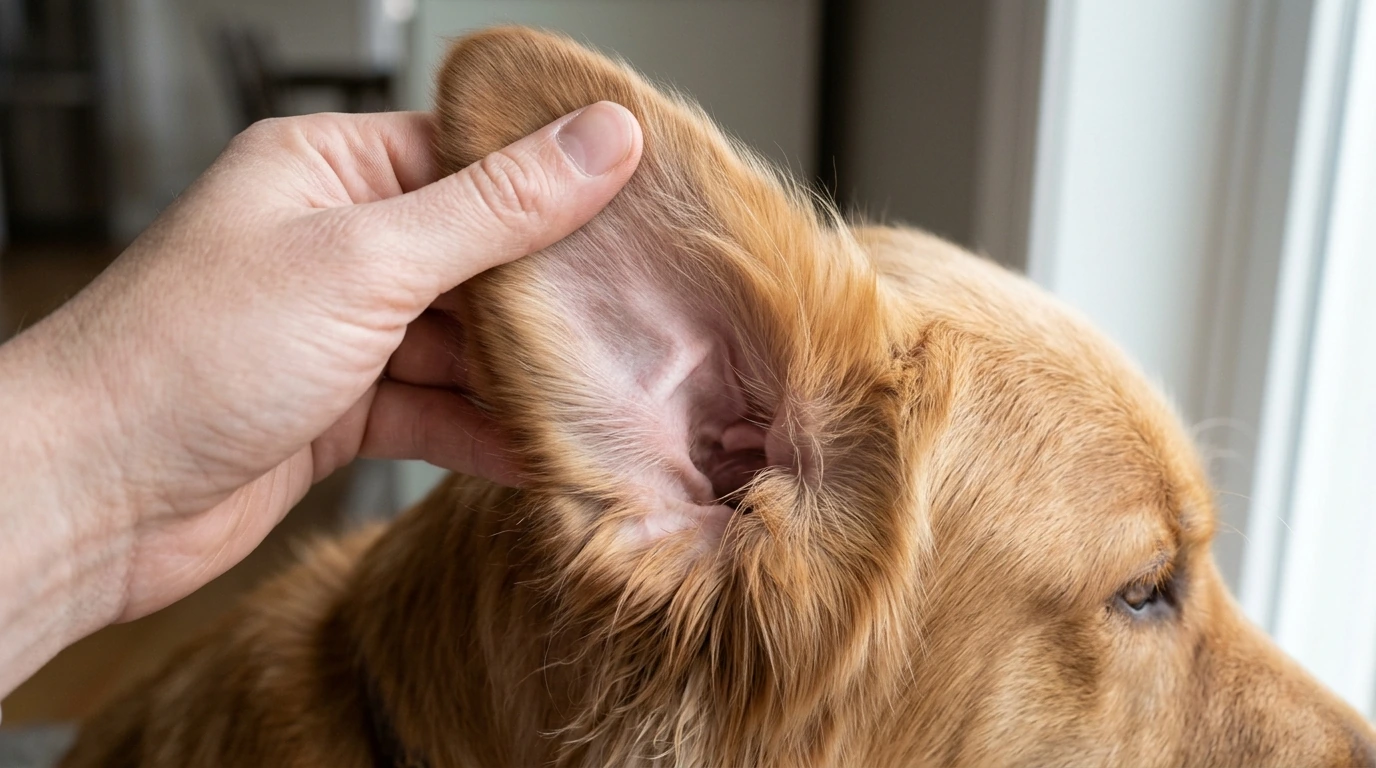
Step-by-Step Ear Examination:
- **Observe Behavior:** Note if your dog is shaking its head, scratching its ears, or holding one ear differently.
- **Smell Test:** Gently lift the ear flap and take a sniff. Healthy ears should have a neutral, clean smell. A yeasty, foul, or sweet odor indicates a problem.
- **Visual Inspection:** Look inside the ear canal as far as you can see without forcing anything. The skin should be light pink and free of excessive wax, redness, swelling, or dark debris.
- **Feel for Tenderness:** Gently feel the base of the ear for any warmth, swelling, or pain response.
PRO TIP:
When checking ears, avoid inserting cotton swabs or anything else deep into the ear canal, as this can push debris further in or damage delicate structures. Only clean what you can easily see and reach with a cotton ball or soft cloth.
What to Look For and What It Means:
- **Healthy:** Clean, light pink skin, minimal wax, no odor, no signs of discomfort.
- **Warning Signs:** Redness, swelling, dark brown or black waxy discharge, yellow/green pus, foul odor, head shaking, scratching, pain when touched.
Examining the Coat and Skin
A dog's coat and skin are excellent indicators of nutritional status, allergies, and the presence of parasites.
Step-by-Step Coat and Skin Examination:
- **Observe Coat Luster:** Your dog's coat should be shiny and soft, not dull, brittle, or greasy.
- **Check for Shedding:** Normal shedding occurs, but excessive hair loss or bald patches are concerning.
- **Part the Fur:** Systematically part the fur all over your dog's body, especially along the back, belly, and inner thighs.
- **Inspect the Skin:** Look for redness, flakes, scabs, bumps, rashes, or parasites (fleas, ticks). Healthy skin is supple and free of irritation.
- **Feel for Lumps and Bumps:** As you part the fur, run your hands over the skin, feeling for any unusual lumps, bumps, or tender spots.
What to Look For and What It Means:
- **Healthy:** Shiny, soft coat, supple skin, no excessive shedding, no parasites, no rashes or lumps.
- **Warning Signs:** Dull/brittle coat, excessive scratching, bald patches, redness, flakes, scabs, lumps, fleas/ticks, or a greasy feel to the skin.
Common Misinterpretations and What to Avoid
While these home checks are beneficial, it's easy to misinterpret signs or make critical mistakes that could delay proper veterinary care.
- **Don't Self-Diagnose:** Observing a symptom is important, but only a veterinarian can provide an accurate diagnosis and treatment plan.
- **Avoid Over-Cleaning:** Excessive cleaning of ears or eyes can cause irritation or disrupt natural protective barriers.
- **Don't Ignore Subtle Changes:** Even minor changes, if persistent, can be significant. Trust your intuition if something feels off.
- **Resist Home Remedies:** Unless specifically advised by your vet, avoid applying home remedies to skin, eyes, or ears, as they can worsen conditions or mask symptoms.
- **Never Force an Examination:** If your dog is showing aggression or extreme discomfort, stop the examination and consult your vet.
When to Contact Your Veterinarian
These at-home checks are a valuable tool for early detection, but they are not a substitute for professional veterinary care. If you notice any of the warning signs described, or if your dog exhibits any of the following, schedule an appointment with your veterinarian promptly:
- Persistent discharge from the nose or eyes.
- Redness, swelling, or pain in the eyes or ears.
- Foul odor from the ears or skin.
- Excessive scratching, licking, or head shaking.
- Sudden changes in coat quality or significant hair loss.
- Any new lumps, bumps, or open sores on the skin.
- Lethargy, changes in appetite, or other systemic signs of illness accompanying these observations.


Post a Comment for "6 Essential Checks for Your Dog's Health Examining Its Nose Eyes Ears and Coat"