
Evaluating Premium Organic Cat Food: Is the Investment Justified for Feline Wellness?
With an increasing focus on wellness for our companion animals, many cat guardians are exploring organic and natural food options. The question often arises: is premium organic cat food truly worth the additional cost? Understanding the nuances of what these labels mean and how they translate to your cat's health is crucial for making an informed decision.
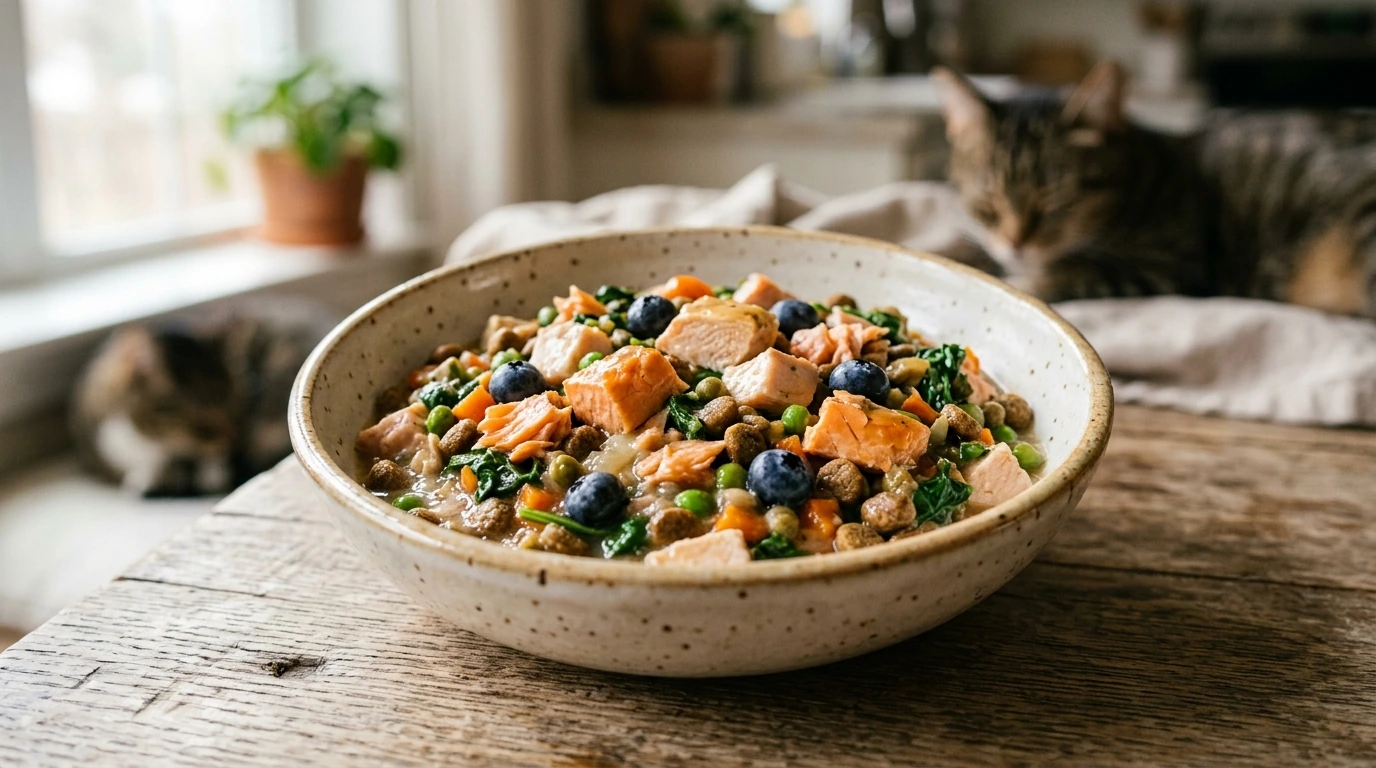
Key Takeaways
- Label Literacy is Paramount: Understand 'organic' and 'natural' definitions from regulatory bodies like USDA and AAFCO to discern true quality.
- Prioritize Core Nutrition: Regardless of marketing, ensure the food meets AAFCO nutrient profiles, with high-quality animal protein as a primary ingredient.
- Premium Cost Reflects Sourcing: Higher prices often indicate superior ingredient sourcing, absence of synthetic additives, and ethical production standards.
- Observe Your Cat's Response: The ultimate validation of a diet's suitability comes from your cat's sustained energy, coat health, and consistent stool quality.
Decoding Feline Food Labels: Organic and Natural Distinctions
One of the primary challenges for cat guardians is navigating the often-confusing terminology on pet food labels. The terms 'organic' and 'natural' are frequently used, but they carry specific meanings under regulatory guidelines. Understanding these distinctions is the first step in evaluating premium options.
For a product to be labeled 'organic' in the United States, it must adhere to the strict standards set by the U.S. Department of Agriculture (USDA) National Organic Program. This means ingredients are produced without synthetic pesticides, fertilizers, GMOs, or ionizing radiation. For meat, it implies animals were raised without antibiotics or growth hormones. A 'USDA Organic' seal signifies at least 95% organic ingredients.
The term 'natural,' as defined by the Association of American Feed Control Officials (AAFCO), refers to pet food that consists of ingredients from plant, animal, or mined sources, and has not been subjected to a chemical synthetic process, except in amounts as might occur in good manufacturing practices. It's a less stringent standard than 'organic' and does not regulate how ingredients are grown or raised, nor does it restrict the use of certain processing aids or vitamins/minerals that may be synthetic.
Required Prerequisite: Label Scrutiny
- Familiarize yourself with AAFCO statements: Look for a statement like "[Product Name] is formulated to meet the nutritional levels established by the AAFCO Cat Food Nutrient Profiles for [life stage]" to ensure basic nutritional adequacy.
- Understand USDA Organic Seals: Differentiate between "100% Organic," "Organic" (95% organic), and "Made with Organic Ingredients" (70% organic).
Foundational Nutrition for Feline Health: Beyond the Label
Regardless of whether a food is labeled 'organic' or 'natural,' its core nutritional composition is paramount for a cat's health. Cats are obligate carnivores, meaning their diet must be primarily animal-based to thrive.
Step-by-Step Guide to Evaluating Nutritional Content:
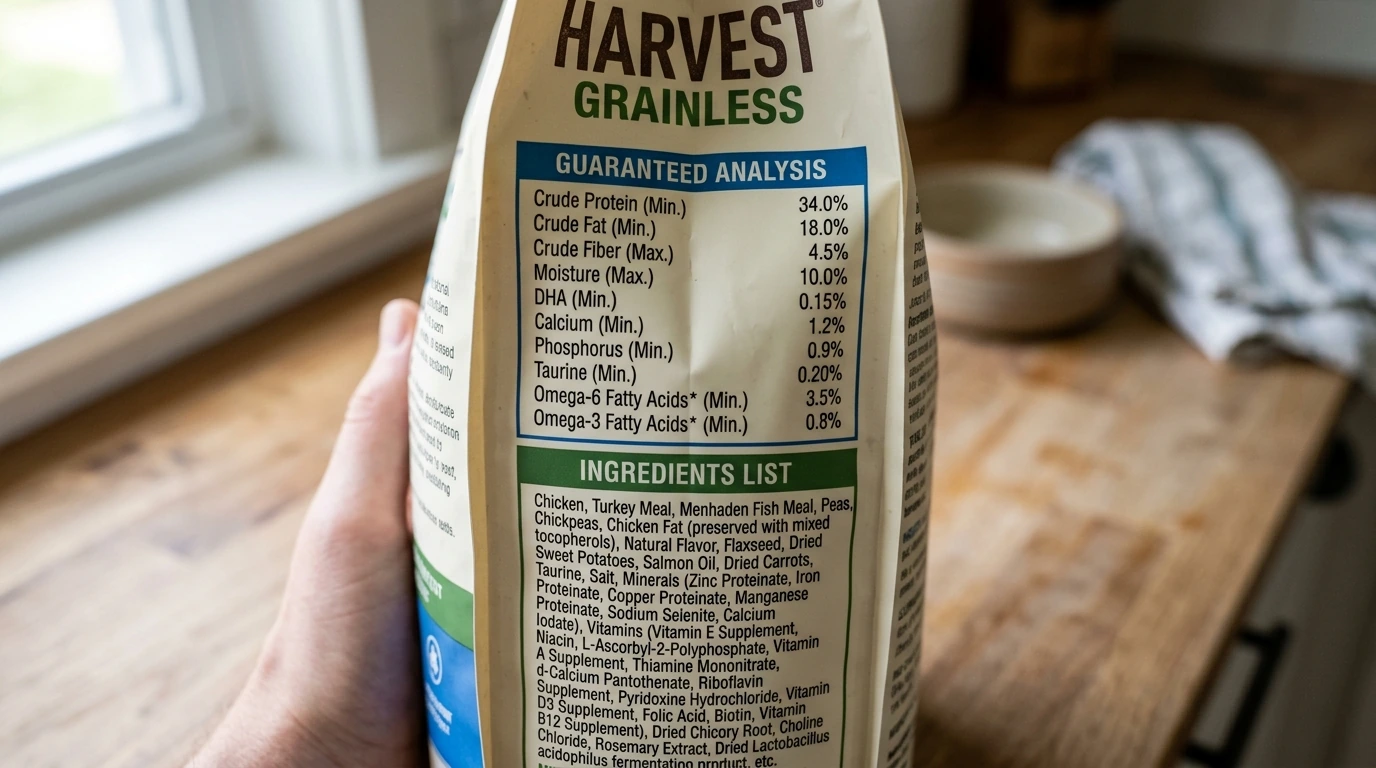
- Prioritize Animal Protein: The first few ingredients on the list should be identifiable animal proteins, such as "chicken," "turkey meal," "salmon," or "beef." Avoid foods where plant proteins (e.g., corn gluten meal, pea protein) dominate the top of the list.
- Assess Fat Content: Healthy fats, particularly animal fats like chicken fat or salmon oil, provide energy and essential fatty acids (omega-3 and omega-6) for skin, coat, and immune health. Look for a guaranteed analysis with appropriate fat levels for your cat's life stage and activity level.
- Minimize Carbohydrates: While some carbohydrates are present in most commercial cat foods, they should be in limited quantities. Cats lack the necessary enzymes to efficiently digest large amounts of plant matter.
- Check for Essential Nutrients: Ensure the food contains essential vitamins and minerals, especially taurine, which is critical for feline heart and eye health and must be obtained from animal sources.
- Avoid Unnecessary Fillers and Artificial Additives: High-quality foods generally steer clear of artificial colors, flavors, and preservatives. While "natural" foods may still contain some synthetic vitamins, organic foods typically use naturally derived versions.
The Tangible Benefits of Premium Organic Formulations
The higher price point of premium organic cat food typically reflects several factors, including ingredient quality, sourcing practices, and the absence of certain undesirable components. These elements can translate into tangible benefits for your feline companion.
Premium organic foods often feature:
- Superior Ingredient Sourcing: Organic meats come from animals raised without antibiotics or growth hormones, and organic produce is grown without synthetic pesticides. This can mean fewer potential contaminants in your cat's diet.
- Reduced Allergen Exposure: For cats with sensitivities, the absence of common allergens like artificial colors, flavors, and certain grains, which are often excluded from premium organic recipes, can lead to fewer digestive upsets or skin irritations.
- Enhanced Digestibility: High-quality, easily digestible ingredients can improve nutrient absorption and result in smaller, firmer, and less odorous stools.
- Improved Skin and Coat Health: The balance of essential fatty acids and high-quality proteins in premium diets often contributes to a shinier coat and healthier skin.
While the direct, long-term health impacts of an exclusively organic diet versus a high-quality non-organic diet are still subjects of ongoing research, many veterinarians and cat guardians report improvements in overall vitality, coat condition, and digestive regularity when transitioning to premium, thoughtfully formulated foods.
Avoiding Common Missteps in Dietary Choices
Choosing the right food for your cat can be overwhelming, and several common mistakes can undermine even the best intentions.
Critical Mistakes to Avoid:
- Falling for Marketing Hype Alone: Do not rely solely on appealing packaging or buzzwords. Always verify claims by reading the ingredient list and guaranteed analysis.
- Ignoring AAFCO Statements: A food lacking an AAFCO nutritional adequacy statement for a specific life stage (e.g., "all life stages," "adult maintenance," "growth") may not provide complete and balanced nutrition.
- Sudden Dietary Changes: Abruptly switching your cat's food can cause digestive upset. Always transition gradually over 7-10 days, slowly mixing the new food with the old.
- Overlooking Individual Cat Needs: A food that works well for one cat may not be ideal for another, especially those with specific health conditions, allergies, or sensitivities. Consult your veterinarian for tailored advice.
- Prioritizing Price Over Quality: While premium foods are more expensive, opting for the cheapest available option often means compromising on ingredient quality and nutritional density.
Comparing Illustrative Organic Cat Food Formulations
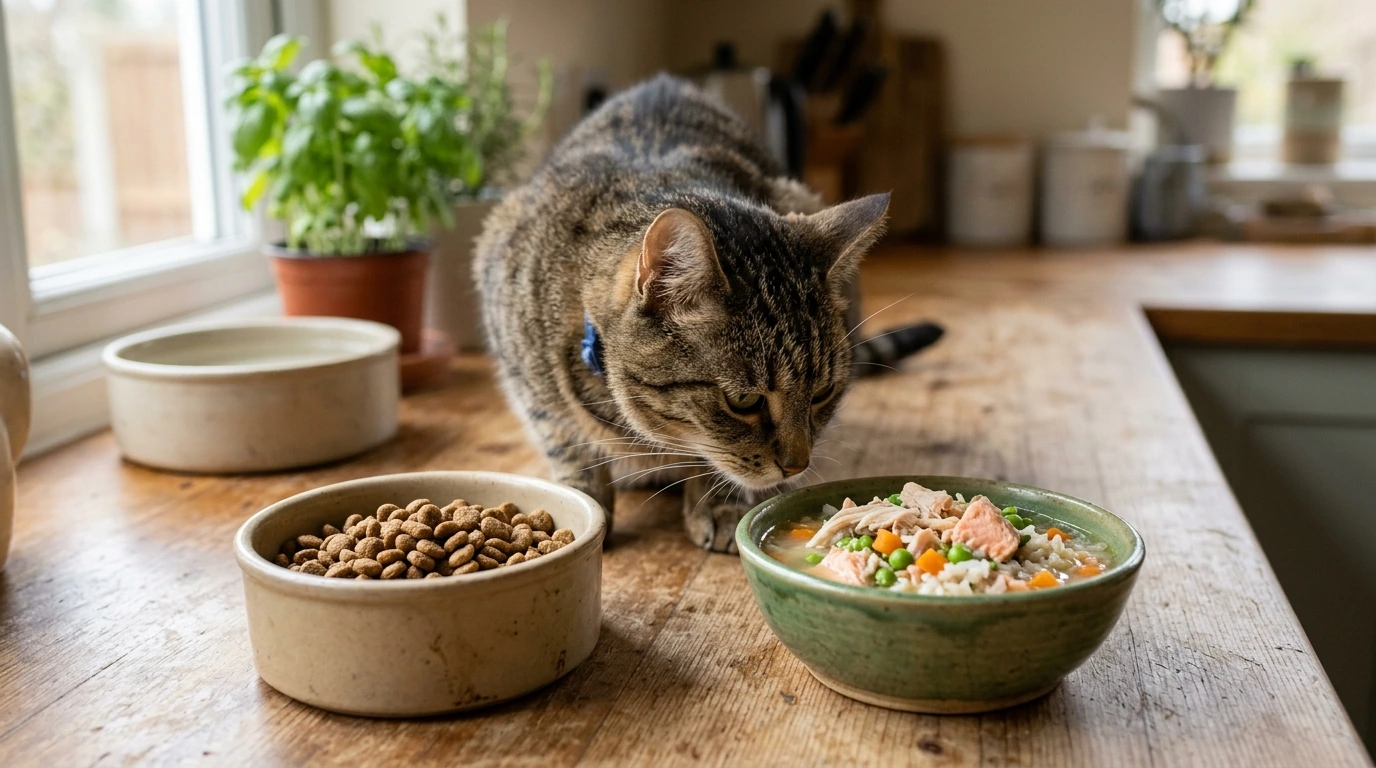
To illustrate the variety within the premium organic cat food market, here's a comparative look at hypothetical formulations, based on common industry practices and reported specifications. Actual product details will vary by brand and specific recipe.
| Feature | Brand A (Dry Kibble) | Brand B (Wet Pâté) | Brand C (Freeze-Dried) |
|---|---|---|---|
| Primary Protein Source | Organic Chicken | Organic Turkey & Liver | Organic Salmon & Whitefish |
| USDA Organic Certification | Certified Organic (95%+) | Certified Organic (95%+) | Certified Organic (95%+) |
| Key Omega-3 Sources | Organic Flaxseed, Salmon Oil | Wild-Caught Salmon Oil | Organic Fish Oil Blend |
| Grain-Free Option | Yes (with organic lentils/peas) | Yes (with organic pumpkin) | Yes (minimal organic veggies) |
| Typical Price Per Pound (Reported) | $5.00 - $8.00 | $7.00 - $10.00 | $12.00 - $18.00 |
Monitoring Your Cat's Response to a New Diet
The true measure of a diet's success lies in your cat's health and well-being. After transitioning to a premium organic food, it's essential to observe for positive indicators.
Post-Implementation Verification Checklist:
- Energy Levels: Does your cat seem more energetic, playful, and alert? A well-nourished cat typically exhibits good vitality.
- Coat Condition: Is their fur soft, shiny, and free from excessive shedding or dandruff? A healthy coat is a strong indicator of good internal health.
- Skin Health: Is their skin clear, supple, and free from redness, itching, or irritation?
- Stool Quality: Are their stools well-formed, consistent, and free from excessive odor or digestive upset? This is a direct reflection of digestibility.
- Appetite and Hydration: Is your cat maintaining a healthy appetite and drinking adequate water?
- Weight Management: Is your cat maintaining a healthy weight for their age and breed?
If you notice any adverse changes or have concerns about your cat's health after a dietary change, consult with your veterinarian promptly.
Frequently Asked Questions
Q: Is 'grain-free' always better for cats?
A: Not necessarily. While some cats may benefit from grain-free diets due to sensitivities, grains themselves are not inherently bad. The quality and type of carbohydrate source are more important. Many grain-free foods replace grains with other starches like potatoes or peas, which can still contribute to higher carbohydrate levels.
Q: How do I know if my cat has a food allergy or sensitivity?
A: Common signs of food allergies or sensitivities in cats include chronic itching, skin lesions, excessive grooming, vomiting, diarrhea, or inflammatory bowel disease. If you suspect an allergy, consult your veterinarian, who may recommend an elimination diet to identify the culprit ingredient.
Q: Can I mix organic and non-organic cat food?
A: Yes, you can. Some guardians choose to feed a mix of organic and conventional high-quality foods to balance cost and benefits. Ensure that both foods are nutritionally complete and balanced for your cat's life stage, and introduce any new food gradually.
Securing Your Protector: Classic Guard Dog Names and Essential Pet Insurance Considerations for 2026 →
Final Thoughts on Premium Feline Nutrition
The decision to invest in premium organic cat food is a personal one, often driven by a desire to provide the best possible nutrition. While the cost is higher, the potential benefits associated with superior ingredient quality, ethical sourcing, and the absence of synthetic additives can be significant for some cats. The key is to be an informed consumer, scrutinizing labels, understanding your cat's unique needs, and observing their response to their diet. Ultimately, a well-balanced, high-quality diet—whether organic or not—is the foundation for a long, healthy, and happy life for your feline companion.



Post a Comment for "Evaluating Premium Organic Cat Food: Is the Investment Justified for Feline Wellness?"