
A Thriving Dog or a Struggling One 8 Early Warning Signs
Are you truly seeing your dog, or simply observing their routine without noticing subtle shifts? Distinguishing between a vibrant, healthy canine and one beginning to struggle with underlying health issues requires more than just casual observation; it demands a keen eye and an understanding of key indicators. As a veterinarian and pet nutrition expert, I frequently encounter owners who regret not recognizing early warning signs, which can significantly impact a pet's long-term prognosis.
Key Takeaways
- Subtle changes in behavior or appearance often signal early health issues in dogs.
- Regular checks of your dog's appetite, energy, and physical condition are crucial for early detection.
- Persistent changes, even minor ones, warrant immediate veterinary consultation.
- Early detection significantly improves prognosis for many canine health conditions.

The Foundation of Canine Wellness
Establishing a baseline for your dog's normal behavior and physical state is the most critical prerequisite for identifying potential health concerns. Every dog is an individual, but consistent patterns in their daily life provide the best reference point. The primary tool at your disposal is attentive, routine observation. This doesn't require specialized equipment; rather, it calls for dedicated time spent interacting with and scrutinizing your pet.
Before you can spot deviations, you need to know what 'normal' looks like for your specific dog. This includes their typical energy levels, eating habits, coat quality, and even the consistency of their waste. Understanding these daily norms enables you to quickly notice when something is amiss, allowing for timely intervention.
Eight Critical Indicators of Your Dog's Health
Systematic assessment of these eight areas can provide invaluable insight into your dog's current health status. Look for consistency and note any changes, however minor they may seem.
- Energy Levels and Activity: A healthy dog typically displays consistent energy, engaging in play, showing alertness to their surroundings, and maintaining their usual exercise routine. An unhealthy dog may exhibit lethargy, reluctance to move or play, excessive sleeping, or a noticeable decrease in stamina during walks.
- Appetite and Thirst: Dogs in good health usually have a consistent appetite, finishing their meals regularly, and maintaining appropriate water intake throughout the day. Warning signs include a sudden loss of appetite, refusal to eat for more than 24 hours, significant increase or decrease in thirst, or excessive urination.
- Coat and Skin Condition: A vibrant, healthy coat is typically shiny, smooth, and free from excessive shedding, flakes, redness, or bumps. The skin beneath should appear supple and clear. An unhealthy coat might be dull, matted, greasy, or show excessive shedding, while the skin could present with sores, dry patches, scabs, or parasites.
- Eyes, Ears, and Nose: Healthy eyes are clear, bright, and free from discharge or cloudiness. Ears should be clean, odor-free, and without excessive scratching. The nose is typically moist and cool, without discharge or cracks. Signs of concern include eye discharge, redness, cloudiness, pawing at ears, head shaking, ear odor, or a dry, cracked, or discolored nose.
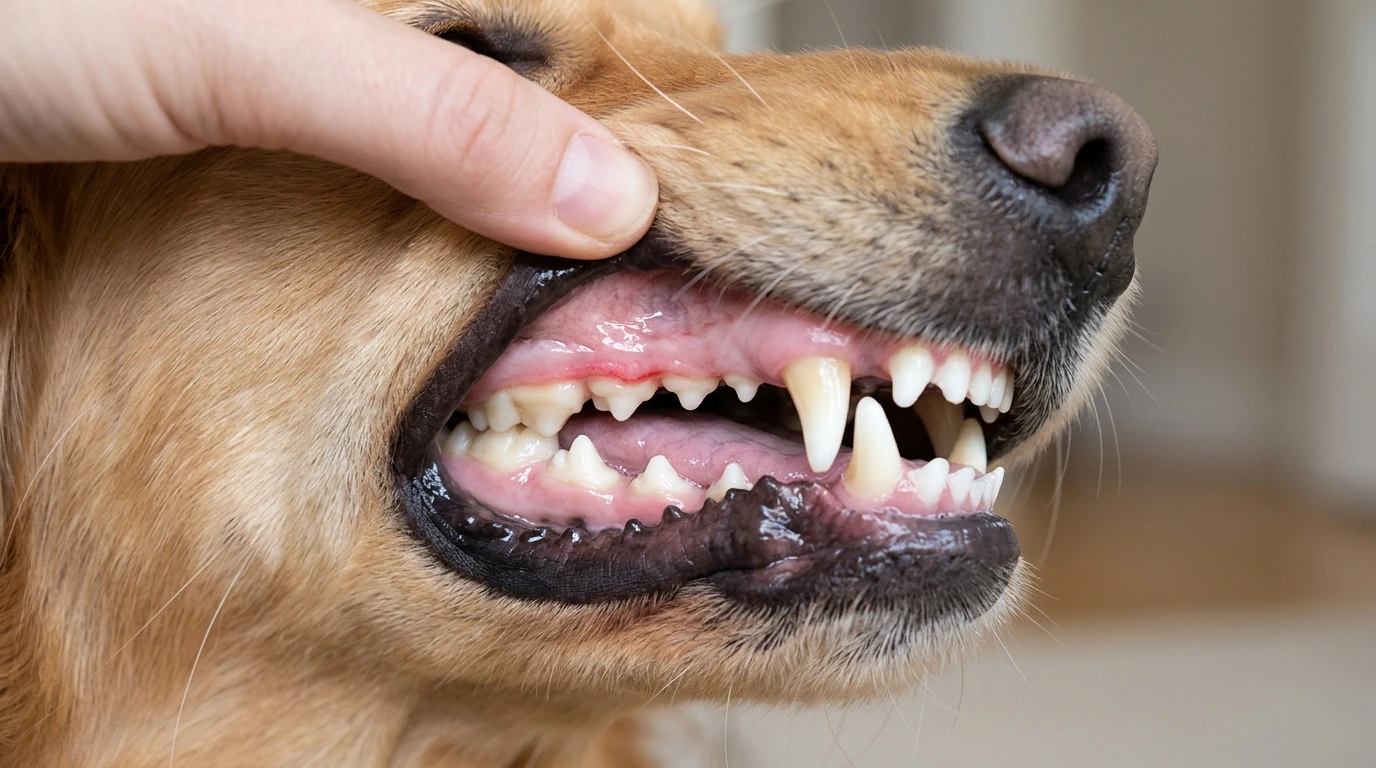
- Oral Health: A healthy dog's mouth features clean teeth, pink gums, and relatively fresh breath. While not always minty, a strong, foul odor is a red flag. Unhealthy indicators include severe bad breath, red or swollen gums, excessive tartar buildup, broken teeth, or difficulty chewing.
- Stool and Urine: Consistent, well-formed stool that is easy to pick up, along with clear, yellow urine, are hallmarks of a healthy digestive and urinary system. Any changes such as diarrhea, constipation, blood in stool or urine, straining, or significant shifts in frequency or color warrant attention.
- Weight and Body Condition: A dog at a healthy weight will have a visible waist when viewed from above, and its ribs should be easily felt but not prominently seen. Sudden weight loss or gain, ribs or spine becoming overly prominent, or a distended belly can all indicate underlying health issues.
- Behavior and Temperament: Your dog's usual temperament – whether playful, calm, or a bit aloof – should remain consistent. Changes like sudden aggression, withdrawal, increased anxiety, excessive vocalization, hiding, or unusual destructive behaviors could signal discomfort or illness.
Avoiding Common Misinterpretations
One of the most frequent mistakes owners make is dismissing subtle signs as 'just old age' or 'a bad day.' While isolated incidents of lethargy or a slightly loose stool might not be cause for alarm, persistence is key. If a change lasts for more than 24-48 hours, or if multiple subtle signs appear concurrently, it's time to take note.
Another pitfall is attributing changes solely to diet or environmental factors without considering health. While diet adjustments can affect stool, and weather can influence energy, a sudden, unexplained shift in multiple indicators should always prompt deeper investigation. Do not attempt self-diagnosis based on internet forums; professional veterinary advice is irreplaceable.
Confirming Your Dog's Vitality
After closely monitoring your dog using the indicators above, a verification process helps determine the next steps. If your dog exhibits consistent positive signs across all eight areas – stable energy, good appetite, clear eyes, healthy coat, and normal elimination – congratulations, you likely have a thriving pet! Continue these regular observations as part of their routine care.
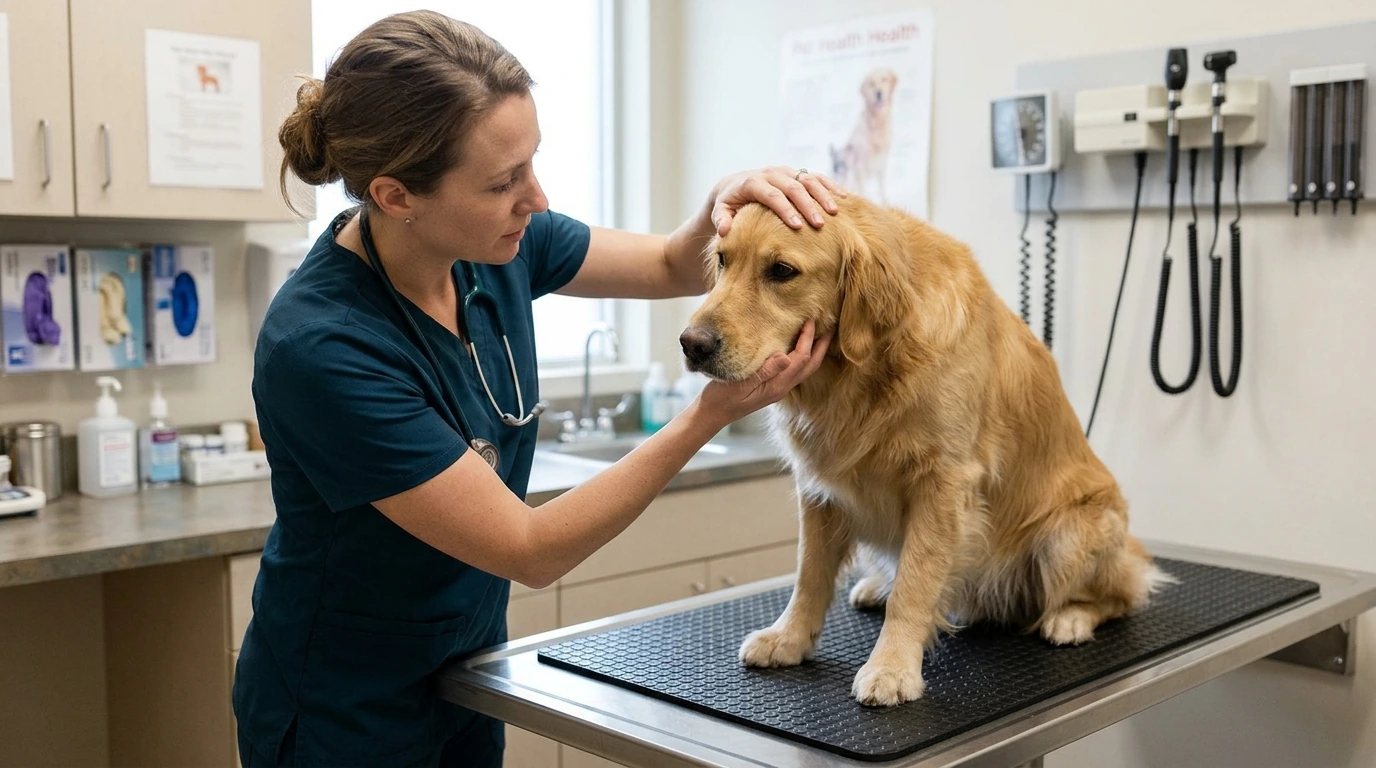
However, if you've noted persistent changes in one or more areas, the next step is a veterinary consultation. Prompt action is crucial, as many conditions are more manageable when caught early.
PRO TIP: Documenting your dog's baseline behaviors and any observed changes with notes or even short video clips can be invaluable for your veterinarian, providing objective data for diagnosis.
Here's a quick reference for some key physical indicators:
| Indicator | Healthy Dog | Unhealthy Dog (Early Signs) |
|---|---|---|
| Gums | Moist, salmon pink, firm | Pale, very red, swollen, sticky |
| Coat | Shiny, smooth, minimal shedding | Dull, greasy, excessive shedding, flakes |
| Energy | Alert, playful, consistent stamina | Lethargy, reluctance to play, increased sleep |
| Appetite | Consistent, finishes meals readily | Sudden decrease, pickiness, refusal to eat |



Post a Comment for "A Thriving Dog or a Struggling One 8 Early Warning Signs"