
Gauging Your Dog's Daily Water Intake and Spotting Dehydration Signals
Ensuring your dog receives adequate hydration is fundamental to their overall health and longevity. Water is critical for nearly every bodily function, from regulating temperature and transporting nutrients to lubricating joints and aiding digestion. Understanding the typical daily water intake for a healthy canine, and more importantly, recognizing deviations from that norm, empowers owners to proactively manage their pet's well-being.
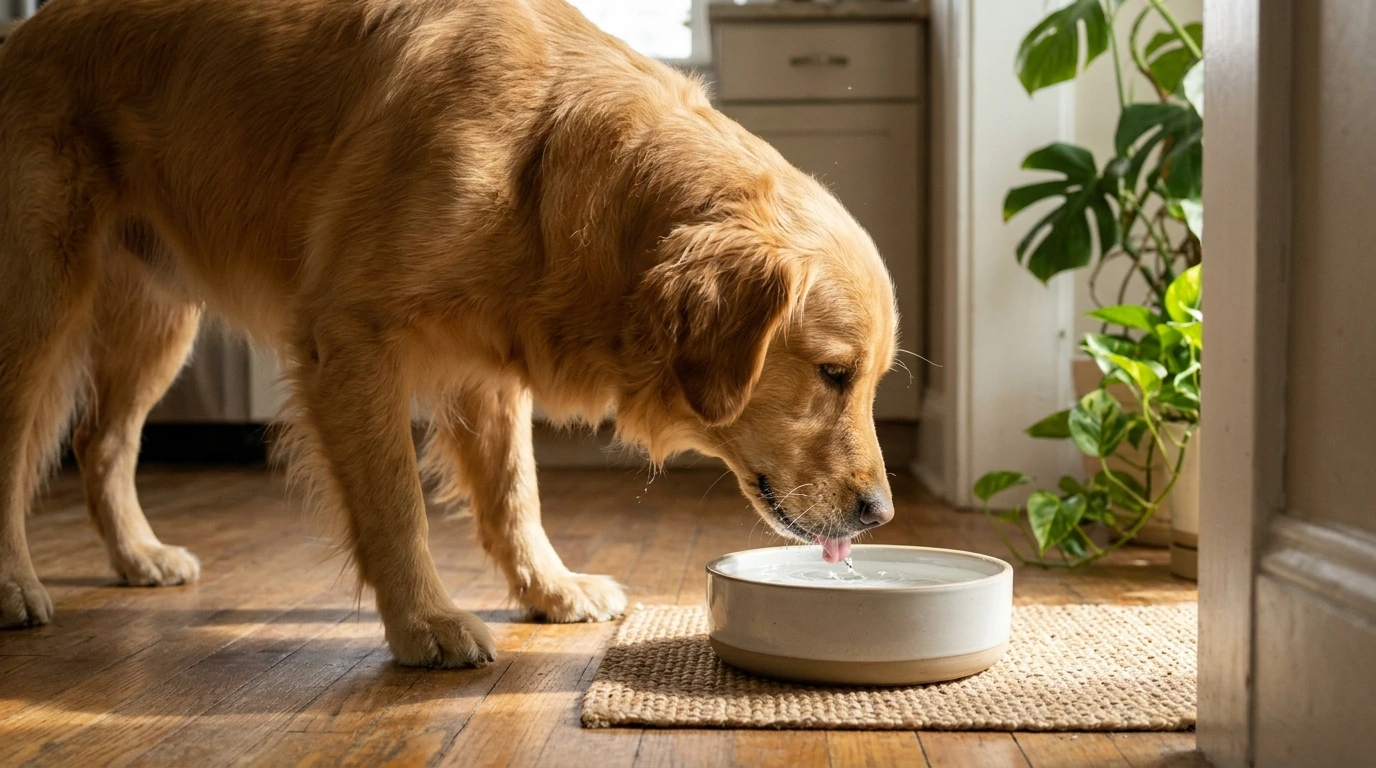
Establishing the Baseline: What's a Normal Daily Water Intake for Dogs?
A general guideline widely reported by veterinary professionals suggests that a healthy dog should drink approximately 1 ounce of water per pound of body weight each day. This is a baseline, not an absolute, and serves as a useful starting point for monitoring. For instance, a 50-pound dog would typically consume around 50 ounces (or roughly 6.25 cups) of water over a 24-hour period.
General Guidelines by Body Weight
To help visualize this, consider the following approximate daily water intake ranges for adult dogs based on their weight:
| Dog Weight (lbs) | Approximate Daily Water Intake (ounces) | Approximate Daily Water Intake (cups) |
|---|---|---|
| 10 | 10-15 | 1.25-1.875 |
| 25 | 25-35 | 3.125-4.375 |
| 50 | 50-65 | 6.25-8.125 |
| 75 | 75-90 | 9.375-11.25 |
| 100+ | 100+ | 12.5+ |
Puppies, due to their higher metabolism and growth rate, often require more water per pound of body weight than adult dogs. Similarly, very active or nursing dogs will have increased hydration needs.
Factors Influencing Individual Hydration Needs
Several variables can significantly alter a dog's daily water requirements:
- Activity Level: Highly active dogs, working dogs, or those engaging in strenuous exercise will naturally need more water to replenish fluids lost through panting and sweat (though dogs primarily cool through panting).
- Environmental Temperature: Hot and humid weather increases a dog's risk of overheating and dehydration, necessitating greater water consumption.
- Diet: Dogs fed a diet primarily consisting of dry kibble will typically drink more water than those on a wet food diet, as wet food contains a high percentage of moisture.
- Age: Senior dogs may drink less due to decreased activity or more if they have underlying health conditions. Puppies, as mentioned, often drink more.
- Health Status: Certain medical conditions, such as kidney disease, diabetes, or gastrointestinal issues, can drastically affect a dog's thirst and hydration balance.
- Medication: Some medications can have a diuretic effect, increasing a dog's urination and, consequently, their water intake.
Recognizing the Red Flags of Dehydration in Dogs
Dehydration can quickly become a serious health concern for dogs. Knowing how to identify the signs is crucial for timely intervention.
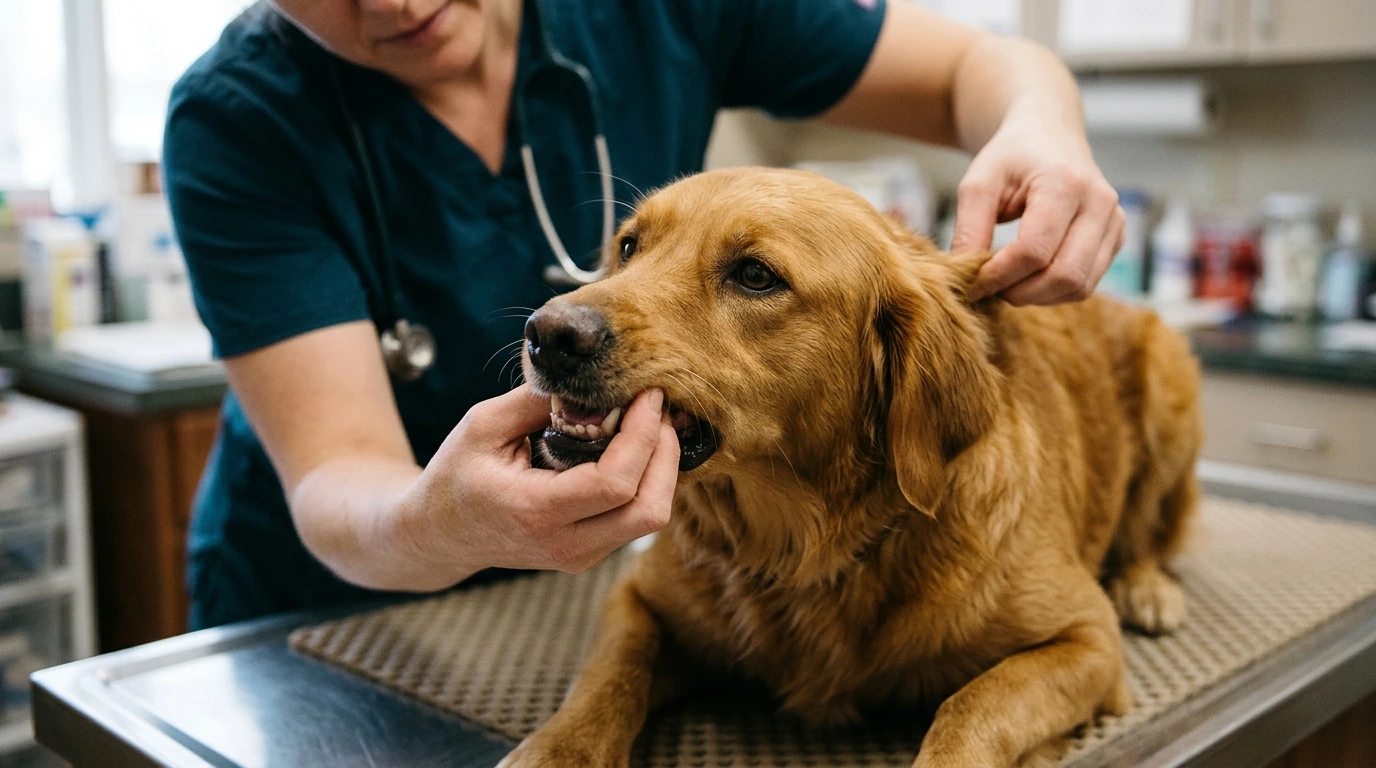
Key Physical Indicators
These are the most common physical signs to look for:
- Dry, Tacky Gums: Healthy gums are moist and slick. Dehydrated gums will feel sticky or dry to the touch.
- Reduced Skin Elasticity (Skin Turgor Test): Gently pinch a small fold of skin on your dog's back or shoulder. On a well-hydrated dog, the skin should snap back into place almost immediately. If it takes longer to return or stays tented, it indicates dehydration.
- Sunken Eyes: In more severe cases, a dog's eyes may appear sunken into their sockets.
- Dry Nose: While a dry nose isn't always a definitive sign of illness, persistently dry and cracked skin on the nose can be an indicator of dehydration.
- Thick Saliva: Dehydrated dogs may produce thick, ropey saliva instead of normal, watery saliva.
Behavioral Changes
Observe your dog's behavior for these cues:
- Lethargy and Weakness: A dehydrated dog will often seem unusually tired, sluggish, and reluctant to move.
- Excessive Panting: While panting helps dogs cool down, persistent or exaggerated panting without exertion can be a sign of dehydration or heat stress.
- Loss of Appetite: Dehydrated dogs may show a decreased interest in food.
- Reduced Urination: If your dog is urinating less frequently or producing very concentrated, dark urine, it suggests they are not adequately hydrated.
Pro Tip: Severe Dehydration is a Medical Emergency
If your dog exhibits multiple signs of severe dehydration, especially sunken eyes, extreme lethargy, or collapse, seek immediate veterinary attention. Administering fluids orally to a severely dehydrated dog can be dangerous if they are not conscious or able to swallow safely.
Understanding Excessive Thirst (Polydipsia)
Just as too little water is a concern, a sudden or sustained increase in your dog's water intake, known as polydipsia, can also signal an underlying health issue.
Potential Medical Causes
Many conditions can cause a dog to drink excessively:
- Kidney Disease: Impaired kidney function can lead to an inability to concentrate urine, causing increased urination and compensatory thirst.
- Diabetes Mellitus: High blood sugar levels result in glucose spilling into the urine, drawing water with it, leading to increased urination and thirst.
- Cushing's Disease (Hyperadrenocorticism): This hormonal disorder affects the adrenal glands and often manifests with increased thirst and urination.
- Hypercalcemia: Elevated calcium levels in the blood can cause increased thirst and urination.
- Liver Disease: Certain liver conditions can impact fluid balance.
- Pyometra: An infection of the uterus in unspayed female dogs, which can cause significant thirst.
- Medications: Steroids (like prednisone) are a common cause of increased thirst and urination.
When to Consult Your Veterinarian
If you notice a significant, unexplained change in your dog's drinking habits—either a sudden increase or decrease—it warrants a veterinary visit. Keep a rough log of their water intake for a day or two to provide concrete data to your vet. Early diagnosis of conditions causing polydipsia or dehydration can lead to more effective treatment and better outcomes.
Practical Strategies for Encouraging Healthy Hydration
Proactive measures can help ensure your dog always has access to fresh water and stays well-hydrated.
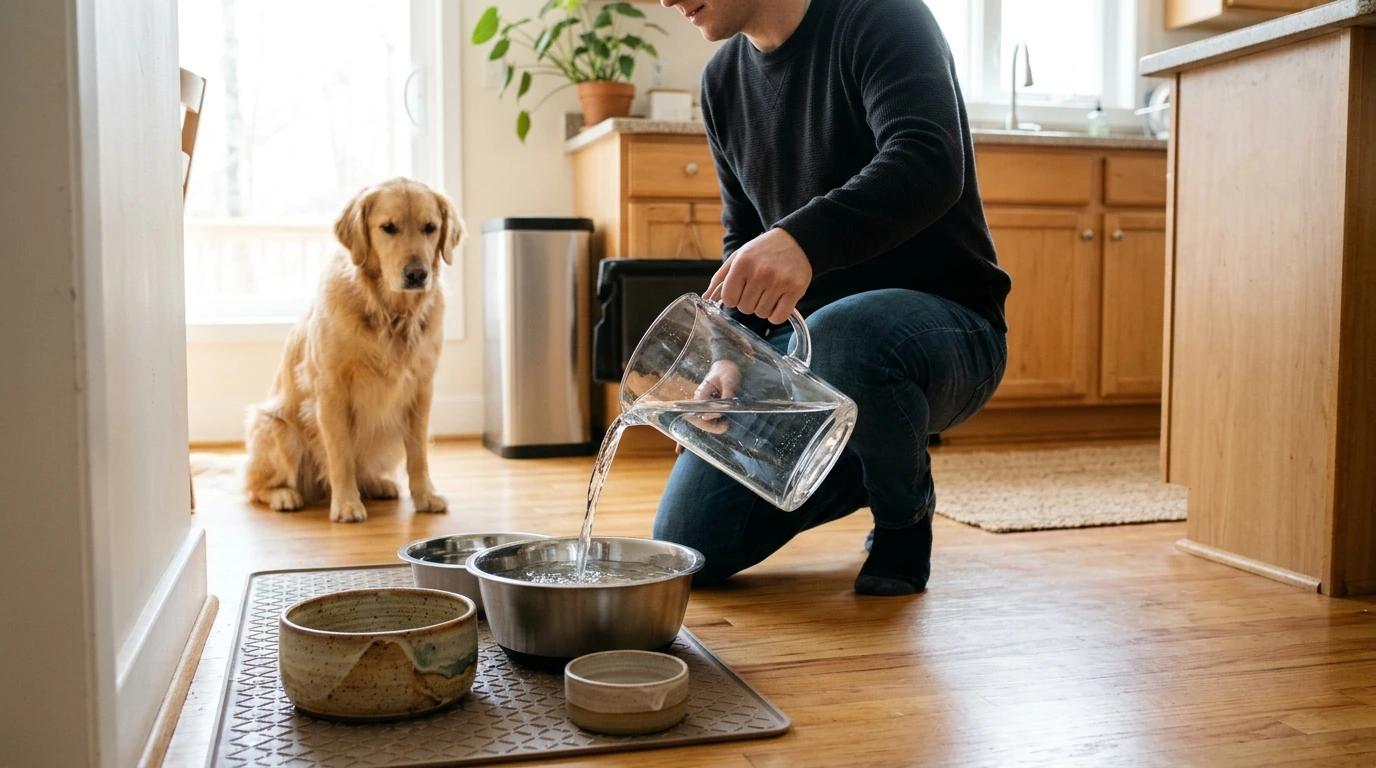
Water Bowl Management
- Multiple Bowls: Place several water bowls throughout your home, especially if you have a multi-story house or a large living space.
- Cleanliness is Key: Wash water bowls daily with soap and hot water to prevent bacterial growth and biofilm, which can deter dogs from drinking.
- Fresh Water Always: Refresh the water in bowls multiple times a day.
- Consider Water Fountains: Some dogs are enticed by the flowing water of a pet fountain, which can encourage them to drink more.
Diet and Hydration
- Incorporate Wet Food: If your dog primarily eats dry kibble, consider mixing in some high-quality wet food or adding a little water or low-sodium broth to their kibble.
- Water-Rich Treats: Offer dog-safe fruits and vegetables with high water content, such as cucumber slices or watermelon (without seeds).
Portable Water Solutions
- Travel Bowls: Always carry a portable water bowl and a bottle of water when you're out with your dog, whether for a walk, a hike, or a car ride.
- Hydration Packs: For longer excursions, consider a dog-specific hydration pack or a collapsible water bottle with an attached bowl.
Frequently Asked Questions About Canine Hydration
How do I know if my dog is drinking enough water?
Monitor their water bowl, observe their urination frequency and color, and regularly check their gums for moisture and their skin for elasticity. The general guideline is 1 ounce per pound of body weight daily, but factors like activity and weather can increase this.
Can a dog drink too much water?
Yes, excessive water intake (polydipsia) can be a sign of underlying health issues like kidney disease, diabetes, or Cushing's disease. If you notice a significant increase in your dog's thirst, consult your veterinarian.
Is tap water safe for dogs?
In most regions where tap water is safe for human consumption, it is also safe for dogs. If you drink filtered water, providing your dog with filtered water is also a good practice. Avoid giving them water from puddles, toilets, or unfamiliar outdoor sources due to potential contaminants.
What should I do if my dog refuses to drink water?
Try offering water in different bowls (material, size), adding a splash of low-sodium chicken broth, or incorporating wet food into their diet. If the refusal is persistent or accompanied by other symptoms, contact your veterinarian immediately as it could indicate an underlying health problem.
Proactive Monitoring for Your Dog's Hydration Health
Monitoring your dog's daily water intake and being vigilant for changes in their drinking habits or physical signs of dehydration is an essential aspect of responsible pet ownership. By understanding the normal parameters and recognizing the red flags, you can ensure your canine companion remains adequately hydrated, supporting their overall health and catching potential medical issues early. Regular veterinary check-ups remain critical for comprehensive health management, providing an opportunity to discuss any concerns about your dog's hydration with a professional.



Post a Comment for "Gauging Your Dog's Daily Water Intake and Spotting Dehydration Signals"