
Pinpointing Lost Cats With the Latest Mini GPS Trackers Reviewed
The sudden realization that your beloved cat is no longer within sight can trigger immediate panic. Despite their independent nature, domestic cats can easily become disoriented or wander too far, making a swift reunion critical for their safety. In 2026, advancements in miniature GPS tracking technology offer a promising solution for pet owners, providing a vital tool to locate a missing feline quickly. However, selecting and properly utilizing these devices requires careful consideration of their specifications and operational nuances.
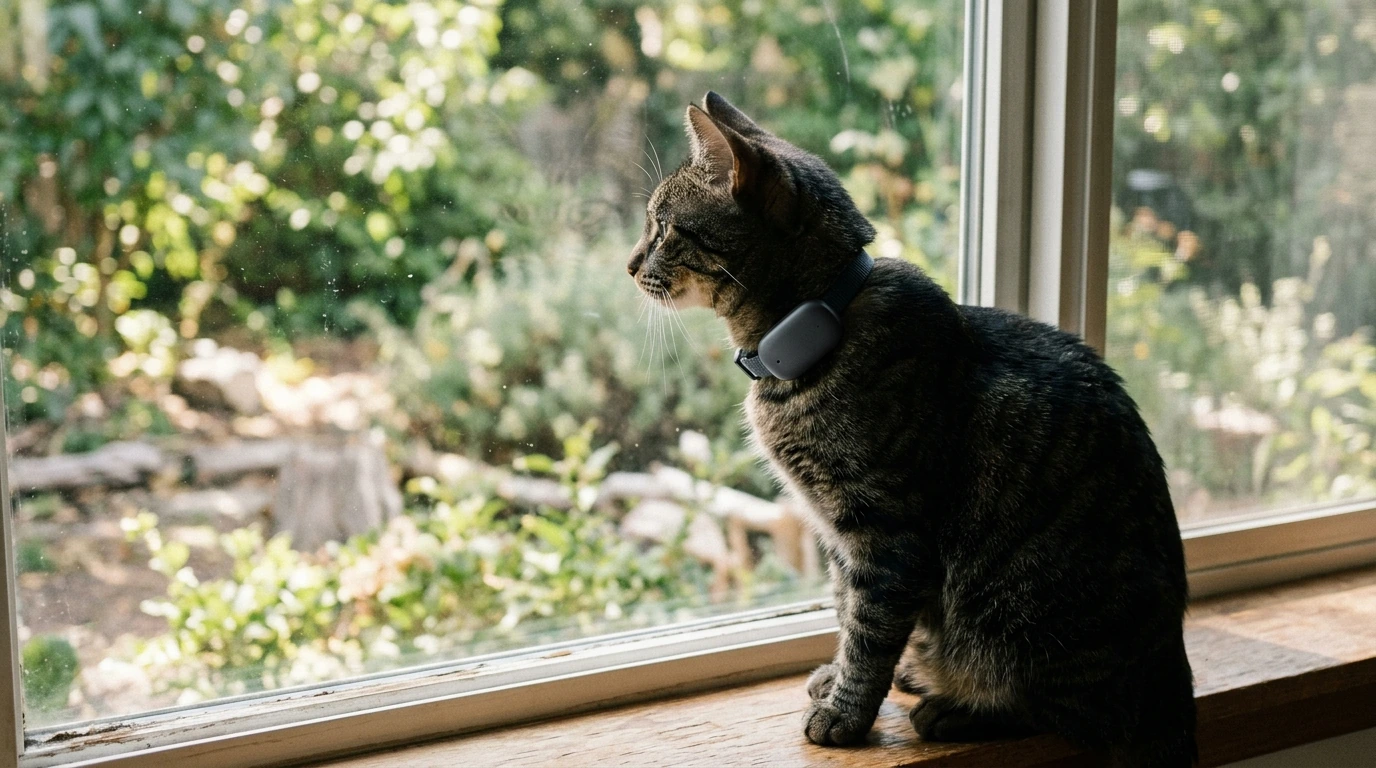
The Challenge of a Missing Feline
Cats are natural explorers, and even indoor-only felines can occasionally slip out. Once outside, unfamiliar environments, traffic, or other animals can pose significant threats. Traditional methods of searching, such as calling out or putting up posters, often prove time-consuming and inefficient, especially in urban or densely vegetated areas. A GPS tracker aims to bridge this gap, offering real-time location data that can drastically reduce search times and improve the chances of a safe recovery.
Essential Preparations for GPS Tracking
Before attaching any device to your cat, certain prerequisites and tools are necessary to ensure effective and safe operation.
Required Prerequisites:
- Stable Cellular Coverage: Most GPS trackers rely on cellular networks (2G, 4G LTE-M, or NB-IoT) to transmit location data. Verify that your intended tracking area has reliable coverage from the tracker's supported network provider.
- Smartphone or Tablet: A compatible mobile device (iOS or Android) is essential for downloading the tracker's dedicated app, managing settings, and viewing location data.
- Active Subscription Plan: GPS trackers typically require a monthly or annual subscription fee for cellular data and access to tracking services. Factor this ongoing cost into your budget.
- Charging Access: Ensure easy access to a power outlet for regular charging of the device's internal battery.
Tools Checklist:
- The chosen GPS tracker unit.
- A comfortable, breakaway safety collar designed for cats. The tracker should attach securely without impeding the breakaway mechanism.
- The tracker's charging cable (usually USB-C or proprietary).
- A small screwdriver or tool, if the tracker requires it for SIM card insertion or secure attachment.
Activating and Securing Your Cat's Tracker
Proper setup is paramount for reliable performance. Follow these steps carefully to integrate the tracker into your cat's routine.
- Charge the Device Fully: Upon unboxing, connect the tracker to its charger and allow it to reach 100% battery capacity. This ensures optimal initial performance and calibrates the battery indicator.
- Download the Companion App: Locate the official app for your specific GPS tracker on the Apple App Store or Google Play Store. Install it on your smartphone or tablet.
- Create an Account and Pair: Open the app, create a user account, and follow the on-screen instructions to pair your new GPS tracker. This usually involves scanning a QR code on the device or entering a serial number.
- Set Up Safe Zones (Geofences): Within the app, define 'safe zones' around your home or other frequent locations. The app will notify you if your cat exits or enters these predefined boundaries, providing an early warning system.
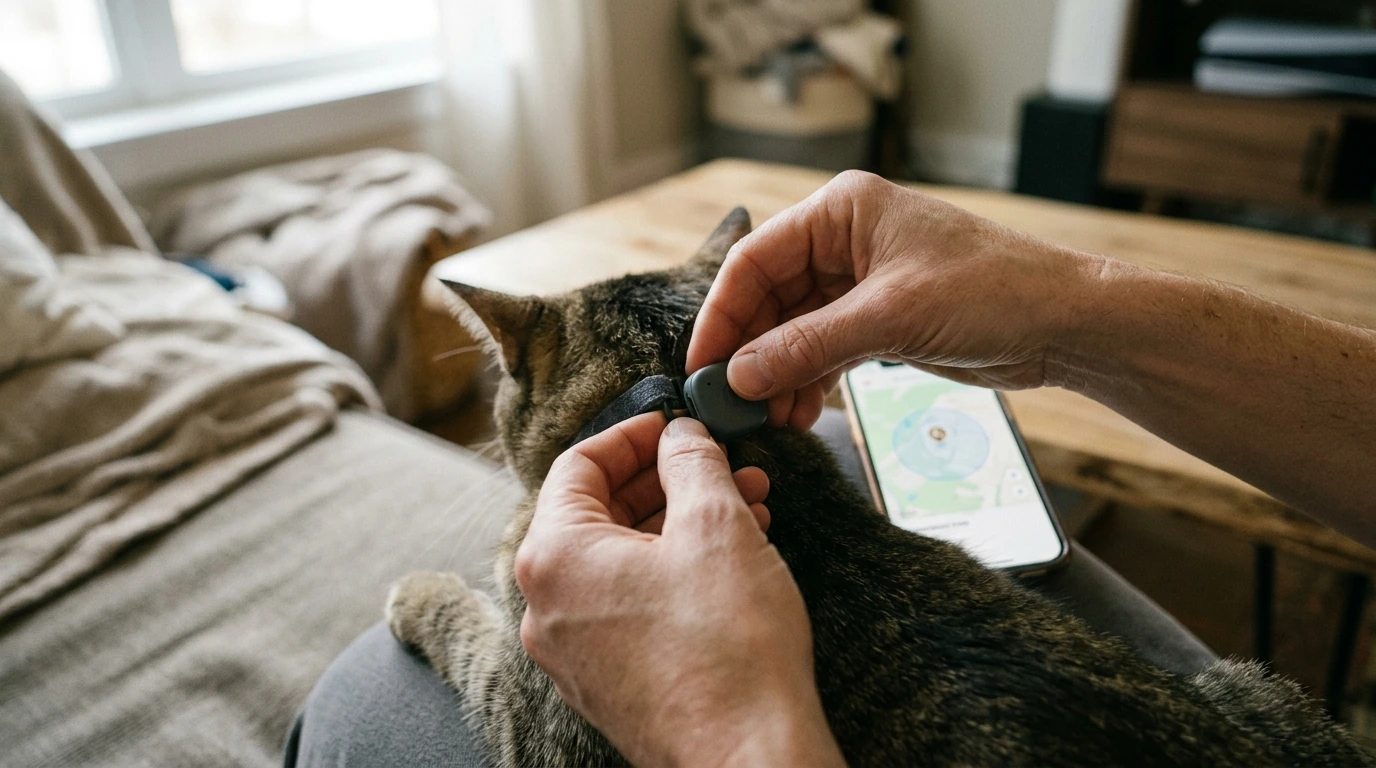
- Attach to a Safety Collar: Securely attach the GPS tracker to a cat-specific breakaway collar. Ensure the tracker is snug but not tight, and that it doesn't interfere with your cat's movement or the collar's safety release mechanism. The tracker's weight should be appropriate for your cat's size, typically under 1 ounce for most adult felines, to prevent discomfort.
- Monitor Initial Behavior: For the first few hours or days, observe your cat to ensure they are comfortable with the collar and tracker. Look for any signs of irritation or attempts to remove the device.
Key Features of Leading Mini Cat GPS Trackers (2026)
The market for cat GPS trackers has evolved, offering a range of devices with varying specifications. Understanding these can help in making an informed choice.
| Feature | Ultra-Compact Model (Typical) | Long-Battery Model (Typical) | Feature-Rich Model (Typical) |
|---|---|---|---|
| Weight (grams) | 8-15g | 20-30g | 15-25g |
| Battery Life (active tracking) | 1-3 days | 5-7 days | 3-5 days |
| Location Accuracy (meters) | 5-15m | 5-10m | 3-10m |
| Network Type | 2G/LTE-M | LTE-M/NB-IoT | LTE-M/NB-IoT |
| Water Resistance Rating | IP67 | IP67/IP68 | IP67/IP68 |
| Activity Monitoring | Basic steps | Basic steps/sleep | Advanced activity/sleep/health metrics |
| Sound/Light Feature | No | Limited | Yes (for close-range finding) |
PRO TIP: Prioritize Battery Life for Roaming Cats
While ultra-compact trackers are appealing, consider a model with a longer reported battery life if your cat frequently roams or if you live in an area where charging opportunities might be infrequent. A tracker that runs out of power when you need it most offers no benefit.
Navigating Common Tracker Issues
Even with advanced technology, users may encounter challenges. Awareness of these common pitfalls can help prevent frustration and ensure consistent performance.
- Poor GPS Signal in Dense Areas: GPS signals can be obstructed by tall buildings, thick foliage, or indoors. Trackers may switch to Wi-Fi or cellular triangulation in these scenarios, which can reduce accuracy.
- Battery Drain: Frequent location updates, low signal strength requiring the device to work harder, or extreme temperatures can significantly reduce battery life below advertised specifications.
- Subscription Lapses: Forgetting to renew the subscription plan will render the tracker inoperable, as it relies on cellular data for communication.
- Attachment Issues: An improperly secured tracker can fall off, or if too tight, cause discomfort or injury to your cat. Ensure the collar is a breakaway type to prevent strangulation if caught.
- Network Compatibility: Some older trackers may rely on 2G networks, which are being phased out in many regions. Always verify the tracker's network compatibility with your local infrastructure for long-term usability.
Scottish Fold Felines: A Deep Dive into Breed Characteristics and Joint Health Coverage →
Confirming Tracker Functionality
After initial setup and periodically throughout its use, it's crucial to verify the tracker is working as intended.
Post-Implementation Verification Checklist:
- Check Battery Status Regularly: Make it a habit to check the app for the tracker's battery level daily, especially before your cat goes outdoors. Most apps provide real-time battery percentages.
- Verify Location Accuracy: Periodically take your cat for a short walk outdoors with the tracker on. Open the app and compare the reported location to your actual position to gauge its accuracy.
- Test Geofence Alerts: Intentionally take your cat (with the tracker) outside a defined safe zone to confirm that you receive the expected alert notifications on your phone.
- Review Location History: Utilize the app's location history feature to see if the tracker is consistently recording data and if the movement patterns align with your cat's known habits.
- Inspect Physical Attachment: Regularly check the collar and tracker for signs of wear, damage, or loose attachment. Ensure the breakaway mechanism of the collar is still functional.
- Confirm Subscription Status: Make sure your subscription is active and set for auto-renewal to avoid any service interruptions.



Post a Comment for "Pinpointing Lost Cats With the Latest Mini GPS Trackers Reviewed"