
Before You Panic About Cat Poop Recognizing Healthy Stool and Warning Signs
Do you know what a healthy cat's stool should truly look like? Understanding the nuances of your feline companion's waste provides a critical window into their overall health and digestive well-being.
The Ideal Feline Stool Profile: Color, Shape, and Consistency
A healthy cat's stool offers a clear snapshot of their digestive system functioning optimally. As a veterinarian, I advise owners to familiarize themselves with these key characteristics:
Optimal Color Range
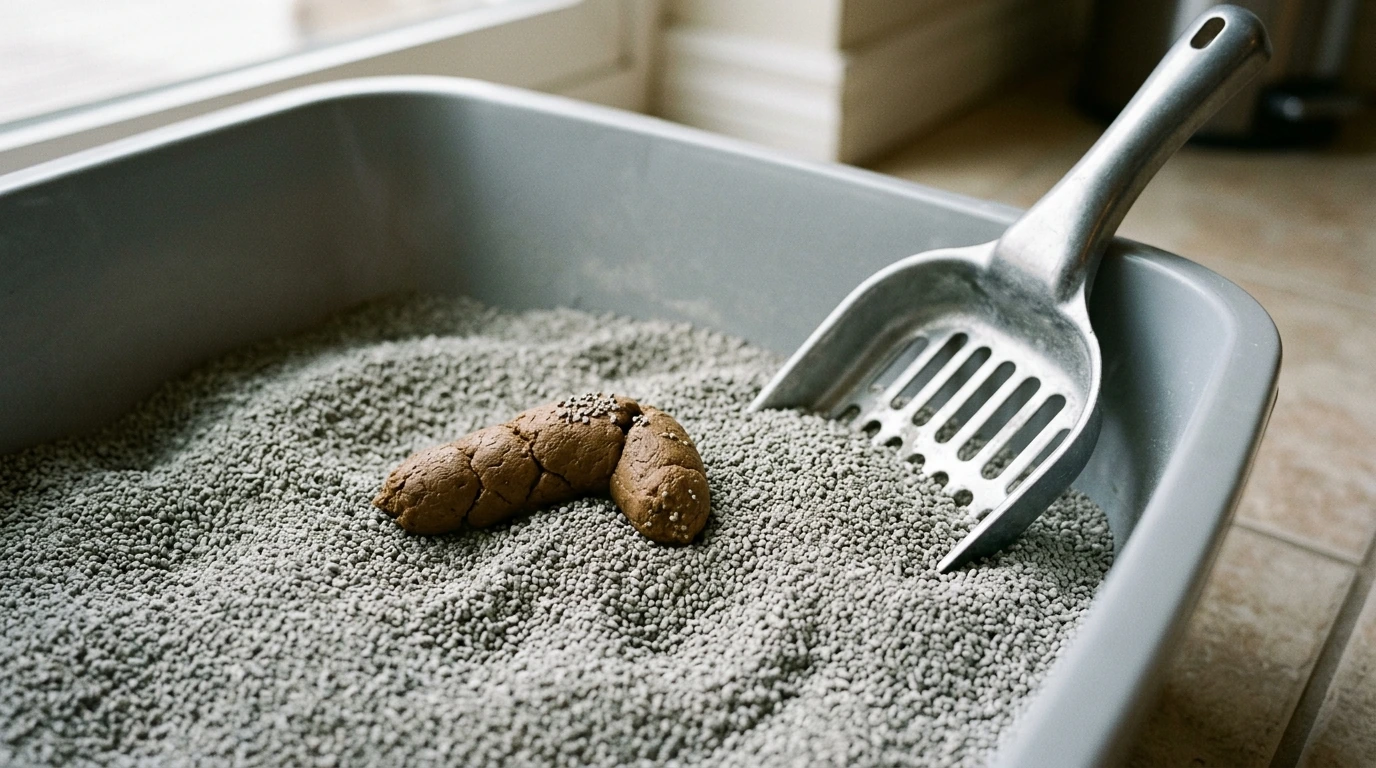
The gold standard for cat poop color is typically a medium to dark brown. This coloration indicates a normal digestion process, where bile has been properly processed and absorbed. Variations in diet can sometimes cause slight shifts, for instance, a cat eating food with higher iron content might have slightly darker stools. However, dramatic color changes are often significant.
Expected Shape and Formation
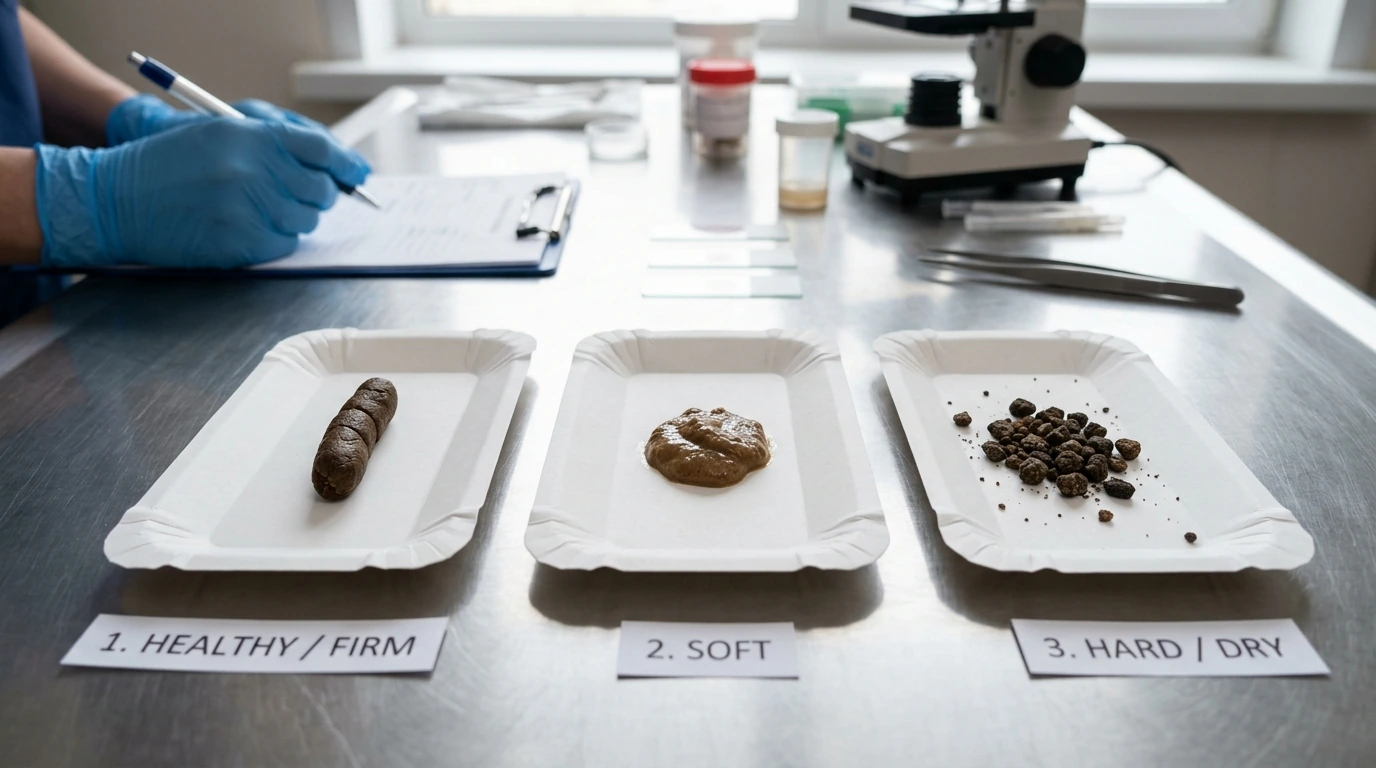
Healthy cat stool should be well-formed, resembling a small log or segmented sausage. It should hold its shape when scooped and not crumble easily or appear as separate, hard pellets. This uniform shape suggests appropriate transit time through the digestive tract.
Ideal Consistency and Texture
The texture should be firm but pliable, similar to modeling clay. It shouldn't be too hard or crumbly, nor should it be mushy, watery, or shapeless. When scooped, it should leave minimal residue in the litter box.
Understanding Variations: What Minor Changes Can Mean
It's natural for a cat's stool to exhibit minor variations from time to time, and not every slight deviation signals an emergency. These subtle shifts often correlate with daily factors:
- Dietary Adjustments: A sudden change in food type or brand can temporarily alter stool consistency or color as the digestive system adapts. Introducing new foods gradually over 7-10 days is always recommended to mitigate such changes.
- Hydration Levels: Cats who are slightly dehydrated may produce firmer, drier stools, while those with increased water intake might have slightly softer ones. Ensure your cat always has access to fresh, clean water.
- Stress or Anxiety: Just like humans, cats can experience gastrointestinal upset due to stress. A new environment, a change in routine, or the introduction of a new pet can manifest as temporary loose stools.
- Medications or Supplements: Certain medications or dietary supplements can impact digestion and stool appearance. Always discuss potential side effects with your veterinarian when starting new treatments.
Critical Warning Signs in Cat Poop That Demand Attention
While minor variations are common, certain changes in your cat's stool are red flags that warrant immediate veterinary consultation. Ignoring these signs could delay critical treatment for underlying health issues.
Concerning Color Changes
- Black or Tarry: This often indicates digested blood from the upper gastrointestinal tract, a serious sign that requires urgent veterinary attention.
- Red Streaks or Spots: Fresh blood usually points to bleeding in the lower GI tract, potentially from colitis, polyps, or anal gland issues.
- Green: Can signify rapid transit of food, poor fat absorption, or gallbladder issues. It might also be from eating grass or specific food dyes.
- Yellow or Orange: Often associated with liver or gallbladder problems, or malabsorption.
- White or Gray: Very pale, chalky stools can indicate a lack of bile production or blockage of bile ducts, which is a serious concern for liver health.
Concerning Consistency Changes
- Watery Diarrhea: Liquid stool indicates severe intestinal upset, dehydration risk, and potential infections or inflammatory bowel disease.
- Hard, Dry Pellets: This is a clear sign of constipation, which can be painful and lead to more severe issues if not addressed.
- Mucus: Slimy, jelly-like coating can suggest inflammation in the colon.
Unusual Contents
- Worms or Parasites: Visible worms (roundworms, tapeworm segments) or eggs indicate a parasitic infection.
- Foreign Objects: Any non-food items, such as string, plastic, or fabric, signal that your cat has ingested something potentially dangerous.
- Undigested Food: If you consistently see large pieces of undigested food, it could point to maldigestion or rapid transit.
PRO VET TIP: Consistent Monitoring is Key
Always scoop your cat's litter box daily. This routine not only keeps their environment clean but also provides a crucial opportunity to observe any changes in their stool. Early detection of issues can significantly improve treatment outcomes.
Here’s a quick reference table for identifying healthy versus potentially problematic cat stools:
| Characteristic | Healthy Stool | Warning Signs |
|---|---|---|
| Color | Medium to dark brown | Black/tarry, red streaks, bright green, yellow, white/gray |
| Shape | Well-formed, log-like, segmented | Shapeless blobs, hard pellets, liquid |
| Consistency | Firm but pliable (like modeling clay) | Watery, mushy, rock-hard, crumbly |
| Contents | No visible foreign material | Worms, foreign objects, excessive mucus, undigested food |
| Odor | Noticeable but not overwhelmingly foul | Extremely pungent or unusually sweet smell |
When to Seek Veterinary Advice
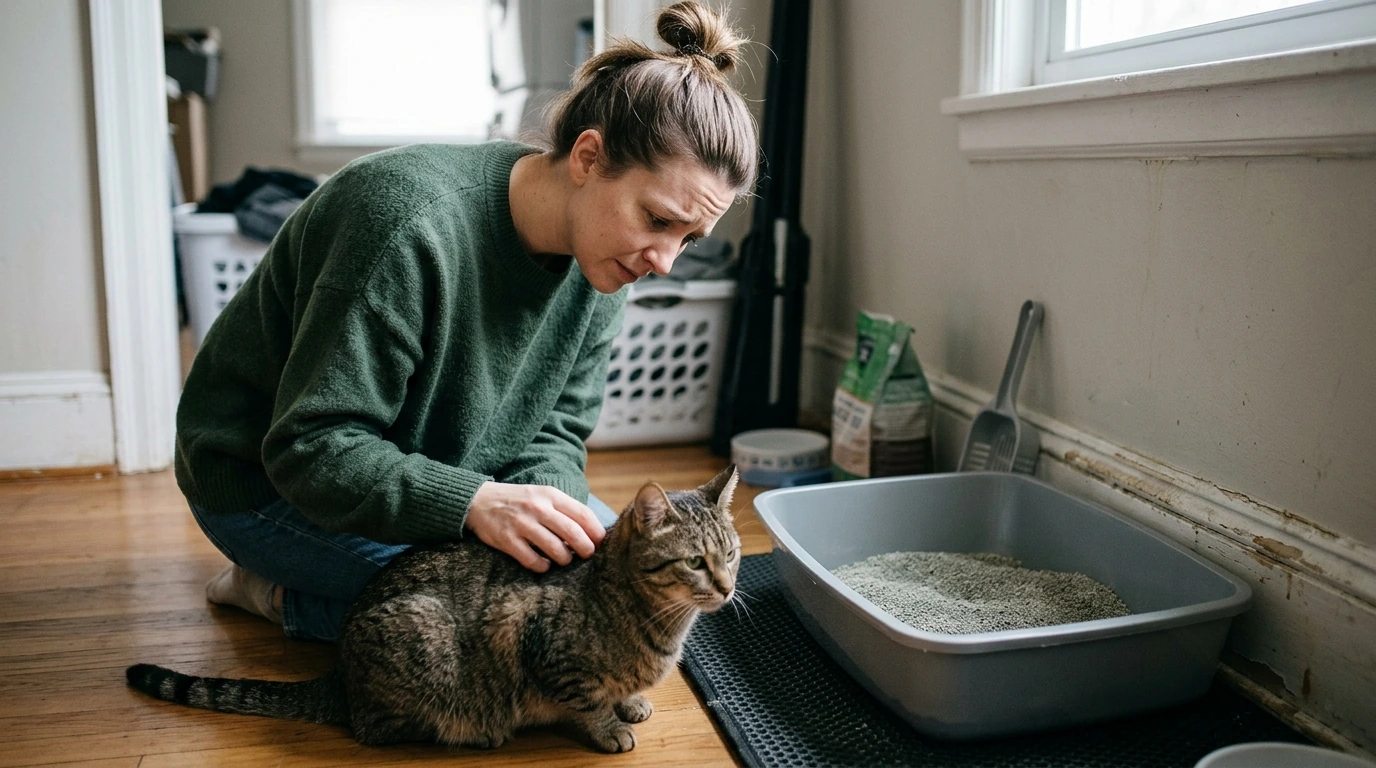
While occasional minor changes might resolve on their own, it's crucial to know when to consult a professional. Always contact your veterinarian if you observe:
- Any of the critical warning signs mentioned above that persist for more than 24-48 hours.
- Stool changes accompanied by other symptoms such as vomiting, lethargy, loss of appetite, weight loss, increased thirst, or changes in urination.
- Signs of pain or straining during defecation.
- Repeated episodes of diarrhea or constipation.
- Any visible blood in the stool, regardless of color.
Early intervention can prevent minor issues from escalating into serious health crises, ensuring your cat receives the best possible care in 2026 and beyond.
Frequently Asked Questions About Cat Poop
- How often should a healthy cat poop?
- Most healthy adult cats typically poop once or twice a day. Kittens and some older cats might go more frequently. Consistency is more important than exact frequency, but significant changes warrant attention.
- Can diet affect cat poop color?
- Yes, dietary changes can influence stool color. For example, foods with specific dyes or high iron content might cause slight variations. However, extreme color changes (like black, red, or white) are usually indicative of health issues, not just diet.
- What should I do if my cat has diarrhea?
- If your cat has diarrhea, especially if it's watery, frequent, or accompanied by other symptoms like vomiting or lethargy, contact your veterinarian immediately. Diarrhea can quickly lead to dehydration and other complications in cats.
- Is it normal to see hair in cat poop?
- Small amounts of hair in your cat's stool, especially if they are long-haired or shedding, are generally normal as cats groom themselves. However, large amounts or hairballs in the stool could indicate excessive grooming or digestive issues.
Avoiding Pitfalls: Essential Considerations Before Investing in a GPS Tracker for Your Feline →
Your Cat's Health, One Scoop at a Time
Regularly monitoring your cat's litter box is more than just a chore; it's a proactive step in preventive healthcare. By understanding the characteristics of healthy cat poop and recognizing the early warning signs of trouble, you empower yourself to act swiftly when your feline friend needs help. Your vigilance ensures they live a happier, healthier life, offering peace of mind to both you and your beloved companion.



Post a Comment for "Before You Panic About Cat Poop Recognizing Healthy Stool and Warning Signs"