
Scottish Fold Felines: A Deep Dive into Breed Characteristics and Joint Health Coverage
Key Takeaways
- Scottish Folds are known for their distinctive folded ears and gentle temperament.
- The folded ear gene is linked to osteochondrodysplasia, a condition affecting cartilage and bone development.
- Proactive joint care, including diet and supplements, is crucial for managing their health.
- Specialized pet insurance plans offering robust orthopedic coverage are highly recommended for this breed.
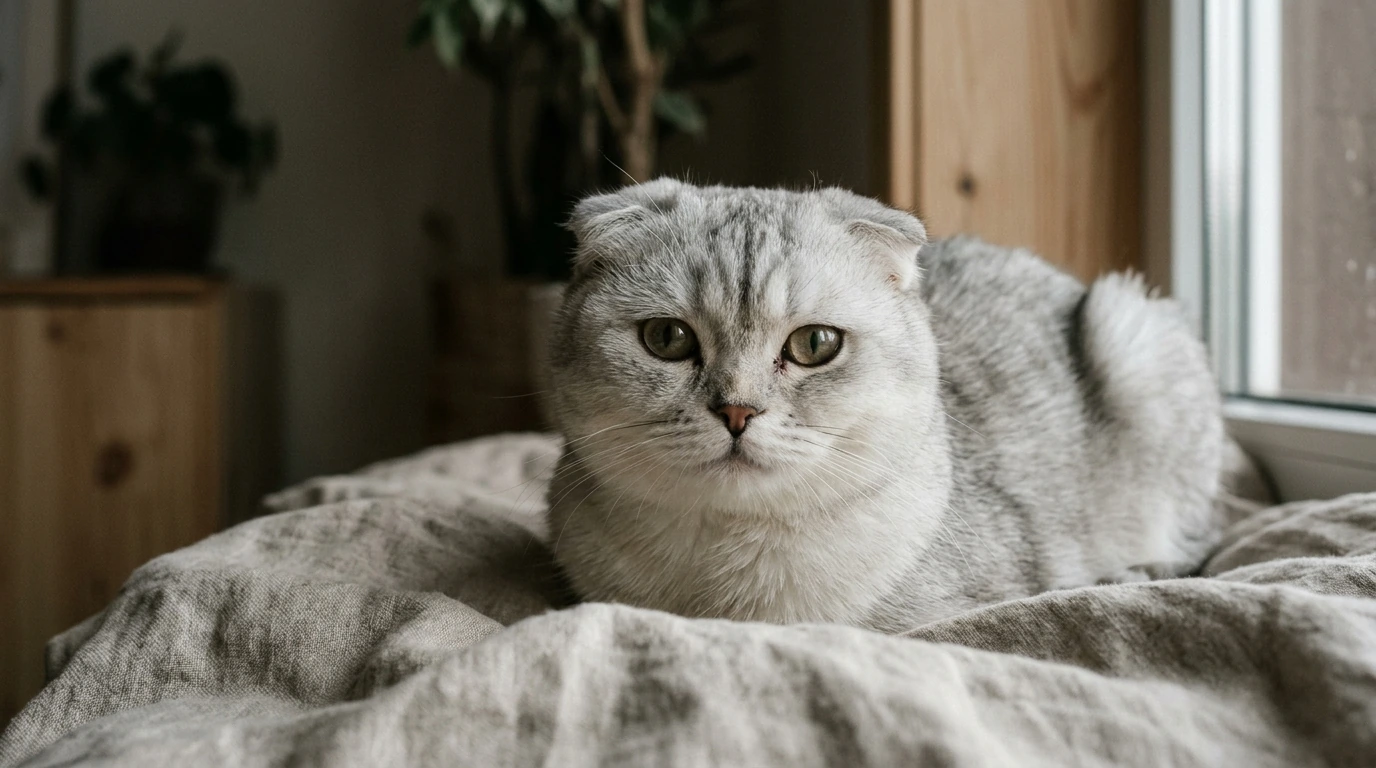
The allure of the Scottish Fold cat, with its captivating owl-like face and endearing folded ears, has made it a beloved companion for many. Originating from a spontaneous genetic mutation in Scotland, this breed possesses a unique charm that sets it apart. However, the very genetic trait responsible for their distinctive ear structure also carries a significant health implication that prospective and current owners must understand: a predisposition to a degenerative joint disease.
Ensuring the well-being of a Scottish Fold requires a commitment to understanding their specific needs, particularly concerning skeletal health. This guide provides an in-depth look at the breed's characteristics, the underlying health challenges, and practical steps for proactive care, including a critical examination of pet insurance options for their unique medical requirements.
Understanding the Breed's Unique Appeal
Scottish Folds are celebrated for more than just their ears; their temperament contributes significantly to their popularity. These felines are typically described as sweet, intelligent, and highly adaptable, often forming strong bonds with their human companions. They enjoy interactive play but are equally content to observe from a comfortable perch or curl up for a nap. Their vocalizations are generally soft, and they are not typically demanding, making them suitable for various living environments, including apartments.
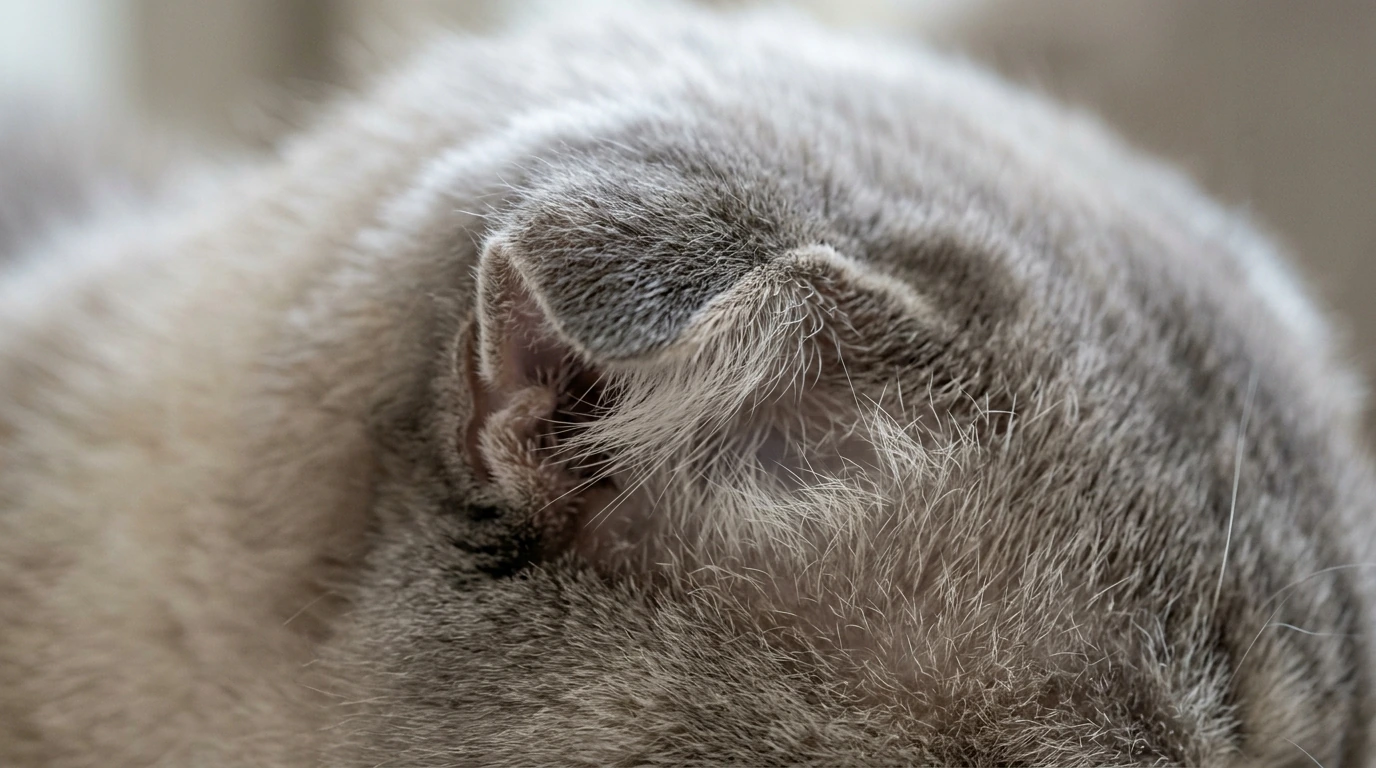
Physically, beyond the folded ears, Scottish Folds are medium-sized cats with a sturdy build, round faces, and large, expressive eyes that contribute to their characteristic 'sweet' expression. Their coats can vary in length and color, adding to their diverse visual appeal. The degree of ear folding can also vary, from a single fold to a triple fold that lies flat against the head, giving the impression of a cap.
The Genetic Basis of Joint Concerns
The defining characteristic of the Scottish Fold—its folded ears—is caused by a dominant gene mutation that affects cartilage development. This same gene, however, also predisposes the breed to a condition known as osteochondrodysplasia (SFOCD). SFOCD is a degenerative joint disease that affects cartilage and bone throughout the body, not just in the ears. It can lead to abnormal bone growth, particularly in the limbs, tail, and spine, resulting in pain, stiffness, and reduced mobility.
Reports indicate that all Scottish Folds, regardless of whether they have single, double, or triple folds, carry the gene for SFOCD. The severity of the condition can vary widely, with some cats showing minimal signs while others develop debilitating lameness. Ethical breeding practices dictate that Scottish Folds should only be bred with outcrosses (such as British Shorthairs or American Shorthairs) to produce heterozygous offspring, which are less likely to express severe forms of SFOCD compared to homozygous Folds (Fold-to-Fold pairings, which are universally condemned due to the high likelihood of severe disease).
Proactive Joint Health Management
Managing the joint health of a Scottish Fold involves a multi-faceted approach focused on early detection, symptom management, and supportive care. While there is no cure for SFOCD, its progression can often be slowed, and comfort improved, through diligent intervention.
Essential Steps for Ongoing Care:
- Regular Veterinary Check-ups: Schedule annual or bi-annual visits to monitor joint health. Your veterinarian may recommend X-rays to assess bone changes, even in seemingly asymptomatic cats.
- Weight Management: Maintaining an ideal body weight is paramount. Excess weight places additional stress on already compromised joints, exacerbating pain and accelerating degeneration.
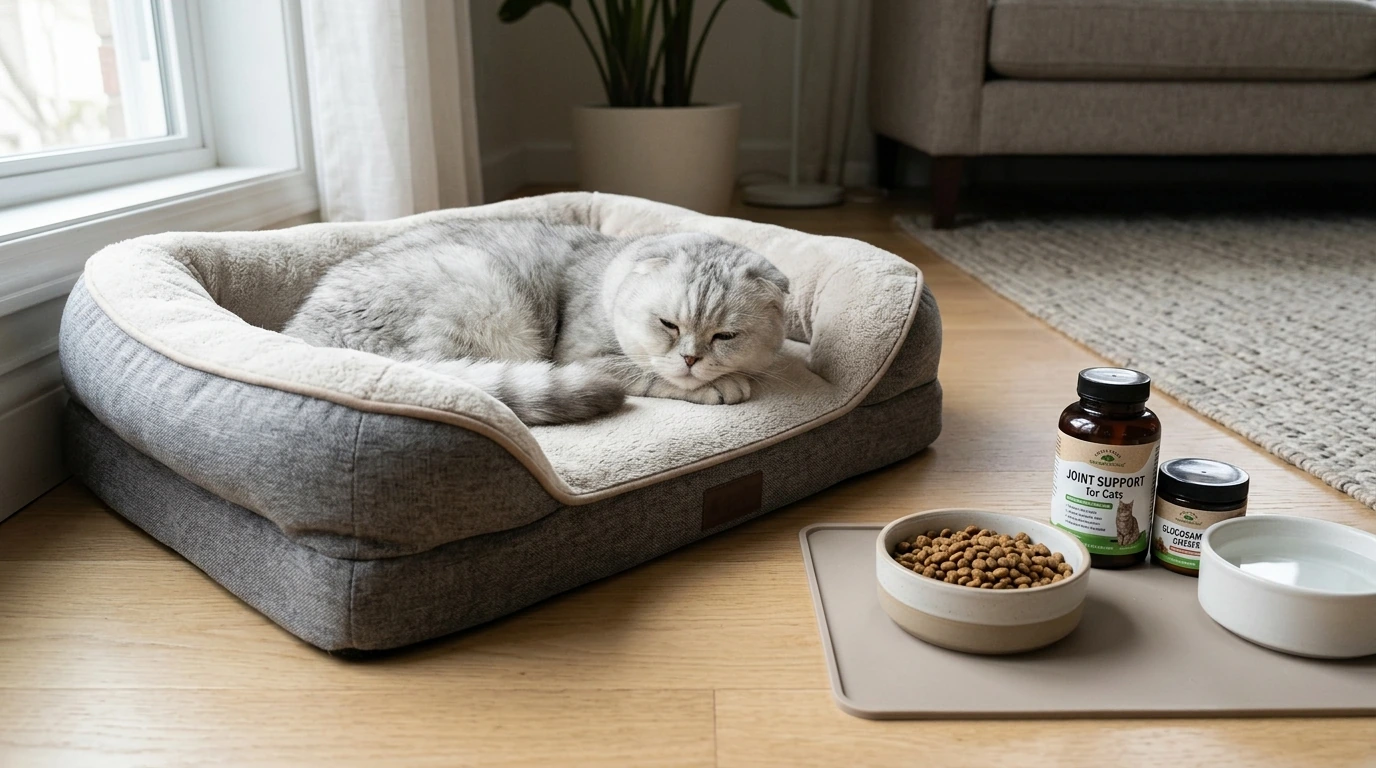
- Nutritional Support: Discuss with your vet specific diets formulated for joint health, often enriched with omega-3 fatty acids, glucosamine, and chondroitin. These ingredients are commonly reported to support cartilage health and reduce inflammation.
- Supplements: Veterinary-approved joint supplements containing ingredients like MSM, green-lipped mussel, or hyaluronic acid can be beneficial. Always consult your vet before introducing any new supplements.
- Environmental Modifications: Provide soft, comfortable bedding, ramps or steps to aid access to elevated areas, and ensure litter boxes have low sides to prevent painful stretching or jumping.
- Gentle Exercise: Encourage low-impact activity through play to maintain muscle strength and joint flexibility without overexertion. Avoid activities that involve high jumps or sudden impacts.
Common Pitfalls to Avoid:
- Ignoring Subtle Signs: Scottish Folds are stoic and may hide pain. Watch for reduced activity, reluctance to jump, stiffness after rest, changes in gait, or unusual postures.
- Self-Medicating: Never administer human pain relievers or unapproved supplements without veterinary guidance, as many can be toxic to cats.
- Over-Exercising: While exercise is good, excessive or high-impact play can worsen joint damage.
- Delaying Veterinary Consultation: Early intervention is key to managing SFOCD. Do not wait for severe lameness to seek professional advice.
Navigating Pet Insurance for Orthopedic Conditions
Given the breed's genetic predisposition to joint issues, securing comprehensive pet insurance is a prudent decision for Scottish Fold owners. Medical treatments for SFOCD, including diagnostics, pain management, and potential surgeries in severe cases, can accumulate substantial costs over a cat's lifetime.
Key Considerations for Coverage:
- Hereditary and Congenital Conditions: Ensure the policy explicitly covers hereditary or congenital conditions. Some plans have exclusions or longer waiting periods for these.
- Orthopedic Coverage: Look for plans with robust coverage for orthopedic issues, including diagnostics (X-rays, MRI), pain medications, physical therapy, and specialist consultations.
- Chronic Condition Coverage: SFOCD is a chronic condition. Verify that the policy offers lifetime or long-term coverage for chronic illnesses, rather than limiting benefits per incident.
- Waiting Periods: Be aware of waiting periods, especially for orthopedic conditions, which can sometimes be longer than for accidents. Enrolling a kitten early can help mitigate issues with pre-existing conditions.
Comparative Overview of Sample Orthopedic Coverage Plans (2026 Estimates):
Note: These are illustrative figures based on widely reported typical coverage structures in 2026 and should not be taken as exact quotes. Actual policy terms, deductibles, reimbursement rates, and limits vary significantly by provider and individual plan.
| Feature | Standard Accident & Illness Plan (Tier 1) | Enhanced Orthopedic Plan (Tier 2) | Premium Comprehensive Plan (Tier 3) |
|---|---|---|---|
| Hereditary/Congenital Coverage | Often limited or specific exclusions | Included with specific conditions | Fully included, broad coverage |
| Orthopedic Diagnostics (X-rays, MRI) | Covered up to annual limit | Generous coverage, higher limits | Extensive coverage, high limits |
| Physical Therapy/Rehab | Often an add-on or limited | Included, specific session limits | Fully included, generous limits |
| Specialist Consultations | Covered as part of illness | Covered, often without extra limits | Comprehensive specialist coverage |
| Annual Payout Limit (Typical) | $5,000 - $10,000 | $10,000 - $20,000 | Unlimited or $20,000+ |
| Monthly Premium (Estimate) | $30 - $50 | $50 - $80 | $80 - $120+ |

Verifying Ongoing Comfort and Mobility
Regularly assessing your Scottish Fold's comfort and mobility is a key part of their care. A simple verification checklist can help you stay attuned to their needs:
Post-Implementation Health Check:
- Gait Observation: Does your cat walk, run, and jump smoothly, or do you notice any stiffness, limping, or hesitation?
- Activity Levels: Has there been a noticeable decrease in playfulness, exploration, or willingness to use cat trees?
- Posture: Does your cat sit or lie in unusual positions? A 'Buddha position' (sitting with hind legs stretched forward) can sometimes indicate discomfort.
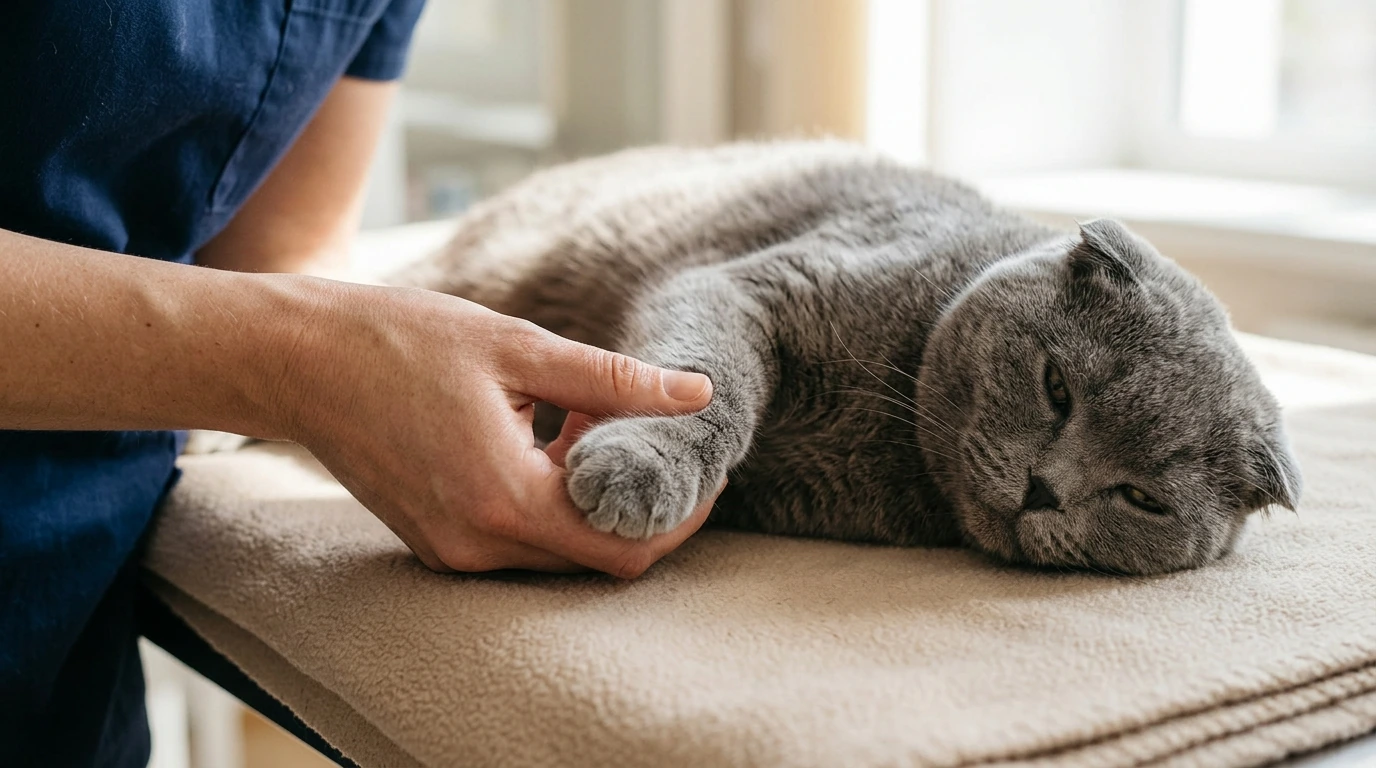
- Tail and Paws: Gently palpate the tail and paws. Are they flexible, or do they feel stiff or swollen? Any vocalization of pain?
- Appetite and Grooming: Changes in appetite or a reduction in self-grooming can be subtle indicators of pain or discomfort.
- Interaction: Is your cat still interacting with you and other household members as usual, or are they withdrawing?
Any consistent 'yes' to these questions warrants a veterinary consultation. Prompt action can significantly improve your cat's quality of life.
Frequently Asked Questions About Scottish Fold Health
Q: Can Scottish Folds live a normal lifespan despite SFOCD?
A: Yes, with proper care and management, many Scottish Folds can live full and happy lives. Early diagnosis and consistent veterinary attention, including pain management and supportive therapies, are crucial for their long-term well-being.
Q: Are all Scottish Folds guaranteed to develop severe joint problems?
A: Not all Scottish Folds develop severe, debilitating symptoms. The expression of SFOCD can vary from mild to severe. Ethical breeding practices, focusing on outcrossing, aim to minimize the severity of the condition in offspring. However, all Folds carry the gene and are at risk.
Q: What kind of environment is best for a Scottish Fold with joint issues?
A: A comfortable, low-impact environment is ideal. This includes soft bedding, easy access to food, water, and litter boxes (low sides are helpful), and ramps or steps to help them reach favorite high spots without strenuous jumping. Keeping their environment warm can also help with joint stiffness.
Final Thoughts: A Commitment to Lifelong Wellness
The Scottish Fold is a truly captivating breed, offering companionship and joy to those who welcome them into their homes. Their unique appearance comes with a specific health responsibility, particularly regarding joint care. By understanding the genetic predispositions, implementing proactive health management strategies, and securing appropriate pet insurance, owners can provide their Scottish Folds with the best possible chance for a comfortable and fulfilling life. A commitment to their unique needs ensures that these charming felines can thrive for many years to come.



Post a Comment for "Scottish Fold Felines: A Deep Dive into Breed Characteristics and Joint Health Coverage"