
Choosing a GPS Cat Tracker? Most Fall Short of Expectations
For many cat guardians, the thought of a beloved feline wandering too far from home is a constant worry. The market is saturated with GPS pet trackers promising peace of mind, yet navigating these options to find one that truly delivers reliable performance can be an exercise in frustration. Many devices fall short of expectations, leaving owners with unreliable data, poor battery life, or uncomfortable hardware. The critical evaluation of these devices reveals that only a select few meet the rigorous demands of tracking an agile and independent cat.
Understanding the Real Challenge of Feline Tracking
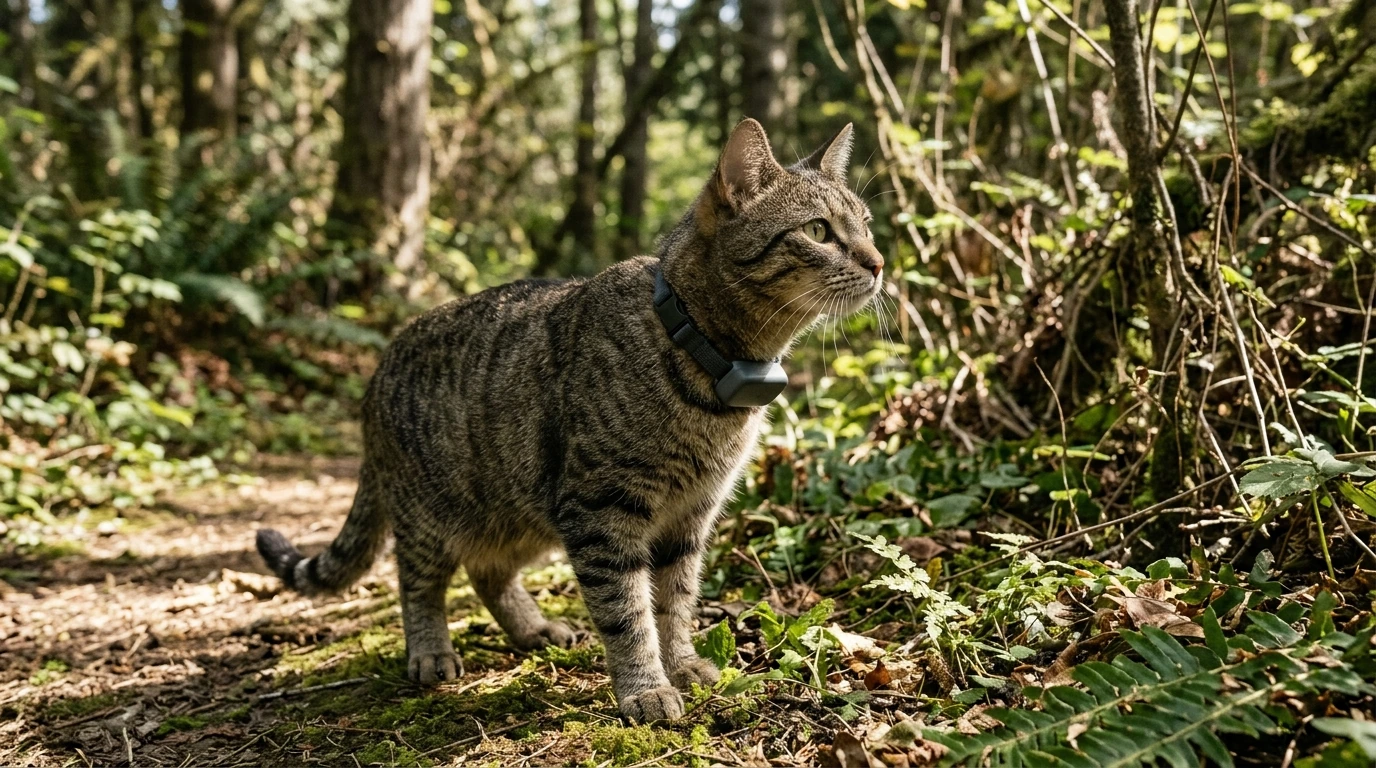
Cats present unique challenges for GPS tracking compared to dogs. Their smaller size, agility, and penchant for exploring tight spaces or climbing high demand a tracker that is lightweight, durable, and exceptionally accurate. Moreover, the device must be comfortable enough for a cat to wear consistently without irritation or obstruction, ideally integrated with a safe breakaway collar. The fundamental problem with many trackers lies in a compromise between size, battery life, and tracking precision, often failing to excel in all areas.
Required Prerequisites and Tools Checklist:
- Stable Cellular Coverage: The tracker relies on a cellular network (e.g., 2G, 4G LTE-M) to transmit location data. Verify strong signal strength in your cat's typical roaming areas.
- Smartphone with Companion App: A compatible iOS or Android device is essential for setting up, monitoring, and managing the tracker.
- Reliable Wi-Fi Network: Many trackers utilize Wi-Fi for enhanced indoor accuracy and battery saving when your cat is home.
- Appropriate Breakaway Collar: A collar designed to release under pressure is non-negotiable for cat safety, preventing strangulation if the collar gets snagged.
- Consistent Charging Routine: GPS trackers, especially smaller ones, require regular charging. Establish a daily or bi-daily charging habit.
- Understanding of Cat's Habits: Knowing your cat's typical roaming patterns helps in setting effective geofences and understanding tracking data.
Key Factors in Evaluating a Cat GPS Tracker
When selecting a GPS tracker for your feline companion, a methodical approach to evaluation is crucial. Focusing on these specific attributes will help distinguish truly effective devices from those that merely offer a false sense of security.
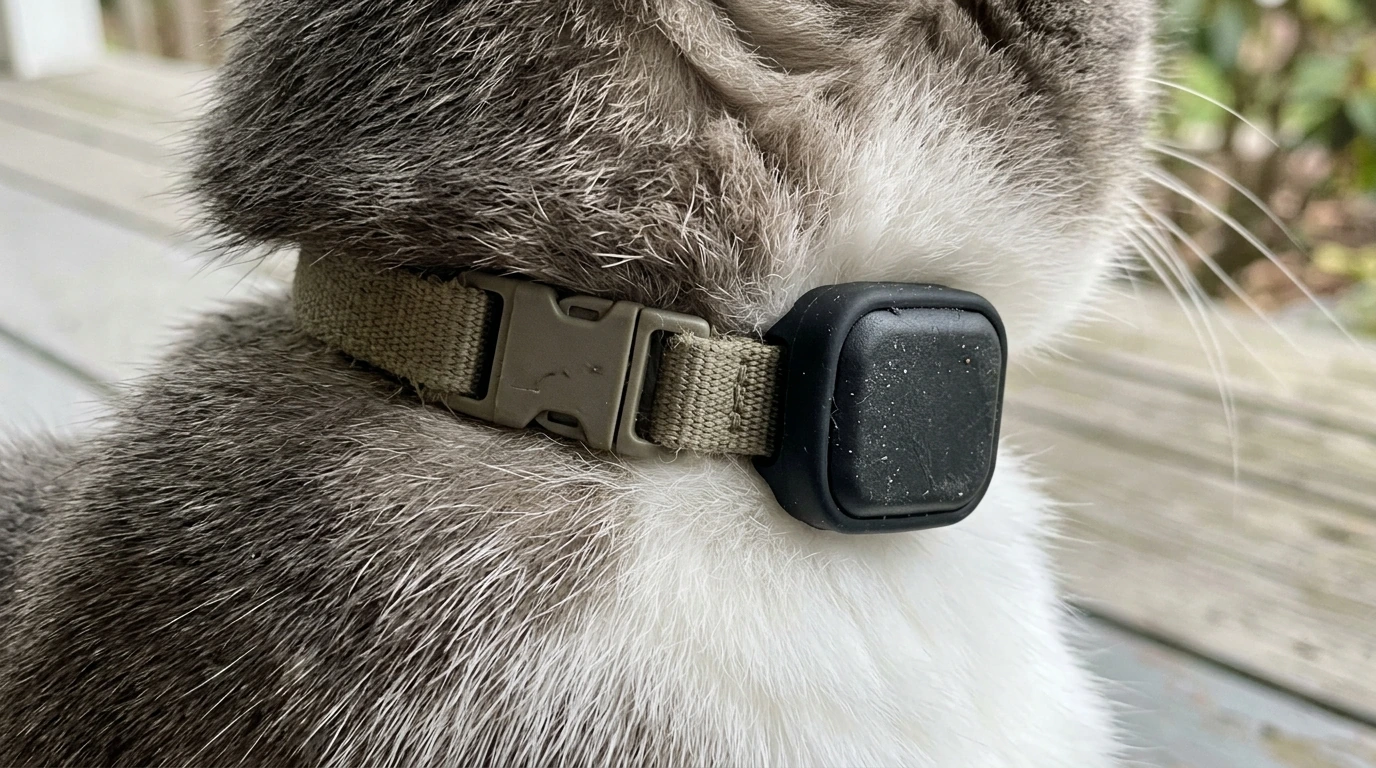
- Assessing Device Specifications for Feline Comfort and Safety: The tracker's physical attributes are paramount. A device should ideally weigh no more than 0.7 to 1 ounce (20-28 grams) for an average adult cat to ensure comfort without impeding movement. Look for a sleek, low-profile design that minimizes snagging risks. Compatibility with a quick-release or breakaway collar is a critical safety feature; never attach a fixed-loop tracker to a cat's neck.
- Evaluating Location Accuracy and Network Reliability: Effective cat trackers combine multiple positioning technologies: GPS for outdoor accuracy, Wi-Fi for improved indoor tracking and battery efficiency, and sometimes Bluetooth for short-range proximity. A refresh rate of 10-30 seconds when in active tracking mode is generally considered acceptable for quickly locating a moving cat. Verify the cellular network type (e.g., 4G LTE-M) for broad, reliable coverage, as older 2G networks are being phased out in many regions.
- Scrutinizing Battery Life and Charging Practicality: Advertised battery life often represents ideal conditions. For continuous tracking, a realistic battery life of at least 2-3 days between charges is preferable. Consider the charging method – magnetic connectors are often easier than micro-USB ports on small devices. Rapid charging capabilities can also be a significant convenience.
- Decoding Subscription Models and Associated Costs: Most GPS trackers require a monthly or annual subscription fee for cellular data and access to tracking services. Review the tiered plans carefully; some offer basic tracking while others include activity monitoring, extended location history, and family sharing. Ensure the cost aligns with the features you genuinely need.
- User Interface and App Functionality: A well-designed, intuitive smartphone app is crucial. Look for features like customizable geofencing (virtual safe zones), real-time live tracking, location history, and activity monitoring (if desired). Alerts for leaving/entering geofences, low battery, or device detachment should be clear and timely.
- Durability and Water Resistance Ratings: Cats are adventurous, so the tracker must withstand various conditions. An IP67 or IP68 rating indicates strong dust and water resistance, protecting against rain, splashes, and even brief submersion. Impact resistance for drops and bumps is also a valuable consideration.
- Customer Support and Warranty Provisions: Research the manufacturer's reputation for customer service. A responsive support team and a clear warranty policy (typically 1-2 years) provide reassurance should issues arise with the device or service.
Avoiding Common Missteps When Choosing a Tracker
Despite the best intentions, several common errors can lead to dissatisfaction with a GPS cat tracker. Being aware of these pitfalls can save time, money, and potential frustration.
- Ignoring Device Weight and Size: A tracker too heavy or bulky for a cat can cause discomfort, skin irritation, or even lead the cat to try and remove the collar, potentially losing the device. Always prioritize lightweight, compact designs.
- Overlooking Subscription Costs: The initial purchase price is only part of the investment. Failing to account for recurring monthly or annual subscription fees can lead to unexpected expenses or discontinuing service prematurely.
- Assuming Universal Accuracy: Not all GPS trackers are created equal. Some budget models may have less sophisticated GPS modules, resulting in wider error margins or slower updates, especially in areas with limited satellite visibility like dense urban environments or heavy foliage.
- Neglecting Water Resistance: Even indoor cats can encounter water, but for outdoor explorers, a tracker without adequate water resistance (IP67 or higher) is highly susceptible to damage from rain, puddles, or even dew.
- Not Verifying Local Cellular Coverage: A tracker is only as good as its network connection. Before committing, check the tracker's compatible network providers against coverage maps for your specific area, especially in rural or fringe zones.
Pro Tip: Prioritize Breakaway Collars
Always use a GPS tracker in conjunction with a safety breakaway collar designed for cats. This critical feature ensures that if the collar gets caught on an object, it will release, preventing strangulation and serious injury. Never compromise on this safety aspect, regardless of the tracker's features.
A Closer Look at Key Tracker Specifications
Understanding the typical performance benchmarks across different tracker categories can highlight why some options consistently outperform others. This comparison focuses on what separates a truly reliable device from a less effective one.
| Feature | Typical Budget Tracker | Reliable Premium Tracker | The Ideal Standard (2026) |
|---|---|---|---|
| Weight (for cats) | 1.0 - 1.5 oz (28-42g) | 0.6 - 0.9 oz (17-25g) | < 0.7 oz (20g) |
| Location Accuracy | Outdoor: 15-30 ft; Indoor: Poor | Outdoor: 5-10 ft; Indoor: Wi-Fi assist | Outdoor: < 5 ft; Indoor: Multi-source |
| Battery Life (Active Tracking) | 12-24 hours | 2-4 days | 4+ days (with power-saving modes) |
| Water Resistance | IPX4 (splash-proof) | IP67 (submersible 1m, 30min) | IP68 (enhanced submersion) |
| Network Type | 2G (obsolescent) | 4G LTE-M / NB-IoT | 4G LTE-M / NB-IoT (multi-carrier support) |
| Subscription Cost (Monthly Avg.) | $5 - $8 | $8 - $12 | $10 - $15 (feature-rich) |
Confirming Your Tracker's Effectiveness
Once you've selected and received a GPS tracker, a series of verification steps are crucial to ensure it performs as expected and integrates seamlessly into your cat's routine and your home environment.
Post-Implementation Verification Checklist:
- Initial Setup and Activation: Confirm the tracker successfully connects to its companion app, registers on the network, and displays its own location accurately indoors and outdoors.
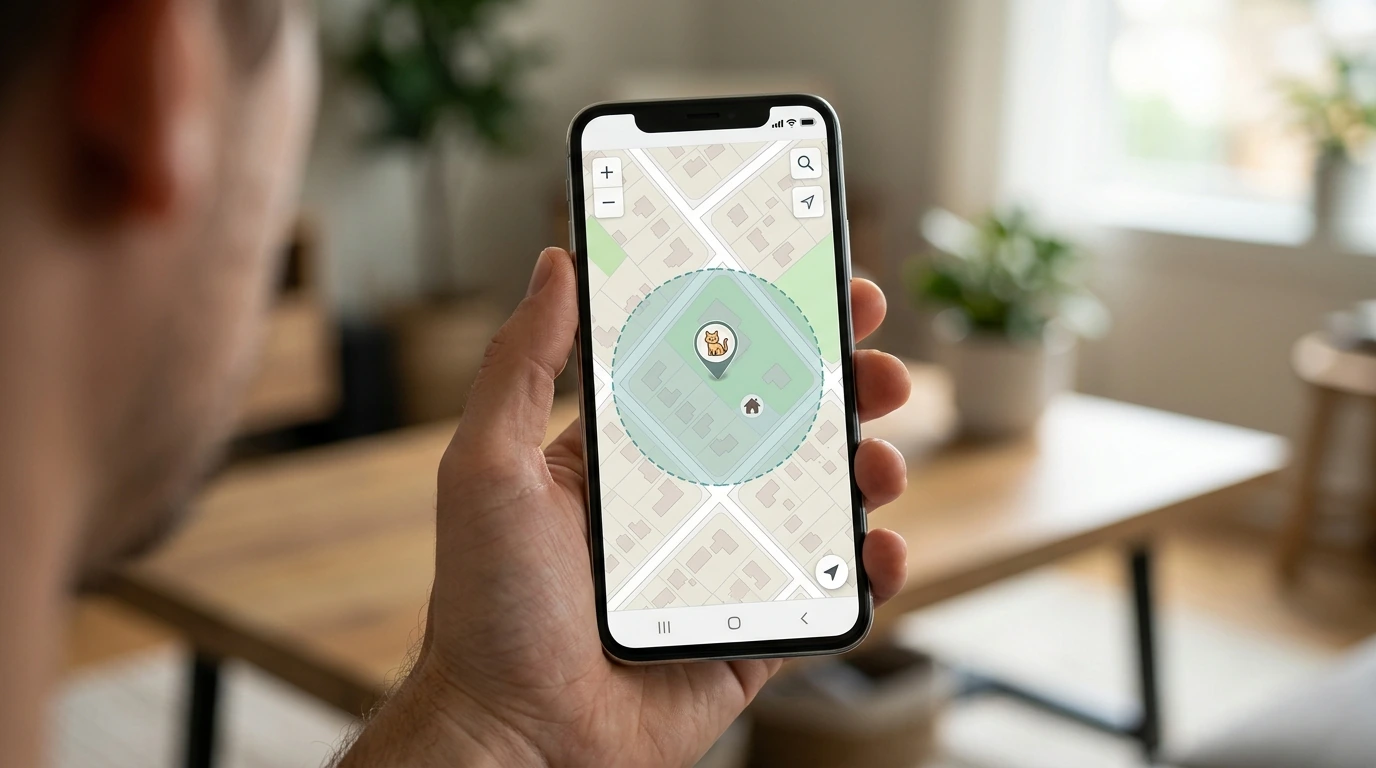
- Geofence Alert Testing: Create a small geofence around your home. Walk outside and back into the designated zone with the tracker to ensure entry and exit alerts are received promptly on your smartphone.
- Battery Performance Monitoring: Track the battery drain over several days under normal usage conditions. Compare actual performance against manufacturer claims and adjust charging frequency as needed.
- Location Accuracy Verification: Over a week, periodically check your cat's location when they are in different areas – indoors, outdoors, under cover. Note any significant discrepancies or delays in reporting.
- Cat's Comfort Assessment: Closely observe your cat for any signs of discomfort, irritation, or attempts to remove the collar and tracker. Ensure the device doesn't interfere with their eating, sleeping, or grooming habits.
- Durability Check: For outdoor cats, inspect the tracker regularly for signs of wear, impact damage, or water intrusion, especially after rain or adventurous excursions.



Post a Comment for "Choosing a GPS Cat Tracker? Most Fall Short of Expectations"