
Navigating Feline Adjustment: Identifying and Easing Stress in Your Cat's New Environment
Bringing a cat into a new home, whether it's a kitten's first journey or an adult cat relocating, is a significant event for everyone involved. While it's exciting for us, for our feline companions, it represents a complete upheaval of their known world. Cats are creatures of habit and territory, making any change, especially a move, a potential source of considerable stress. Understanding how to identify these stressors and proactively create a supportive environment is crucial for ensuring a smooth, happy transition for your new family member.
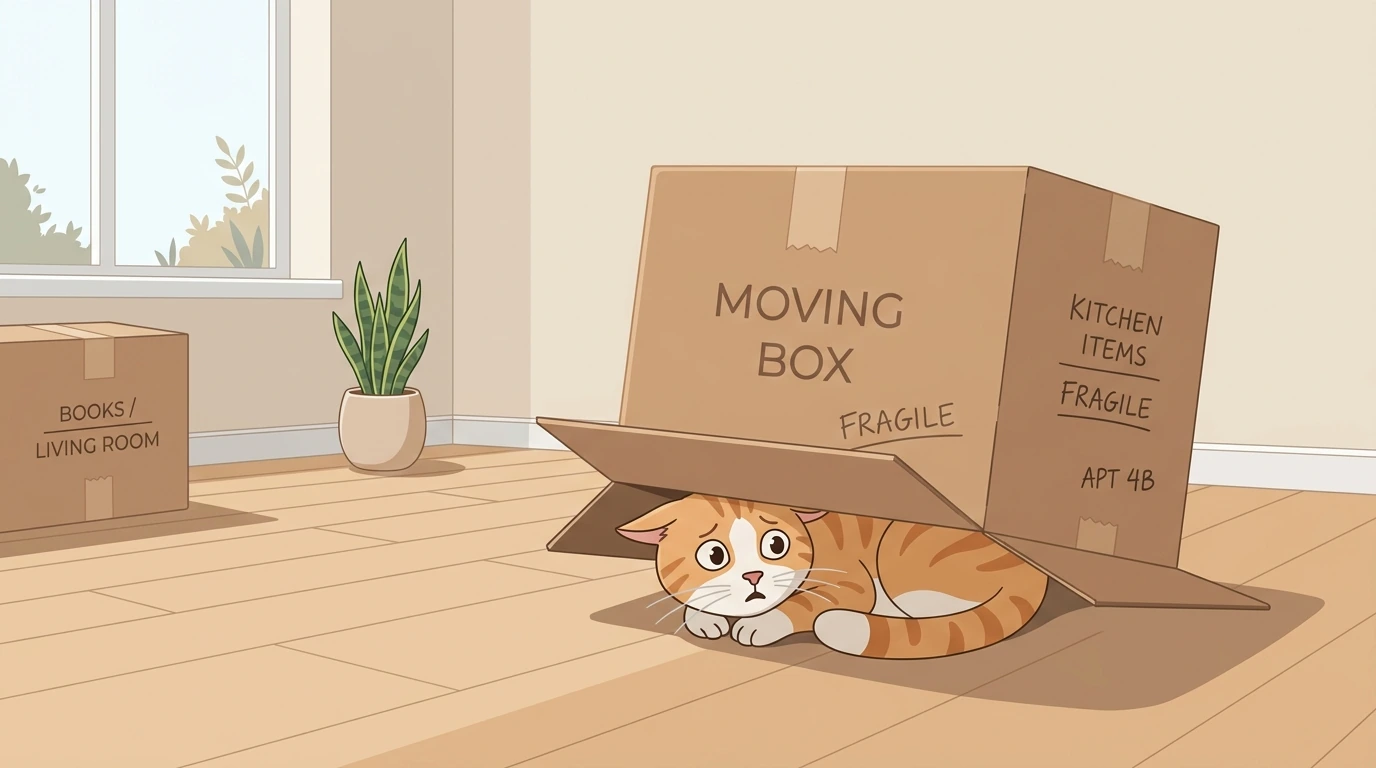
Recognizing the Subtle Signs of Feline Discomfort
Cats often express stress in ways that can be easily missed or misinterpreted by humans. Unlike dogs, who might overtly whine or become destructive, cats tend to internalize their anxiety, often displaying more subtle behavioral shifts. Early identification of these indicators allows for timely intervention, preventing prolonged distress.
Key behavioral changes to observe include:
- Hiding More Frequently: Persistent hiding, even from familiar people, indicates a need for security and a feeling of being overwhelmed.
- Changes in Appetite or Thirst: A sudden decrease or increase in food or water intake can signal stress.
- Litter Box Aversions: Urinating or defecating outside the litter box, especially if previously well-trained, is a common stress response and requires veterinary investigation to rule out medical issues.
- Excessive Grooming: Over-grooming, leading to bald patches or skin irritation, is a self-soothing behavior that can escalate under stress.
- Increased Vocalization or Silence: Some cats become more vocal (excessive meowing, howling), while others become unusually quiet and withdrawn.
- Aggression or Fear: Uncharacteristic swatting, hissing, or growling towards people or other pets, or an exaggerated startle response.
- Changes in Sleep Patterns: Sleeping significantly more or less than usual, or sleeping in unusual, exposed places.
It's important to differentiate these from a cat's normal personality quirks. A typically outgoing cat suddenly hiding is more concerning than a naturally shy cat taking time to adjust.
Crafting a Secure Sanctuary: Essential Setup for Arrival
The first step in mitigating stress is to provide a dedicated 'safe room' for your cat. This space should be quiet, low-traffic, and equipped with all necessary resources. This initial confinement allows your cat to acclimate to a smaller, manageable territory before exploring the entire home.
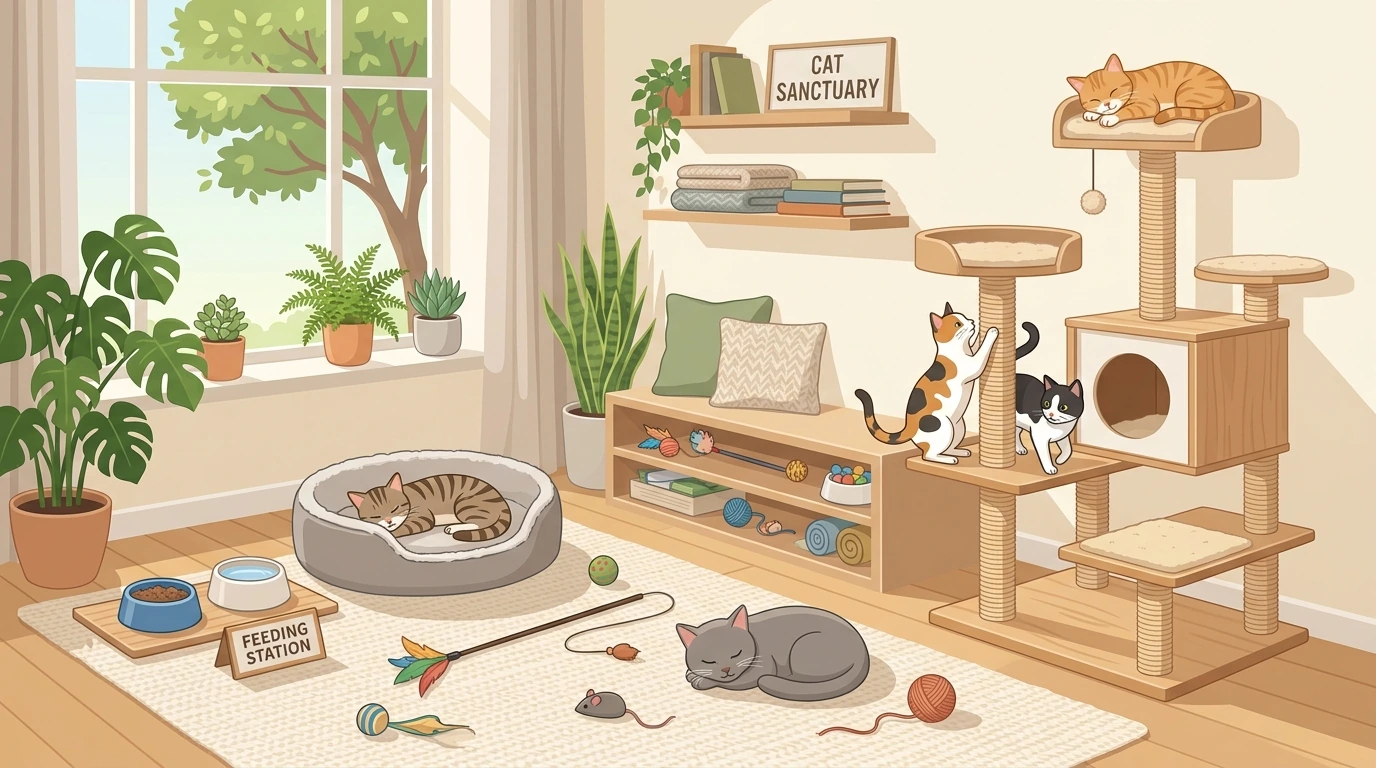
Components of an ideal safe room:
- Litter Box: Placed away from food and water, easily accessible.
- Food and Water Bowls: Fresh water and regular meals. Elevated bowls can be beneficial for some cats.
- Comfortable Bedding: A soft bed, a blanket, or even an open carrier where they can feel secure.
- Hiding Spots: Cardboard boxes, cat tunnels, or covered beds provide crucial places for retreat.
- Scratching Post/Pad: To allow for natural scratching behavior and scent marking, which helps them feel more at home.
- Familiar Scents: Items like a blanket or toy from their previous environment can offer comfort.
- Pheromone Diffusers: Products mimicking natural feline facial pheromones can help create a calming atmosphere, as widely reported by veterinary behaviorists.
PRO TIP: Scent Swapping
Before your cat arrives, spend time in their designated safe room. Leave a worn t-shirt or blanket with your scent. This helps to introduce your smell to their new territory in a non-threatening way, fostering a sense of familiarity.
Gradual Introductions and Routine Reinforcement
Once your cat shows signs of comfort in their safe room, typically after a few days to a week, you can begin a slow introduction to the rest of the home. This process requires patience and attention to your cat's reactions.
- Controlled Exploration: Allow them to explore small sections of the house at a time, always with access back to their safe room. Keep other pets or loud noises away during these initial ventures.
- Consistent Routine: Establish a predictable daily schedule for feeding, playtime, and litter box cleaning. Predictability reduces anxiety.
- Interactive Play: Engage your cat with wand toys or laser pointers (ending with a tangible reward) to build confidence and positive associations with the new space.
- Positive Reinforcement: Reward calm behavior with treats, praise, and gentle petting. Avoid forcing interactions.
- Multi-Cat Households: If introducing to other cats, conduct scent swapping first, then supervised, short visual introductions through a barrier, gradually increasing exposure.
Here's a comparison of typical versus stress-induced feline behaviors:
| Behavior Category | Typical Feline Behavior | Stress-Induced Behavior |
|---|---|---|
| Social Interaction | Seeks attention, rubs, purrs, relaxed posture | Hiding, hissing, swatting, avoiding contact, flattened ears |
| Eating/Drinking | Consistent appetite, drinks regularly | Refusal of food/water, excessive drinking, vomiting |
| Litter Box Use | Consistent use, covers waste | Urinating/defecating outside box, reluctance to use |
| Grooming | Regular, thorough grooming | Excessive licking/chewing, matted fur, lack of grooming |
Common Missteps to Avoid During Transition
Even with the best intentions, certain actions can inadvertently heighten a cat's stress during a move. Avoiding these pitfalls is as important as implementing positive strategies.
- Forcing Interaction: Do not chase, pick up, or force your cat to interact if they are hiding or appear fearful. This can break trust and increase anxiety.
- Too Much Too Soon: Introducing your cat to the entire house, multiple new people, or other pets all at once can be overwhelming.
- Ignoring Behavioral Changes: Dismissing signs of stress as 'just being shy' can delay necessary interventions and prolong discomfort. Every change in behavior warrants attention.
- Changing Litter Box Habits Abruptly: Maintain the same type of litter and box setup initially. Gradual changes can be made once the cat is settled.
- Lack of Enrichment: A new home can feel barren. Ensure there are vertical spaces, scratching opportunities, and toys to provide mental and physical stimulation.
- Punishment: Never punish a cat for stress-related behaviors like inappropriate urination. This only exacerbates fear and damages the bond.
Frequently Asked Questions About Cat Adjustment
- How long does it typically take for a cat to adjust to a new home?
- Adjustment periods vary widely based on the individual cat's personality, history, and the new environment. Some cats may settle in a few days, while others can take several weeks or even a few months to feel completely comfortable. Patience is key.
- Can I help my cat cope with moving anxiety before we even move?
- Yes, gradual preparation can help. Introduce carriers in advance as a positive space, maintain consistent routines, and use calming pheromone diffusers in the old home a few weeks prior to the move. Keep packing less disruptive by confining your cat to one room during the busiest times.
- When should I be concerned enough to contact a veterinarian?
- If your cat exhibits severe or persistent stress behaviors such as complete refusal to eat or drink for more than 24 hours, prolonged hiding, aggression, or consistent inappropriate elimination, contact your veterinarian. They can rule out underlying medical conditions and offer behavioral management strategies or medication if necessary.
Ensuring your cat feels safe and loved in their new home requires a proactive, empathetic approach. By understanding their unique needs as territorial and routine-oriented creatures, you can create an environment that fosters confidence and security. Observe their cues, provide a secure base, and introduce them to their new world at their own pace. With patience and thoughtful care, your feline companion will soon thrive, transforming their new house into a cherished home.



Post a Comment for "Navigating Feline Adjustment: Identifying and Easing Stress in Your Cat's New Environment"