
Avoiding Pitfalls: Essential Considerations Before Investing in a GPS Tracker for Your Feline
Considering a GPS tracker for your adventurous feline? While these devices offer invaluable peace of mind by helping locate a lost pet, navigating the market without proper knowledge can lead to frustrating and expensive missteps. Understanding the common pitfalls before making a purchase is crucial for ensuring both your cat's safety and your investment's efficacy.
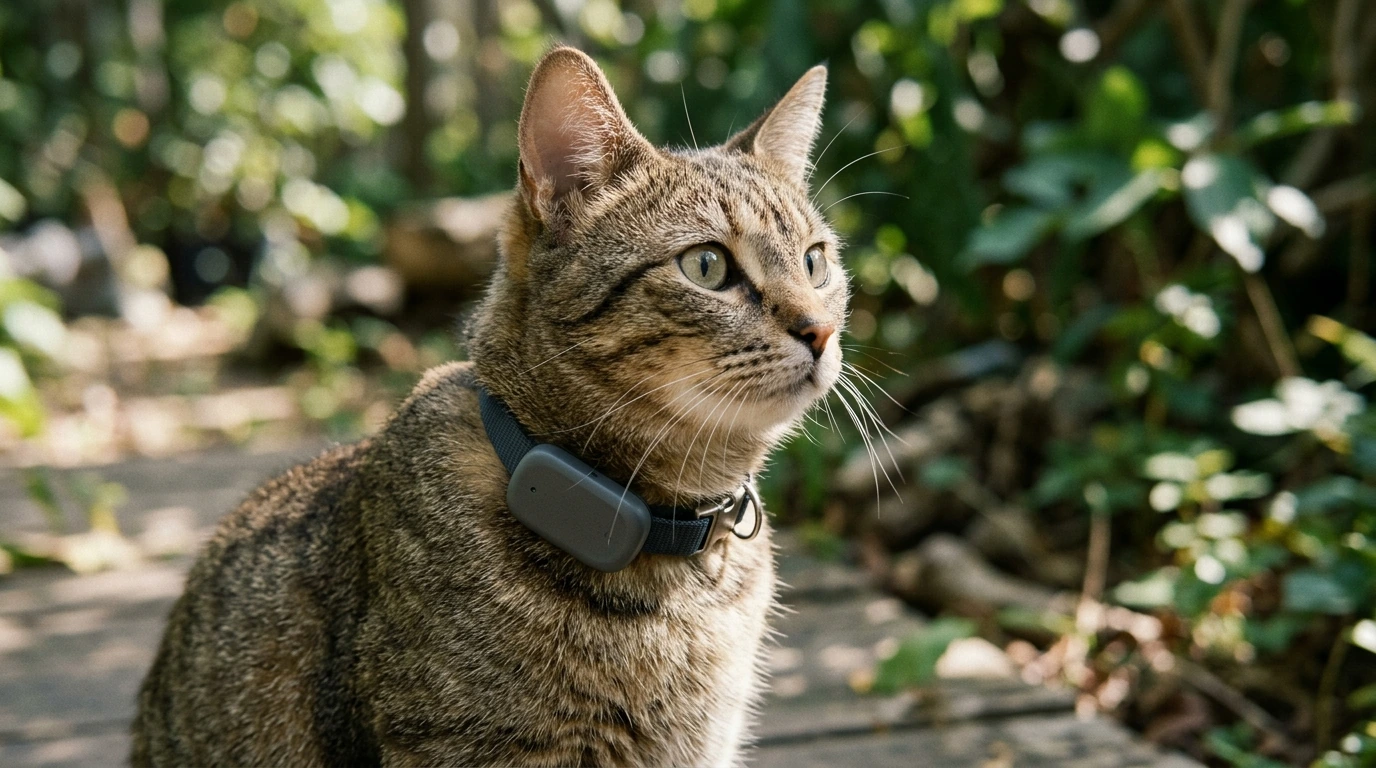
GPS pet trackers leverage satellite technology, often combined with cellular and Wi-Fi triangulation, to pinpoint your pet's location in near real-time. For cat owners, this means the ability to monitor outdoor excursions, quickly locate a runaway, or even track a cat's daily roaming patterns. However, the effectiveness of these devices hinges on several factors, and overlooking key specifications can severely impact their utility. From battery longevity to network compatibility, each detail contributes to a tracker's real-world performance.
Overlooking Battery Endurance: A Critical Oversight
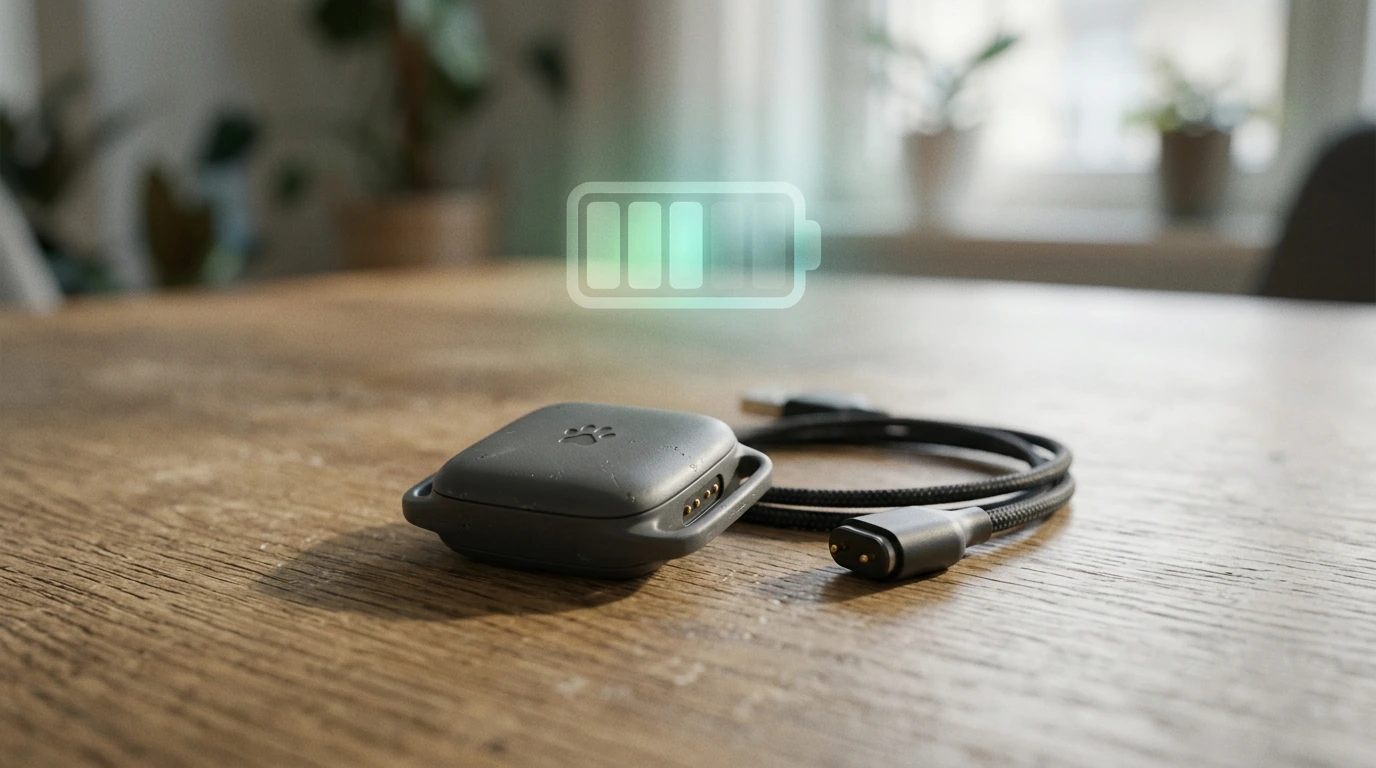
One of the most frequent and impactful mistakes is underestimating the actual battery life required for a cat's tracking needs. Unlike dogs, whose outdoor time might be more predictable, cats often roam for extended periods, sometimes disappearing for hours or even days. A tracker with a short battery life, say 12-24 hours with continuous tracking, might prove inadequate, leaving you without location data precisely when you need it most.
Manufacturers typically quote battery life based on optimal conditions or specific tracking modes (e.g., 'sleep mode' or infrequent updates). Active tracking, especially with frequent location pings (every few minutes), will drain the battery much faster. For a cat, aim for devices that offer multiple days of battery life under realistic usage scenarios, or those with easily swappable/rechargeable options that can be managed daily.
Misjudging Location Precision and Geofence Reliability
The promise of pinpoint accuracy is a major draw, but real-world GPS performance can vary significantly. Factors such as dense urban environments, heavy tree cover, or even indoor locations can degrade signal quality, leading to less precise location data. Relying solely on a tracker's stated accuracy without understanding these environmental limitations can be misleading.
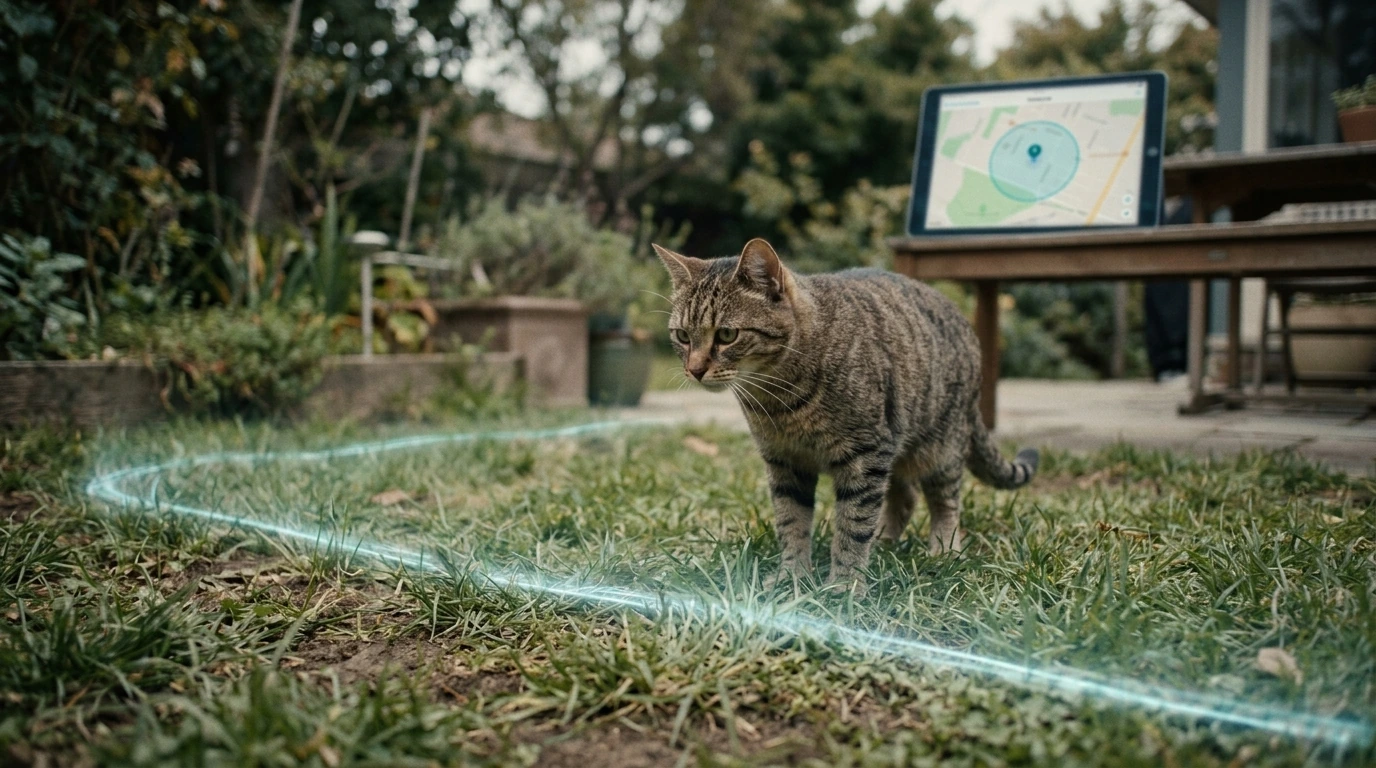
Geofencing, which allows you to set virtual safe zones and receive alerts if your cat leaves them, is a cornerstone feature. However, if the underlying GPS accuracy is poor, these alerts might be delayed or trigger false alarms. Investigate trackers that utilize multiple positioning technologies (GPS, Wi-Fi, cellular) for improved accuracy, particularly in areas with varied terrain or building density. Check user reports for consistency of geofence alerts in typical residential or rural settings.
Disregarding Ongoing Subscription Fees and Network Reach
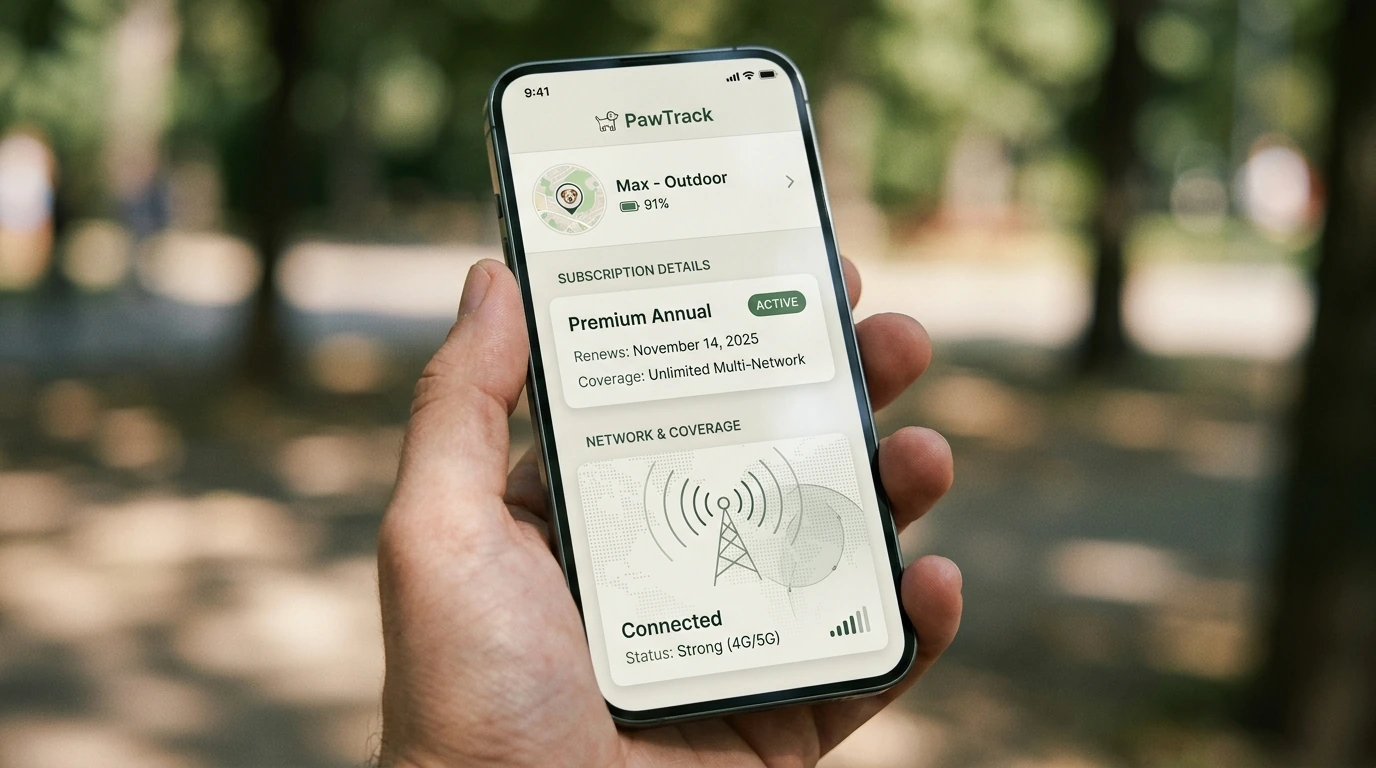
Many GPS pet trackers require a cellular subscription to transmit location data to your smartphone. A common mistake is focusing only on the upfront hardware cost and neglecting these recurring fees. These subscriptions can range from a few dollars to upwards of ten dollars per month, significantly adding to the total cost of ownership over time.
Furthermore, the tracker's functionality is directly tied to cellular network coverage. A device might be useless if your cat roams into an area with poor or no signal from the provider the tracker uses. Before purchasing, verify that the tracker's compatible network has robust coverage in your specific area and any places your cat might frequent. Some trackers offer multi-network SIMs, which can provide better overall coverage.
Compromising Feline Comfort and Collar Security
A tracker, no matter how technologically advanced, is useless if your cat refuses to wear it or if it falls off. Many trackers are designed with dogs in mind, meaning they can be too bulky or heavy for smaller, more agile cats. An ill-fitting or uncomfortable device can cause stress, skin irritation, or even become a snagging hazard.
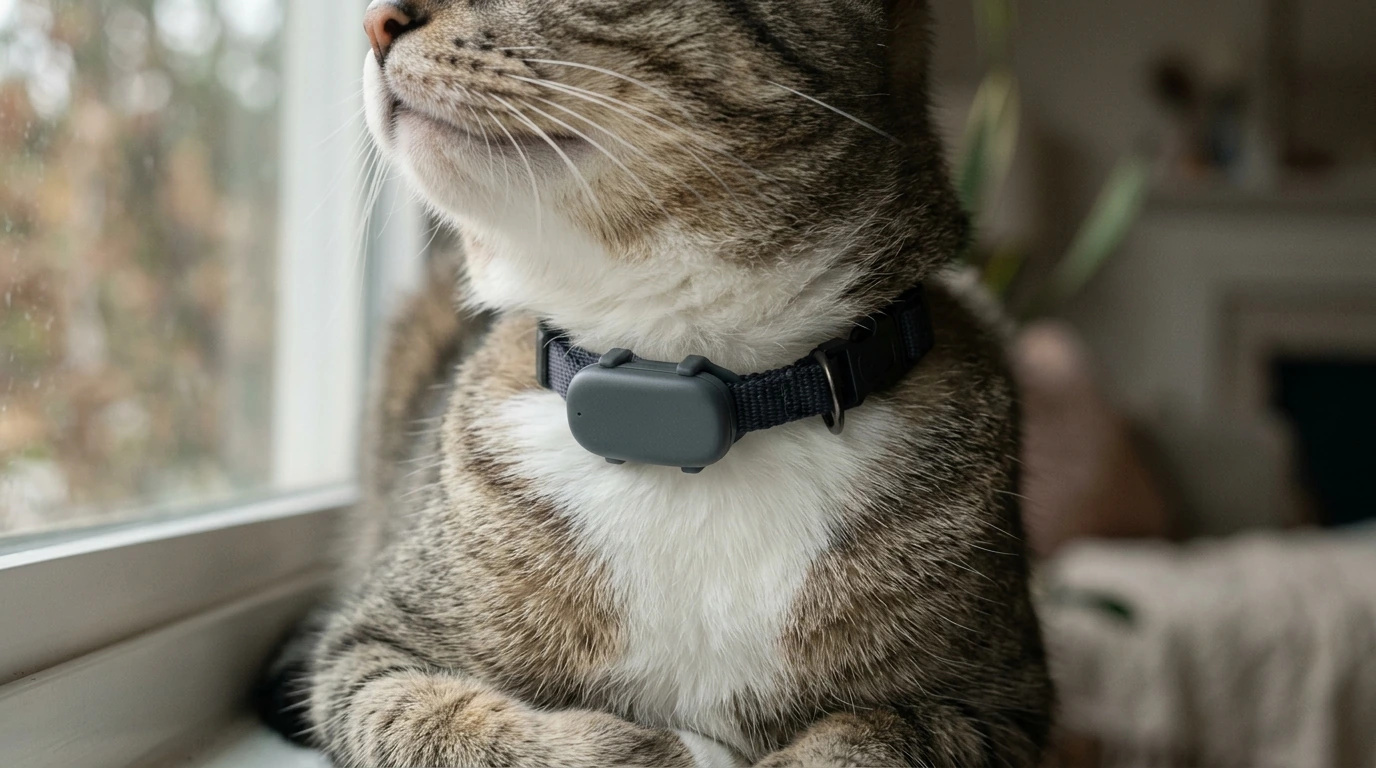
Prioritize trackers specifically designed for cats, which are typically lightweight (under 1 ounce or 28 grams is ideal for most cats) and have a low profile. Crucially, ensure the tracker attaches securely to a breakaway collar. Breakaway collars are essential for cat safety, allowing the collar to release if it gets caught on something, preventing strangulation. The tracker attachment should not compromise this safety feature.
PRO TIP:
Before fully relying on a new GPS tracker, conduct a 'mini-test' in your immediate vicinity. Attach it to your cat's collar and monitor its location indoors and in your yard for a few hours. This helps you understand its real-world accuracy, battery drain, and geofence alert reliability in your specific environment before your cat ventures further afield.
Underestimating Environmental Resistance and Build Quality
Cats are explorers, and their adventures can take them through various environments – tall grass, puddles, under bushes, or even up trees. A GPS tracker that isn't built to withstand these conditions will quickly fail. Many cheaper models lack sufficient waterproofing or are made from flimsy materials that can crack or break with minimal impact.
Look for trackers with an IP (Ingress Protection) rating of at least IP67, which signifies they are dust-tight and can withstand immersion in water up to 1 meter for 30 minutes. This level of protection offers peace of mind against rain, splashes, or accidental dips. Durability, often indicated by the quality of plastics or casing materials, is also vital to ensure the device can handle daily wear and tear and minor bumps without failing.
Informed Choices for Feline Tracking Success
Investing in a GPS tracker for your cat can be an excellent decision for their safety and your peace of mind, provided you approach the purchase with a clear understanding of what to look for. By carefully considering battery life, location accuracy, ongoing costs, comfort, and durability, you can avoid the common pitfalls that lead to dissatisfaction or, worse, a failed tracking attempt when it truly matters. Thorough research into manufacturer specifications and widely reported user experiences will guide you toward a tracker that genuinely meets your cat's needs and your expectations.
Naming Your Purebred Puppy: A Guide to Popular Choices and Pet Medical Insurance Considerations →
Frequently Asked Questions About Cat GPS Trackers
- Do all GPS cat trackers require a monthly subscription?
Most GPS trackers that transmit real-time location data over a cellular network do require a monthly or annual subscription fee to cover data costs. Some basic Bluetooth-only trackers exist, but their range is extremely limited. - How accurate are GPS cat trackers typically?
Under ideal conditions (clear sky, open area), many trackers can achieve accuracy within 10-30 feet (3-10 meters). However, this can degrade significantly in areas with heavy tree cover, tall buildings, or indoors, potentially reducing accuracy to 50-100 feet or more. - What's an ideal weight for a cat GPS tracker?
For most adult cats, a tracker weighing less than 1 ounce (approximately 28 grams) is generally considered comfortable and safe. Larger, heavier trackers can cause discomfort or neck strain. - Can GPS trackers help find a cat indoors?
GPS signals struggle indoors. Many modern trackers incorporate Wi-Fi triangulation to help pinpoint a cat's location within a building if there are known Wi-Fi networks present. However, this is less precise than outdoor GPS tracking.



Post a Comment for "Avoiding Pitfalls: Essential Considerations Before Investing in a GPS Tracker for Your Feline"