
Navigating Aggressive Feline Territory: Professional Behaviorists and Pet Insurance
When a domestic cat begins to display aggressive or highly territorial behaviors, it can transform a once harmonious home into a source of constant stress for both pets and owners. Such behaviors, often analogous to a 'guard dog' mentality in a feline, require careful understanding and a structured approach to ensure safety and restore peace.
Addressing these challenges effectively means moving beyond simple discipline to a comprehensive strategy involving professional expertise and proactive planning. This guide outlines the essential steps for managing aggressive feline territoriality, from identifying root causes to securing appropriate professional and financial support.
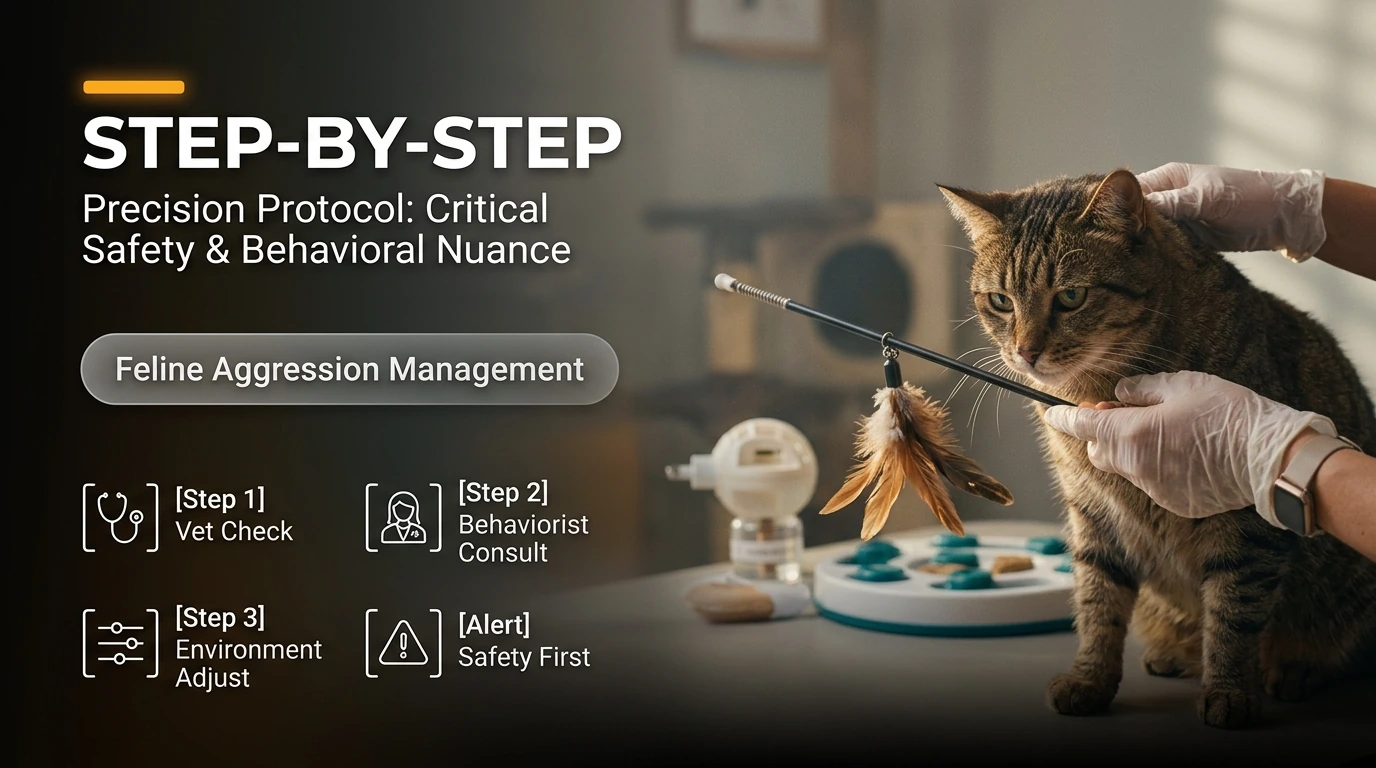
Unpacking the Roots of Feline Territoriality
Understanding why a cat might become aggressive or territorial is the first critical step. Unlike dogs, feline aggression often stems from a complex interplay of environmental, physiological, and psychological factors. Common triggers reported by feline behavior specialists include:
- Fear-Induced Aggression: Often a defensive reaction to perceived threats, new people, or unfamiliar animals.
- Pain or Illness: An underlying medical condition can cause irritability and a reluctance to be handled, leading to aggressive outbursts.
- Territorial Aggression: Defense of perceived territory (home, specific rooms, favorite spots, even their owner) against intruders, which can include other pets or humans.
- Redirected Aggression: When a cat is aroused by something it cannot reach (e.g., a cat outside a window) and redirects its aggression onto a nearby person or animal.
- Play Aggression: Common in younger cats, stemming from rough play that wasn't properly channeled.
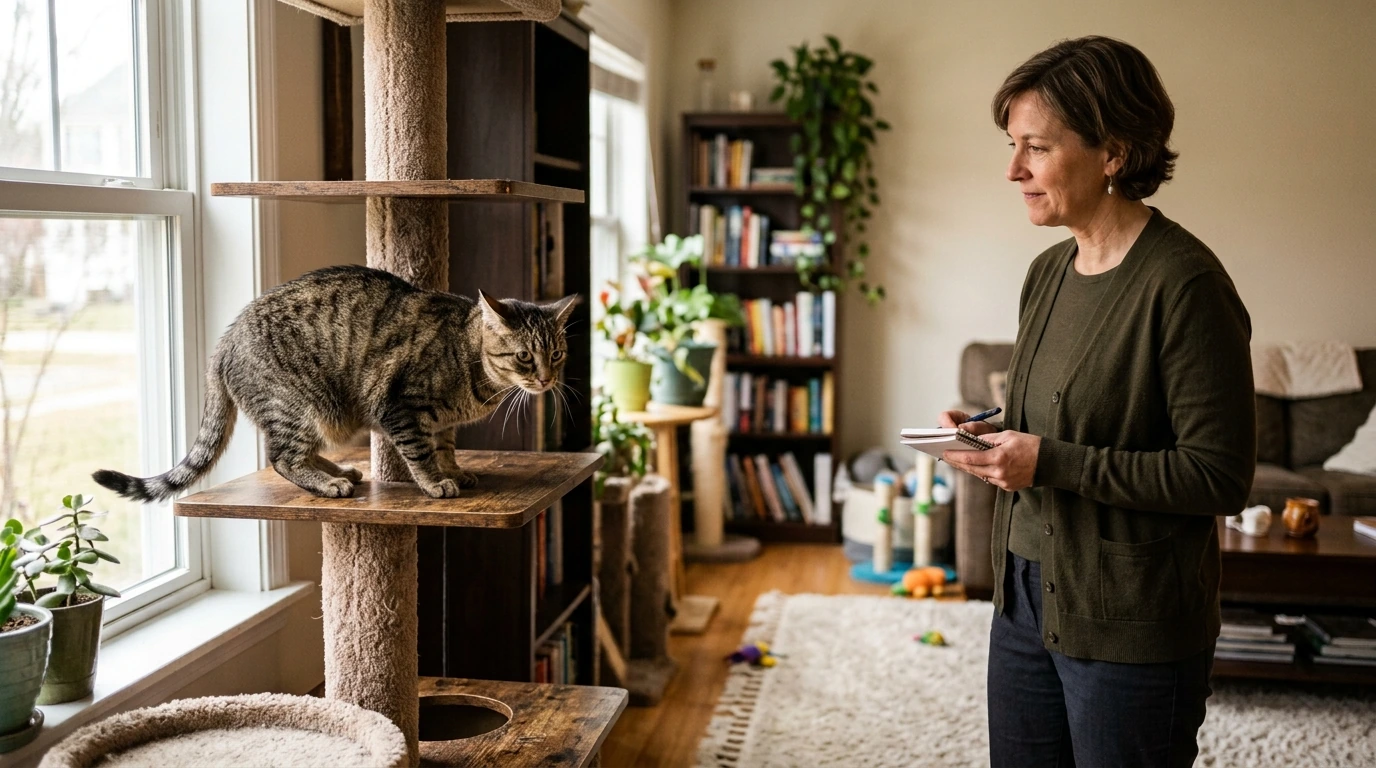
Careful observation of the cat's body language—flattened ears, dilated pupils, hissing, growling, piloerection (raised fur), tail lashing—prior to and during aggressive episodes provides invaluable diagnostic information.
Essential Preparations and Support Resources
Before initiating any behavioral modification, certain preparations are advisable to ensure both safety and efficacy. A structured approach requires specific tools and a clear understanding of available support.
Prerequisites and Toolkit:
- Veterinary Consultation: Schedule a full physical exam to rule out any medical causes for aggression. This is non-negotiable.
- Safe Zone Establishment: Designate a secure, quiet space where the cat can retreat and feel safe, away from triggers.
- Environmental Enrichment: Invest in puzzle feeders, climbing structures, scratching posts, and interactive toys to provide mental and physical stimulation.
- Protective Gear: Consider thick gloves for handling if necessary, especially during initial stages of behavior modification.
- Certified Feline Behaviorist Contact: Research and identify reputable, certified feline behaviorists in your area. Look for credentials such as Certified Cat Behavior Consultant (CCBC) or Veterinary Behaviorist (DACVB).
- Pet Insurance Documents: Review your pet insurance policy to understand coverage for behavioral therapy or related veterinary care.
A Structured Approach to Behavioral Modification
Addressing aggressive feline behavior is a process that demands consistency, patience, and professional guidance. Following a clear protocol significantly increases the chances of success.
- Initial Veterinary Assessment: As emphasized, a thorough veterinary check-up is paramount. Pain, dental issues, hyperthyroidism, or neurological conditions can all manifest as aggression. A vet can prescribe medication if anxiety or pain is a significant contributing factor, which can aid behavioral therapy.
- Consultation with a Certified Feline Behaviorist: This specialist will conduct a detailed history, observe the cat's behavior, and formulate a tailored behavior modification plan. They will help identify specific triggers and teach techniques such as counter-conditioning and desensitization.
- Implement Environmental Enrichment and Management:
- Vertical Space: Provide cat trees, shelves, and window perches to allow the cat to survey its territory from a safe vantage point.
- Multiple Resources: Ensure there are enough food bowls, water stations, litter boxes, and resting spots for all cats in a multi-cat household, placed in different locations to reduce competition.
- Pheromone Diffusers: Feliway or similar synthetic feline pheromone diffusers can help create a calmer environment for some cats.
- Structured Play: Engage in daily interactive play sessions using wand toys to provide an outlet for predatory instincts and build a positive bond.
- Consistent Training and Counter-Conditioning: Under the guidance of a behaviorist, techniques will focus on changing the cat's emotional response to triggers. This often involves pairing the trigger with something positive (e.g., treats, gentle play) at a distance, gradually reducing the distance as the cat's comfort level increases. Consistency is key; every interaction should reinforce desired behaviors.
- Understanding Insurance Coverage for Behavioral Therapy: Many modern pet insurance plans offer some level of coverage for behavioral issues when diagnosed by a licensed veterinarian. This can significantly offset the costs of consultations and ongoing therapy.
PRO TIP: Prioritizing Immediate Safety
In instances of severe, unmanageable aggression, ensure the safety of all household members and other pets first. This may involve temporarily confining the cat to a secure, separate room with all necessary resources until professional guidance can be obtained. Never attempt to handle a highly agitated or aggressive cat without adequate protection.
Common Missteps in Managing Reactive Cats
Even with the best intentions, certain approaches can inadvertently worsen aggressive feline behaviors. Avoiding these pitfalls is crucial for effective management:
- Punishment: Yelling, spraying with water, or physical punishment can exacerbate fear and aggression, damaging the bond with your cat and potentially leading to more severe behavioral issues.
- Ignoring Early Warning Signs: Subtle cues like flattened ears, a swishing tail, or a low growl are often precursors to aggression. Dismissing these can lead to more intense outbursts.
- Inconsistent Application of Strategies: Behavior modification requires unwavering consistency. Sporadic efforts can confuse the cat and undermine progress.
- Self-Diagnosis and Treatment: Without a professional assessment, owners might misinterpret the cause of aggression, leading to ineffective or even harmful interventions.
Confirming Progress and Sustaining Harmony
Verifying the effectiveness of behavioral interventions involves consistent observation and a realistic understanding of progress. Complete elimination of all aggressive tendencies may not always be achievable, but significant improvement is a realistic goal.
Post-Intervention Verification Checklist:
- Reduced Incident Frequency: A noticeable decrease in the number of aggressive episodes.
- Milder Reactions: When triggers occur, the cat's reaction is less intense or shorter in duration.
- Improved Social Interaction: The cat shows increased tolerance or positive interaction with household members and other pets.
- Relaxed Body Language: More frequent displays of relaxed posture, purring, and calm demeanor.
- Owner Confidence: Increased comfort and confidence in managing the cat's behavior.
- Consistent Environmental Stability: The cat maintains a sense of security within its established safe zones and enriched environment.
Understanding Pet Insurance for Behavioral Support
Navigating the financial aspects of professional feline behavioral therapy is a practical consideration. Pet insurance policies vary significantly in their coverage for behavioral issues. It is important to review policy details or consult with an insurance provider directly to understand what is covered.
| Insurance Plan Type | Typical Behavioral Coverage | Key Considerations |
|---|---|---|
| Accident-Only | Generally no coverage for behavioral consultations or therapy. | Focuses on injuries from accidents; very limited scope. |
| Accident & Illness (Comprehensive) | May cover behavioral consultations if diagnosed by a vet and deemed medically necessary. Often requires a referral to a certified veterinary behaviorist. | Common choice; check for specific clauses on behavioral therapy, potential waiting periods, and annual limits. |
| Wellness Add-on / Routine Care | Rarely covers specialized behavioral therapy, but might include initial vet consultations that lead to a behavioral diagnosis. | Primarily for preventative care like vaccinations and check-ups. |
| Behavioral Rider / Specific Plans | Some insurers offer specific riders or plans tailored to behavioral issues, covering consultations, prescribed medications, and training programs. | Often an additional cost; provides more extensive coverage for complex behavioral challenges. |
Always verify the specific terms, exclusions, deductibles, and reimbursement percentages of your policy, especially regarding pre-existing conditions and the type of professional (e.g., veterinary behaviorist vs. non-veterinary behavior consultant) whose services are covered.



Post a Comment for "Navigating Aggressive Feline Territory: Professional Behaviorists and Pet Insurance"