
Kitten Fueling Guide: Top-Rated Formulas and Essential Nutrition for 2026
Fueling Optimal Growth: Understanding Kitten Nutrition Essentials
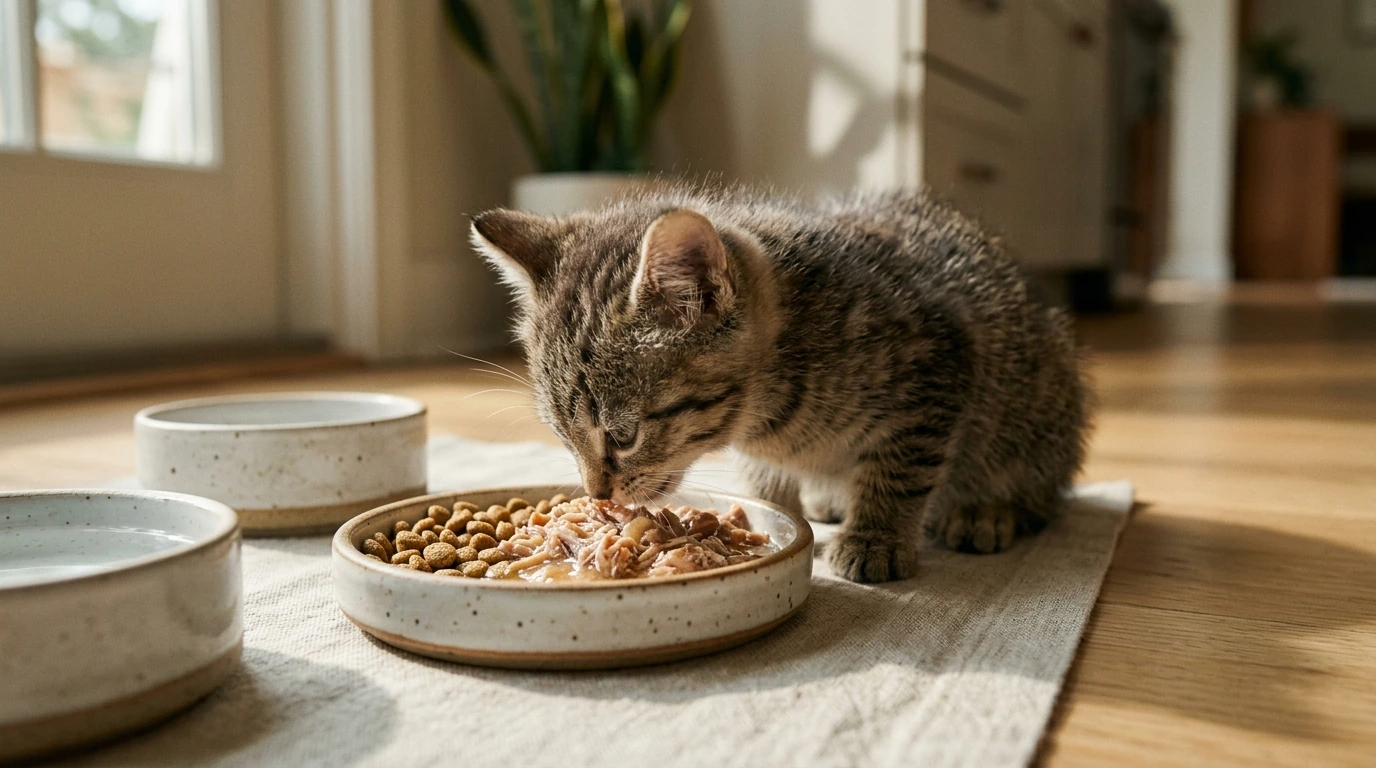
Ensuring a kitten receives the precise nutritional support needed during its formative months is paramount for developing a robust immune system, strong bones, and healthy organs. The rapid growth phase, typically from birth up to one year of age, demands a diet significantly different from that of an adult cat, characterized by higher caloric density and specific nutrient ratios.
Decoding Kitten Food Labels: What to Prioritize
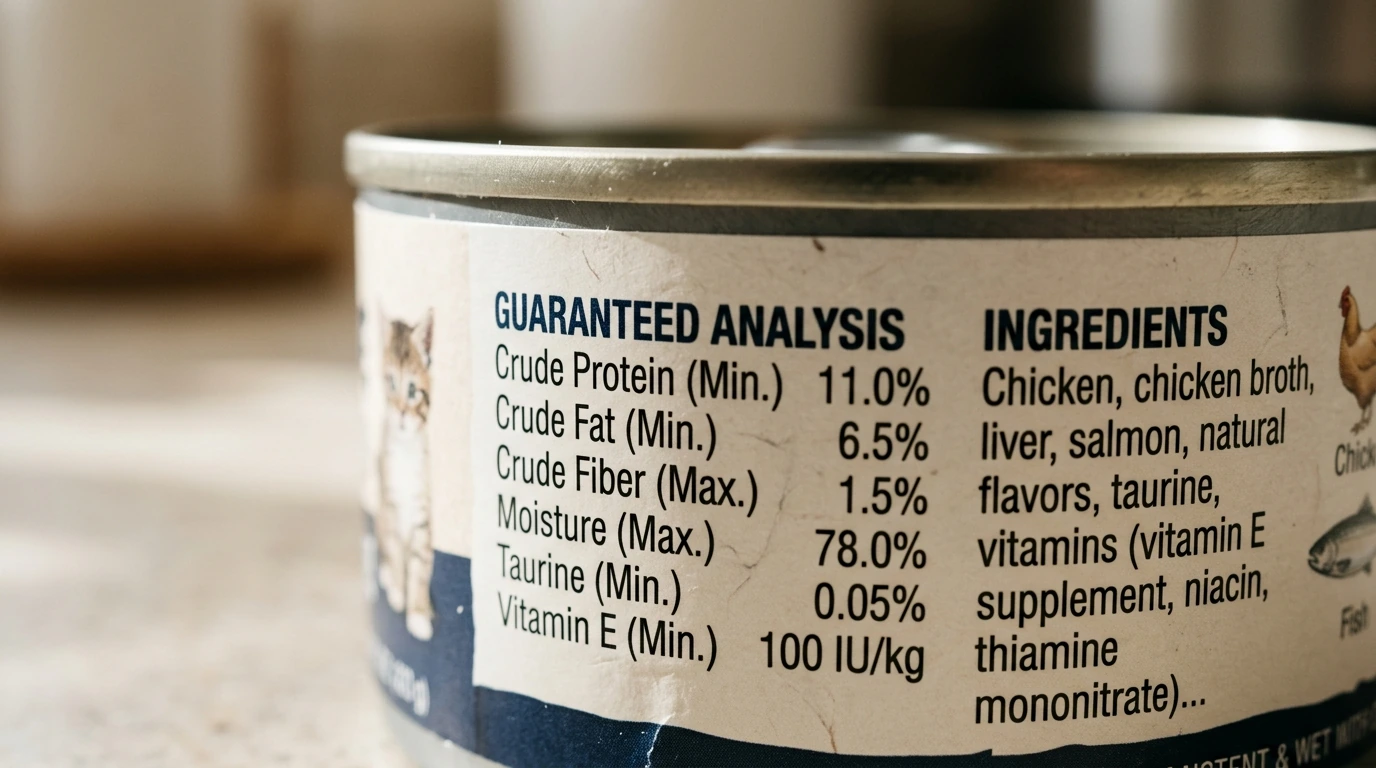
Selecting the right food involves more than just picking a cute package. A thorough understanding of ingredient lists and guaranteed analysis statements is crucial. Look for an AAFCO (Association of American Feed Control Officials) statement confirming the food is formulated to meet the nutritional levels established by the AAFCO Cat Food Nutrient Profiles for 'Growth and Reproduction' or 'All Life Stages'.
Key Nutritional Markers to Observe:
- High-Quality Protein: Kittens require a diet rich in animal-based protein to support muscle development. Ingredients like chicken, turkey, salmon, or beef should be among the first listed.
- Elevated Fat Content: Fats provide concentrated energy and essential fatty acids for skin, coat, and brain development. Look for a minimum crude fat content typically above 18-20% on a dry matter basis.
- DHA (Docosahexaenoic Acid): This omega-3 fatty acid, often sourced from fish oil, is vital for cognitive and visual development. Its presence is highly beneficial.
- Balanced Vitamins & Minerals: Calcium and phosphorus are critical for bone growth, but their ratio must be balanced. Other essential nutrients include taurine for heart and eye health, and a comprehensive vitamin profile.
- Avoidance of Unnecessary Fillers: While some grains can be digestible, excessive corn, soy, or wheat as primary ingredients can indicate a lower-quality formula.
Leading Kitten Food Formulas: A Comparative Overview for 2026
Evaluating several top-rated kitten food formulas for 2026 reveals a commitment to high-quality ingredients and balanced nutritional profiles. While specific formulations evolve, the core principles of superior kitten nutrition remain consistent. Here's a comparative look at some formulations widely recognized for their comprehensive support during a kitten's growth phase, based on manufacturer specifications and reported consensus among veterinary specialists:
| Formula Name | Primary Protein Source | Min. Crude Protein (%) | Min. Crude Fat (%) | DHA Content (min) | Form | Key Benefits |
|---|---|---|---|---|---|---|
| Whiskers & Wonders Kitten Formula | Deboned Chicken | 38% | 20% | 0.15% | Dry & Wet | Muscle development, cognitive support, immune health |
| Feline Future Growth Blend | Salmon & Chicken Meal | 40% | 22% | 0.20% | Dry | High energy, skin & coat health, digestive support |
| Pawsome Start Kitten Diet | Turkey & Egg | 36% | 19% | 0.12% | Wet (Pate) | Hydration, palatability, essential amino acids |
| Vitality Kitten Complete | Duck & Lentils | 37% | 21% | 0.18% | Dry | Sensitive digestion, joint support, robust growth |
These examples represent formulations designed to meet the rigorous demands of kitten development, offering varying primary protein sources and forms to suit individual preferences and needs.

Implementing a New Diet: Gradual Introduction and Portion Control
Introducing a new food to a kitten requires a thoughtful, gradual approach to prevent digestive upset. Abrupt changes can lead to vomiting, diarrhea, or a refusal to eat.
Step-by-Step Transition Protocol:
- Day 1-2: Mix 75% old food with 25% new food.
- Day 3-4: Combine 50% old food with 50% new food.
- Day 5-6: Use 25% old food and 75% new food.
- Day 7: Transition to 100% new food.
Monitor your kitten's appetite, stool consistency, and energy levels throughout this period. If any signs of digestive distress appear, slow down the transition process.
Common Pitfalls to Avoid:
- Sudden Switches: This is the most frequent cause of digestive upset. Always transition gradually.
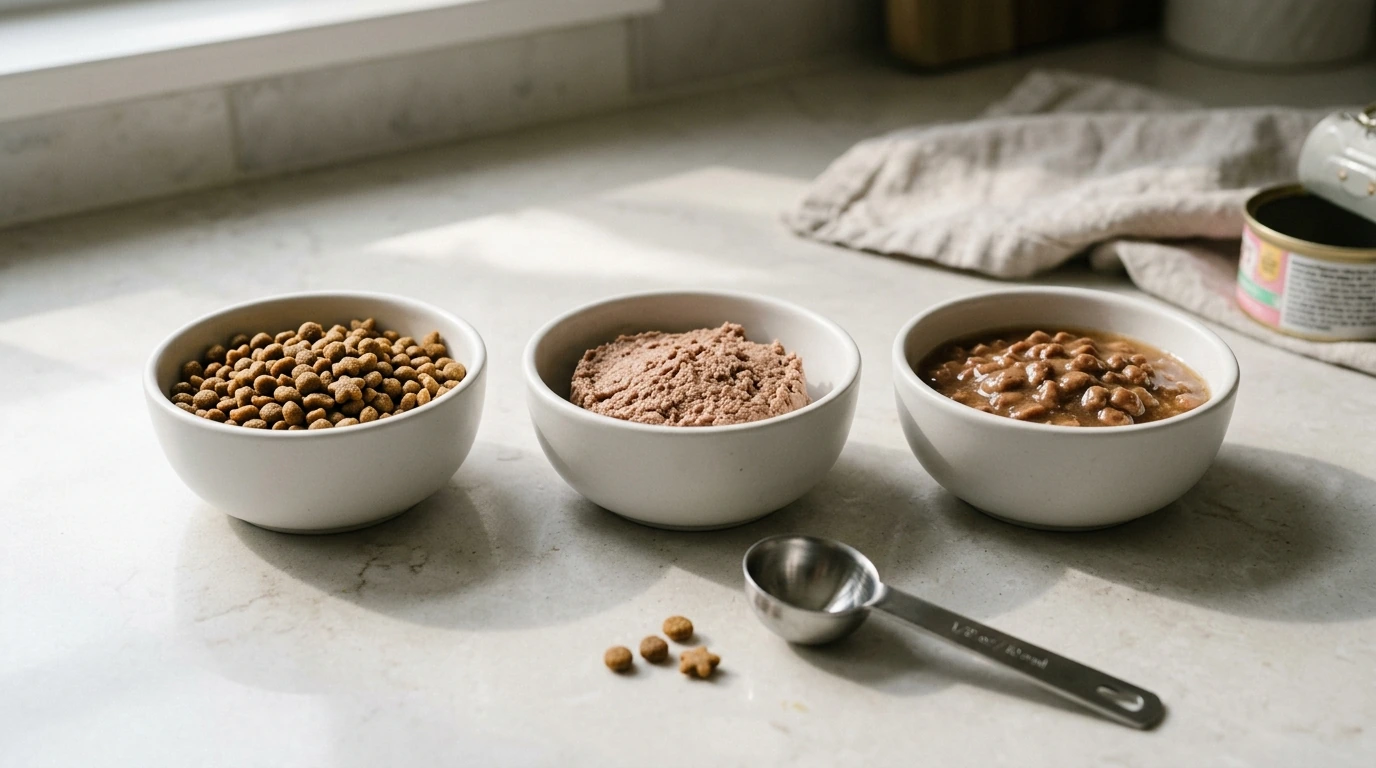
- Free-Feeding Dry Kibble: While convenient, free-feeding can lead to overeating and obesity. Follow manufacturer guidelines for daily portion sizes based on age and weight, dividing the total into multiple small meals throughout the day.
- Ignoring Hydration: Especially with dry food diets, ensure constant access to fresh, clean water. Consider incorporating wet food for added moisture.
- Feeding Adult Cat Food: Adult formulas lack the concentrated nutrients and caloric density kittens require for proper growth.
Monitoring Your Kitten's Progress: Health Indicators
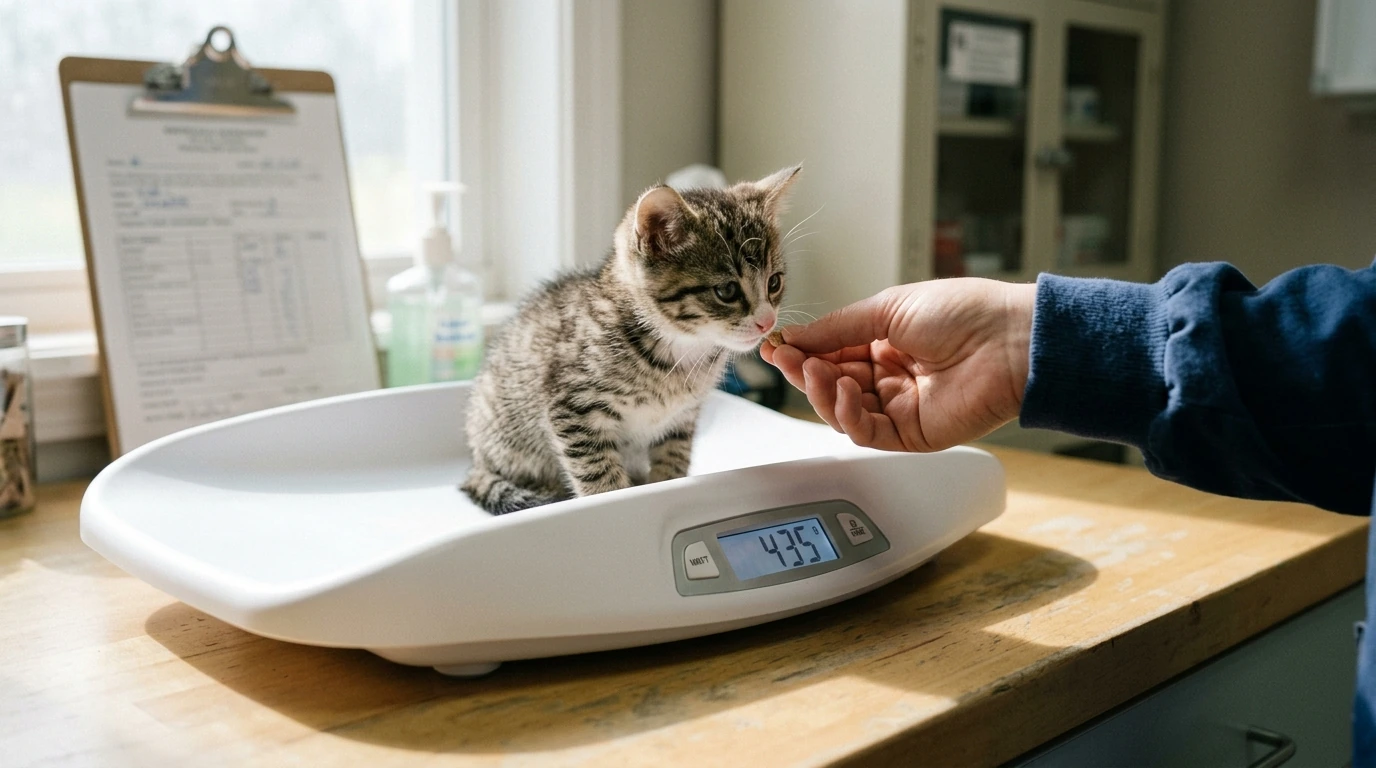
After implementing a new feeding regimen, regular observation of your kitten's health and development is essential. This allows for early detection of any issues and ensures the chosen diet is meeting all their needs.
Post-Diet Implementation Checklist:
- Consistent Weight Gain: Kittens should gain weight steadily. Consult your veterinarian for appropriate growth charts and benchmarks.
- Lustrous Coat & Clear Eyes: A shiny, soft coat and bright, alert eyes are indicators of good health and nutrient absorption.
- High Energy Levels: A healthy kitten is playful and curious. Lethargy or decreased activity can be a sign of inadequate nutrition or illness.
- Firm, Well-Formed Stools: Stool consistency provides insight into digestive health. Diarrhea or overly hard stools may indicate an issue with the diet or portioning.
- Good Appetite: Your kitten should eagerly anticipate mealtimes and consume its portions readily.
Regular veterinary check-ups are always recommended to complement your home monitoring efforts and address any specific concerns.
Evaluating Premium Organic Cat Food: Is the Investment Justified for Feline Wellness? →
Frequently Asked Questions About Kitten Nutrition
Q: How often should I feed my kitten?
A: Young kittens (under 6 months) typically benefit from 3-4 small meals per day. As they approach adulthood (6-12 months), this can gradually be reduced to 2-3 meals daily.
Q: Can I feed my kitten homemade food?
A: While possible, formulating a nutritionally complete and balanced homemade diet for a growing kitten is extremely challenging and often requires the guidance of a veterinary nutritionist to prevent deficiencies or excesses that could harm development.
Q: When should I switch my kitten to adult cat food?
A: Most kittens are ready to transition to adult food around 10-12 months of age, though larger breeds may benefit from kitten food for slightly longer. Consult your veterinarian for personalized advice.
Q: Is grain-free kitten food better?
A: The necessity of grain-free diets for cats is a topic of ongoing discussion. For most healthy kittens, grains are not problematic and can provide beneficial nutrients. Unless your kitten has a diagnosed grain allergy or sensitivity, grain-inclusive formulas are generally acceptable and often well-balanced.



Post a Comment for "Kitten Fueling Guide: Top-Rated Formulas and Essential Nutrition for 2026"