
How to Guide: Channeling High-Energy Cat Behaviors and Optimizing Feline Behavioral Healthcare Expenses
Understanding and managing the dynamic behaviors of highly energetic cat breeds, or any cat exhibiting intense activity, can transform household harmony. Simultaneously, navigating the financial landscape of feline behavioral healthcare requires strategic planning. This guide synthesizes established veterinary insights and widely reported owner experiences to provide a comprehensive framework for proactive behavioral management and cost optimization.
Successfully channeling a cat’s inherent energy and instincts involves creating an enriched environment and employing consistent, positive reinforcement techniques. The goal extends beyond merely addressing undesirable actions; it focuses on fulfilling a cat’s natural drives in constructive ways. For the financial aspect, a combination of preventative measures, informed choices regarding professional help, and smart budgeting can significantly reduce unexpected expenses.
Deciphering Feline Energy & Instincts
Cats, particularly certain breeds like Abyssinians, Bengals, or Siamese, possess high energy levels and strong predatory instincts that, if unaddressed, can manifest as destructive or disruptive behaviors. These behaviors often stem from boredom, lack of stimulation, or unmet needs for hunting, climbing, and exploration. Recognizing the root cause is the first step toward effective management.
- Predatory Drive: Cats are natural hunters. Without outlets, this instinct can lead to pouncing on feet, furniture destruction, or excessive vocalization.
- Territorial Needs: Scent marking, scratching, and aggression towards other pets or people can indicate territorial insecurity or stress.
- Climbing & Perching: Cats seek high vantage points for security and observation. Lack of vertical space can lead to climbing on prohibited surfaces.
- Social Dynamics: While often perceived as solitary, many cats thrive on interaction. Isolation or inappropriate social interactions can trigger anxiety or aggression.
Implementing Enrichment & Training Strategies
Proactive engagement through environmental enrichment and positive reinforcement training is paramount for channeling feline energy constructively. This approach leverages a cat's natural inclinations to foster desirable behaviors.
- Vertical Space & Climbing Structures: Install cat trees, wall-mounted shelves, and window perches. These provide secure vantage points and opportunities for climbing, fulfilling an innate need.
- Interactive Play Sessions: Dedicate 10-15 minutes, two to three times daily, to interactive play using wand toys, laser pointers (with a physical 'catch' at the end), or puzzle toys. This simulates hunting and expends energy.
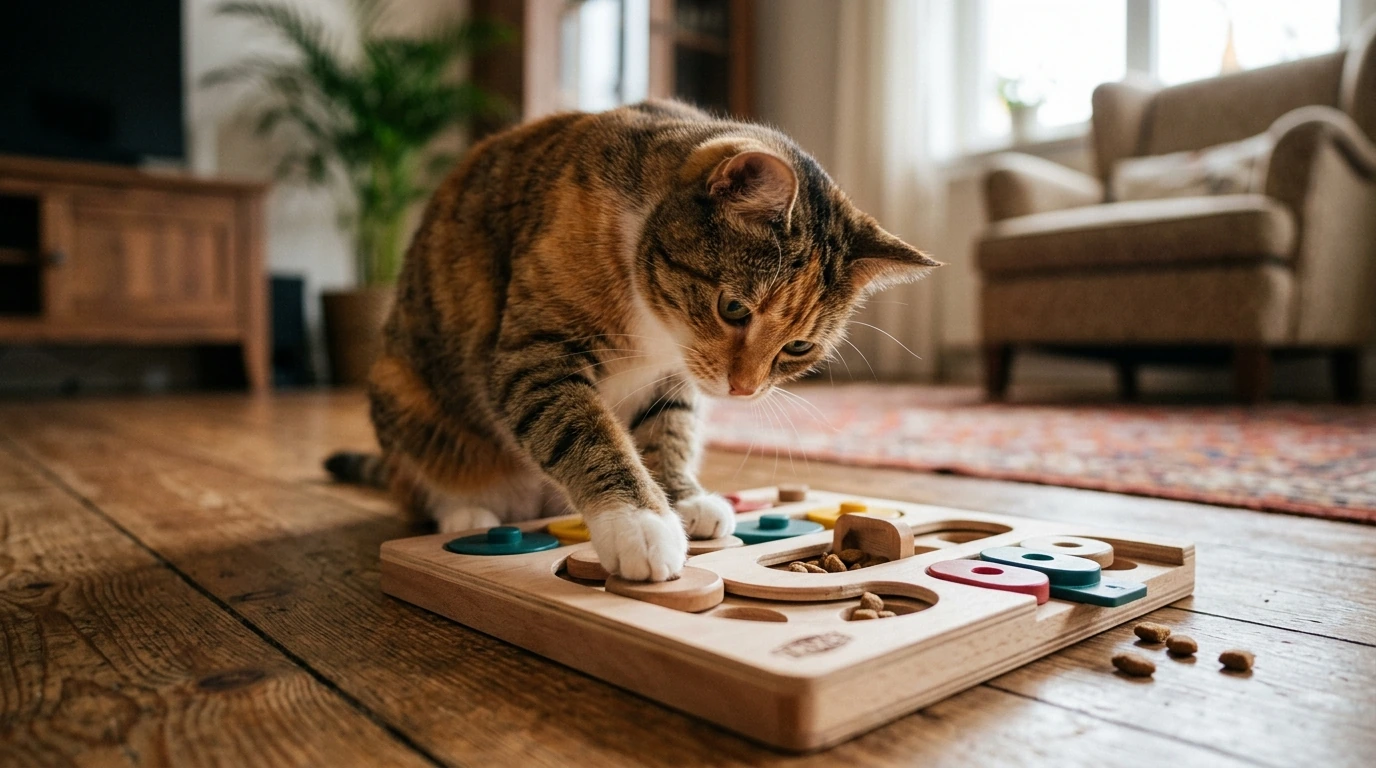
- Puzzle Feeders & Foraging: Replace traditional food bowls with puzzle feeders or hide small portions of food around the house. This encourages natural foraging behavior and mental stimulation, reducing boredom-induced behaviors.
- Positive Reinforcement Training: Use treats and praise to reward desired behaviors, such as using a scratching post, coming when called, or tolerating grooming. Clicker training can be highly effective for teaching specific commands.
- Scratching Solutions: Provide a variety of scratching posts (vertical, horizontal, cardboard, sisal) in prominent areas. Reward appropriate scratching to redirect from furniture.
Proactive Health & Wellness for Behavioral Stability
A cat's physical health directly impacts its behavior. Regular veterinary check-ups are crucial for ruling out underlying medical conditions that might present as behavioral issues. Pain, discomfort, or hormonal imbalances can significantly alter a cat's temperament and activity levels.
PRO TIP: Annual veterinary visits are not just for vaccinations; they offer a critical opportunity for early detection of health issues that could manifest as sudden behavioral changes. A seemingly 'naughty' cat might be experiencing pain or illness.
Navigating Feline Behavioral Healthcare Costs
Managing the expenses associated with feline behavioral support requires a multi-pronged approach, balancing preventative care with readiness for unexpected needs. Proactive planning can significantly mitigate financial strain.
Comparative Feline Behavioral Support Options
| Support Option | Approach | Typical Cost Range (USD) | Effectiveness for High Energy | Key Considerations |
|---|---|---|---|---|
| Environmental Enrichment | Toys, climbing structures, puzzle feeders | $20 - $200+ (initial) | High | Requires owner engagement, space considerations |
| Professional Feline Behaviorist | Certified specialist sessions, tailored plans | $100 - $300+ per session | High (for complex issues) | Costly, requires consistent follow-through, often vet-referred |
| Veterinary Consultation | Rule out medical causes, basic advice, referrals | $50 - $150 (per visit) | Moderate (initial assessment) | Essential first step, may not solve complex behavioral issues alone |
| Feline-Specific Pheromone Products | Diffusers, sprays to reduce stress/anxiety | $20 - $40 per month | Moderate (adjunctive) | Best used as part of a broader strategy, not a standalone solution |
| Pet Insurance (Behavioral Rider) | Covers vet-prescribed behavioral treatments | Varies by plan, ~$20-50/month (with rider) | High (financial coverage) | Requires careful policy review, waiting periods apply |
- Preventative Care: Investing in quality nutrition, regular vet check-ups, and appropriate vaccinations minimizes the risk of illness-related behavioral issues, which can be expensive to treat.
- DIY Enrichment: Many effective enrichment tools can be created or sourced affordably. Cardboard boxes, toilet paper rolls, and repurposed household items can become engaging toys.
- Pet Insurance: Consider pet insurance plans that include coverage for behavioral therapy or consultations with certified feline behaviorists, especially if your cat has a predisposition for high energy or known behavioral challenges. Review policies carefully for exclusions and waiting periods.
- Budgeting for Behavioral Aids: Allocate a small monthly budget for new toys, pheromone diffusers, or treats for positive reinforcement. Consistent, small investments can prevent larger, more costly interventions later.
- Seeking Professional Help Judiciously: For persistent or severe behavioral issues, consult your veterinarian first. They can rule out medical causes and may recommend a certified feline behaviorist. While an investment, a professional can provide targeted strategies that save time and money in the long run compared to trial-and-error.
Addressing Common Behavioral Setbacks
Even with the best intentions, managing feline behavior can present challenges. Common setbacks include regression in training, new behavioral issues emerging, or resistance to enrichment. Persistence and flexibility are key.
- Regression: Revisit fundamental training steps and ensure the environment remains stimulating. Stressors like new pets, household changes, or owner schedule shifts can trigger regression.
- New Behaviors: Any sudden behavioral change warrants a vet visit to rule out medical causes. If health is clear, reassess the cat's environment and routine for unmet needs or new stressors.
- Resistance to Enrichment: Cats have preferences. If a puzzle toy is ignored, try a different type. Rotate toys regularly to maintain novelty. Ensure enrichment is appropriately challenging, not frustrating.
Strategic Feline Care: A Definitive Verdict
Successfully managing high-energy cat behaviors and optimizing associated healthcare costs is an ongoing commitment, not a one-time fix. The most effective approach combines a deep understanding of feline needs with consistent environmental enrichment, positive reinforcement, and proactive health management. By implementing these strategies, owners can foster a happier, well-adjusted cat and ensure financial preparedness for their behavioral well-being. Investing time and thoughtful resources into preventative and proactive care offers the greatest return, both in terms of feline welfare and long-term cost savings.



Post a Comment for "How to Guide: Channeling High-Energy Cat Behaviors and Optimizing Feline Behavioral Healthcare Expenses"