
Is Your Cat Too Thin or Too Heavy How to Assess Feline Body Condition
Understanding your cat's body weight is fundamental to their long-term health and well-being. Both being significantly underweight or overweight can contribute to a host of medical issues, impacting everything from joint health and metabolic function to organ efficiency. As a veterinarian, I frequently emphasize that a cat's weight isn't just a number on a scale; it's a critical indicator of their overall nutritional status and potential underlying health concerns. Learning how to accurately assess their body condition at home empowers you to be a proactive advocate for their health.
Understanding the Criticality of Feline Weight and What You'll Need
Maintaining an optimal weight is paramount for feline health, directly influencing their quality of life and longevity. Cats carrying excess weight are at increased risk for conditions such as diabetes mellitus, arthritis, urinary tract disease, and certain cancers. Conversely, being underweight can signal malnutrition, dental issues, parasitic infections, or more serious systemic diseases like hyperthyroidism or inflammatory bowel disease. Regular, informed assessment is therefore a preventative measure.
Essential Tools for Assessment:
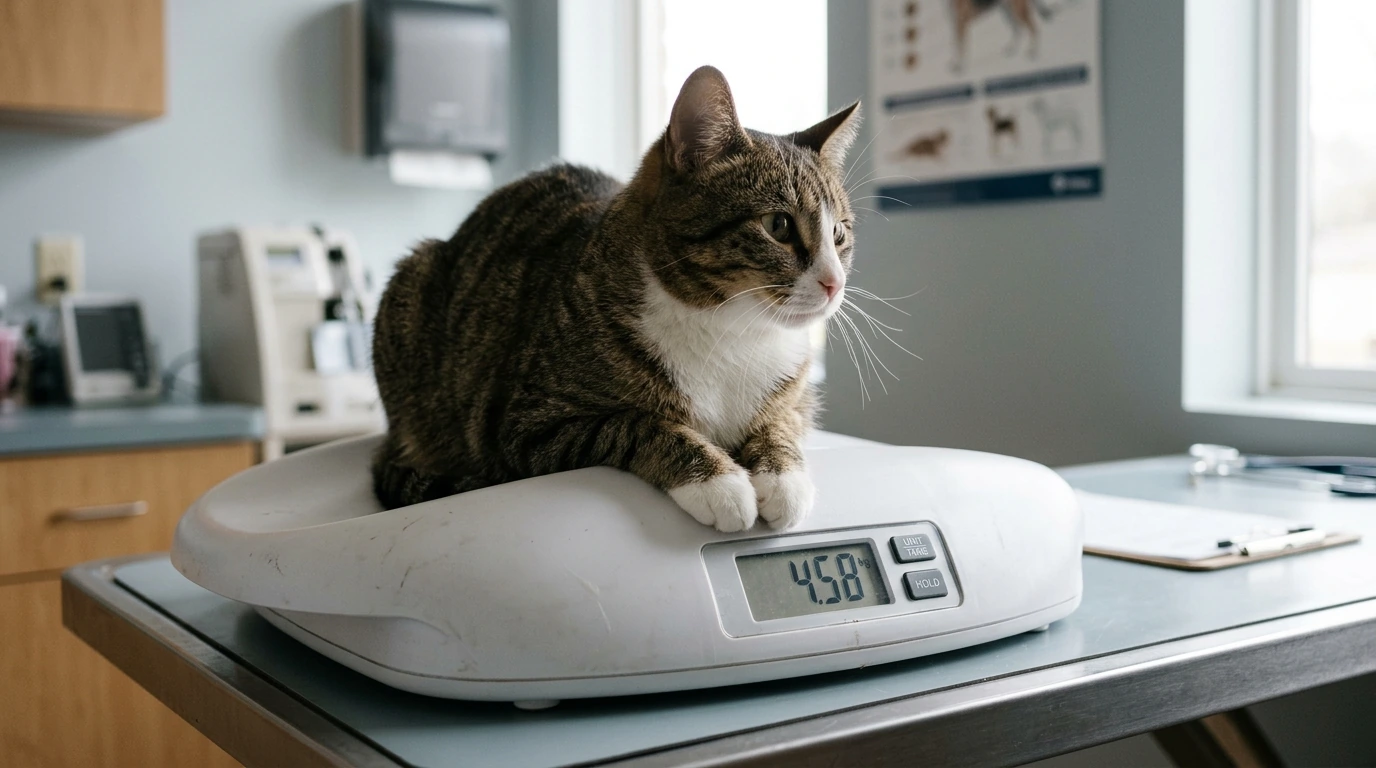
- A Reliable Pet Scale: While not always necessary for initial assessment, a digital pet scale provides accurate weight tracking over time, which is crucial for monitoring progress.
- Your Hands: Tactile examination is key for Body Condition Scoring.
- Your Eyes: Visual observation forms the first layer of assessment.
- A Quiet Space: A calm environment helps both you and your cat during the examination.
- Veterinary Consultation: Always the ultimate resource for professional diagnosis and tailored advice.
A Step-by-Step Guide to Evaluating Your Cat's Body Condition
Assessing your cat's weight involves a combination of visual inspection and gentle palpation. This method, known as Body Condition Scoring (BCS), is a widely accepted and more accurate indicator of health than scale weight alone, as it accounts for individual variations in frame size and breed.
Step 1: Visual Inspection
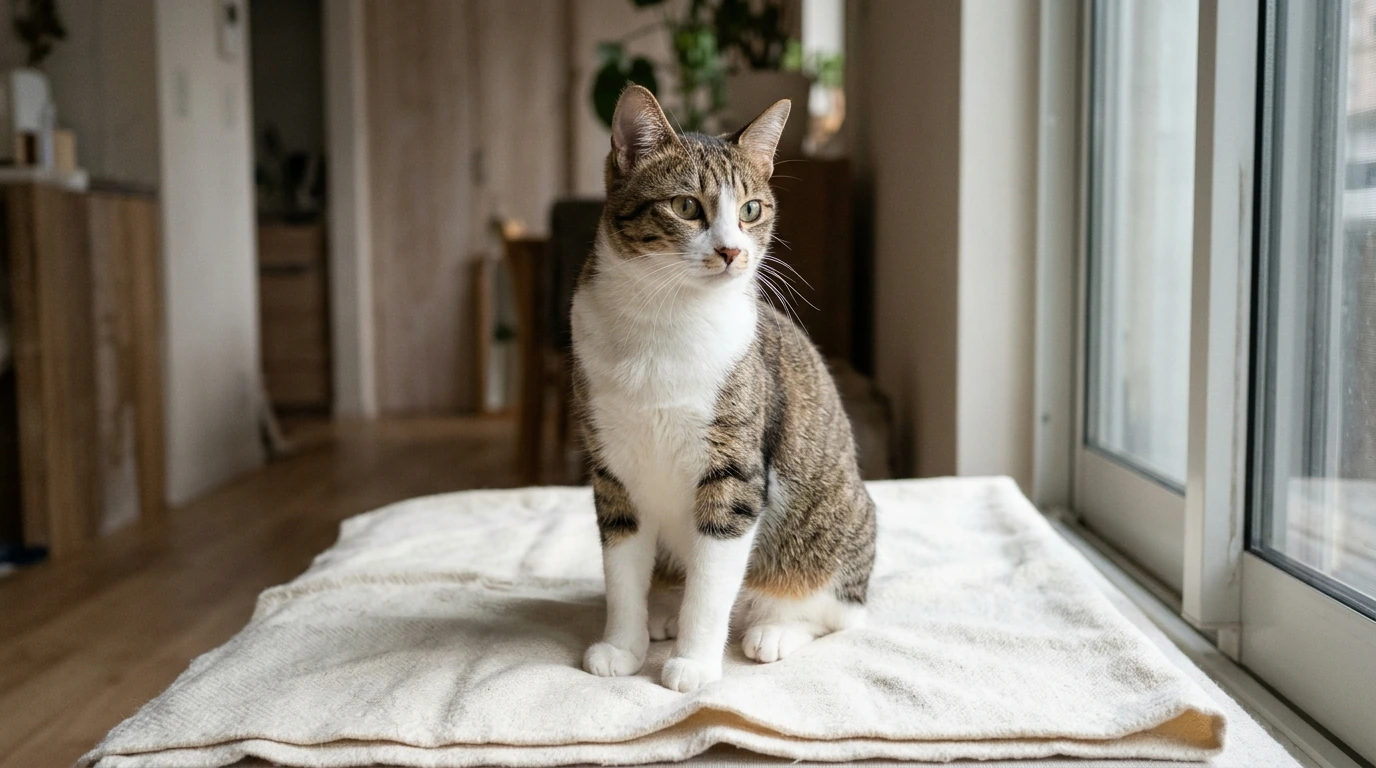
- Observe from Above: Look down at your cat while they are standing. An ideal weight cat should have a noticeable waistline behind the ribs, creating an hourglass figure. If the sides bulge out, they might be overweight. If the waist is severely tucked in, they might be underweight.
- Observe from the Side: View your cat from the side. An ideal cat should have an abdomen that tucks up slightly behind the rib cage. A sagging belly or a lack of abdominal tuck can indicate excess weight. A very pronounced tuck or visible hip bones suggest underweight.
Step 2: Tactile Examination (Palpation)
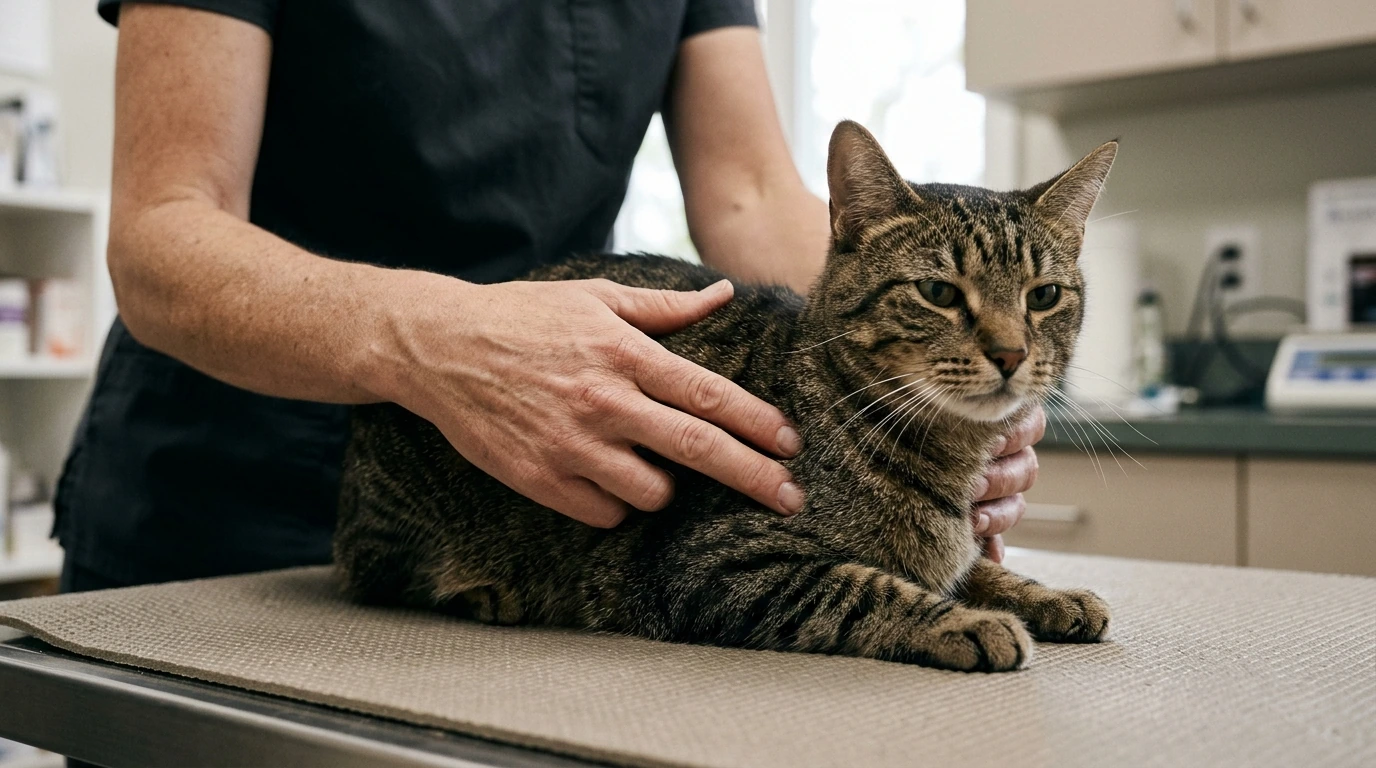
Gently run your hands along your cat's body, focusing on these areas:
- Ribs: Place both hands on your cat's sides, just behind their front legs. You should be able to easily feel their ribs with a slight layer of fat covering them, similar to feeling the back of your hand. If the ribs are prominent and easily visible with no fat covering, they are likely underweight. If you have to press firmly to feel the ribs, or can't feel them at all, they are likely overweight.
- Spine: Gently run your fingers along your cat's spine. You should be able to feel the individual vertebrae with a slight fat covering. If the spine is sharply prominent with no fat, it indicates underweight. If the spine feels like a smooth, indistinct ridge, it suggests overweight.
- Hip Bones: Feel the hip bones near the base of the tail. Similar to the ribs and spine, they should be palpable with a slight fat covering. Prominent, easily visible hip bones indicate underweight, while difficulty feeling them suggests overweight.
Step 3: Interpreting the Body Condition Score (BCS)
Veterinarians typically use a 5-point or 9-point scale. Below is a simplified 5-point scale for home use:
| BCS Score | Description | Visual/Tactile Cues |
|---|---|---|
| 1 - Emaciated | Severely underweight | Ribs, spine, and hip bones easily visible from a distance; no palpable fat; severe abdominal tuck. |
| 2 - Underweight | Thin, but not emaciated | Ribs, spine, and hip bones easily palpable and somewhat visible; minimal fat; marked abdominal tuck. |
| 3 - Ideal | Optimal body condition | Ribs easily palpable with slight fat covering; visible waist; slight abdominal tuck. |
| 4 - Overweight | Moderate excess weight | Ribs palpable with difficulty due to moderate fat; no obvious waist; slight abdominal sag. |
| 5 - Obese | Severely overweight | Ribs not palpable under heavy fat; no waist; pronounced abdominal sag; fat deposits over lumbar area and tail base. |
PRO TIP:
Always consult your veterinarian if you suspect your cat is significantly underweight or overweight. They can rule out underlying medical conditions and help formulate a safe and effective weight management plan tailored to your cat's specific needs and breed.
Avoiding Common Missteps in Weight Assessment
Accurately assessing your cat's weight can be challenging, and several common mistakes can lead to misinterpretations:
- Relying Solely on Scale Weight: A cat's absolute weight can be misleading. A 10-pound Siamese might be overweight, while a 10-pound Maine Coon could be perfectly healthy. BCS provides a more holistic view.
- Ignoring Breed Differences: Different breeds have varying natural body types. For example, a sleek Abyssinian will naturally look different from a robust British Shorthair, even at an ideal weight.
- Misinterpreting a Sagging Primordial Pouch: Many cats, especially as they age or after spaying/neutering, develop a loose flap of skin and fat along their belly called a primordial pouch. This is normal and should not be confused with excessive abdominal fat indicating obesity.
- Assuming a Healthy Appetite Means Healthy Weight: A cat can eat enthusiastically but still be underweight if they have a condition preventing nutrient absorption, or overweight if consuming too many calories.
- Not Regular Monitoring: A single assessment provides a snapshot. Consistent monitoring over time reveals trends and helps catch issues early.
Monitoring Progress and Maintaining Optimal Weight
Once you've assessed your cat's body condition and, if necessary, consulted with your veterinarian to establish a target, consistent monitoring is key to maintaining optimal weight. This isn't a one-time fix but an ongoing commitment.
Verification Checklist for Ongoing Management:
- Regular BCS Checks: Perform visual and tactile BCS assessments every 2-4 weeks. Note any changes in their waistline, rib palpability, and overall body shape.
- Consistent Weigh-Ins: If using a scale, weigh your cat at the same time of day (e.g., before breakfast) weekly or bi-weekly. Track these numbers.
- Dietary Adjustments: Ensure you are feeding a high-quality, nutritionally complete diet appropriate for their life stage and activity level. If weight management is needed, work with your vet to adjust portion sizes or consider a therapeutic diet.
- Activity Levels: Encourage regular play and exercise. Interactive toys, cat trees, and dedicated play sessions can help burn calories and maintain muscle mass.
- Veterinary Check-ups: Schedule annual or bi-annual veterinary examinations. Your vet can provide professional BCS, check for underlying health issues, and adjust any weight management plans.
- Observe Behavior: Monitor your cat's energy levels, grooming habits, and overall demeanor. Changes can sometimes indicate weight-related discomfort or other health concerns.



Post a Comment for "Is Your Cat Too Thin or Too Heavy How to Assess Feline Body Condition"