
Navigating Senior Cat Food for Kidney Health: A Comprehensive Buyer's Guide
A diagnosis of kidney disease in a senior cat often prompts immediate questions about dietary modifications. Chronic Kidney Disease (CKD) is a progressive condition common in older felines, and while it cannot be cured, its progression can be significantly slowed and quality of life improved through precise nutritional management. Selecting the appropriate therapeutic diet becomes a cornerstone of their care plan.
Understanding Feline Chronic Kidney Disease and Dietary Goals
Chronic Kidney Disease affects the kidneys' ability to filter waste products from the blood, concentrate urine, and maintain electrolyte balance. As the disease progresses, these vital functions diminish, leading to a buildup of toxins and imbalances in the body. The primary goals of a kidney-supportive diet are to:
- Reduce the workload on the kidneys.
- Minimize the accumulation of metabolic waste products.
- Maintain adequate hydration.
- Prevent nutrient deficiencies and maintain muscle mass.
- Slow the progression of the disease.
These objectives are typically achieved through specific adjustments to protein, phosphorus, sodium, and fatty acid levels in the food.

Key Factors in Choosing a Kidney-Supportive Formula
When selecting a therapeutic diet for a senior cat with kidney disease, several nutritional parameters are critical. These specialized diets are formulated to meet specific requirements that differ significantly from standard adult or senior cat foods.
Protein Content: Quality Over Quantity
While protein is essential, excessive amounts can increase the kidney's workload. Therapeutic renal diets feature reduced, but high-quality, protein levels. This ensures the cat receives sufficient essential amino acids to maintain muscle mass without producing an undue amount of nitrogenous waste products. Typical protein levels in renal diets range from 28-32% on a dry matter basis, compared to 35-45% or higher in conventional foods.
Phosphorus Restriction: A Primary Goal
Elevated phosphorus levels are a key contributor to the progression of CKD and can lead to secondary hyperparathyroidism, which further damages the kidneys. Renal diets are significantly restricted in phosphorus, often containing 0.3-0.6% on a dry matter basis, which is substantially lower than standard diets. This is arguably the most critical dietary modification for kidney disease.
Sodium Levels: Moderation is Key
Sodium restriction can help manage hypertension, which is common in cats with CKD. While not as severely restricted as phosphorus, renal diets typically contain moderate sodium levels, around 0.2-0.4% on a dry matter basis, to support cardiovascular health without causing electrolyte imbalances.
Omega-3 Fatty Acids: Anti-Inflammatory Support
Increased levels of omega-3 fatty acids, particularly EPA and DHA, are beneficial for their anti-inflammatory properties. These can help reduce inflammation within the kidneys and potentially slow the progression of renal damage. Look for foods with added fish oil or flaxseed.
B Vitamins and Antioxidants: Replenishment and Protection
Cats with kidney disease often excrete more water, leading to increased loss of water-soluble B vitamins. Supplementation helps prevent deficiencies. Antioxidants like Vitamin E and C, along with beta-carotene, can help combat oxidative stress in damaged kidney tissues.
Caloric Density and Palatability: Ensuring Adequate Intake
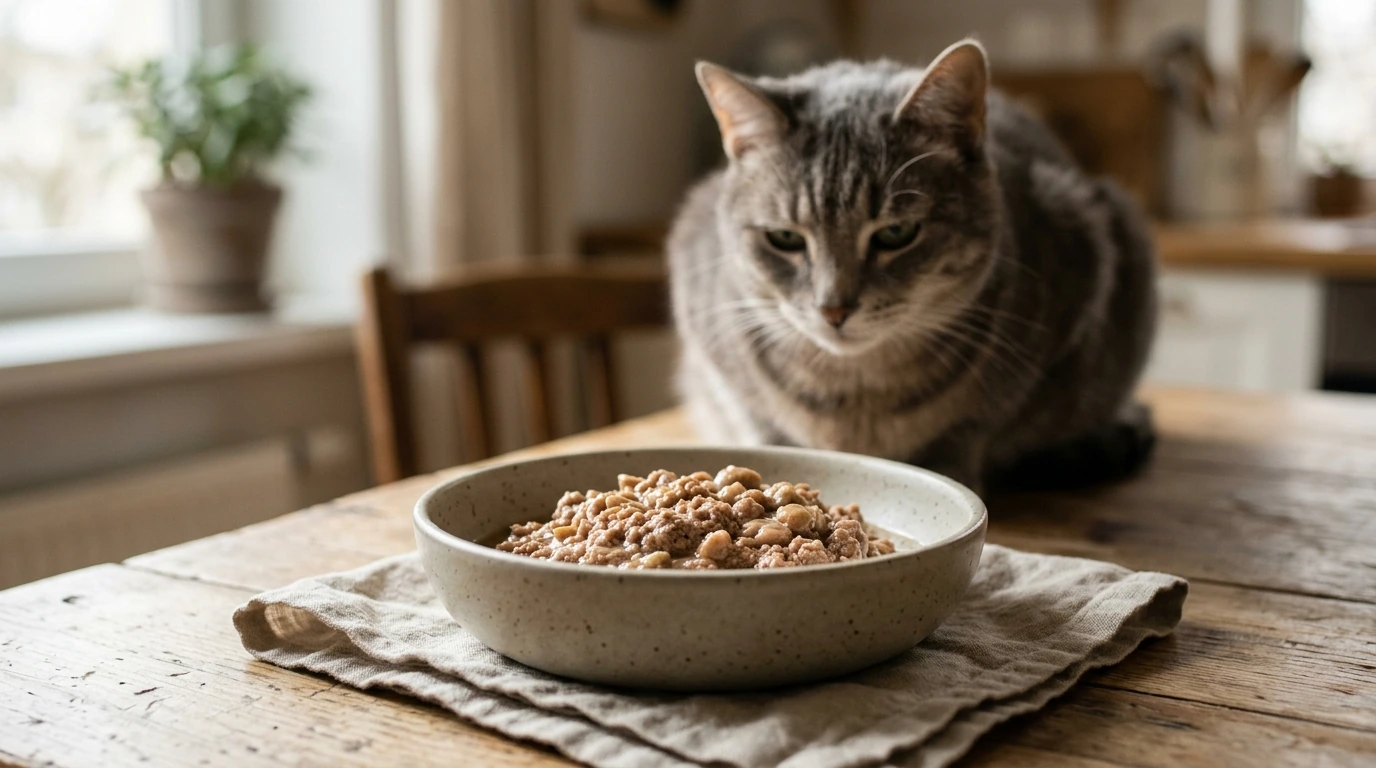
Cats with CKD can experience decreased appetite and weight loss. Renal diets are often formulated to be calorically dense to provide sufficient energy in smaller portions. Palatability is paramount; even the most nutritionally perfect food is useless if the cat refuses to eat it. Many brands offer both wet and dry options, and various flavors to cater to picky eaters.
PRO TIP: Always consult your veterinarian before making any significant dietary changes for your cat, especially if they have a diagnosed medical condition like CKD. They can recommend a specific therapeutic diet tailored to your cat's stage of disease and individual needs.
Comparing Leading Kidney Care Formulas
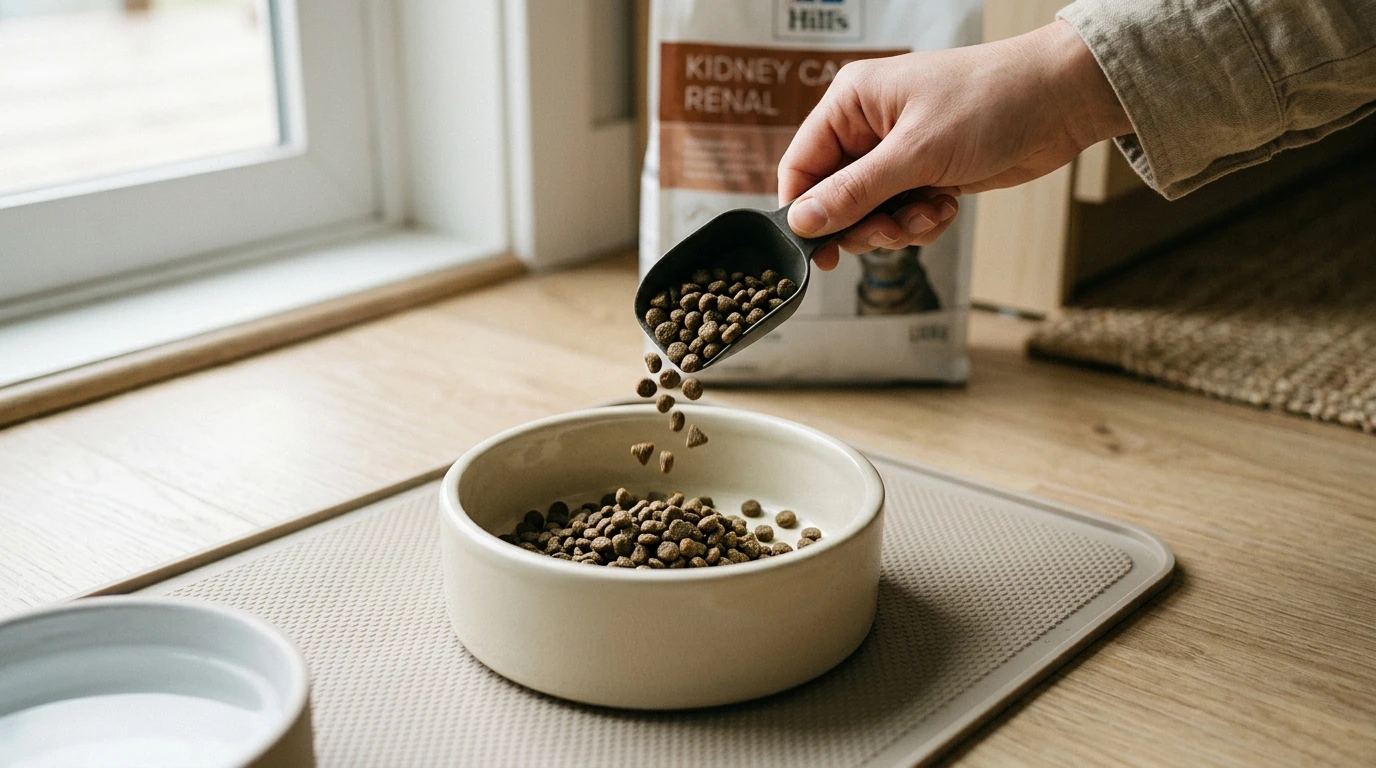
Several reputable pet food manufacturers offer specialized renal diets. While specific formulations vary, they generally adhere to the principles outlined above. Here's a comparative overview of typical characteristics you might find across different brands:
| Feature | Brand A Renal Support (Dry) | Brand B Kidney Care (Wet) | Brand C Senior Renal (Dry) |
|---|---|---|---|
| Protein (Dry Matter Basis) | ~28-30% | ~28-32% | ~29-31% |
| Phosphorus (Dry Matter Basis) | ~0.4% | ~0.35% | ~0.42% |
| Sodium (Dry Matter Basis) | ~0.3% | ~0.25% | ~0.32% |
| Omega-3 Fatty Acids | Added Fish Oil | Added Fish Oil | Added Flaxseed/Fish Oil |
| Moisture Content | ~8% | ~78% | ~7% |
| Caloric Density (kcal/cup or can) | ~400 kcal/cup | ~85 kcal/can (3oz) | ~390 kcal/cup |
| Key Feature | Specific pH balance | High palatability, high moisture | Antioxidant complex |
Avoiding Common Nutritional Missteps
Successfully managing CKD through diet requires diligence and awareness of potential pitfalls:
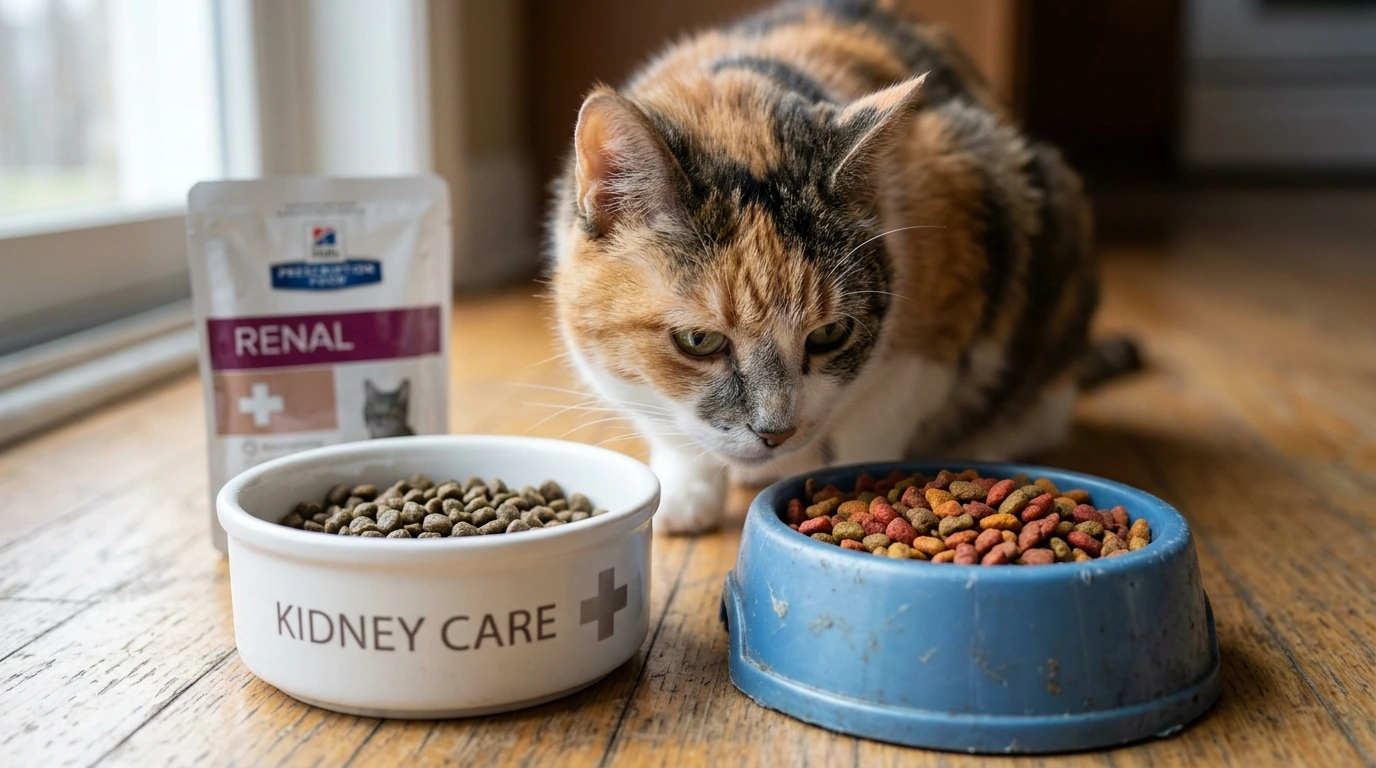
- Abrupt Dietary Changes: Cats are creatures of habit and can be sensitive to new foods. Introduce any new renal diet gradually over 7-10 days, mixing increasing amounts of the new food with decreasing amounts of the old.
- Ignoring Palatability: If your cat refuses a particular renal diet, do not force it. Consult your vet about trying a different brand, flavor, or texture (wet vs. dry). Eating something is always better than eating nothing, even if it's not the ideal renal diet initially.
- Supplementing Without Veterinary Guidance: Adding supplements or human foods can disrupt the carefully balanced nutrient profile of a therapeutic diet, potentially doing more harm than good. Always clear any additions with your veterinarian.
- Insufficient Hydration: Cats with CKD need ample access to fresh water. Consider water fountains, multiple water bowls, or incorporating wet food into their diet to increase fluid intake.
- Feeding Non-Renal Treats: Many commercial treats are high in phosphorus and sodium. Stick to veterinarian-approved treats or use small portions of their renal diet as rewards.
Monitoring Your Cat's Progress and Adapting the Diet
After transitioning to a kidney-supportive diet, regular veterinary check-ups are essential to monitor its effectiveness. Your veterinarian will likely recommend periodic blood and urine tests to assess kidney function (e.g., BUN, creatinine, phosphorus levels) and overall health. Key indicators of successful dietary management include:
- Stable or Improved Bloodwork: Reduced levels of kidney toxins and balanced electrolytes.
- Maintained Body Weight and Muscle Mass: Your cat should not be losing weight or muscle.
- Good Appetite and Activity Levels: An engaged and energetic cat indicates overall well-being.
- Improved Coat Condition: A shiny, healthy coat can be a sign of good nutrition.
- Reduced Vomiting or Lethargy: Alleviation of clinical signs associated with CKD.
Based on these assessments, your veterinarian may suggest adjustments to the diet or additional treatments. Kidney disease can progress, and dietary needs might evolve over time. Consistent communication with your veterinary team ensures your senior cat receives the best possible care.
Navigating Feline Adjustment: Identifying and Easing Stress in Your Cat's New Environment →
Frequently Asked Questions About Kidney Diets for Cats
- Can any senior cat food be used for kidney disease?
- No. Standard senior cat foods are not formulated with the specific protein, phosphorus, and sodium restrictions necessary for managing kidney disease. Only veterinary therapeutic diets designed for renal support should be used.
- How long does it take for a kidney diet to show results?
- Improvements in bloodwork and clinical signs can sometimes be observed within a few weeks to months, but it varies by individual cat and the stage of their disease. Consistent feeding and regular veterinary monitoring are crucial.
- What if my cat refuses to eat the prescribed kidney diet?
- Palatability is a common challenge. Do not let your cat go without eating. Discuss with your veterinarian trying different brands, flavors, or textures (wet vs. dry) of renal diets. Sometimes, a gradual transition or a prescription appetite stimulant might be recommended.
- Are homemade kidney diets an option?
- While possible, formulating a nutritionally complete and balanced homemade renal diet is extremely complex and requires precise veterinary nutritionist guidance. Imbalances can be detrimental. Commercial therapeutic diets are generally recommended due to their carefully controlled nutrient profiles.



Post a Comment for "Navigating Senior Cat Food for Kidney Health: A Comprehensive Buyer's Guide"