
Is Your Cat Truly Healthy or Showing Early Warning Signs?
Understanding your cat's health status is fundamental to ensuring their long and happy life. Felines are notoriously adept at concealing discomfort or illness, a survival instinct that can make early detection of health issues a challenge for even the most observant owner. Regular, proactive checks at home can provide invaluable insights, helping you differentiate between a thriving pet and one that might be experiencing a subtle health concern.
By familiarizing yourself with the key indicators of feline wellness, you empower yourself to act swiftly should any changes arise. This guide outlines essential observations and practical steps to help you monitor your cat's condition effectively.
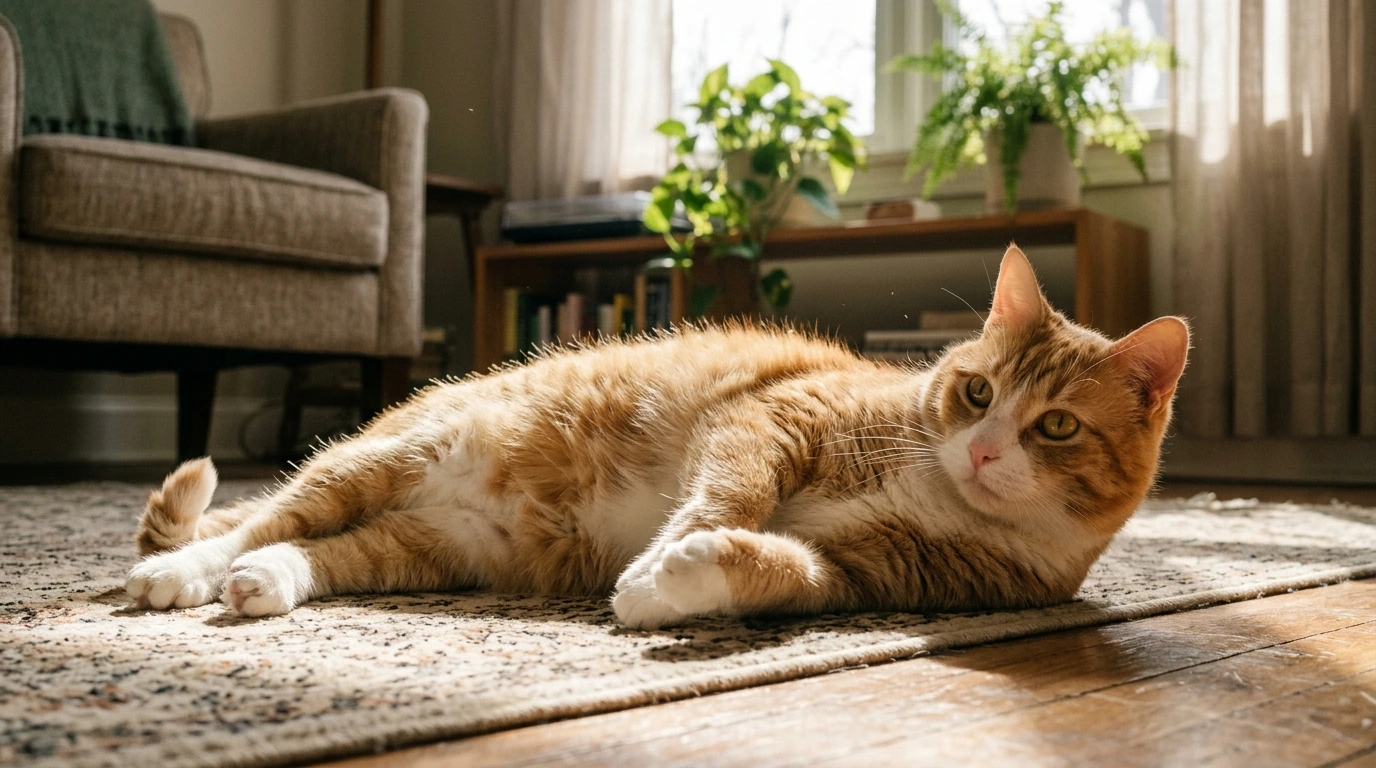
Key Takeaways for Feline Wellness
- Regular Observation is Crucial: Daily monitoring of your cat's behavior, appetite, and physical appearance can signal early changes.
- Comprehensive Physical Checks: Routinely examine your cat's coat, skin, eyes, ears, nose, and mouth for any abnormalities.
- Behavioral Shifts Matter: Changes in energy, litter box habits, vocalizations, or social interaction can indicate underlying issues.
- Veterinary Consultation is Key: Any persistent or concerning changes warrant a prompt discussion with your veterinarian.
Establishing Your Cat's Wellness Baseline
Before you can identify signs of ill health, it's essential to understand what 'normal' looks like for your individual cat. Every feline has unique characteristics, but a consistent baseline of physical condition and behavior is crucial. This foundational knowledge allows you to spot deviations quickly.
Required Observations and Tools:
- Daily Interaction: Spend time petting and observing your cat. Note their typical responses to touch and their general demeanor.
- Consistent Feeding & Watering: Monitor how much they eat and drink daily.
- Litter Box Monitoring: Keep an eye on the frequency, volume, and consistency of urine and stool.
- Visual Assessment: A good quality flashlight can aid in examining eyes, ears, and teeth.
- Grooming Tools: Regular brushing helps you feel for lumps, bumps, or skin issues.
- Veterinary Records: Keep up-to-date records of vaccinations, deworming, and previous health concerns.
A Step-by-Step Guide to Evaluating Feline Well-being
This systematic approach covers ten key indicators, offering granular instructions for a thorough home health check.
- Observe Coat and Skin Quality: A healthy cat typically has a clean, glossy coat free of mats, dandruff, or excessive shedding. Part the fur to check the skin for redness, scabs, parasites like fleas or ticks, or unusual bumps. The skin should be supple, not overly dry or oily.
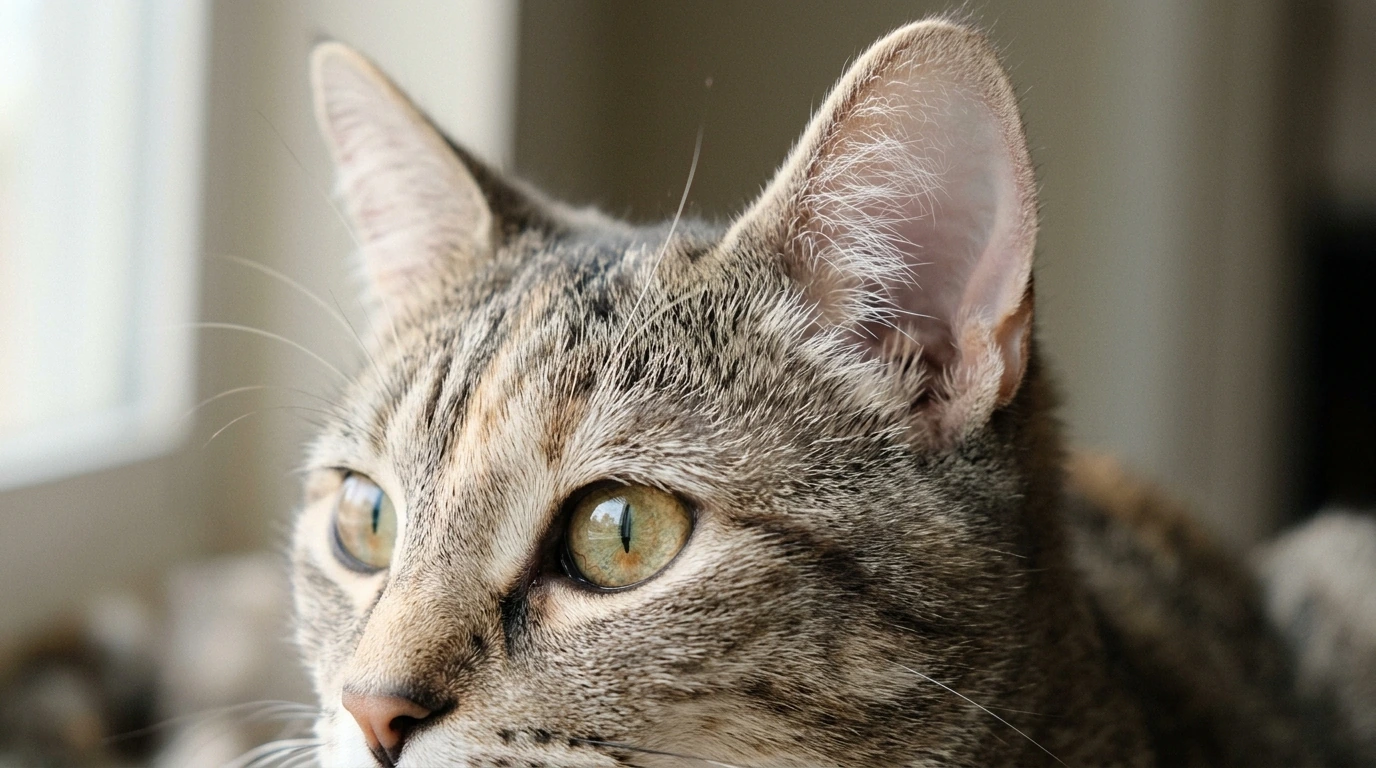
- Examine Eyes, Ears, and Nose: Eyes should be bright, clear, and free of discharge, redness, or cloudiness. Pupils should be equal in size. Ears should be clean, pale pink inside, and free of excessive wax, odor, or mites (which appear as dark, coffee-ground-like debris). The nose should be slightly damp and clean, without discharge or crusting.
- Check Dental Health and Breath: Gently lift your cat's lips to inspect their gums and teeth. Gums should be pink, not red, swollen, or pale. Teeth should be clean, free of excessive tartar (yellow-brown buildup), and not broken or loose. Breath should be relatively neutral, not foul or unusually sweet.
- Assess Body Condition: Feel along your cat's ribs, spine, and hips. You should be able to feel the ribs easily beneath a thin layer of fat, but they shouldn't be visibly protruding. There should be a noticeable waist when viewed from above. An hourglass shape indicates a healthy weight, while a barrel shape or prominent bones can signal obesity or underweight, respectively.
- Monitor Appetite and Thirst: A healthy cat maintains a consistent appetite and drinks water regularly. Note any sudden increase or decrease in food or water intake, or a complete refusal to eat or drink.
- Evaluate Litter Box Habits: Changes in urination (frequency, straining, inappropriate urination) or defecation (diarrhea, constipation, blood, mucus) are significant indicators. Healthy urine is typically pale yellow, and stools are firm, well-formed, and brown.
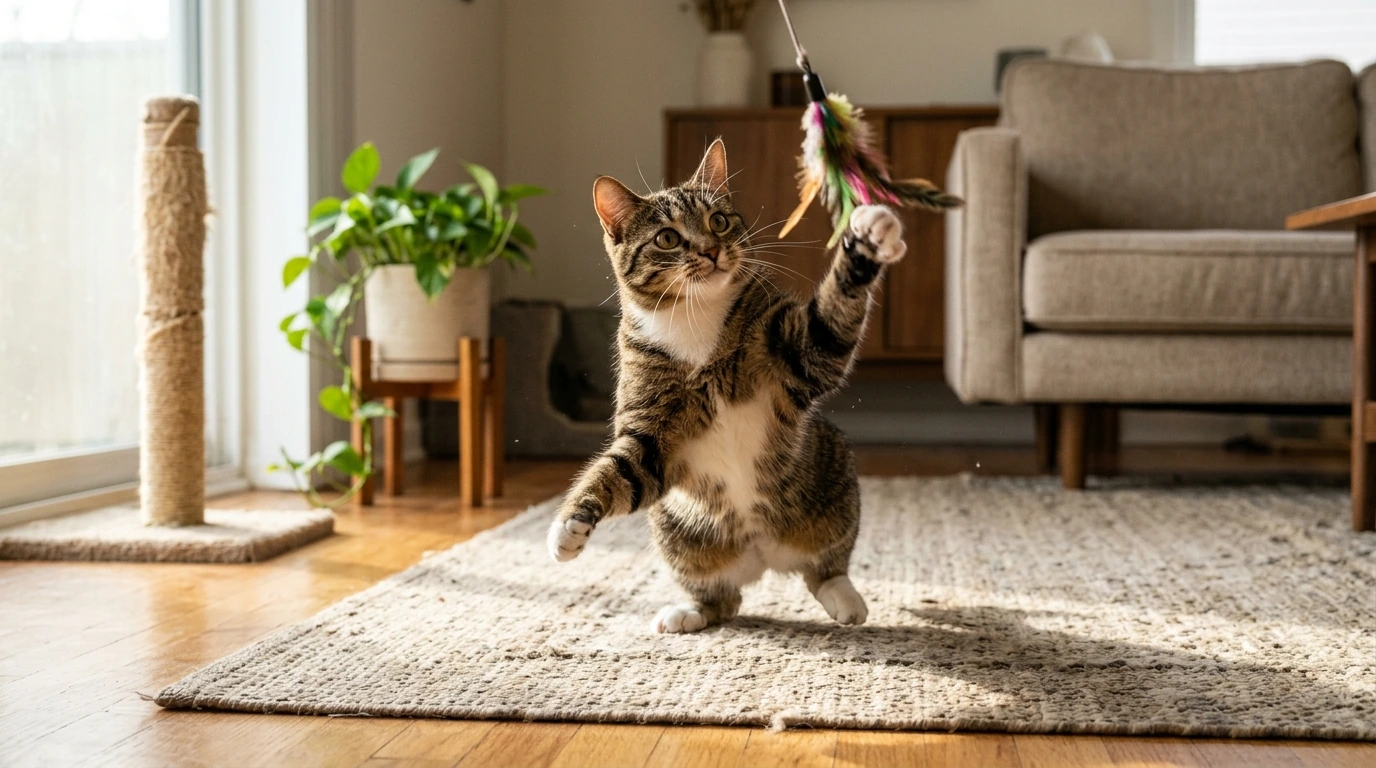
- Observe Energy Levels and Playfulness: Healthy cats are typically active and engage in play. While sleep patterns vary, a sudden decrease in energy, prolonged lethargy, or reluctance to play can be a red flag.
- Note Social Interaction and Affection: Many cats enjoy interaction with their owners. A sudden change in social behavior, such as becoming withdrawn, unusually aggressive, or overly clingy, can indicate stress or illness.
- Listen to Vocalizations: While some cats are more vocal than others, a noticeable change in the frequency, volume, or type of meows, purrs, or hisses can be a sign of discomfort or distress.
- Check Mobility and Gait: Observe how your cat walks, jumps, and climbs. They should move fluidly without limping, stiffness, or reluctance to use certain limbs. Difficulty jumping onto favorite perches can indicate joint pain.
Common Misinterpretations and What to Avoid
Even with careful observation, it's easy to misinterpret signs or overlook critical details. Avoiding these common pitfalls can prevent delayed treatment or unnecessary worry.
- Dismissing Subtle Changes: A slight decrease in appetite or a minor shift in litter box habits might seem insignificant, but for a cat, these can be early indicators of a developing problem.
- Attributing Symptoms to Age: While older cats may slow down, lethargy or difficulty moving should not automatically be dismissed as 'just old age.' Many age-related issues are treatable.
- Self-Diagnosing: Relying on internet searches for diagnosis can lead to incorrect conclusions and inappropriate home remedies. Professional veterinary assessment is always recommended.
- Waiting for Obvious Symptoms: Cats are masters of disguise. By the time symptoms become obvious, an illness may be more advanced and harder to treat.
PRO VET TIP: The Importance of Baseline Knowledge
Understanding your individual cat's 'normal' is paramount. What might be a concerning change for one cat (e.g., increased vocalization) could be typical behavior for another. Keep a mental or written log of your cat's usual habits to quickly identify deviations that warrant attention.
Confirming Ongoing Feline Vitality
Monitoring your cat's health is an ongoing process, not a one-time check. Consistent vigilance and regular veterinary check-ups are the cornerstones of long-term feline wellness.
Regular Health Review Checklist:
- Annual or Bi-Annual Veterinary Exams: These professional check-ups are essential for detecting issues not visible at home and for preventative care.
- Weight Monitoring: Weigh your cat monthly using a pet scale or by weighing yourself, then holding your cat and subtracting your weight. Significant fluctuations can indicate health problems.
- Grooming Routine: Regular brushing not only maintains coat health but also provides an opportunity for a hands-on physical check.
- Vaccination and Parasite Control: Ensure your cat is up-to-date on all recommended vaccinations and receives appropriate parasite prevention as advised by your vet.
- Dental Care: Implement a home dental care routine, such as brushing, if your cat tolerates it, and discuss professional dental cleanings with your veterinarian.
Frequently Asked Questions About Feline Health
- How often should I check my cat's health at home?
- A quick daily observation of appetite, thirst, and litter box habits is ideal. A more thorough physical check, like examining coat, eyes, and ears, can be done weekly or bi-weekly, especially during grooming sessions.
- What are the most urgent signs that require immediate vet attention?
- Difficulty breathing, persistent vomiting or diarrhea, straining to urinate (especially in male cats), sudden collapse, severe pain, or any acute, unexplained lameness or weakness warrant immediate veterinary care.
- Can a cat truly hide illness effectively?
- Yes, cats are experts at hiding pain and illness due to their evolutionary instincts as both predator and prey. This is why subtle changes in behavior or routine can be so significant and why consistent observation is vital.
- Is an annual vet check-up enough?
- For younger, healthy cats, an annual check-up is generally sufficient. However, for senior cats (typically over 7-10 years) or those with chronic health conditions, bi-annual (twice a year) check-ups are often recommended to monitor their health more closely.



Post a Comment for "Is Your Cat Truly Healthy or Showing Early Warning Signs?"