
Naming Your Purebred Puppy: A Guide to Popular Choices and Pet Medical Insurance Considerations
Selecting a name for a new purebred puppy is an exciting milestone, often reflecting personality, heritage, or aspirations. Beyond sentiment, this decision can subtly intersect with practical considerations, particularly when discussing emergency pet medical insurance policies. The chosen name becomes a core identifier, influencing everything from veterinary records to official insurance documentation, making its selection a foundational step in responsible pet ownership.

The Significance of a Purebred's Moniker
A puppy's name is more than just a label; it's the first step in establishing its identity within your family and the broader community. For purebreds, names often carry additional weight, sometimes reflecting lineage, breed characteristics, or even the kennel's branding. Many owners consider factors such as ease of pronunciation for training, uniqueness, and how the name might sound as the puppy grows into an adult dog. The decision process can involve family discussions, research into popular trends, or a nod to a beloved fictional character or historical figure.
While the emotional connection to a name is paramount, its practical application in official records, including those for pet medical insurance, requires attention. Consistency across all documentation is vital to avoid complications down the line.
Current Trends in Purebred Puppy Naming
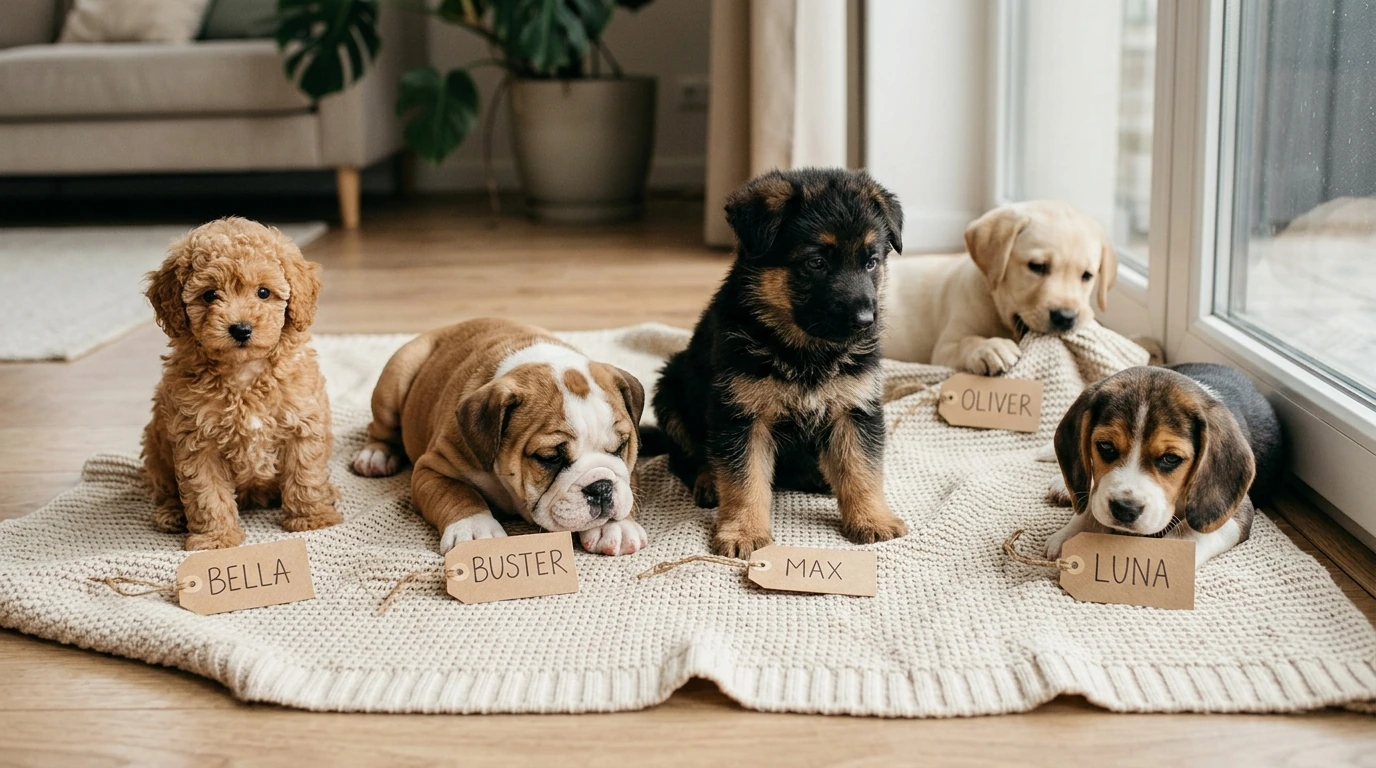
The landscape of popular puppy names evolves annually, influenced by pop culture, human baby name trends, and a desire for both classic and distinctive choices. In 2026, data from various pet registries and veterinary clinics indicate a continued preference for human-sounding names, alongside perennial favorites that evoke strength, loyalty, or charm.
Human-Inspired Names
Names like Luna, Bella, Max, Charlie, and Cooper consistently rank high. These names offer a sense of familiarity and integrate the pet seamlessly into family dynamics. For purebreds, a classic human name can sometimes underscore their dignified presence or gentle nature.
Nature and Mythology
Drawing inspiration from the natural world or ancient lore remains popular. Names such as Willow, River, Skye, Apollo, and Athena are frequently chosen, often reflecting the dog's spirit or appearance. These choices can be particularly fitting for breeds with strong historical backgrounds or those known for their outdoor prowess.
Breed-Specific Inspirations
Owners of specific purebreds often lean towards names that resonate with the breed's origin or characteristics:
- Golden Retrievers: Often receive warm, friendly names like Buddy, Daisy, Sunny, or Finn.
- German Shepherds: Command names that suggest strength and intelligence, such as Rex, Duke, Baron, or Sadie.
- French Bulldogs: Frequently get quirky or sophisticated names like Pierre, Gigi, Olive, or Winston.
- Poodles: Elegant names like Coco, Fifi, Bentley, or Sophie are common.

The Interplay of Naming and Pet Medical Insurance
While a puppy's name itself does not directly influence insurance premiums or policy eligibility, the accurate and consistent recording of that name is fundamental to the insurance process. Pet medical insurance providers rely on precise identification to link a policy to a specific animal. Discrepancies between the name on veterinary records, microchip registration, and insurance documents can lead to delays or complications during claims processing.
Ensuring Seamless Identification
When you enroll your purebred puppy in an emergency pet medical insurance plan, the name you provide will be the primary identifier. It is crucial that this name matches:
- Veterinary Records: Your vet's office will use this name for all appointments, diagnoses, and treatments.
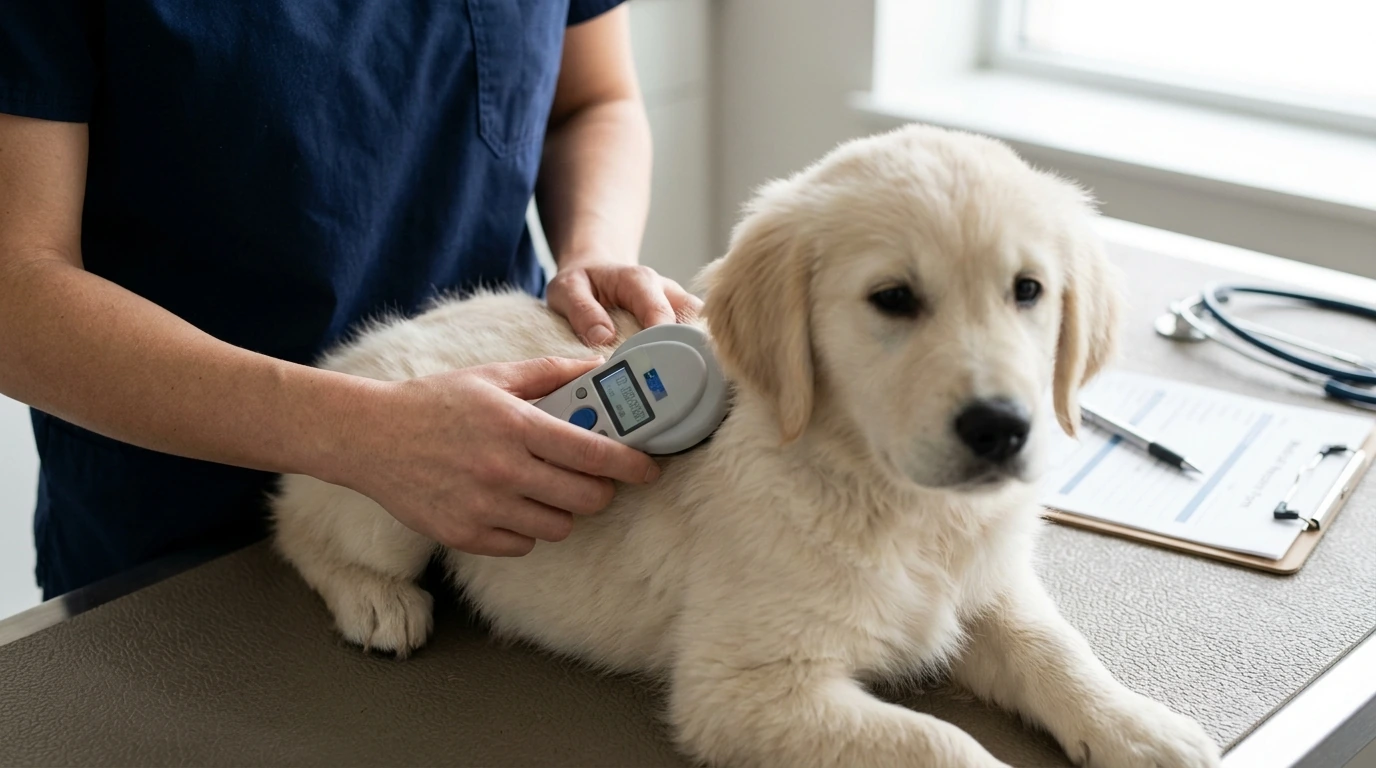
- Microchip Registration: If your puppy is microchipped (highly recommended), the name linked to the microchip database should be identical.
- Breeder Documentation: Any papers or certificates from the breeder should reflect the chosen name, especially if it's a registered kennel name.
- Local Licensing: Your local municipality may require pet registration, where consistent naming is also important.
Any variance, even a minor spelling difference, could flag a discrepancy. For instance, if your puppy is named "Charlie" on your insurance policy but "Charley" in vet records, it might require extra steps to verify identity during a claim.
Practical Naming for Long-Term Pet Health Management
Choosing a name with longevity and clarity in mind can contribute to a smoother pet ownership experience, especially concerning health and insurance matters. A name that is easy to spell and pronounce reduces the chances of transcription errors across various platforms and professionals. While a unique or complex name might appeal, consider its practical implications for administrative tasks.
It's also worth noting that some insurance providers might ask for the dog's registered name if it has one, in addition to its "call name." Being prepared with this information and ensuring all details match across your documents streamlines the administrative process, allowing you to focus on your puppy's well-being.

Frequently Asked Questions
Does my puppy's name affect pet insurance premiums?
No, a puppy's name itself does not directly affect insurance premiums. Factors such as breed, age, location, and the specific policy coverage chosen are what influence premium costs. The name's importance lies in consistent identification for administrative purposes.
What if I change my puppy's name after getting insurance?
If you change your puppy's name, you must notify your pet insurance provider, your veterinarian, and update the microchip registration immediately. This ensures all records remain consistent, preventing potential issues with claims processing.
Should I choose a unique name or a common one for my purebred?
The choice is entirely personal. A unique name can be distinctive, while a common name might offer familiarity. From an insurance perspective, the crucial aspect is ensuring the chosen name is accurately recorded and consistently used across all official documents, regardless of its commonality.
Is it important for my purebred's registered name to match its call name for insurance?
While many owners use a "call name" different from a formal registered name (especially for show dogs), insurance providers primarily use the name you provide when enrolling the policy. It's essential that this name is consistent across your vet records and microchip registration. If your purebred has a registered name, some insurers might ask for it for additional identification, so having that information readily available is beneficial.



Post a Comment for "Naming Your Purebred Puppy: A Guide to Popular Choices and Pet Medical Insurance Considerations"