
Daily Observations That Signal a Healthy Dog at Home
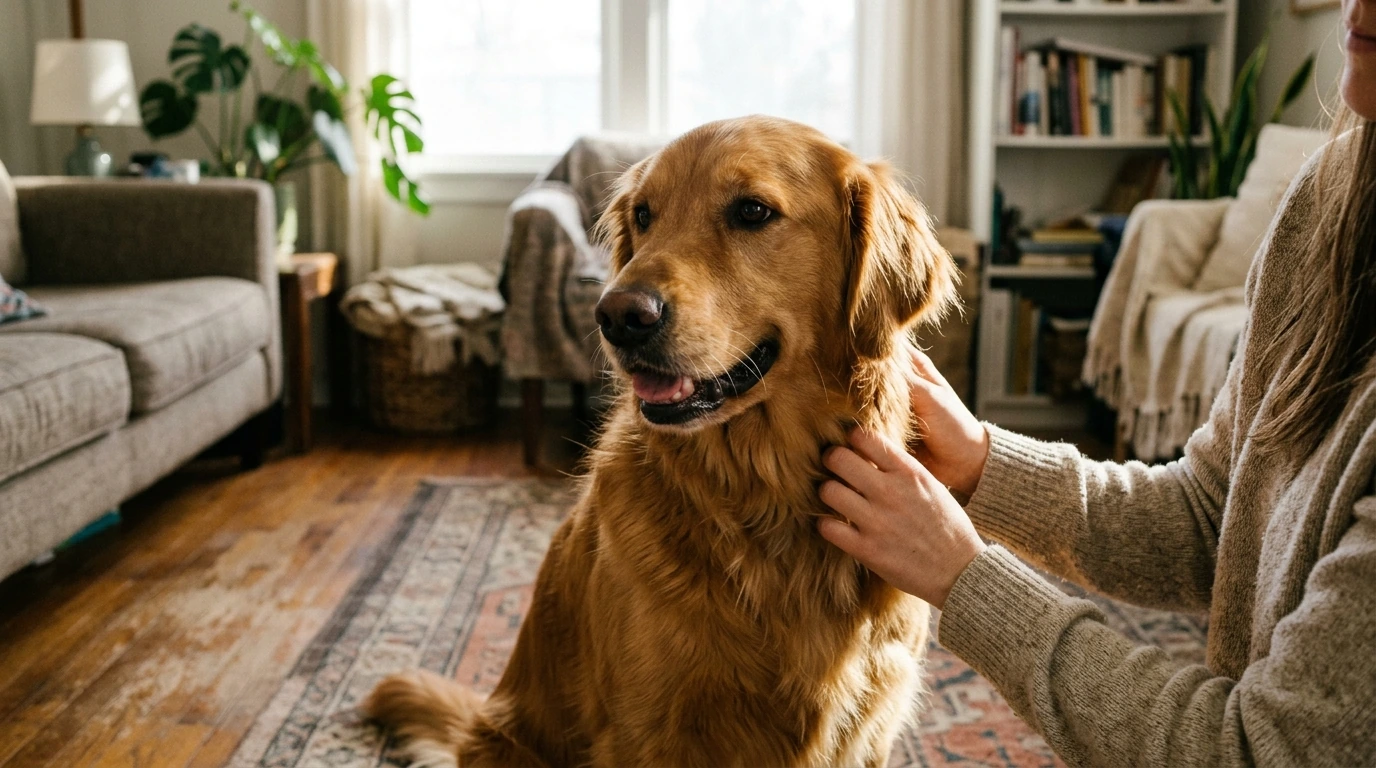
Understanding your dog's baseline health is a cornerstone of responsible pet ownership. Regular observation can empower you to identify subtle changes early, often before they escalate into significant concerns requiring extensive veterinary intervention. This proactive approach helps ensure your canine companion enjoys a long, vibrant life.
Key Takeaways
- Regular home checks empower early detection of health changes in your dog.
- Observe your dog's energy, appetite, and coat condition daily as primary indicators.
- Healthy eyes, ears, and gums are vital signs reflecting internal well-being.
- Consistent stool and urine quality offer crucial insights into digestive and urinary health.
Essential Tools for Your Canine Wellness Check
Before you begin a thorough home assessment, gathering a few simple items can make the process more effective and comfortable for both you and your dog. These tools are readily available and require no specialized training to use.
- Good Lighting: A well-lit room or a small flashlight for examining hard-to-see areas like ears and mouth.
- Treats: To reward cooperation and make the experience positive.
- Gloves: Optional, but recommended for examining stool or if you have sensitive skin.
- Soft Cloth/Cotton Balls: For gently wiping eyes or ears if needed.
- Pet First-Aid Kit: Always good to have on hand for minor issues that might arise.
Conducting Your Dog's Home Health Assessment
Performing a routine check of your dog involves a systematic approach, observing different aspects of their physical condition and behavior. This guide outlines 10 key areas to focus on.
- Observe Energy and Behavior: A healthy dog typically displays consistent energy levels, engaging in play, walks, and daily activities with enthusiasm. Look for any sudden lethargy, excessive hiding, or unusual aggression, which could signal discomfort or illness.
- Evaluate Appetite and Thirst: Your dog's eating and drinking habits should be consistent. A healthy appetite and appropriate water intake are fundamental. A sudden decrease or increase in either, or difficulty eating/swallowing, warrants attention.
- Inspect Coat and Skin: A shiny, clean coat with no excessive shedding (beyond seasonal changes) and healthy, pliable skin are good indicators. Check for dandruff, dry patches, redness, lumps, parasites (fleas, ticks), or hair loss.
- Examine Eyes: Eyes should be bright, clear, and free of discharge. The whites of the eyes should not be yellow or excessively red. Look for signs of squinting, excessive tearing, cloudiness, or sensitivity to light.
- Check Ears: Ears should be clean, free of excessive wax, odor, or discharge. The skin inside the ear flap should be light pink. Signs of a problem include redness, swelling, scratching, head shaking, or a foul smell.
- Assess Nose: A dog's nose can be wet or dry, but it should be clean and free of thick discharge, crusting, or sores. Occasional clear discharge is normal, but colored or excessive discharge is concerning.
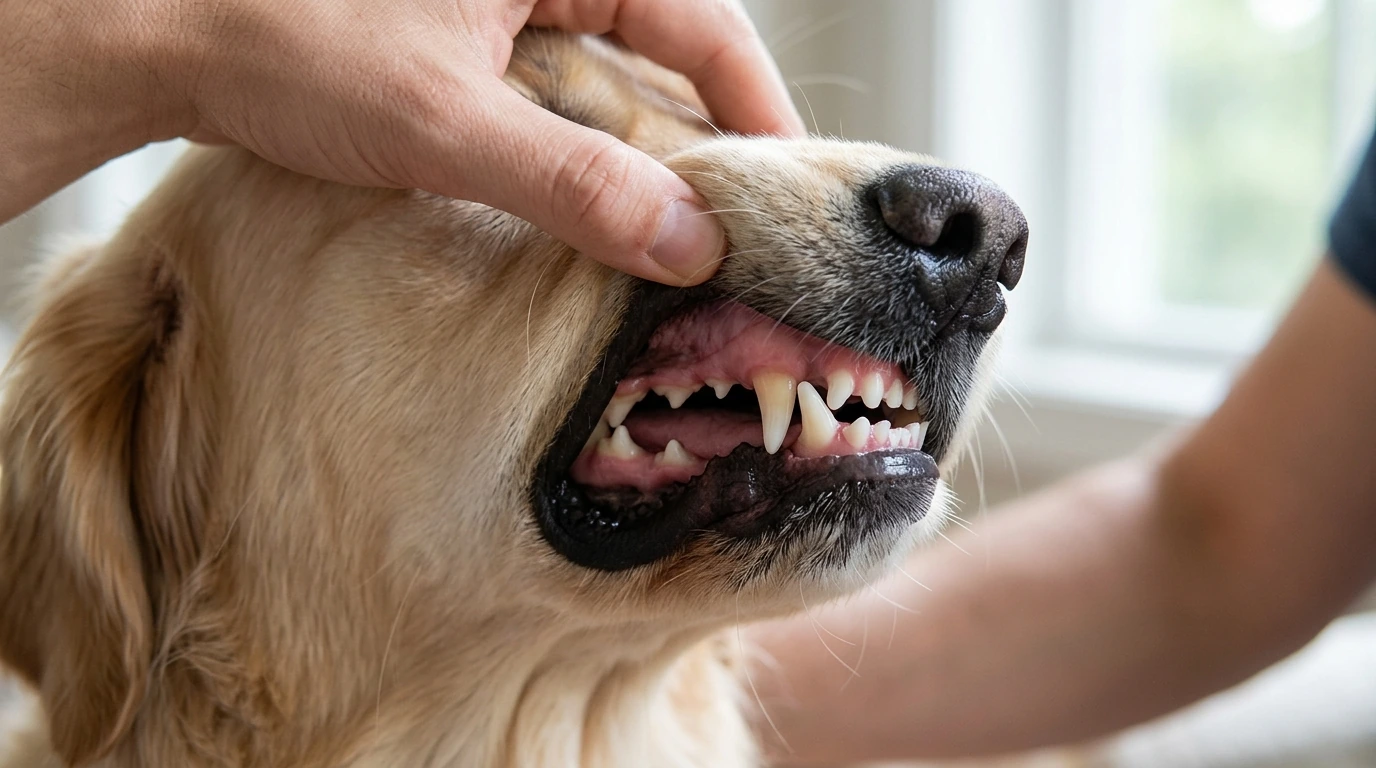
- Inspect Mouth and Gums: Healthy gums are typically pink and moist. Press a finger against the gum; the color should return quickly (capillary refill time). Teeth should be clean, free of excessive tartar, and no foul odor should be present. Look for broken teeth, redness, or swelling.
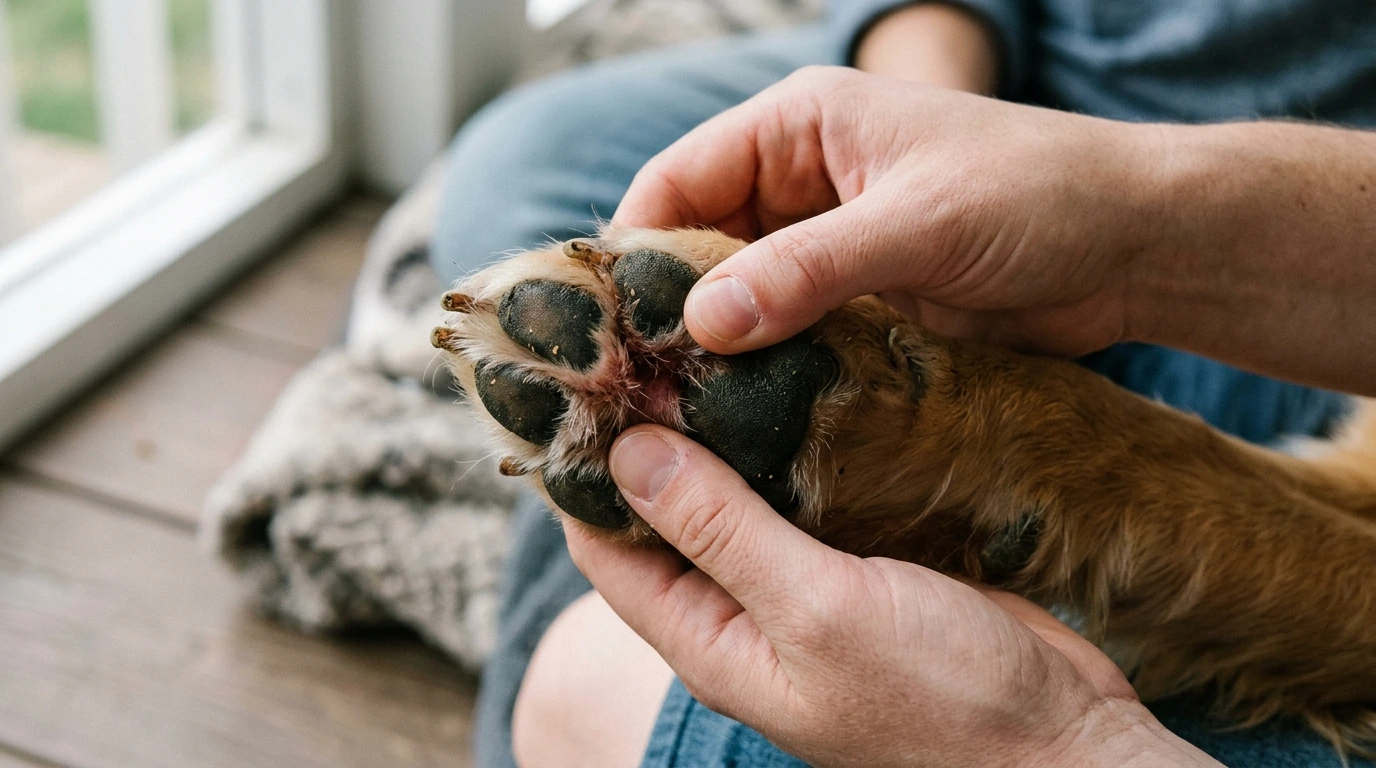
- Monitor Paw Health: Check paw pads for cracks, cuts, or foreign objects. Inspect between the toes for redness, swelling, or irritation. Nails should be trimmed to an appropriate length, not causing discomfort.
- Review Stool Consistency and Urination: Stool should be firm, moist, and consistent in color and shape. Urination should be regular, clear, and free of straining or excessive frequency. Any significant changes in color, consistency, or frequency of elimination warrant attention.
- Palpate for Lumps or Tenderness: Gently run your hands over your dog's entire body, feeling for any new lumps, bumps, swelling, or areas of tenderness. Note any changes in existing growths.
Common Misinterpretations During Home Checks
While home checks are invaluable, it's easy to misinterpret certain signs. For instance, a dog's nose can fluctuate between wet and dry throughout the day, and a dry nose alone is not a reliable indicator of fever or illness. Similarly, a dog might occasionally skip a meal due to stress or minor upset without it being a serious health issue. It's the consistency and duration of a change that often matters most.
PRO TIP: Establish a Baseline
Regularly perform these checks when your dog is healthy. This helps you learn what is normal for your specific dog, making it much easier to spot subtle deviations that might indicate a problem later on. Consistency is key to accurate assessment.
Confirming Your Dog's Ongoing Vitality
After conducting your home assessment, ongoing vigilance is crucial. A single check provides a snapshot, but continuous monitoring helps confirm your dog's sustained well-being and allows for prompt action if issues arise. Here’s a checklist for ongoing confirmation:
- Daily Behavior Log: Keep a mental or written note of daily energy levels, playfulness, and social interaction.
- Appetite & Water Intake Tracking: Note any changes in how much your dog eats or drinks over several days.
- Elimination Consistency: Observe stool and urine output daily for any persistent changes in frequency, volume, or appearance.
- Grooming Habits: Pay attention to excessive licking, scratching, or chewing, which could indicate skin irritation or pain.
- Regular Vet Check-ups: Even with diligent home checks, routine veterinary examinations remain essential for professional assessment, vaccinations, and preventive care.



Post a Comment for "Daily Observations That Signal a Healthy Dog at Home"