
The Dog Safety Checklist Owners Often Miss Before a GPS Tracker
The Unforeseen Risks of Unmonitored Canine Companions
Many dog owners cherish the freedom their pets enjoy, whether in a fenced yard, at a dog park, or during adventurous hikes. However, the sobering reality is that even the most well-behaved dogs can become disoriented, escape, or be stolen, leading to heartbreaking outcomes that could often be prevented with proactive measures.
Understanding the full spectrum of risks your dog faces without a reliable, real-time tracking solution is a critical first step toward ensuring their lifelong safety and your peace of mind.
Key Takeaways
- GPS trackers offer a vital layer of real-time protection against common risks like escapes, theft, and disorientation.
- Modern devices provide more than just location; they integrate geofencing, activity monitoring, and historical data for comprehensive insights.
- Choosing a tracker involves balancing battery life, connectivity type, subscription costs, and durability for your dog's lifestyle.
- While GPS is powerful, it complements, rather than replaces, traditional safety measures such as microchipping, proper training, and secure physical boundaries.
The Silent Threats to Your Dog's Freedom
Every year, millions of dogs go missing. Data frequently reported by animal welfare organizations indicates that a significant percentage of lost pets are never reunited with their families. The reasons are varied and often unexpected:
- Accidental Escapes: A gate left ajar, a sudden loud noise, or an enticing scent can lead to even the most loyal dog wandering off.
- Theft: Unfortunately, dog theft is a growing concern, with certain breeds being targeted more frequently. A tracker can be the only hope for recovery in such distressing situations.
- Disorientation: Dogs can easily get lost in unfamiliar territories, dense woods, or even during a simple walk if they become separated from their owner.
- Environmental Hazards: Once lost, dogs face dangers from traffic, exposure to harsh weather, encounters with wildlife, and lack of food or water.
The emotional toll on owners is immense, often accompanied by frantic searches and the agonizing uncertainty of their pet's fate. A GPS tracker provides a proactive solution, transforming uncertainty into actionable information.
How Modern Tracking Solutions Fortify Canine Security
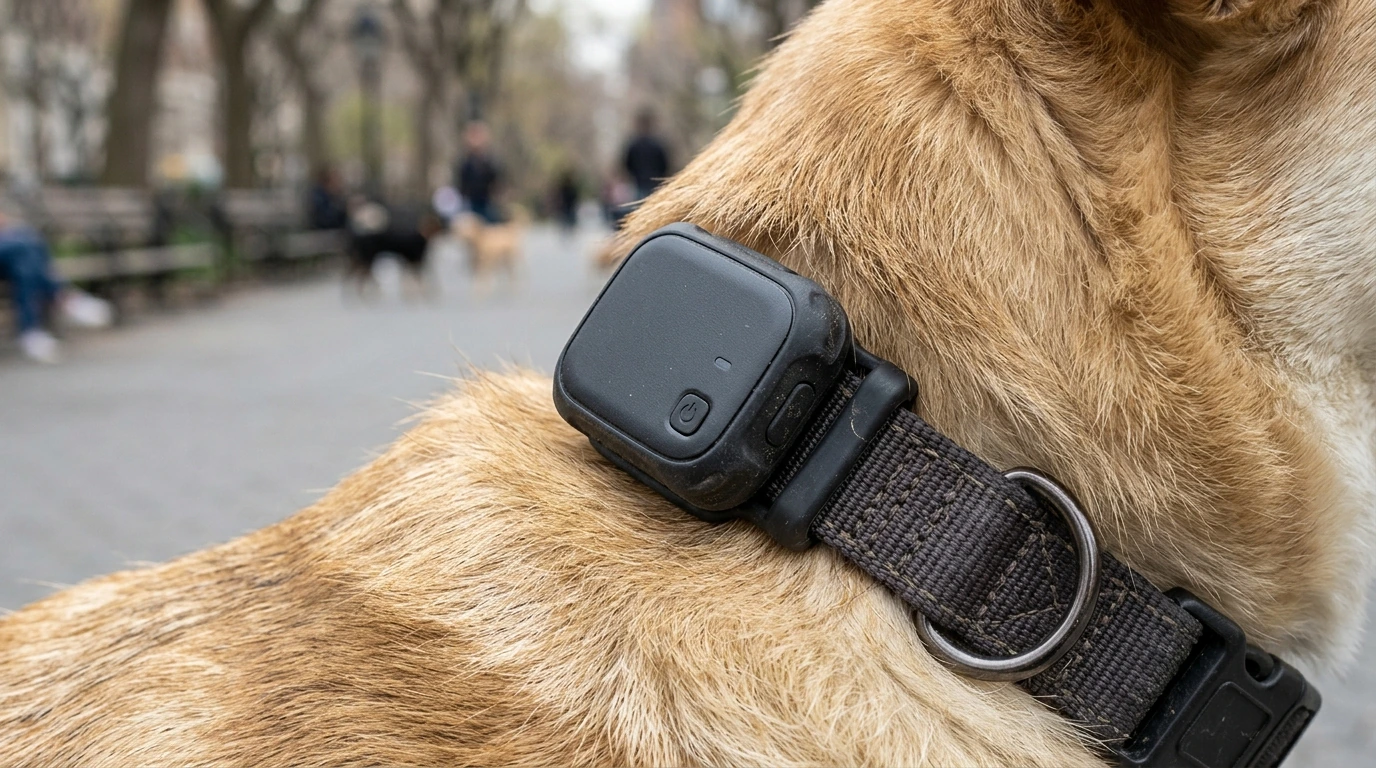
GPS trackers for dogs have evolved significantly, moving beyond simple location pings to offer a robust suite of safety features. These devices leverage global positioning system technology, often augmented by cellular networks, to provide precise, real-time location data.
Real-time Location Monitoring
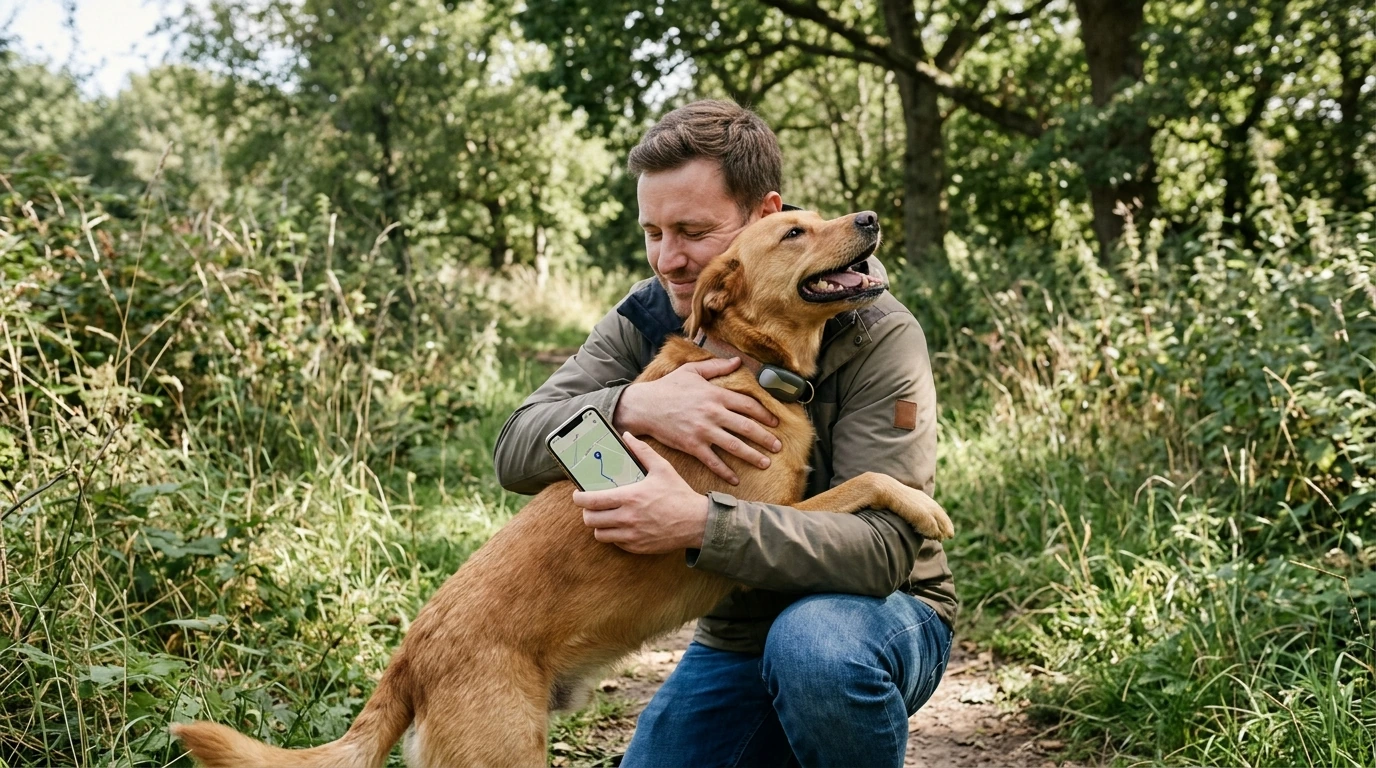
The core function of any GPS tracker is to show your dog's exact position on a map, typically accessible via a smartphone app. High-quality trackers update location every few seconds or minutes, allowing owners to follow their dog's movements with remarkable precision. This capability is invaluable during an active search, guiding you directly to your pet.
Geofencing and Alert Systems
Many advanced trackers allow you to set up virtual boundaries, or “geofences,” around safe areas like your home, yard, or a designated park. If your dog crosses these predefined perimeters, you receive an instant alert on your phone. This proactive notification system means you’re aware of an escape attempt almost immediately, significantly reducing the time your dog is unsupervised.
Activity and Health Insights
Some premium GPS trackers integrate accelerometers and other sensors to monitor your dog's activity levels, sleep patterns, and even estimated calorie burn. While not a substitute for veterinary care, this data can offer valuable insights into your dog's overall well-being and alert you to potential changes in behavior that might warrant attention.
Choosing the Right GPS Tracker for Your Canine Companion
Selecting a GPS tracker involves considering several factors tailored to your dog's size, activity level, and your specific needs. The market offers a range of devices, each with its own strengths.
Pro Tip: Battery Life Management
Always prioritize battery life and establish a consistent charging routine. Even the best tracker is useless if it's dead when you need it most. Consider models with power-saving modes or extended battery options for adventurous dogs.
Comparative Overview of Tracker Types
| Feature | Entry-Level Tracker | Mid-Range Smart Tracker | Premium Feature-Rich Tracker |
|---|---|---|---|
| Typical Battery Life | 1-3 days | 3-7 days | 7-14+ days (with power-saving) |
| Connectivity | Basic GPS, some Bluetooth | GPS + Cellular (2G/4G) | GPS + Cellular (4G LTE-M), Wi-Fi, Bluetooth |
| Subscription Required | Often Yes (for cellular) | Yes (for cellular data) | Yes (for cellular data) |
| Durability Rating | Splash-resistant (IPX4) | Water-resistant (IPX7) | Waterproof (IPX8), shock-resistant |
| Key Features | Live tracking, basic geofence | Real-time tracking, advanced geofence, activity monitor | Real-time HD tracking, unlimited geofence, activity/sleep monitor, health insights, light/sound locator |
| Device Size/Weight | Compact, lightweight | Moderate size | Slightly larger, but optimized |
When evaluating options, consider the network coverage in your area, as most trackers rely on cellular networks for transmitting location data. Also, assess the device's comfort and weight for your dog, especially for smaller breeds.
Integrating a Tracker into Your Dog's Daily Life
Once you've chosen a tracker, successful integration is key. Introduce the device gradually, allowing your dog to get accustomed to wearing it. Ensure it's securely attached to a comfortable collar or harness without being too tight or too loose.
- Consistent Charging: Make charging a part of your daily or weekly routine, depending on the device's battery life.
- Geofence Setup: Immediately establish geofences for all areas your dog frequents, such as your home, workplace, or a relative’s yard.
- App Familiarity: Spend time understanding all features of the companion app, including alert settings, tracking history, and any activity monitoring dashboards.
- Regular Checks: Periodically check the tracker's functionality, ensuring it’s powered on and connected.
A Comprehensive Approach to Canine Safety
While a GPS tracker is an invaluable tool, it's most effective as part of a multi-layered safety strategy. No single solution guarantees absolute protection, but combining several measures significantly reduces risks.
- Microchipping: A permanent form of identification, essential for veterinary clinics and shelters to identify lost pets. Ensure your contact information is always up-to-date with the microchip registry.
- ID Tags: A simple, immediate identifier. Include your phone number and address on a sturdy tag attached to your dog's collar.
- Training and Recall: Reliable recall training is paramount. A dog that responds consistently to commands is less likely to wander far or get into dangerous situations.
- Secure Fencing: Regularly inspect your yard for weak spots, holes, or gates that could be compromised.
- Responsible Supervision: Active supervision, especially in unfamiliar or busy environments, remains the first line of defense.
Frequently Asked Questions About Dog GPS Trackers
- How accurate are dog GPS trackers?
- Modern GPS trackers typically offer accuracy within 5-10 meters in open areas. Accuracy can be reduced in dense urban environments, indoors, or under heavy tree cover, but most devices utilize Wi-Fi or cellular triangulation to improve precision.
- Do all GPS trackers for dogs require a monthly subscription?
- Most GPS trackers that use cellular networks to transmit location data do require a monthly or annual subscription. This fee covers the cost of data transmission, similar to a cell phone plan. Bluetooth-only trackers do not require a subscription but have a very limited range.
- Are GPS trackers comfortable for all dog sizes?
- Manufacturers design trackers in various sizes and weights. It's crucial to choose a device appropriate for your dog's breed and size to ensure comfort and prevent irritation. Always check the product specifications for recommended dog weights.
- What is the typical battery life of a dog GPS tracker?
- Battery life varies significantly by model and usage, ranging from 1-3 days for basic models with frequent updates to over two weeks for premium devices with power-saving features. Factors like tracking frequency and signal strength affect battery drain.
Securing Peace of Mind for Your Canine Companion
The bond with a dog is profound, and the thought of them going missing is a fear shared by nearly every owner. The advancements in GPS tracking technology in 2026 offer an unprecedented level of security, providing real-time awareness and the ability to act swiftly if your dog ever strays. While a GPS tracker is not a substitute for responsible pet ownership, training, and secure environments, it serves as an indispensable safety net, offering a critical advantage in preventing the devastating realization many owners face too late. Investing in a quality GPS tracker is investing in your dog's safety and your own tranquility.



Post a Comment for "The Dog Safety Checklist Owners Often Miss Before a GPS Tracker"