
Feline Weight Management: Unpacking Top Wet Food Options for Obesity
Feline obesity is a growing concern, impacting millions of cats globally and significantly shortening their lifespan while increasing risks for conditions like diabetes, arthritis, and urinary tract disease. Addressing this challenge often begins with a critical look at their diet. While dry kibble frequently contributes to excess weight due to its higher caloric density and free-feeding practices, wet cat food can be a powerful ally in the battle against the bulge.
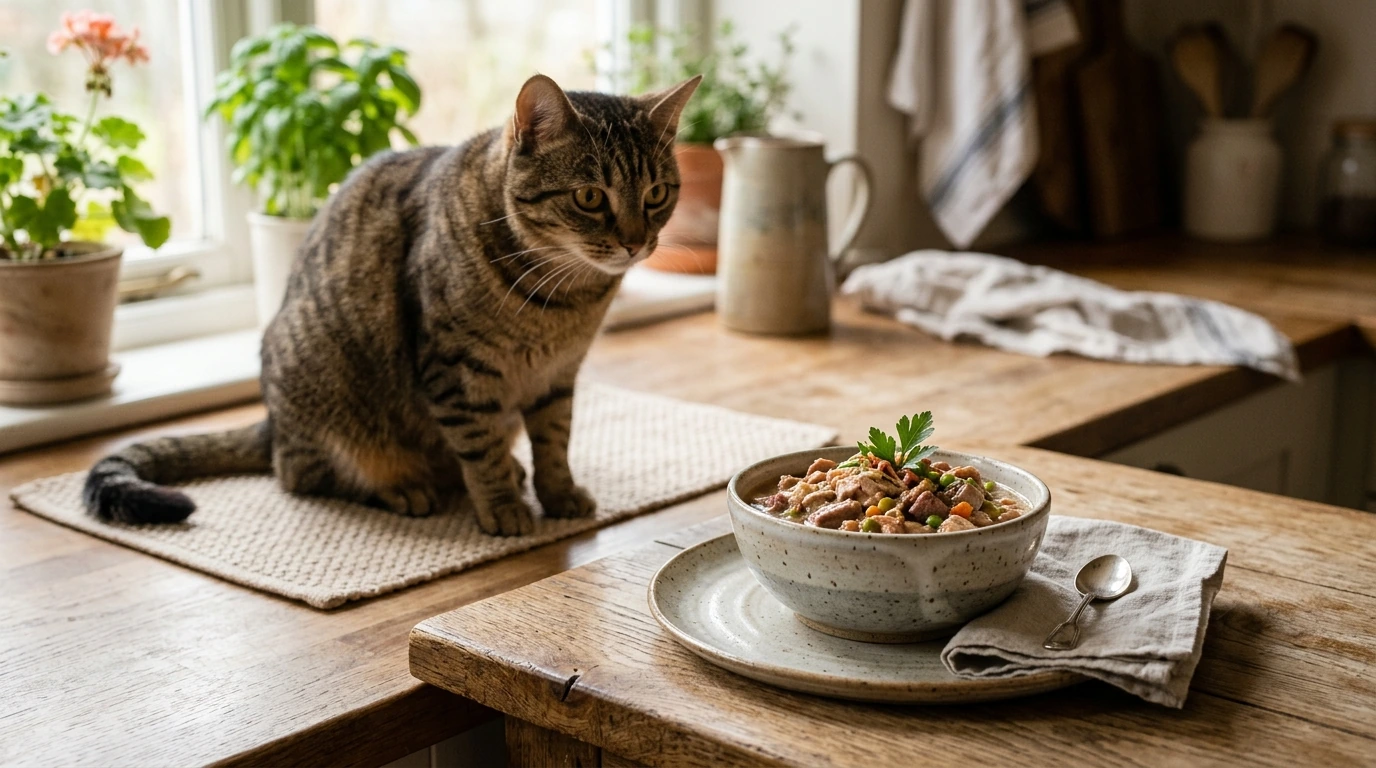
Understanding the Feline Obesity Epidemic
Many cats consume more calories than they expend, leading to gradual weight gain. A sedentary lifestyle, coupled with readily available, highly palatable food, creates an environment ripe for obesity. Wet food, with its naturally higher moisture content, offers several advantages for weight management:
- Increased Satiety: The water in wet food helps cats feel fuller with fewer calories, reducing overall intake.
- Lower Caloric Density: Compared to an equal volume of dry food, wet food typically contains fewer calories.
- Improved Hydration: Enhanced hydration supports kidney health and overall metabolic function.
Starting Your Cat's Weight Loss Journey
Before initiating any dietary changes, a consultation with a veterinarian is essential. They can rule out underlying medical conditions contributing to weight gain and help establish a safe, realistic target weight. Key tools for this journey include:
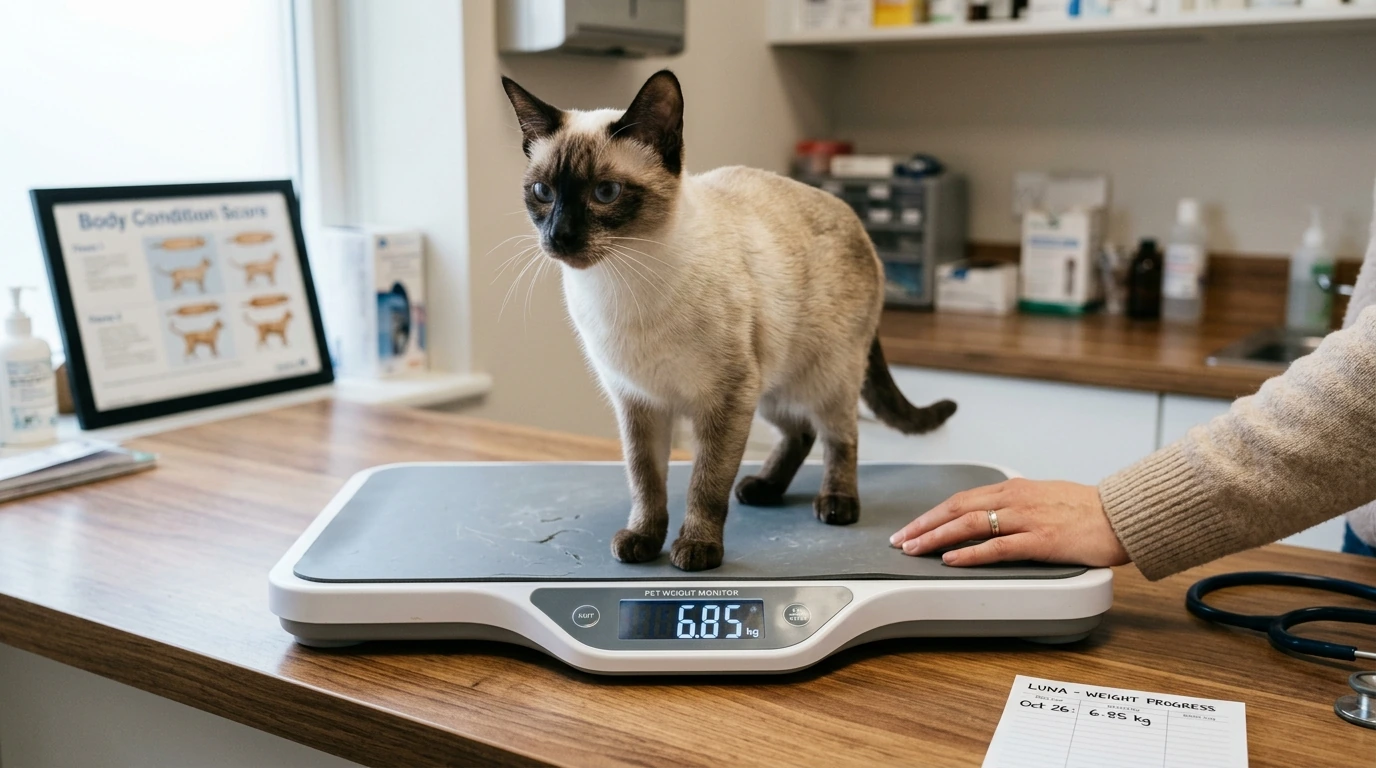
- Accurate Pet Scale: Regular, consistent weighing is crucial for monitoring progress.
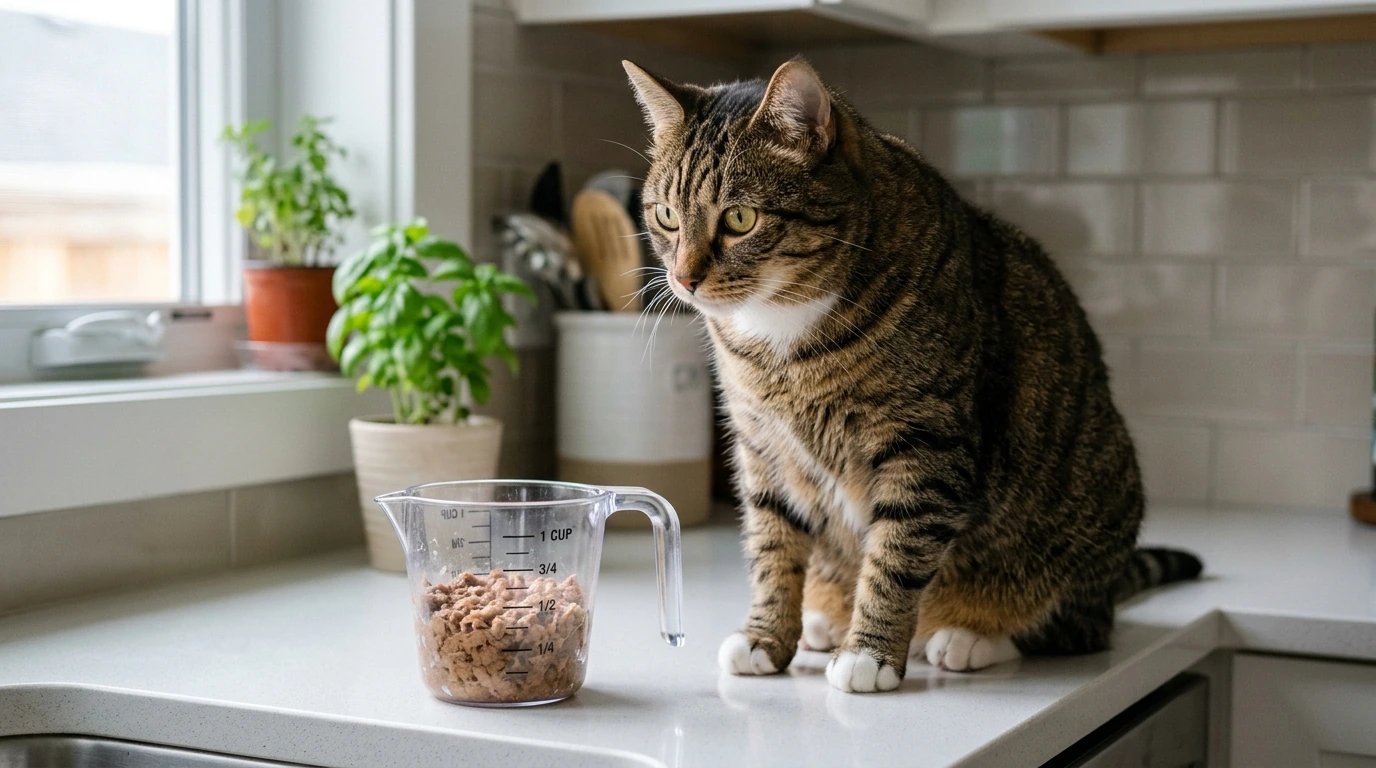
- Precise Measuring Tools: Use a kitchen scale for exact food portions, as scoops can be inaccurate.
- Veterinary Guidance: Your vet will help determine the appropriate daily caloric intake for gradual weight loss.
Essential Nutritional Markers for Weight Loss Formulas
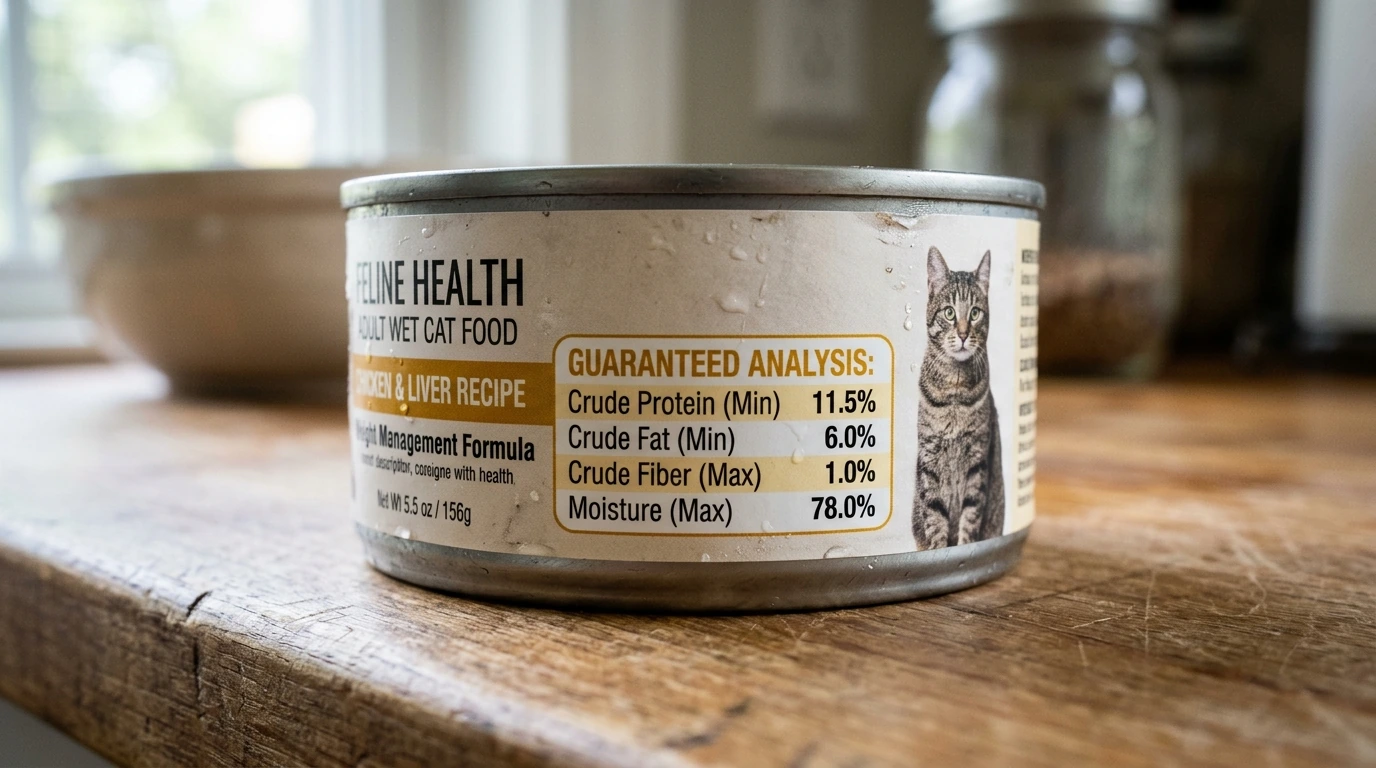
Selecting an appropriate wet cat food for weight loss requires careful label scrutiny. Look beyond marketing claims and focus on the guaranteed analysis and ingredient list. Here are the critical nutritional markers:
- High Protein Content: Cats are obligate carnivores. Diets with higher protein (typically 40-50% on a dry matter basis or more) help preserve lean muscle mass during weight loss, boost metabolism, and promote satiety. Look for real meat (chicken, turkey, fish) as the first few ingredients.
- Moderate Fat Content: While fat is calorie-dense, some is necessary for essential fatty acids and palatability. Aim for a moderate fat level, often lower than maintenance diets but not extremely restrictive (e.g., 15-25% dry matter basis).
- Appropriate Fiber Levels: Fiber can contribute to satiety and digestive health. Some weight loss formulas incorporate higher fiber to help cats feel full. However, excessive fiber can reduce nutrient digestibility.
- Low Carbohydrate Content: Cats have a limited metabolic need for carbohydrates. High carbohydrate levels often contribute to weight gain. Seek foods with minimal carbohydrate fillers.
- Controlled Caloric Density: The most straightforward indicator is the caloric content per can or per 100g, often listed as "kcal/can" or "kcal/ME." Compare this figure between different foods to ensure you're selecting a lower-calorie option.
Evaluating Leading Wet Food Options for Caloric Control
Top-tier wet cat foods for weight management typically adhere to the nutritional principles outlined above, offering formulations that support healthy, sustainable weight loss. While specific brand recommendations require individual veterinary assessment, the following table illustrates the characteristics you would find in highly-regarded options:
| Formula Type | Primary Benefit | Typical Protein (DM%) | Typical Fat (DM%) | Typical Fiber (DM%) | Caloric Density (kcal/100g) |
|---|---|---|---|---|---|
| High-Protein, Low-Fat | Muscle preservation, high satiety | 45-55% | 15-20% | 2-5% | 70-85 |
| High-Fiber, Moderate-Protein | Enhanced satiety, digestive support | 35-45% | 18-25% | 6-10% | 75-90 |
| Prescription Weight Loss | Veterinary-formulated, targeted nutrients | 40-50% | 15-22% | 5-8% | 65-80 |
| Limited Ingredient (LID) Weight Control | For sensitive cats with weight needs | 40-50% | 18-25% | 2-6% | 70-90 |
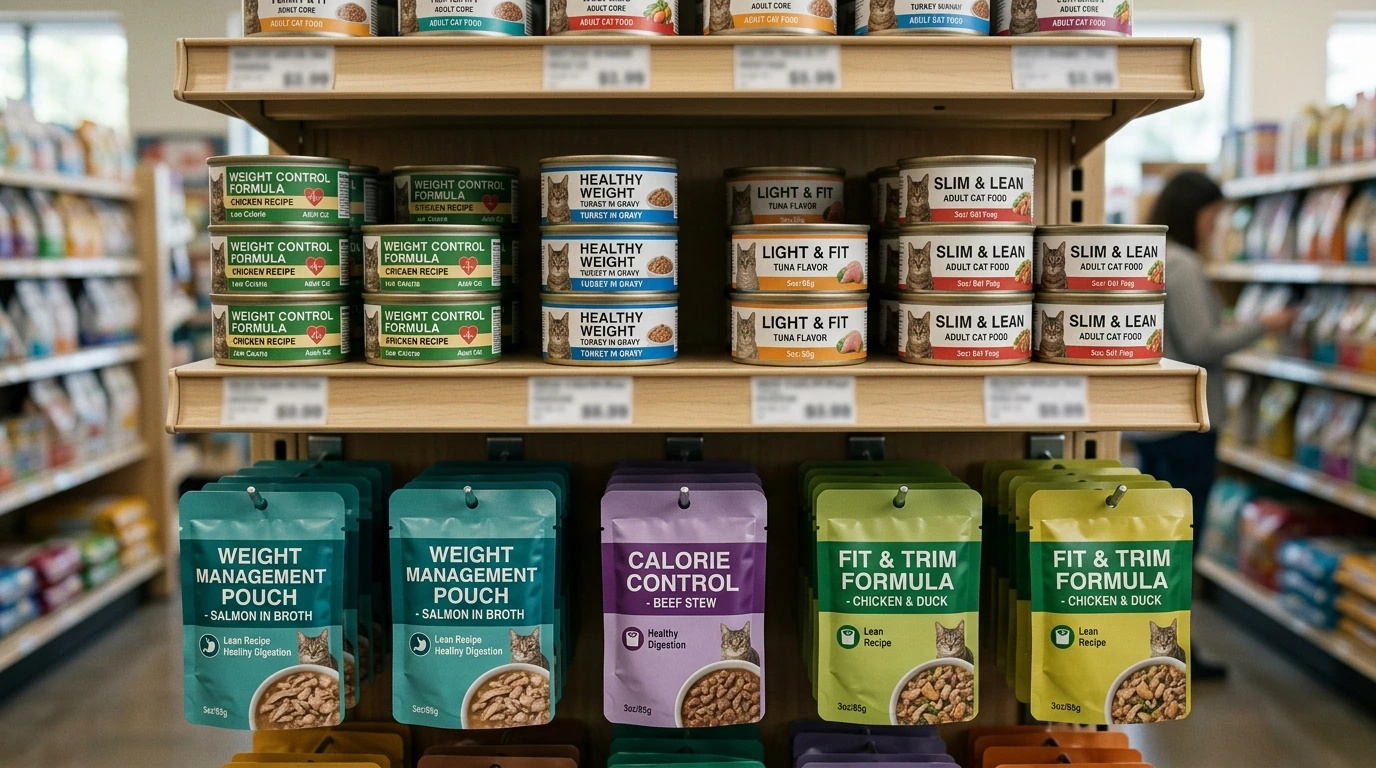
Many reputable pet food manufacturers offer specific "weight management" or "light" formulas within their wet food lines. These are often developed with controlled calorie counts and adjusted macronutrient profiles to aid in feline weight reduction. Always review the full nutritional profile and consult the manufacturer's feeding guidelines, adjusting based on your cat's individual needs and veterinary advice.
Avoiding Common Dietary Traps in Feline Weight Reduction
Even with the best intentions, several missteps can derail a cat's weight loss efforts:
- Crash Dieting: Rapid weight loss in cats, particularly obese cats, can lead to hepatic lipidosis (fatty liver disease), a life-threatening condition. Weight loss should be gradual, typically 0.5-2% of body weight per week.
- Inaccurate Portioning: "Eyeballing" food amounts or relying on volume scoops can lead to overfeeding. A digital kitchen scale provides the most accurate measurements.
- Excessive Treats: Even small treats contribute calories. If treats are given, they should be low-calorie and factored into the daily caloric allowance. Consider vegetable-based treats or small pieces of cooked lean meat.
- Free-Feeding: Leaving food out all day allows cats to graze continuously, making calorie control impossible. Scheduled meal times (2-3 times per day) are crucial for weight loss.
- Ignoring Multiple-Cat Households: In homes with multiple cats, ensuring the overweight cat consumes only its prescribed diet can be challenging. Separate feeding areas or microchip-activated feeders may be necessary.
PRO TIP: Gradual Transition is Key
When switching your cat to a new weight loss food, introduce it slowly over 7-10 days. Mix increasing amounts of the new food with decreasing amounts of the old food to prevent digestive upset and ensure acceptance.
Tracking Progress and Maintaining a Healthy Feline Physique
Once you've implemented the new diet, consistent monitoring is paramount. This isn't a "set it and forget it" process.
Post-Implementation Verification Checklist:
- Weekly Weight Checks: Weigh your cat at the same time each week, using the same scale. Charting this data helps visualize progress and allows for timely adjustments.
- Body Condition Scoring (BCS): Learn to assess your cat's BCS (a 9-point scale where 5 is ideal). This provides a visual and tactile assessment of fat reserves. Your vet can teach you how to do this accurately.
- Energy Levels and Behavior: Observe if your cat's energy levels improve and if they become more active or playful.
- Coat Condition: A healthy diet supports a shiny, healthy coat. Monitor for any dullness or changes.
- Regular Vet Check-ups: Schedule follow-up appointments with your veterinarian to review progress, make dietary adjustments, and ensure overall health.
Achieving and maintaining a healthy weight for your cat is a long-term commitment. By choosing appropriate wet foods, practicing precise portion control, and consistently monitoring progress, you can significantly improve your cat's health and quality of life.
How to Guide: Channeling High-Energy Cat Behaviors and Optimizing Feline Behavioral Healthcare Expenses →
Frequently Asked Questions
- How long does it typically take for a cat to lose weight?
- Healthy weight loss for cats is slow and steady, usually taking several months to a year or more, depending on the amount of weight to lose. Aim for 0.5-2% of body weight loss per week.
- Can I mix wet and dry food for weight loss?
- Yes, you can, but it requires meticulous calorie tracking. Ensure the combined caloric intake from both foods meets the veterinarian's recommendation for weight loss.
- What if my cat refuses the new weight loss food?
- Cats can be finicky. Introduce new food gradually over 7-10 days, mixing small amounts with their old food. If refusal persists, consult your vet for alternative recommendations or strategies.
- Are "light" or "diet" cat foods always the best choice?
- While "light" or "diet" foods are formulated for weight management, always check the guaranteed analysis and calorie content. Some may achieve lower calories by reducing protein, which is not ideal for cats. Look for options that maintain high protein while lowering fat and overall calories.



Post a Comment for "Feline Weight Management: Unpacking Top Wet Food Options for Obesity"