
Sphynx Cat Dermatology: An In-Depth Health and Insurance Review
With their striking, hairless appearance and affectionate personalities, Sphynx cats captivate many potential owners. However, their lack of fur means their skin is uniquely exposed and requires specialized care, a factor that significantly impacts their overall health and the type of veterinary attention they need throughout their lives.
Understanding the specific dermatological challenges and genetic predispositions of the Sphynx is paramount for responsible ownership, directly influencing daily routines, preventative measures, and crucial pet insurance considerations.
The Naked Truth: Understanding Sphynx Skin Physiology
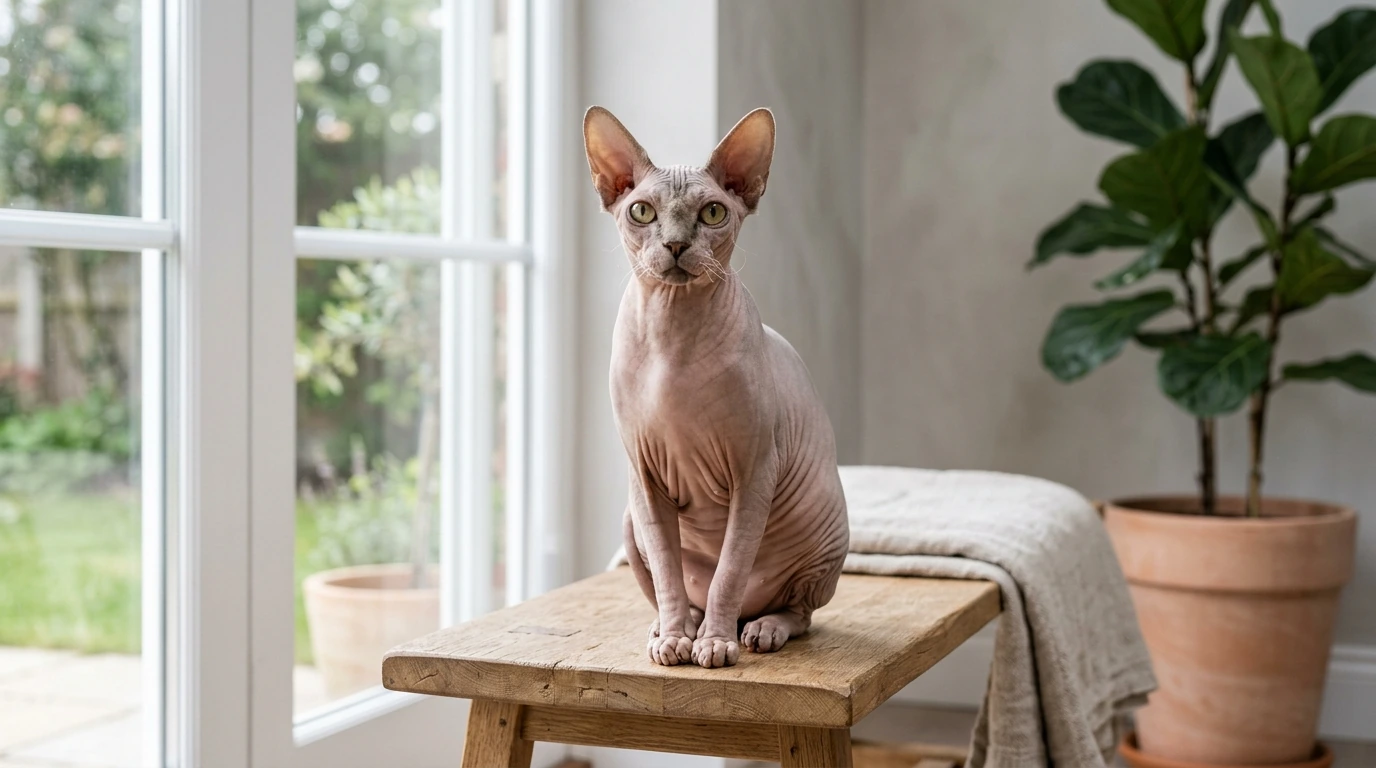
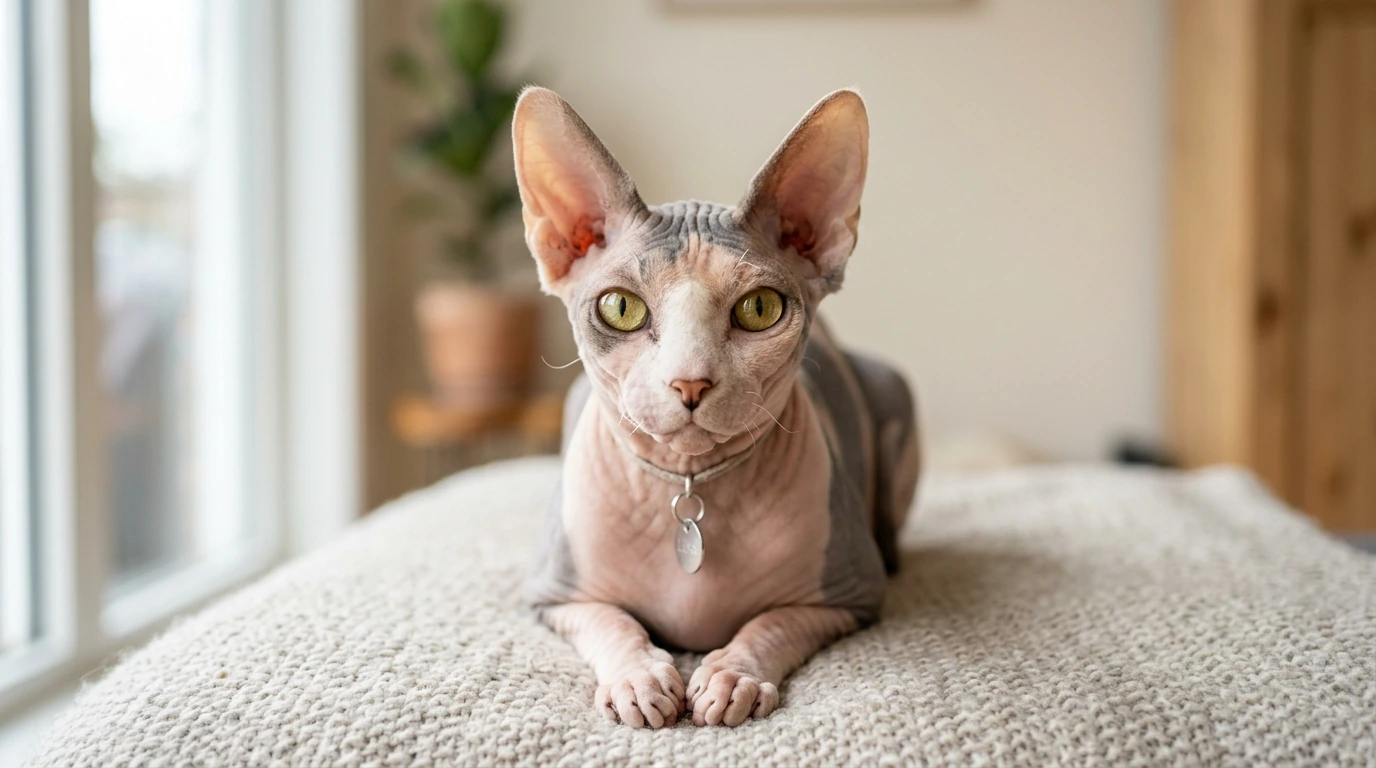
Unlike most feline breeds, the Sphynx possesses only a fine downy layer of hair, if any, making their skin the primary protective barrier against environmental elements. This unique physiology means their sebaceous glands, which produce natural oils, are highly active. While these oils protect the skin, they can accumulate, leading to a greasy residue that requires regular management.
The skin itself is often deeply wrinkled, particularly around the face, neck, and shoulders. These folds can trap dirt, oils, and moisture, creating an ideal environment for bacterial or yeast infections if not properly cleaned. Furthermore, their lack of a fur coat renders them more susceptible to temperature fluctuations, sunburn, and various skin irritations from allergens or parasites that might otherwise be mitigated by fur.
Daily Dermatological Regimen: Practical Care Strategies
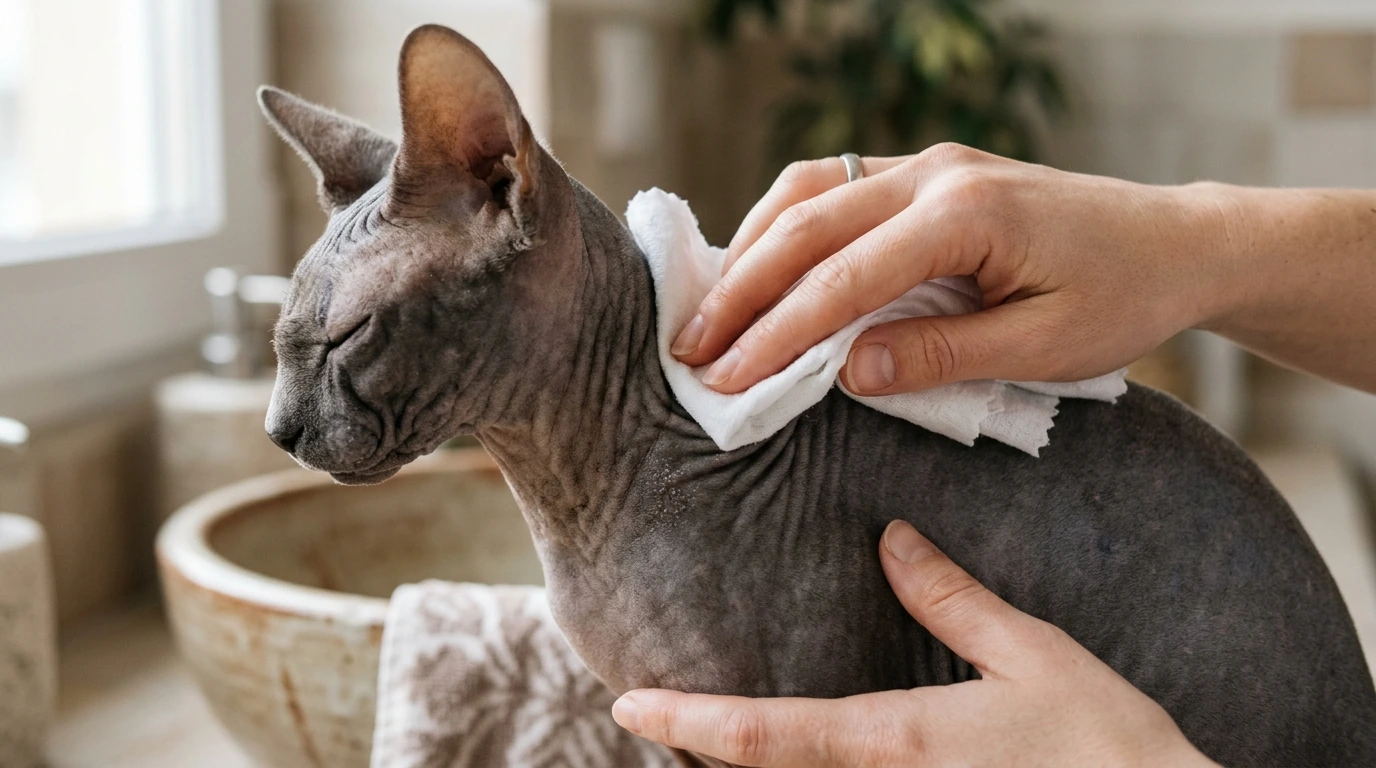
Maintaining a Sphynx's skin health hinges on a consistent and appropriate care routine. This regimen typically involves regular bathing and ear cleaning, along with environmental considerations.
Bathing Protocols for Hairless Felines
Most Sphynx cats require bathing every 1-2 weeks, though individual needs can vary based on oil production and activity levels. Using a veterinarian-recommended, hypoallergenic shampoo specifically formulated for cats, or even baby shampoo, is crucial to avoid irritation. The bath should be warm, not hot, and followed by thorough rinsing to prevent residue buildup. Gently drying with a soft towel is essential, ensuring all skin folds are free of moisture.
Ear and Nail Maintenance
Due to the absence of hair in their ear canals, Sphynx cats tend to accumulate more ear wax and debris. Weekly ear cleaning with a vet-approved solution helps prevent infections. Their nails also require regular trimming, typically every 2-4 weeks, as they can also accumulate waxy buildup around the nail beds.
Pro Tip: Sun Protection is Non-Negotiable
Sphynx cats are highly susceptible to sunburn and skin cancer. Limit direct sun exposure, especially during peak hours. If outdoor access is unavoidable, consider protective clothing or pet-safe sunscreen (consult your vet for recommendations).
Environmental Adjustments
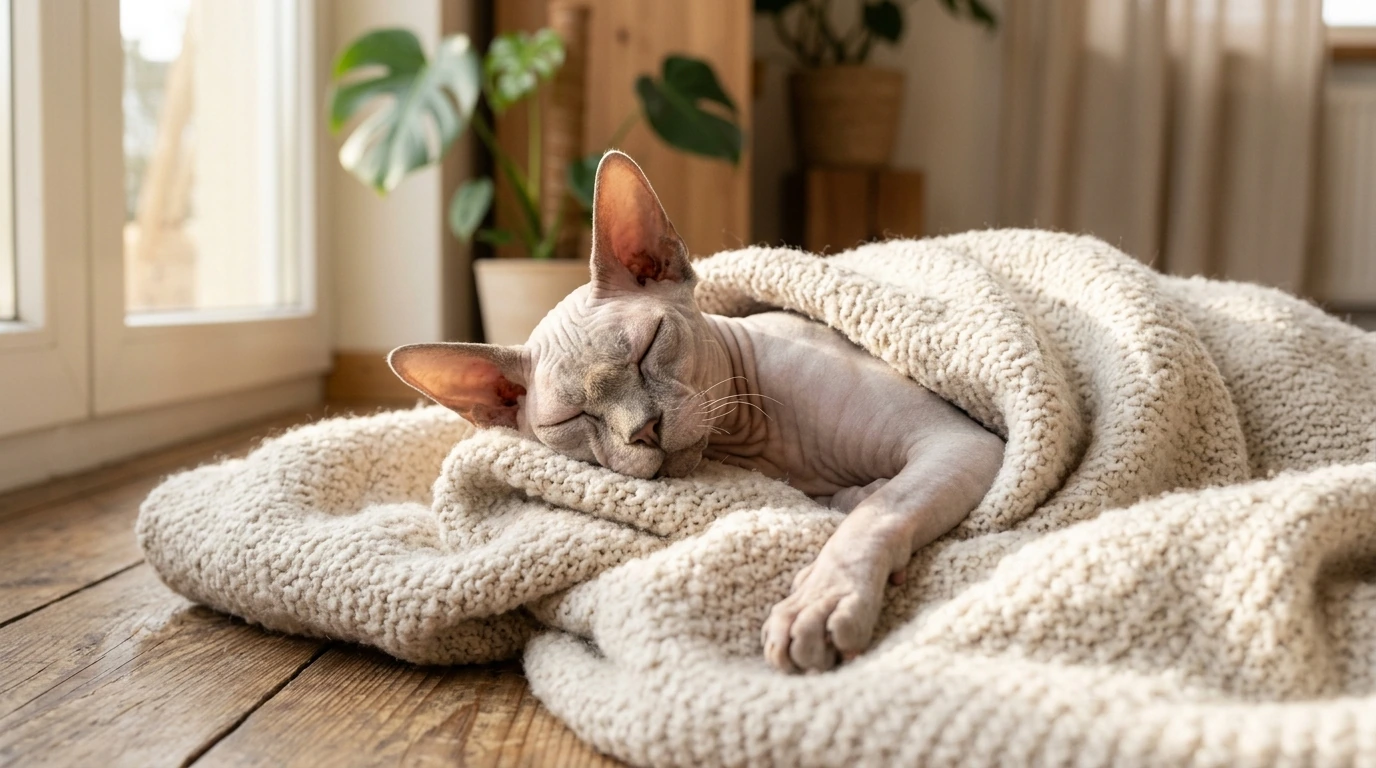
Providing a warm, draft-free indoor environment is vital. Soft blankets and sweaters can help regulate their body temperature. Regular cleaning of bedding and living areas also minimizes allergens and potential irritants that could affect their sensitive skin.
Common Ailments and Genetic Predispositions
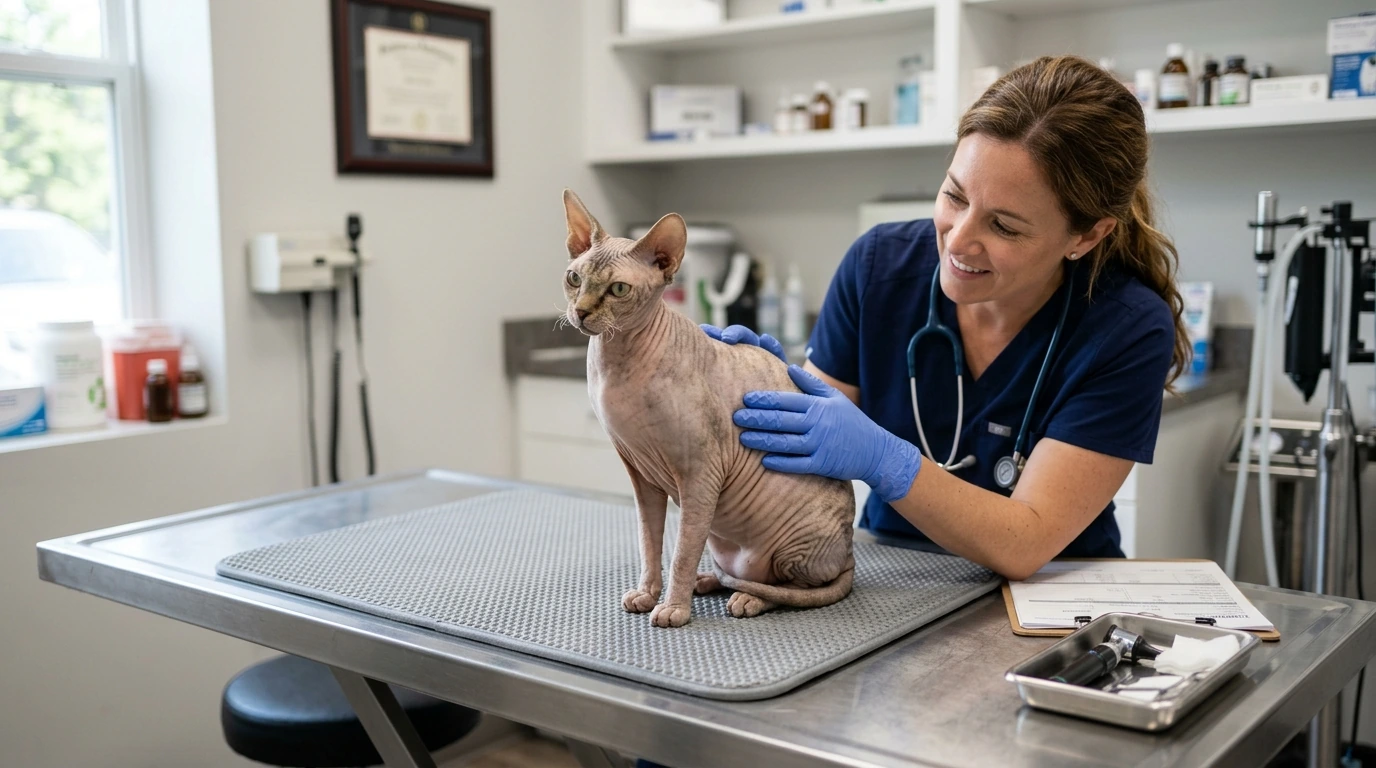
Beyond general skin sensitivity, Sphynx cats are prone to specific health issues that require vigilance and potentially specialized veterinary intervention. Many of these conditions have a dermatological component.
Hypertrophic Cardiomyopathy (HCM)
While not a skin condition, HCM is a significant genetic heart disease common in Sphynx cats. Early detection through regular veterinary check-ups, including echocardiograms, is crucial. The presence of HCM can influence overall health, making any concurrent skin issues more complex to manage.
Urticaria Pigmentosa
This dermatological condition manifests as crusty, itchy lesions, often resembling hives. It is believed to have a genetic component in Sphynx cats and can be exacerbated by stress or environmental factors. Diagnosis typically involves a biopsy, and management focuses on symptom relief and identifying triggers.
Congenital Myasthenic Syndrome (CMS)
A rare neuromuscular disorder, CMS affects muscle function and can lead to weakness. While primarily neurological, the overall health impact can make a Sphynx more vulnerable to secondary infections, including skin issues, due to reduced mobility or ability to groom effectively.
Dental Disease
Sphynx cats are known to be predisposed to various dental issues, including gingivitis and periodontal disease. Regular dental care, including professional cleanings, is essential. Oral health can indirectly impact overall immune function, which in turn can influence skin health.
Navigating Pet Insurance for Specialized Breeds
Given the Sphynx's unique health profile, securing appropriate pet insurance is a prudent financial decision. Policies vary significantly, and understanding coverage specifics for breed-specific conditions is critical.
Understanding Policy Types and Coverage
Most pet insurance plans fall into accident-only, accident & illness, or comprehensive wellness categories. For a Sphynx, an accident & illness policy is generally recommended to cover unexpected dermatological issues, genetic conditions like HCM, and other illnesses. Wellness plans can supplement this by covering routine care, which is particularly important for their specialized grooming needs.
| Coverage Type | Typical Inclusions for Sphynx Owners | Considerations |
|---|---|---|
| Accident-Only | Injuries from falls, cuts, foreign body ingestion. | Does NOT cover skin infections, HCM, or other illnesses. Limited utility for Sphynx. |
| Accident & Illness | Accidents, illnesses (e.g., skin infections, Urticaria Pigmentosa, HCM, dental disease if covered). | Most recommended. Check for waiting periods and exclusions for pre-existing or hereditary conditions. |
| Comprehensive (Accident, Illness & Wellness) | Accidents, illnesses, plus routine exams, vaccinations, preventative care (e.g., specific grooming products, dental cleanings). | Offers the broadest protection. Can significantly offset costs of routine specialized care. |
| Hereditary/Congenital Coverage | Specific coverage for breed-predisposed conditions like HCM or Urticaria Pigmentosa. | Crucial for Sphynx. Verify if included in Accident & Illness or as an add-on. May have specific waiting periods. |
Key Questions for Insurance Providers
When selecting a policy, inquire specifically about:
- Coverage for chronic dermatological conditions and recurring infections.
- Inclusion of hereditary conditions like HCM and Urticaria Pigmentosa.
- Reimbursement for specialized veterinary consultations (e.g., veterinary dermatologists or cardiologists).
- Coverage for prescription medications and therapeutic diets related to skin or heart conditions.
- Any limitations or exclusions based on breed.
Future-Proofing Your Sphynx's Well-being
Caring for a Sphynx cat demands commitment to their unique needs, particularly regarding dermatological health. Proactive care, consistent grooming, and regular veterinary check-ups are the cornerstones of ensuring a long, healthy life for these remarkable felines. By integrating specialized daily routines with a robust pet insurance plan tailored to their breed-specific predispositions, owners can confidently manage potential health challenges.
Investing in comprehensive coverage and adhering to expert guidance provides peace of mind, allowing Sphynx owners to focus on the joy and companionship these extraordinary cats bring into their homes.



Post a Comment for "Sphynx Cat Dermatology: An In-Depth Health and Insurance Review"