
Decoding Feline Fury: Recognizing Aggression Signals During Cat Introductions
Introducing a new cat into an existing feline household can be a delicate dance, often filled with anticipation and, sometimes, unexpected challenges. Understanding the early cues of aggression is paramount for preventing escalating conflict and fostering a peaceful coexistence. Cats communicate their discomfort and territorial boundaries through a complex repertoire of body language and vocalizations, signals that, when missed, can lead to stress, injury, and a breakdown in social harmony.
Key Takeaways
- Early Detection is Critical: Recognize subtle shifts in body language and vocalizations to prevent conflict escalation.
- Identify Root Causes: Aggression often stems from territoriality, fear, or inadequate resources; address these directly.
- Prioritize Separation: Immediately separate cats showing aggression to ensure safety and de-escalate tension.
- Implement Gradual Reintroduction: Use slow, structured reintroduction techniques, focusing on positive associations and scent swapping.
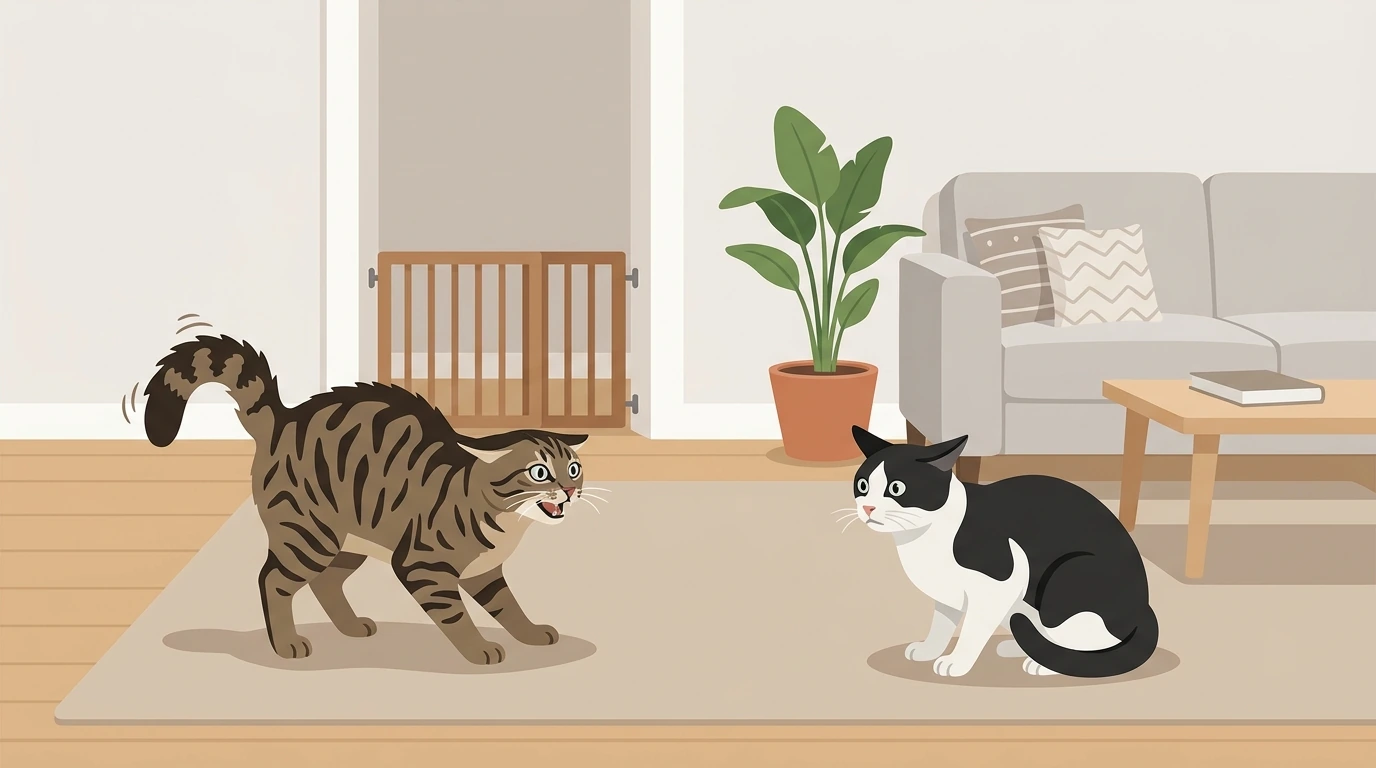
Unpacking Early Indicators of Feline Conflict
Cats are masters of subtle communication, and their warning signs often begin long before a physical altercation. Observing these nuanced signals is essential for timely intervention.
Body Language Cues: The Silent Warnings
- Ears: Flattened against the head, rotated sideways, or swiveled back are clear indicators of fear or aggression.
- Eyes: Dilated pupils, a hard stare, or a narrowed gaze (sometimes called "slit eyes") suggest heightened arousal or intent.
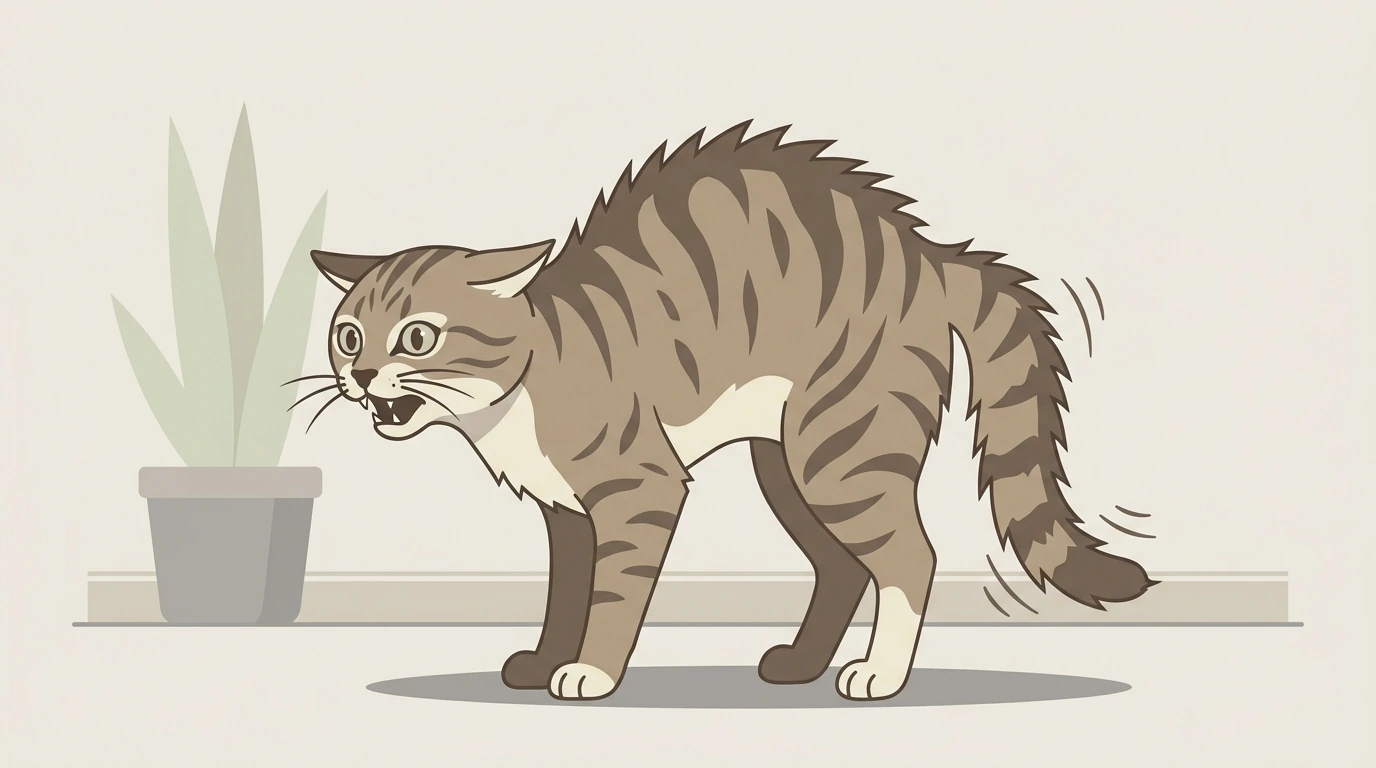
- Tail: A low, stiff tail that twitches at the tip, a tail thrashing from side to side, or a tail tucked tightly between the legs all signal distress or agitation. A "bottle brush" tail (puffed up) indicates extreme fear or aggression.
- Fur: Piloerection, where the fur along the back and tail stands on end, makes the cat appear larger and more intimidating.
- Posture: A crouched, tense body, a stiff-legged gait, or an arched back with fur bristling are all defensive or offensive postures.
- Whisker Position: Whiskers pulled back flat against the face can indicate fear, while whiskers pushed forward can indicate offensive intent.
Vocalizations: The Audible Alarms
- Hissing: A definitive warning, indicating fear, defensiveness, or a clear boundary.
- Growling: A low, rumbling sound signifying a direct threat or deep discomfort.
- Spitting: A sharp, explosive sound often accompanying a hiss, indicating extreme agitation.
- Low Moans or Chirps: While not always aggressive, unusual, strained vocalizations can signal stress leading to aggression.
Behavioral Shifts: Actions Indicating Trouble
- Stalking or Blocking: One cat actively pursuing or physically preventing the other cat from moving freely.
- Swatting (without claws): A warning gesture, often a precursor to more serious physical contact.
- Blocking Resources: One cat preventing the other from accessing food, water, litter boxes, or resting spots.
- Hiding or Excessive Vigilance: While hiding can be a sign of fear, constant vigilance and inability to relax in the presence of the other cat points to significant stress.
Underlying Triggers for Inter-Cat Hostility
Aggression rarely occurs without a reason. Identifying the root cause is fundamental to addressing the problem effectively. Veterinary behaviorists and feline specialists generally categorize these triggers into several common areas.
- Territoriality (Severity: Moderate to High): Cats are inherently territorial. The introduction of a new cat can be perceived as an invasion of their established space, leading to defensive aggression. This is particularly common in homes where resources are perceived as limited.
- Fear or Anxiety (Severity: Moderate to High): A new environment, the presence of an unfamiliar cat, or past negative experiences can induce significant fear. This often manifests as defensive aggression, where the cat attempts to scare away the perceived threat.
- Inadequate Introduction Protocol (Severity: Moderate): Rushing the introduction process, failing to provide separate safe spaces, or forcing interaction too soon are frequent contributors to conflict. A slow, controlled introduction is crucial for success.
- Resource Guarding (Severity: Low to Moderate): Competition over essential resources like food bowls, water dishes, litter boxes, scratching posts, or favorite resting spots can easily ignite tension.
- Pain or Illness (Severity: High): An underlying medical condition can make a cat irritable, sensitive to touch, or less tolerant of social interaction. This can cause them to lash out, even at a familiar companion. A veterinary check-up is always recommended if aggression appears suddenly or without clear environmental triggers.
- Redirected Aggression (Severity: High): Sometimes, a cat becomes agitated by something outside their control (e.g., a stray cat outside a window) and redirects their aggression towards the nearest available target—often another cat in the home.
PRO TIP: Immediate Separation is Non-Negotiable
If you observe any clear signs of escalating aggression (hissing, growling, swatting with claws, chasing), immediately and calmly separate the cats. Do not attempt to physically intervene by grabbing them, as this can result in injury to yourself. Use a barrier like a cushion, blanket, or loud clap to distract them and create a safe pathway for separation into different rooms.
Immediate De-escalation and Re-introduction Strategies
Once aggression has been identified and the cats safely separated, the next crucial step involves de-escalation and a carefully planned re-introduction process. This is not a quick fix but a methodical approach to rebuild trust and positive associations.
- Emergency Triage: Complete Separation:
- Confine each cat to a separate, comfortable room with all necessary resources (food, water, litter box, bedding, toys).
- Ensure no visual or physical contact between them.
- Allow a cool-down period of at least 24-48 hours, or longer if stress levels remain high.
- Permanent Resolution Workflow: The Gradual Reintroduction:
This process should be slow, spanning days to weeks, or even months, depending on the cats involved.
- Scent Swapping:
- Rub a cloth on each cat's cheeks and body, then swap the cloths between their separate areas.
- Move bedding or toys between rooms. This helps them become accustomed to each other's scent without direct interaction.
- Sight, Not Touch:
- After several days of successful scent swapping, introduce brief, supervised visual contact through a baby gate or cracked door.
- Keep these sessions short (a few minutes) and positive, distracting both cats with high-value treats or engaging toys.
- End the session before any signs of tension arise.
- Shared Positive Experiences:
- Once visual contact is calm, allow brief, supervised physical interactions in a neutral territory.
- Always provide positive reinforcement (treats, praise, play) for calm behavior.
- Feed them on opposite sides of a closed door, gradually moving the bowls closer as comfort increases.
- Increase Duration and Freedom:
- Slowly extend the duration of supervised interactions.
- Never leave them unsupervised until you are certain they are comfortable and relaxed in each other's presence.
- Scent Swapping:
Cultivating Lasting Feline Harmony
Prevention is always preferable to intervention. By proactively setting up an environment that minimizes stress and competition, you can significantly reduce the likelihood of aggression during introductions and maintain peace in a multi-cat home.
- Ample Resources: Ensure there are enough food bowls, water dishes, litter boxes (rule of N+1, where N is the number of cats), scratching posts, and resting spots to prevent competition.
- Vertical Space: Cats feel safer and more secure when they have access to elevated perches, cat trees, and shelves. This allows them to observe their surroundings from a safe vantage point and escape if feeling threatened.
- Consistent Scent Management: Continue to swap scents periodically, even after successful introductions. This reinforces familiarity and a shared group scent.
- Structured Play and Enrichment: Engage both cats in regular, interactive play sessions to burn off energy, reduce stress, and provide mental stimulation. Consider separate playtimes if they are not yet comfortable playing together.
- Pheromone Diffusers: Feline appeasing pheromone diffusers, which mimic natural calming cat pheromones, can help reduce stress and anxiety in multi-cat households, as widely reported by veterinary professionals.
- Professional Consultation: If aggression persists despite your best efforts, or if you are dealing with severe or dangerous aggression, consult a certified feline behaviorist or your veterinarian. They can provide tailored advice and rule out underlying medical issues.
Frequently Asked Questions About Cat Introductions
- How long does it typically take for cats to get along?
- The timeline varies widely, from a few days to several months, or even longer. Factors include the cats' personalities, past experiences, age, and the consistency of the introduction process. Patience is crucial.
- Can two cats ever truly hate each other?
- While "hate" is a human emotion, cats can develop strong aversions or fear responses towards another cat, making peaceful cohabitation extremely difficult or impossible without significant, ongoing behavioral modification. Some cats may simply never be friends, but can often learn to tolerate each other.
- What if my resident cat starts spraying after a new cat arrives?
- Spraying is a common stress response and a territorial marker. It indicates significant anxiety about the new cat's presence. Revert to full separation, increase resources, use pheromone diffusers, and consult a vet to rule out medical causes, then restart the introduction much more slowly.
- Is it better to get two kittens at once, or introduce a kitten to an an adult cat?
- Introducing two kittens from the same litter often leads to easier bonding. Introducing a kitten to an adult cat can work well, as adult cats may be less threatened by a playful youngster, but still requires a gradual introduction to ensure the adult cat doesn't feel overwhelmed or annoyed.



Post a Comment for "Decoding Feline Fury: Recognizing Aggression Signals During Cat Introductions"