
Persian Cat Breed Review and Specialized Veterinary Health Insurance
Known for their exquisite long coats and serene dispositions, Persian cats capture the hearts of many with their distinctive appearance. However, their unique breed characteristics also bring specific health considerations that prospective and current owners must understand. Ensuring a long, healthy life for these beloved felines requires not only dedicated daily care but also strategic planning, particularly concerning specialized veterinary health insurance.
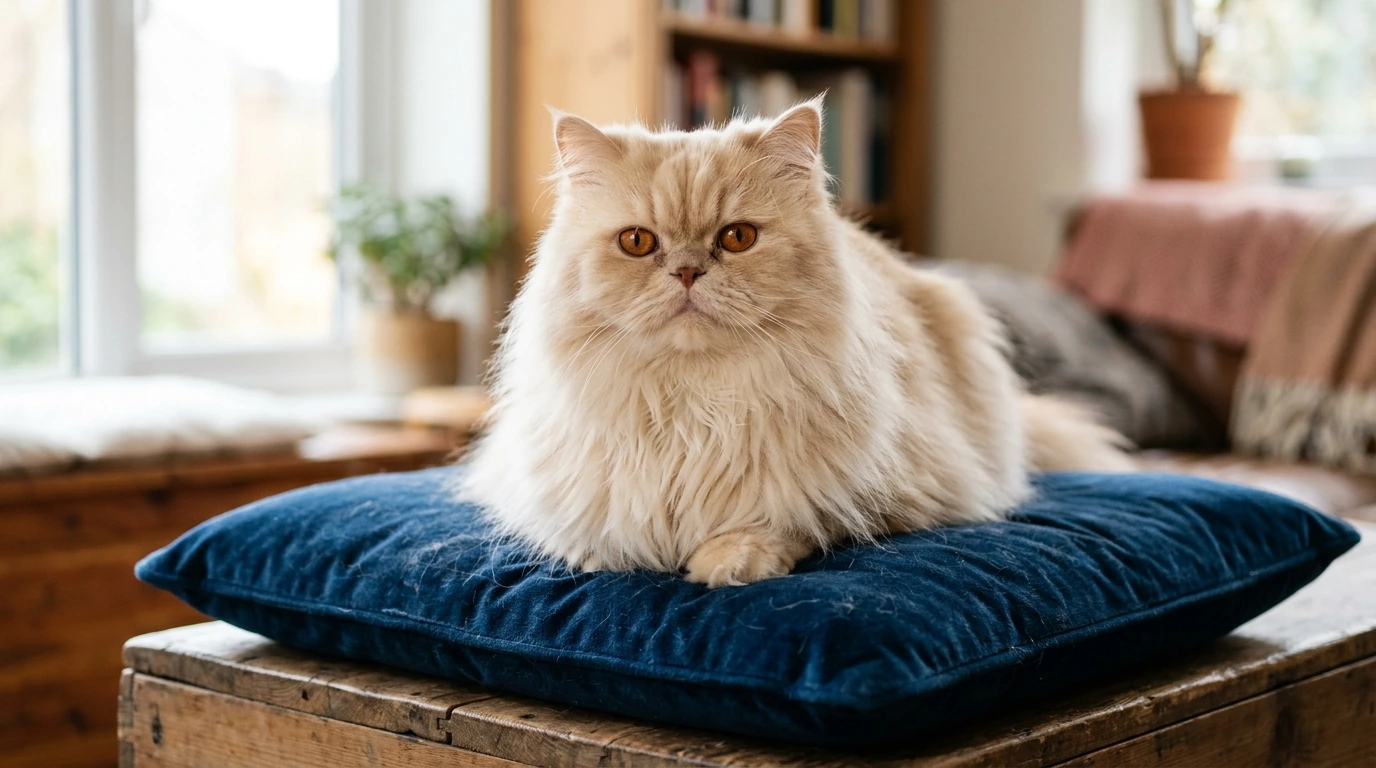
Originating from Persia (modern-day Iran), these cats have a history stretching back centuries, first arriving in Europe in the 17th century. They were quickly prized by nobility for their luxurious appearance and calm demeanor, establishing their status as one of the most recognizable and adored cat breeds globally. Their placid nature makes them excellent indoor companions, often preferring quiet environments and gentle interactions over boisterous play.
Distinctive Persian Traits and Temperament
The Persian cat is instantly identifiable by several prominent features that set it apart from other breeds. Understanding these characteristics is fundamental to appreciating their specific care requirements.
Physical Hallmarks and Breed Standard
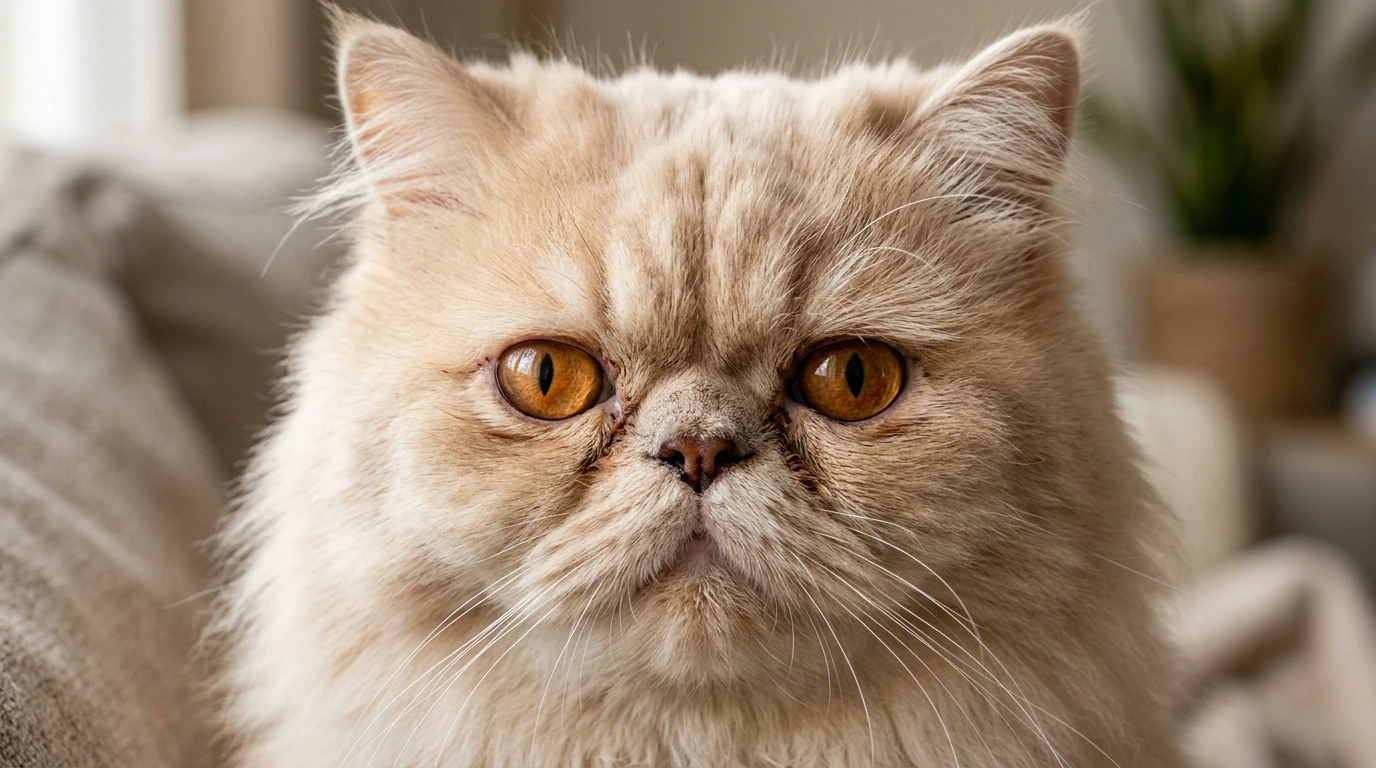
Persian cats possess a cobby body type, characterized by short, thick legs, a broad chest, and a short, well-muscled neck. Their most striking feature is undoubtedly their long, flowing coat, which comes in a vast array of colors and patterns. The breed's head is round and massive, with small, rounded ears set low, and large, round eyes that often appear to gaze with a gentle expression. The defining facial feature is their brachycephalic (flattened) face, with a short nose and a prominent stop between the eyes. This facial structure, while aesthetically appealing to many, is a primary contributor to several breed-specific health concerns.
The Persian Disposition: A Gentle Companion
Persians are renowned for their sweet, gentle, and quiet temperament. They are typically calm and affectionate, enjoying lounging in sunbeams and receiving gentle petting. Unlike more active breeds, Persians are not known for high energy levels or destructive tendencies. They adapt well to apartment living and are generally tolerant of children and other pets, provided they are introduced properly and handled with care. Their low-key nature means they thrive in peaceful home environments where they can feel secure and cherished.
Common Health Considerations for the Persian Breed
While generally robust, the Persian breed is predisposed to certain genetic and conformational health issues that require proactive management and sometimes specialized veterinary attention. Awareness of these conditions is paramount for responsible ownership.
Challenges Arising from Brachycephalic Features
The flattened facial structure of Persian cats can lead to Brachycephalic Airway Obstruction Syndrome (BAOS), which manifests as breathing difficulties, snoring, and reduced heat tolerance. Their shortened muzzles also contribute to dental malocclusions, where teeth do not align correctly, increasing the risk of periodontal disease. Additionally, the folds of skin around their nose and eyes can trap moisture and debris, leading to skin infections or tear staining (epiphora) due to blocked tear ducts.
Ocular and Renal Conditions
Persian cats are susceptible to several eye conditions. Beyond epiphora, they can develop Progressive Retinal Atrophy (PRA), a genetic condition that leads to blindness, and entropion, where the eyelid rolls inward, irritating the eye. Polycystic Kidney Disease (PKD) is another significant genetic concern, characterized by the development of fluid-filled cysts in the kidneys, which can eventually lead to kidney failure. Responsible breeders typically screen for PKD, and DNA testing is available.
Cardiac and Dermatological Concerns
Hypertrophic Cardiomyopathy (HCM), a thickening of the heart muscle, is a common heart disease in cats, including Persians. Regular cardiac screenings can help detect it early. The Persian's long, dense coat, while beautiful, requires extensive grooming to prevent matting, which can cause skin irritation, infections, and discomfort. Without diligent care, dermatological issues can become chronic.
Navigating Veterinary Health Insurance for Persian Cats
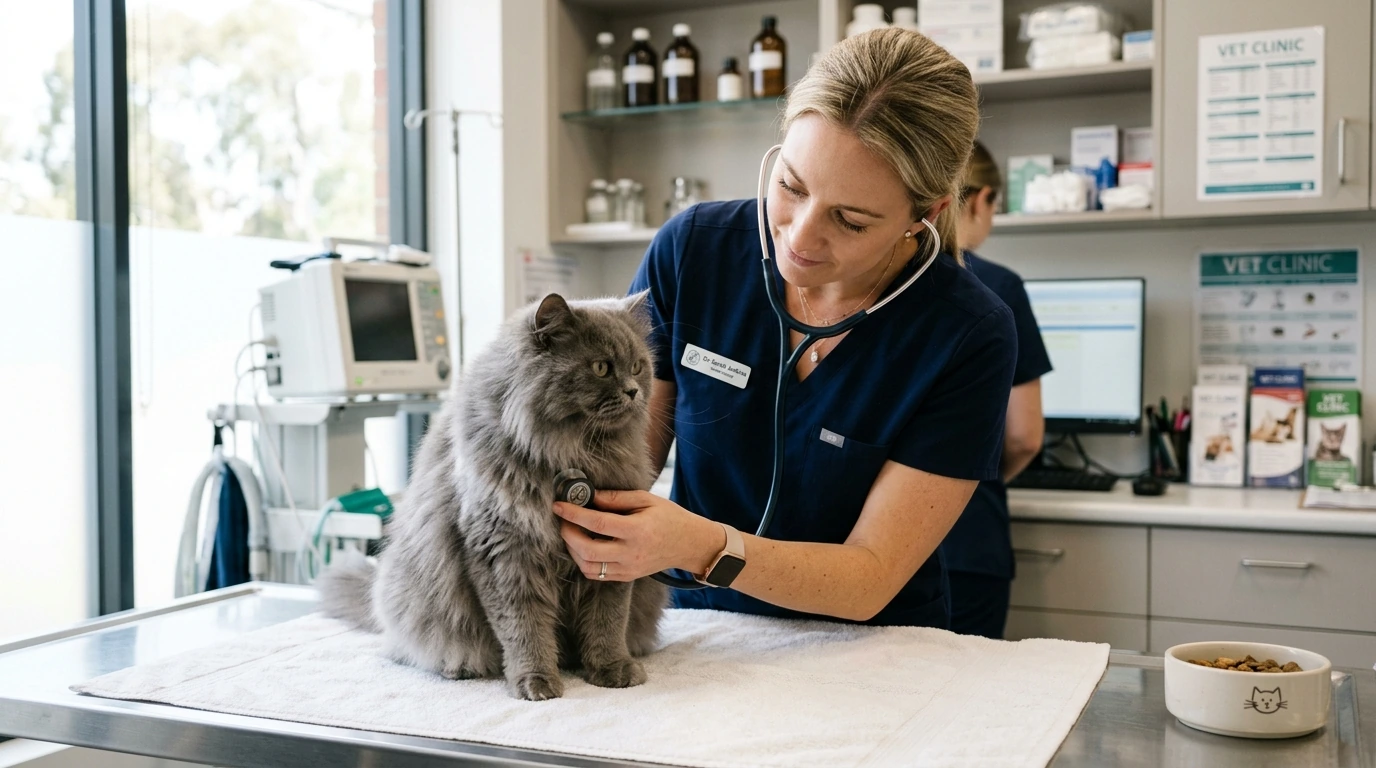
Given the breed's predispositions, specialized veterinary health insurance becomes a prudent investment for Persian cat owners. Understanding the nuances of policies can significantly offset the costs of potential treatments.
Types of Coverage and Their Scope
Pet insurance plans generally fall into a few categories:
- Accident-Only Plans: These cover injuries from accidents (e.g., broken bones, ingestions). They are typically the most affordable but do not cover illnesses.
- Accident & Illness Plans: The most comprehensive option, covering both unexpected injuries and illnesses (e.g., infections, cancer, genetic conditions like PKD or HCM). Most owners opt for this level of coverage for breeds with known health predispositions.
- Wellness Plans: Often an add-on, these cover routine care like vaccinations, annual check-ups, and parasite prevention. While beneficial, they don't address major medical expenses.
Factors Influencing Premium Costs
Several variables determine the cost of pet insurance premiums. The cat's age is a significant factor, with younger pets generally having lower premiums. Geographic location also plays a role, as veterinary costs vary by region. The chosen deductible, reimbursement percentage, and annual coverage limit directly impact the premium. Higher deductibles and lower reimbursement percentages typically result in lower premiums, but also higher out-of-pocket expenses when a claim is made.
Addressing Breed-Specific Conditions in Policies
When insuring a Persian cat, it is critical to scrutinize how breed-specific conditions like PKD, HCM, and BAOS are covered. Some policies may have waiting periods for these conditions, or they might be excluded if considered pre-existing. Some insurers offer specific riders for genetic conditions, which may increase the premium but provide essential coverage. Always review the policy's fine print regarding hereditary and congenital conditions.
PRO TIP: Early Enrollment is Key
Enroll your Persian cat in a comprehensive pet insurance plan as early as possible, ideally while they are still a kitten. This helps ensure that potential hereditary conditions are not classified as pre-existing, maximizing your coverage options and financial protection against future health challenges.
Below is a general comparison of how different insurance aspects might apply to common Persian health issues:
| Condition | Typical Coverage Type | Considerations for Persian Cats |
|---|---|---|
| Polycystic Kidney Disease (PKD) | Accident & Illness | Often requires genetic screening results; may have waiting periods or specific hereditary condition riders. |
| Hypertrophic Cardiomyopathy (HCM) | Accident & Illness | Coverage dependent on early diagnosis and policy terms regarding pre-existing or hereditary conditions. |
| Brachycephalic Airway Syndrome (BAOS) | Accident & Illness | May be covered under illness, but some policies might have limitations for congenital conditions. |
| Dental Disease | Accident & Illness (often with limits) | Routine dental cleanings usually require a wellness add-on; treatment for severe disease may be covered. |
| Eye Conditions (e.g., Entropion) | Accident & Illness | Surgical correction typically covered if not deemed a pre-existing condition before enrollment. |
Proactive Care Strategies for Persian Cat Longevity
Beyond insurance, the cornerstone of a Persian cat's well-being lies in consistent, attentive daily care tailored to their specific needs.
Diligent Grooming Regimen
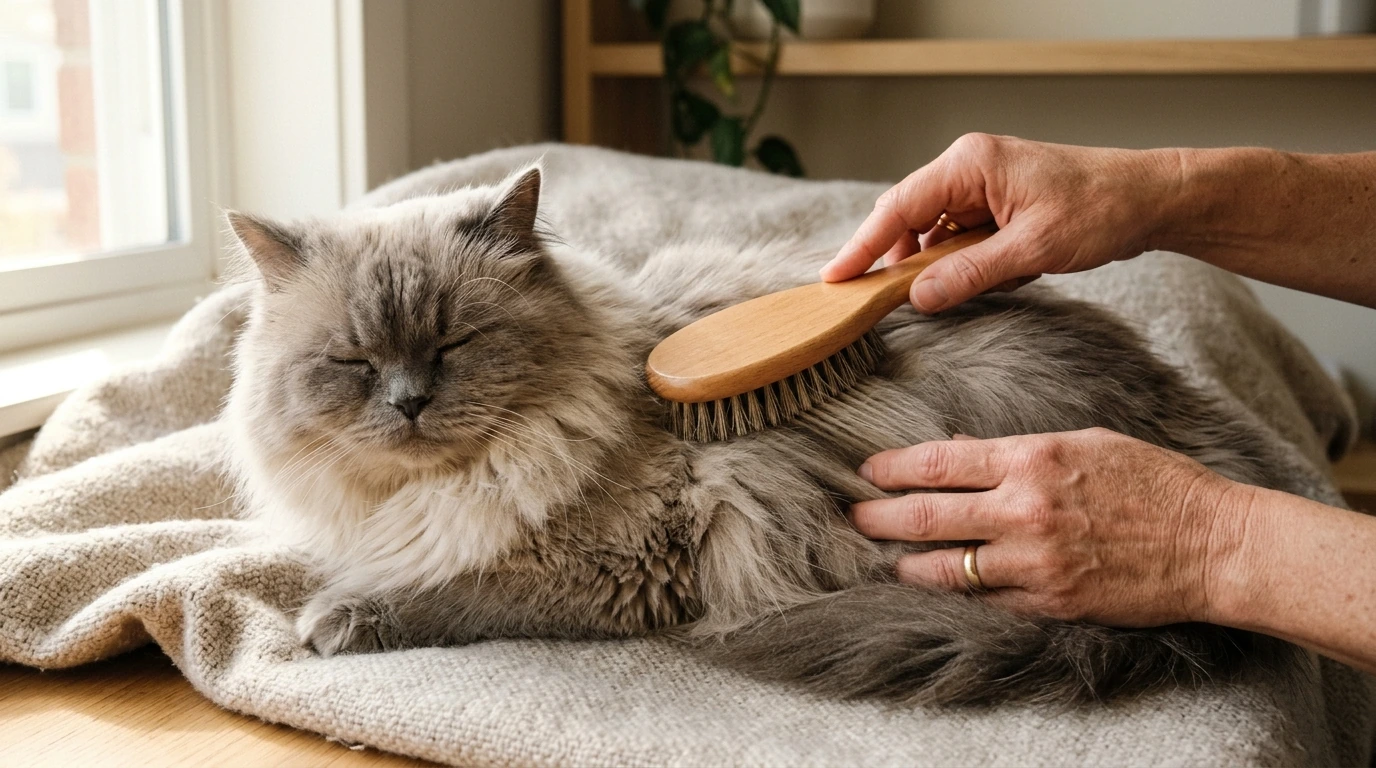
The Persian's magnificent coat demands daily grooming to prevent mats and tangles. This involves gentle brushing with a slicker brush and a metal comb to reach the undercoat. Regular bathing, typically every few weeks, helps maintain coat health and cleanliness. Special attention should be paid to cleaning around the eyes to prevent tear staining and skin irritation in facial folds.
Nutritional and Environmental Management
A high-quality, balanced diet formulated for indoor cats is essential. For brachycephalic breeds, special kibble shapes designed for easier chewing can be beneficial. Due to their susceptibility to heat stress, Persian cats must be kept in cool, climate-controlled environments. Providing clean water and a quiet, comfortable space for rest also contributes significantly to their overall health.
Consistent Veterinary Oversight and Screenings
Regular veterinary check-ups are crucial for early detection and management of potential health issues. Annual physical exams, along with recommended vaccinations and parasite control, form the foundation of preventive care. For breeds prone to genetic conditions, your veterinarian may recommend specific screenings, such as DNA tests for PKD or cardiac ultrasounds for HCM, especially as the cat ages.
A Future of Health and Companionship
Owning a Persian cat offers immense joy and companionship, thanks to their gentle nature and striking beauty. However, this privilege comes with the responsibility of understanding and addressing their unique health profile. By combining diligent daily care, a keen awareness of breed-specific vulnerabilities, and the foresight to invest in specialized veterinary health insurance, owners can provide their Persian companions with the best possible chance for a long, healthy, and happy life. This comprehensive approach ensures that the bond with these magnificent felines is nurtured and protected against unforeseen challenges, allowing their quiet charm to flourish for years to come.



Post a Comment for "Persian Cat Breed Review and Specialized Veterinary Health Insurance"