
Exotic Feline Health & Insurance: A Deep Dive into Rare Cat Breeds
Bringing a rare cat breed into your home offers a unique companionship experience, yet it also entails a significant commitment to understanding and meeting their specialized health requirements. These distinctive felines often possess genetic predispositions that necessitate tailored veterinary attention and, consequently, a robust pet insurance plan.
Understanding the specific vulnerabilities of breeds like the Sphynx, Scottish Fold, or Bengal is paramount for ensuring their long-term well-being and mitigating the financial impact of potential health issues.
Key Takeaways
- Rare cat breeds frequently exhibit distinct health predispositions requiring specialized veterinary care.
- Specialized pet insurance is essential for exotic and rare felines to cover breed-specific genetic conditions.
- Comprehensive plans should include coverage for hereditary, congenital, and chronic conditions often seen in these breeds.
- Proactive veterinary check-ups and preventative strategies are critical for early detection and management of health concerns.
The Distinctive World of Rare Feline Companionship
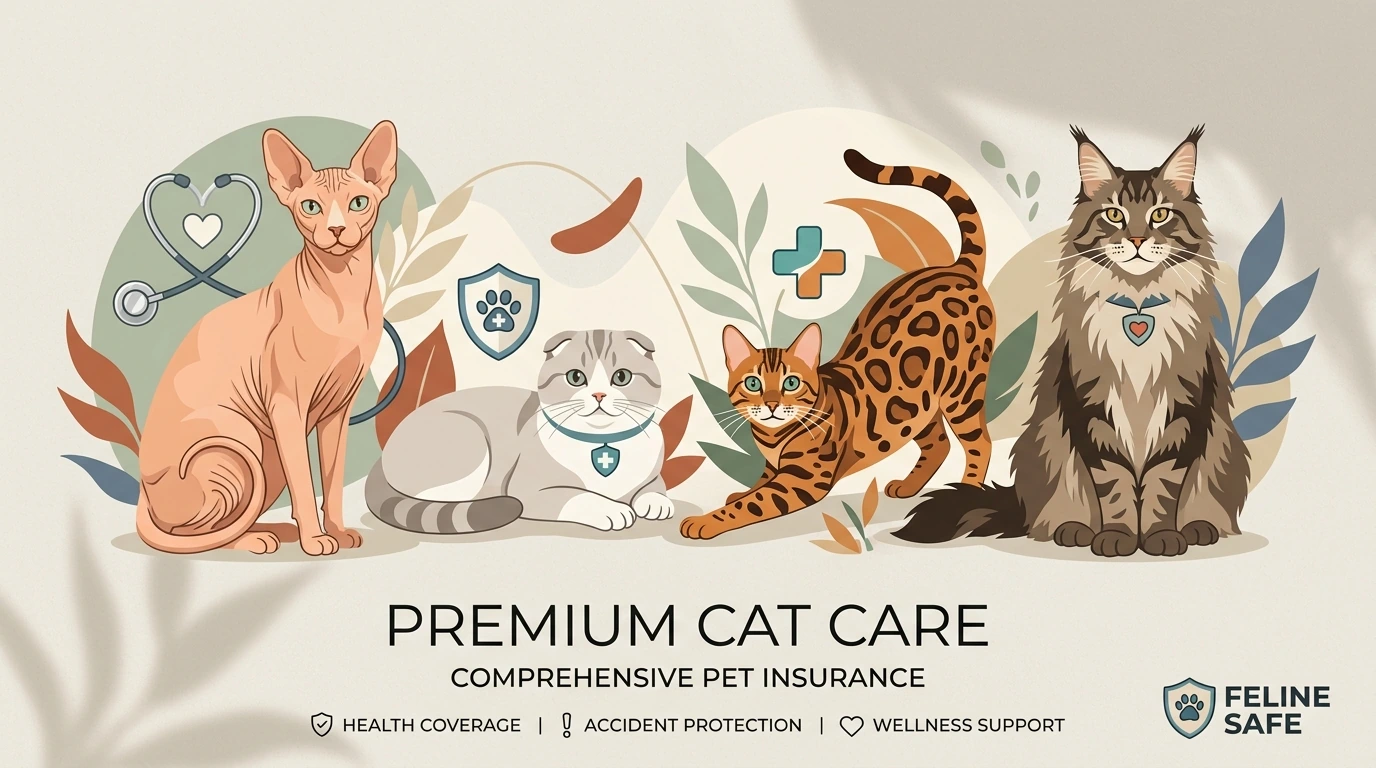
The appeal of rare cat breeds extends beyond their striking appearances; it lies in their unique personalities and often fascinating histories. From the hairless elegance of the Sphynx to the powerful build of the Maine Coon, each breed brings a distinct set of characteristics to the home. However, these unique traits are frequently linked to specific genetic lines, which can unfortunately carry predispositions to certain health conditions. Owners of these magnificent animals must be acutely aware of these potential vulnerabilities to provide the best possible care.
Unlike more common domestic cats, rare breeds may require specialized diagnostic tests, preventative treatments, or even tailored nutritional plans. Understanding these nuances from the outset can significantly impact a cat's quality of life and longevity. This proactive approach forms the bedrock of responsible ownership for these exceptional felines.
Navigating Breed-Specific Health Predispositions
Each rare cat breed comes with its own set of health considerations that prospective and current owners should be familiar with. These predispositions are often hereditary or congenital, meaning they can be passed down through generations or are present from birth. Early awareness and regular veterinary screenings are vital for managing these conditions effectively.
Sphynx: Dermatology and Cardiac Concerns
The Sphynx, known for its lack of fur, requires diligent skincare to prevent oil buildup and skin infections. Beyond dermatological care, the breed is widely reported to have a predisposition to Hypertrophic Cardiomyopathy (HCM), a thickening of the heart muscle. Regular cardiac screenings, including echocardiograms, are recommended to monitor heart health.
Scottish Fold: Joint Health and Cartilage Issues
The distinctive folded ears of the Scottish Fold are a result of a dominant gene mutation affecting cartilage development. This same gene, however, can lead to Osteochondrodysplasia, a degenerative joint disease causing painful arthritis and bone abnormalities throughout the body. Owners should be vigilant for signs of lameness or stiffness and ensure their cat receives appropriate joint support and pain management.
Bengal: Genetic Predispositions and Activity Needs
Bengals, with their wild ancestry, are generally robust but can be prone to certain genetic conditions, including Progressive Retinal Atrophy (PRA-b), Pyruvate Kinase Deficiency (PKDef), and some forms of HCM. Reputable breeders screen for these conditions. Their high energy levels also necessitate ample mental and physical stimulation to prevent behavioral issues.
Maine Coon: Hypertrophic Cardiomyopathy and Hip Dysplasia
The large and gentle Maine Coon is another breed frequently affected by HCM. Genetic testing is available for a specific mutation linked to HCM. Additionally, due to their size, Maine Coons can be susceptible to hip dysplasia, a condition where the hip joint doesn't form correctly. Maintaining a healthy weight and providing joint-supportive nutrition are important preventative measures.
Siamese: Respiratory and Renal Vulnerabilities
Siamese cats are known for their striking appearance and vocal nature. They can be predisposed to certain respiratory issues, such as asthma, and some renal conditions like amyloidosis, a protein deposition disorder that can affect the kidneys. Regular veterinary check-ups and monitoring for changes in breathing or thirst are advisable.
Persian: Brachycephalic Airway Syndrome and Dental Health
The Persian's distinctive flat face, while appealing, contributes to Brachycephalic Airway Syndrome, which can cause breathing difficulties. Owners should watch for signs of labored breathing, especially in warm weather. Their facial structure also makes them prone to dental issues and tear staining, requiring consistent grooming and oral hygiene.
Siberian: Allergy Management and Dental Care
While often tolerated by people with allergies due to lower Fel d 1 protein levels, Siberians can still develop allergies themselves. They are also known for their robust health but can be prone to periodontal disease and, like many large breeds, HCM. Regular dental care and heart screenings are beneficial.
Ragdoll: Feline Hypertrophic Cardiomyopathy and Polycystic Kidney Disease
Ragdolls are known for their docile temperament. They share a predisposition for HCM, with a genetic test available for a specific mutation. Polycystic Kidney Disease (PKD), a condition where cysts form in the kidneys, is also a concern for the breed. Responsible breeding practices include screening for these conditions.
British Shorthair: Heart Health and Weight Management
The British Shorthair, with its sturdy build, is generally healthy but can be predisposed to HCM and Polycystic Kidney Disease (PKD). Their calm demeanor can also lead to weight gain if their diet and exercise are not carefully managed, increasing the risk of other health issues like diabetes and joint strain.
PRO TIP: When considering a rare breed, always seek out reputable breeders who provide health clearances for their breeding cats, including genetic testing results for breed-specific conditions. This proactive step can significantly reduce the risk of inheriting serious health issues.
Tailored Pet Insurance for Unique Feline Needs
Standard pet insurance policies may not always offer the comprehensive coverage required for the specific health challenges faced by rare cat breeds. Many general plans have limitations or exclusions for hereditary and congenital conditions, which are precisely the issues most prevalent in these unique felines. Specialized pet insurance plans are designed to address these gaps, providing more robust protection.
When evaluating insurance options for a rare breed, it's crucial to look for policies that explicitly cover:
- Hereditary and Congenital Conditions: Coverage for conditions like HCM, hip dysplasia, or PKD, which are common in specific breeds.
- Chronic Illnesses: Long-term conditions such as diabetes, arthritis, or allergies.
- Specialist Referrals: Access to veterinary cardiologists, dermatologists, or orthopedic specialists without excessive out-of-pocket costs.
- Diagnostic Testing: Coverage for advanced diagnostics like echocardiograms, genetic tests, and MRI scans.
- Prescription Medications and Therapeutic Diets: Often necessary for managing chronic breed-specific conditions.
Some providers also offer "exotic animal riders" or specific plans tailored for unique pet types, which might be beneficial even for certain rare cat breeds that fall outside typical domestic cat classifications in some insurance frameworks. Always read the policy details carefully to understand what is covered and what exclusions apply.
Comparative Overview of Specialized Pet Insurance Features
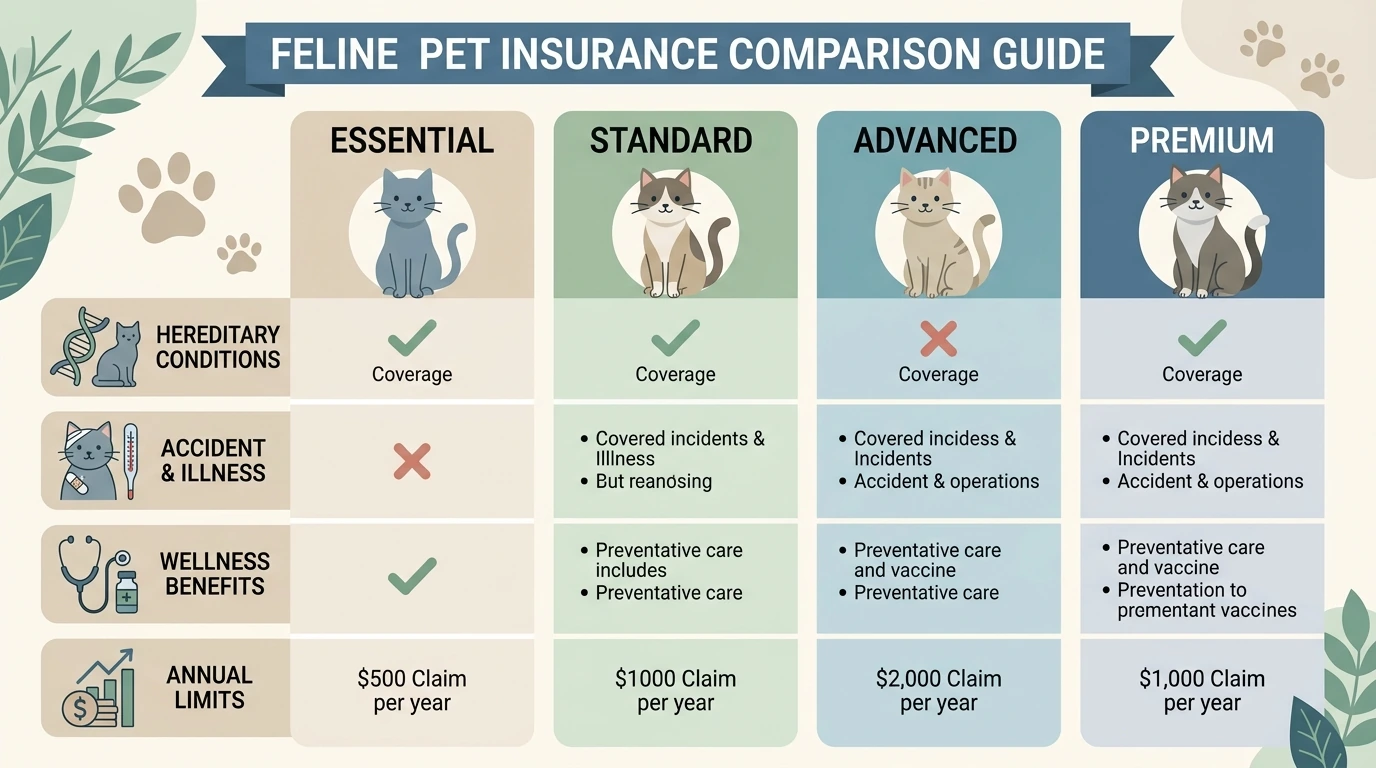
Choosing the right pet insurance involves comparing various features beyond just the monthly premium. Deductibles, reimbursement rates, annual limits, and specific coverage for breed-related conditions are all critical factors. Below is a comparative look at features often found in specialized plans, based on widely reported industry offerings.
| Feature | ExoticPaws Shield (Example) | FelineGuard Elite (Example) | BreedSure Comprehensive (Example) |
|---|---|---|---|
| Hereditary & Congenital Coverage | Yes, extensive (e.g., HCM, PKD) | Yes, standard (some exclusions) | Yes, full (incl. genetic testing) |
| Annual Reimbursement Limit | $15,000 | $10,000 | Unlimited |
| Deductible Options | $250, $500, $750 | $500, $1,000 | $100, $250, $500 |
| Reimbursement Rate | 80% or 90% | 70% or 80% | 90% or 100% |
| Wellness Add-on Available | Yes | Optional | Included |
| Coverage for Prescription Diets | Yes, for covered conditions | Limited | Yes, extensive |
Proactive Veterinary Strategies for Rare Breeds
Beyond insurance, a proactive approach to veterinary care is indispensable for rare cat breeds. This involves more than just routine vaccinations and annual check-ups; it means tailoring a health plan to their specific genetic predispositions and lifestyle needs. For instance, a Sphynx might benefit from more frequent skin examinations, while a Scottish Fold requires closer monitoring of joint mobility.
Key proactive strategies include:
- Early and Regular Screenings: Implement breed-specific screenings (e.g., echocardiograms for HCM-prone breeds, genetic tests for PKDef) starting at a young age and continuing throughout their lives.
- Nutritional Optimization: Work with your veterinarian to develop a diet that supports their unique metabolic needs, joint health, or skin condition, potentially including prescription nutrition.
- Environmental Enrichment: Provide an environment that caters to their physical and mental stimulation requirements, reducing stress and promoting overall well-being, especially for active breeds like Bengals.
- Preventative Care Protocols: Adhere strictly to parasite control, dental hygiene, and vaccination schedules, customized to their individual risk factors.
- Open Communication with Veterinarian: Maintain a detailed health history and discuss any subtle changes in behavior, appetite, or physical condition promptly.
Behavioral Harmony: Advanced Nutritional Strategies and Calming Supplements for Reactive Dogs →
Ensuring a Healthy Future for Your Unique Feline
Owning a rare cat breed is a deeply rewarding experience, offering a connection with a truly unique animal. However, this privilege comes with the responsibility of providing highly specialized care. By diligently researching breed-specific health predispositions, selecting a comprehensive pet insurance plan that covers these unique needs, and committing to proactive veterinary strategies, owners can significantly enhance their rare feline companion's health and longevity. The investment in understanding and preparing for these specific requirements ensures a vibrant and healthy life for these exceptional cats.



Post a Comment for "Exotic Feline Health & Insurance: A Deep Dive into Rare Cat Breeds"