
Maine Coon Cat Breed Review with Medical Care and Insurance Guidelines
The Maine Coon, often dubbed the 'gentle giant' of the feline world, captivates with its impressive size, shaggy coat, and amiable disposition. Understanding the specific medical considerations and planning for potential health challenges is paramount for any current or prospective owner of this magnificent breed.
This comprehensive guide delves into the breed's unique characteristics, outlines predisposed health conditions, and offers practical insights into pet insurance to ensure a long, healthy, and happy life for your Maine Coon companion.
The Majestic Maine Coon: A Breed Overview
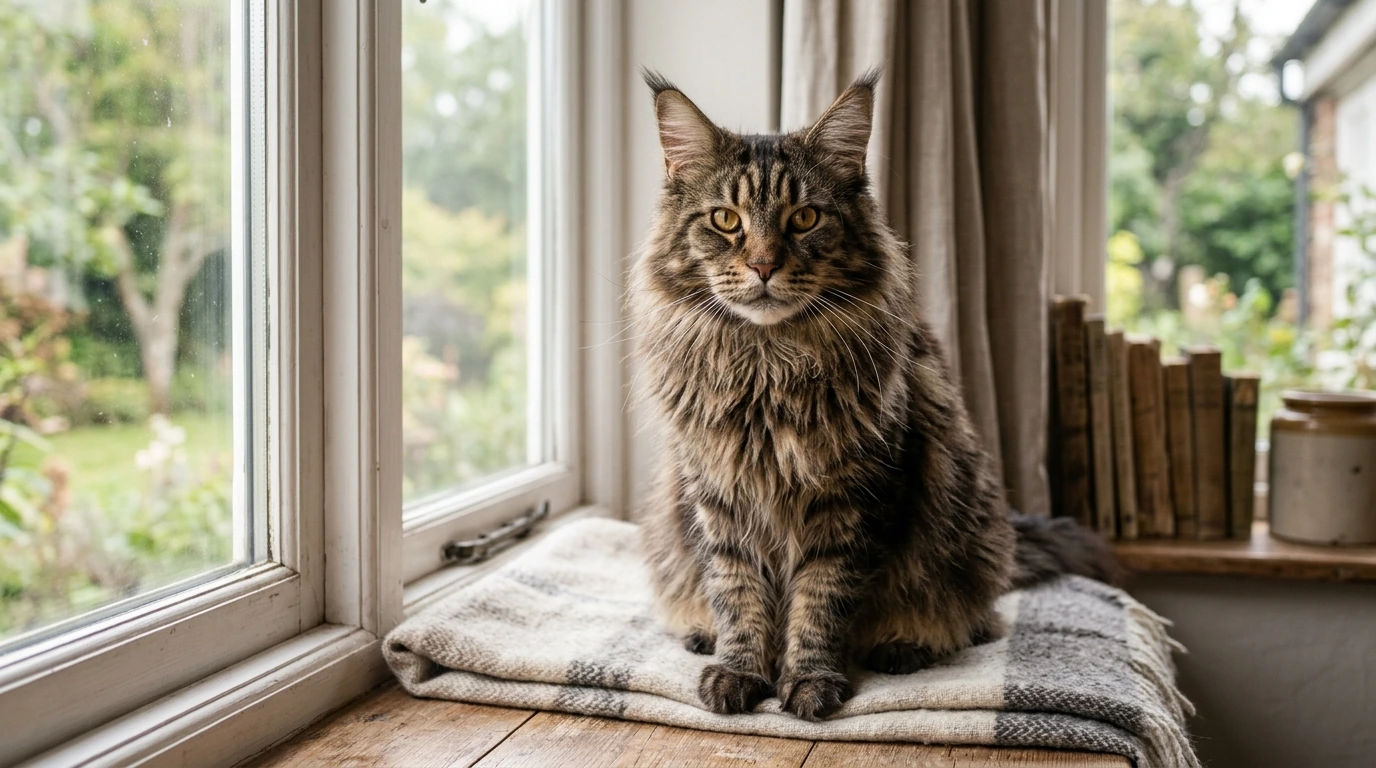
Originating from the state of Maine in the United States, the Maine Coon is one of the oldest natural breeds in North America. These cats are renowned for their robust build, dense water-repellent fur, and bushy tails, which historically aided their survival in harsh New England winters. Beyond their striking appearance, their personality traits solidify their status as beloved family members.
Physical Attributes and Temperament
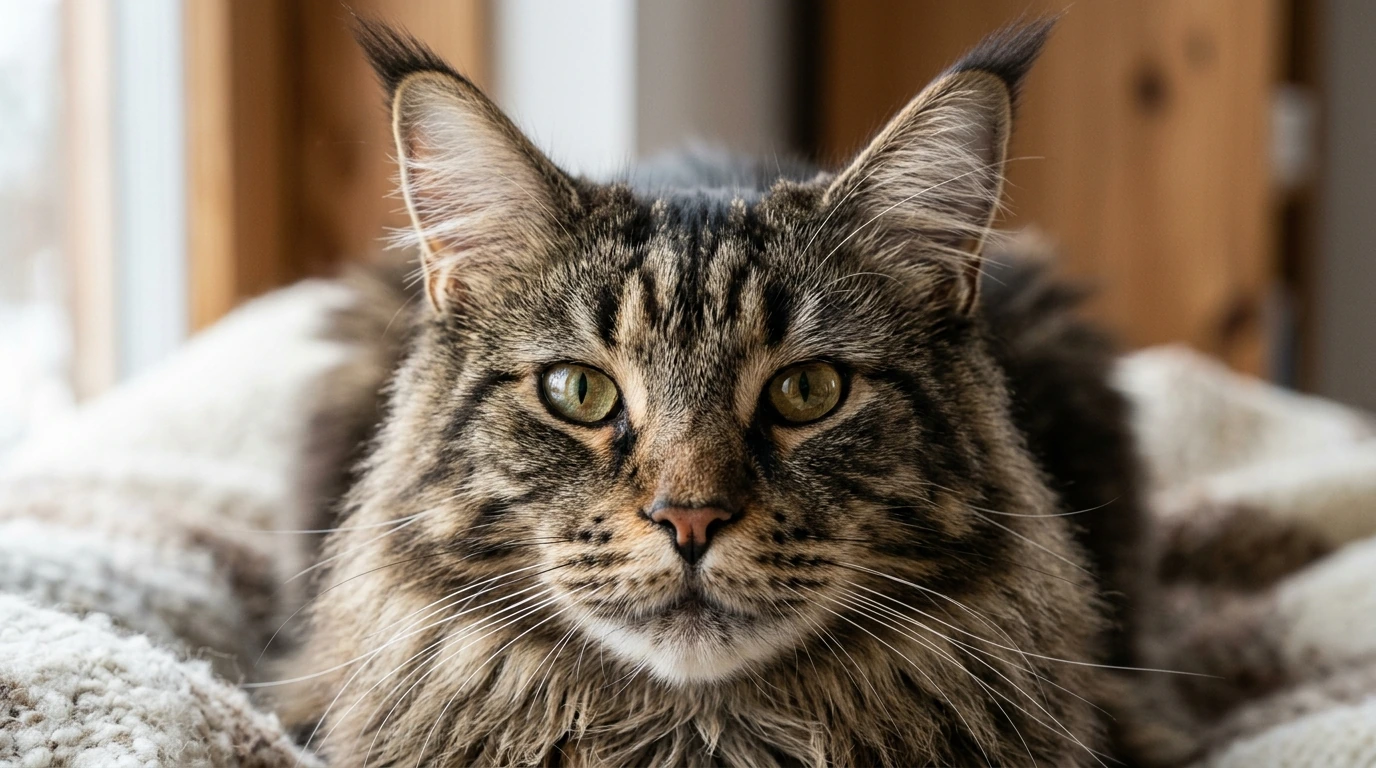
Maine Coons are distinguished by their substantial size, with males typically weighing between 13 to 18 pounds (6-8 kg) and females between 8 to 12 pounds (3.6-5.4 kg), though some individuals can exceed these ranges. Their fur is long and shaggy, often with a ruff around the neck, and they possess expressive, wide-set eyes. Their temperament is generally described as gentle, playful, and highly intelligent, making them excellent companions. They often display dog-like loyalty and enjoy interactive play, including fetch.
Historical Context and Development
While their exact origins are debated, it is widely believed that Maine Coons developed through natural selection, adapting to the cold climate. Early records indicate their presence in cat shows as far back as the late 19th century. Their popularity has seen fluctuations but has steadily risen due to their appealing traits, leading to careful breeding programs that aim to preserve the breed's health and characteristics.
Navigating Common Health Predispositions
While generally a hardy breed, Maine Coons are predisposed to certain genetic health conditions that prospective and current owners should be aware of. Responsible breeding practices include screening for these conditions to minimize their prevalence.
Hip Dysplasia and Patellar Luxation
Given their large size, Maine Coons can be susceptible to orthopedic issues. Hip dysplasia, a malformation of the hip joint, and patellar luxation, where the kneecap dislocates, are two such concerns. Symptoms can range from mild discomfort to severe lameness. Early diagnosis and management, which may include medication, physical therapy, or surgery, are critical for maintaining mobility and quality of life.
Hypertrophic Cardiomyopathy (HCM)
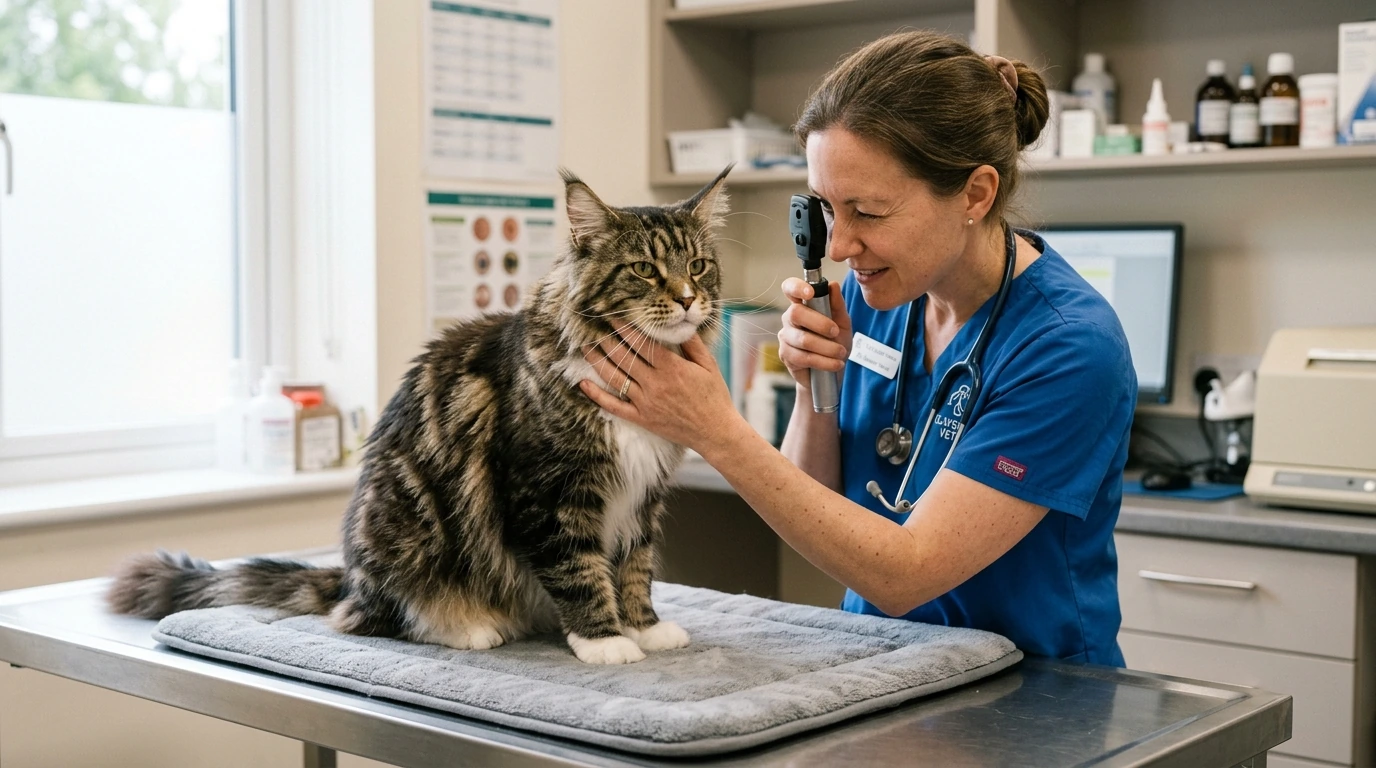
Hypertrophic Cardiomyopathy (HCM) is the most common heart disease in cats and is particularly prevalent in Maine Coons. This condition causes the muscular walls of the heart to thicken, reducing its efficiency. Genetic testing is available for a specific mutation (A31P mutation in the MYBPC3 gene) associated with HCM in Maine Coons, though other genetic factors may also contribute. Regular cardiac screenings, such as echocardiograms, are recommended for breeding cats and can help detect the disease early in pets.
Spinal Muscular Atrophy (SMA)
Spinal Muscular Atrophy (SMA) is a genetic neurological disorder unique to Maine Coons. It results in the degeneration of spinal cord neurons, leading to muscle weakness and atrophy, particularly in the hind limbs. Affected kittens typically show symptoms between 3-4 months of age. While there is no cure, a DNA test can identify carriers and affected cats, allowing breeders to make informed decisions.
Polycystic Kidney Disease (PKD)
Polycystic Kidney Disease (PKD) is a hereditary condition characterized by the formation of fluid-filled cysts in the kidneys. While less common in Maine Coons compared to some other breeds, it has been reported. Over time, these cysts can grow and impair kidney function. Ultrasound screening is the primary diagnostic tool, and genetic testing is also available for some forms of PKD in cats.
Strategic Pet Insurance for Maine Coons
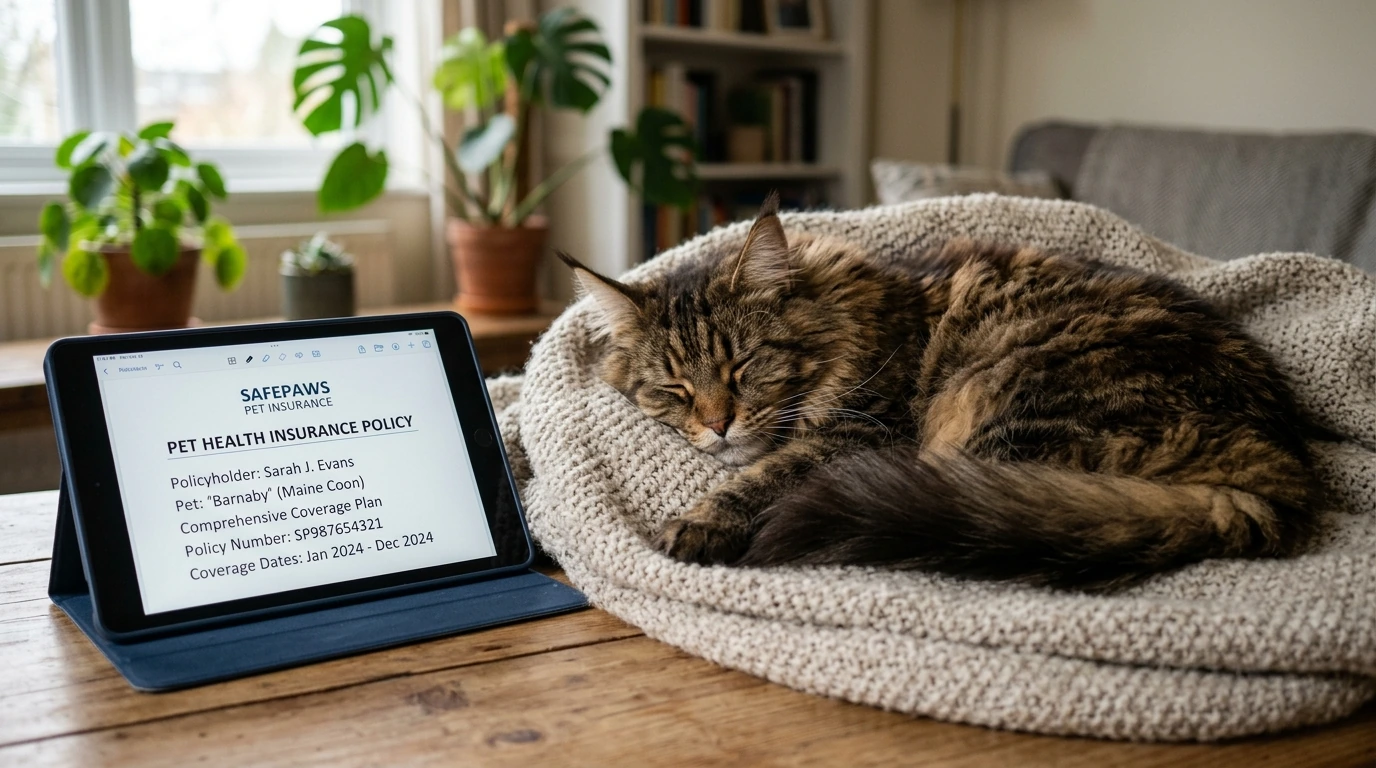
Given the breed's predispositions, pet insurance can be a valuable financial tool for Maine Coon owners. It helps mitigate the costs associated with unexpected illnesses, accidents, and even some routine care, depending on the policy type. Understanding the nuances of different plans is key to selecting the right coverage.
| Insurance Aspect | Consideration for Maine Coons | Typical Coverage |
|---|---|---|
| Hereditary/Congenital Conditions | Crucial for HCM, HD, SMA, PKD. | Varies; many comprehensive plans cover if not pre-existing. |
| Accident & Illness Plans | Covers unexpected injuries, common illnesses. | Emergency visits, diagnostics, surgery, medication. |
| Wellness Plans/Add-ons | For preventative care (vaccines, check-ups). | Routine exams, vaccinations, parasite control. |
| Deductibles & Reimbursement | Higher deductibles mean lower premiums but more out-of-pocket. | Common options: $100-$1000 deductible, 70-90% reimbursement. |
| Waiting Periods | Time before coverage begins. Orthopedic conditions often have longer waits. | Accidents: 2-14 days. Illnesses: 14-30 days. Orthopedic: 6-12 months. |
| Annual Limits | Maximum payout per policy year. | Ranges from $5,000 to unlimited. |
PRO TIP: Always obtain a copy of your Maine Coon's parents' health clearances (e.g., OFA for hips, echocardiograms for HCM, genetic test results for SMA/PKD) before purchase. This information is invaluable for understanding potential hereditary risks and can influence your insurance choices, especially regarding pre-existing conditions.
Proactive Care Strategies and Lifelong Wellness
Ensuring your Maine Coon thrives involves a holistic approach to their care, combining preventative measures with attentive daily management. This proactive stance can significantly contribute to their longevity and overall well-being.
- Regular Veterinary Check-ups: Annual or bi-annual visits are essential for early detection of health issues, vaccinations, and parasite control.
- Balanced Nutrition: Provide a high-quality, balanced diet appropriate for their age, size, and activity level. Consult your veterinarian for specific dietary recommendations.
- Weight Management: Maine Coons are large, but obesity can exacerbate orthopedic and cardiac conditions. Monitor their weight and adjust food intake and exercise as needed.
- Grooming: Their long, dense coats require regular brushing (2-3 times weekly) to prevent mats and reduce hairballs.
- Dental Care: Implement a routine dental hygiene program, including brushing and professional cleanings as recommended by your vet, to prevent periodontal disease.
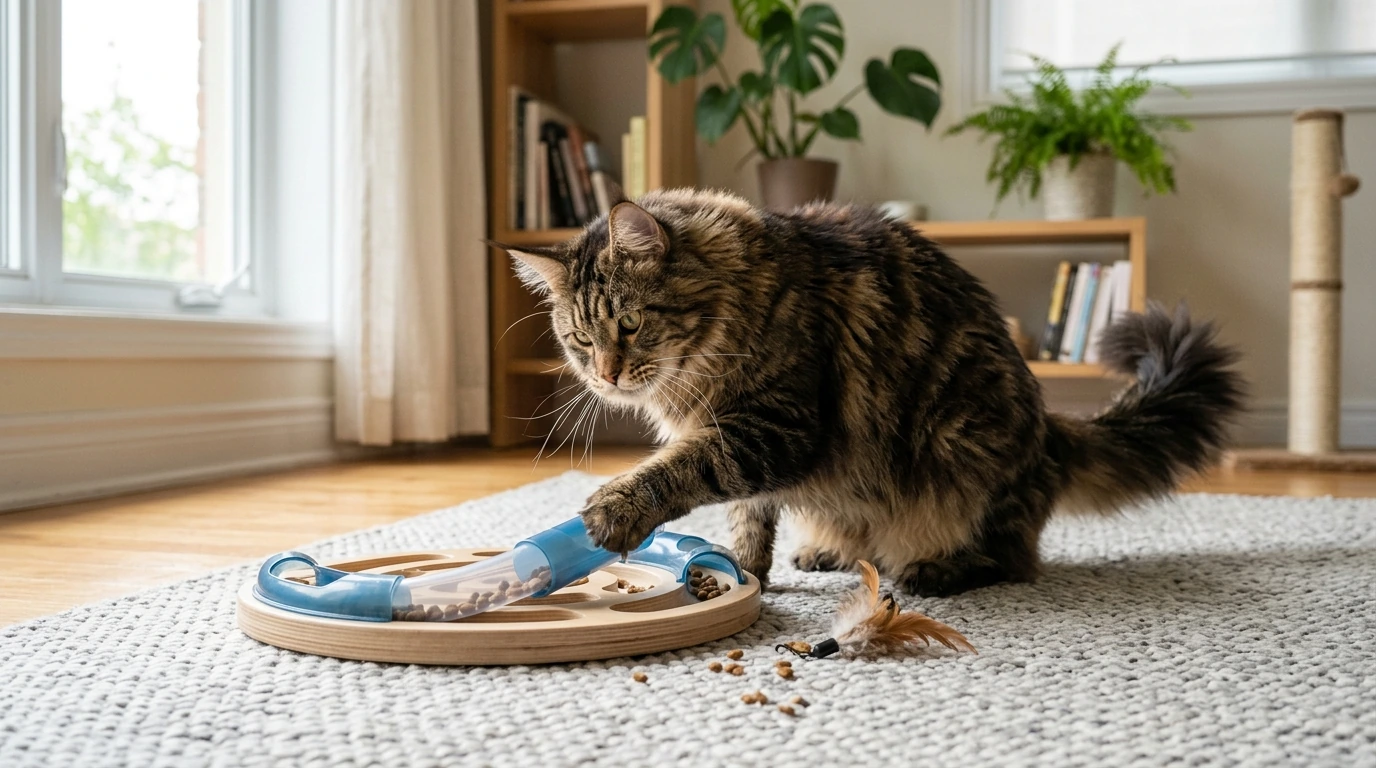
- Mental & Physical Enrichment: Engage your Maine Coon with interactive toys, puzzle feeders, and regular play sessions to keep them mentally stimulated and physically active.
By understanding the specific needs of the Maine Coon breed, from their charming personalities to their genetic health predispositions, owners can make informed decisions regarding their care and financial planning. Pet insurance, combined with diligent preventative care, forms a robust framework for supporting these magnificent cats throughout their lives, allowing them to enjoy every moment with their human families.



Post a Comment for "Maine Coon Cat Breed Review with Medical Care and Insurance Guidelines"