
Bengal Cat Breed Review and High Value Exotic Pet Health Insurance
Considering adding a Bengal cat to your family? This captivating breed, known for its wild appearance and vibrant personality, brings immense joy but also specific care requirements. Understanding their unique health profile and the financial implications of their care, particularly regarding specialized health insurance, is paramount for any prospective owner.
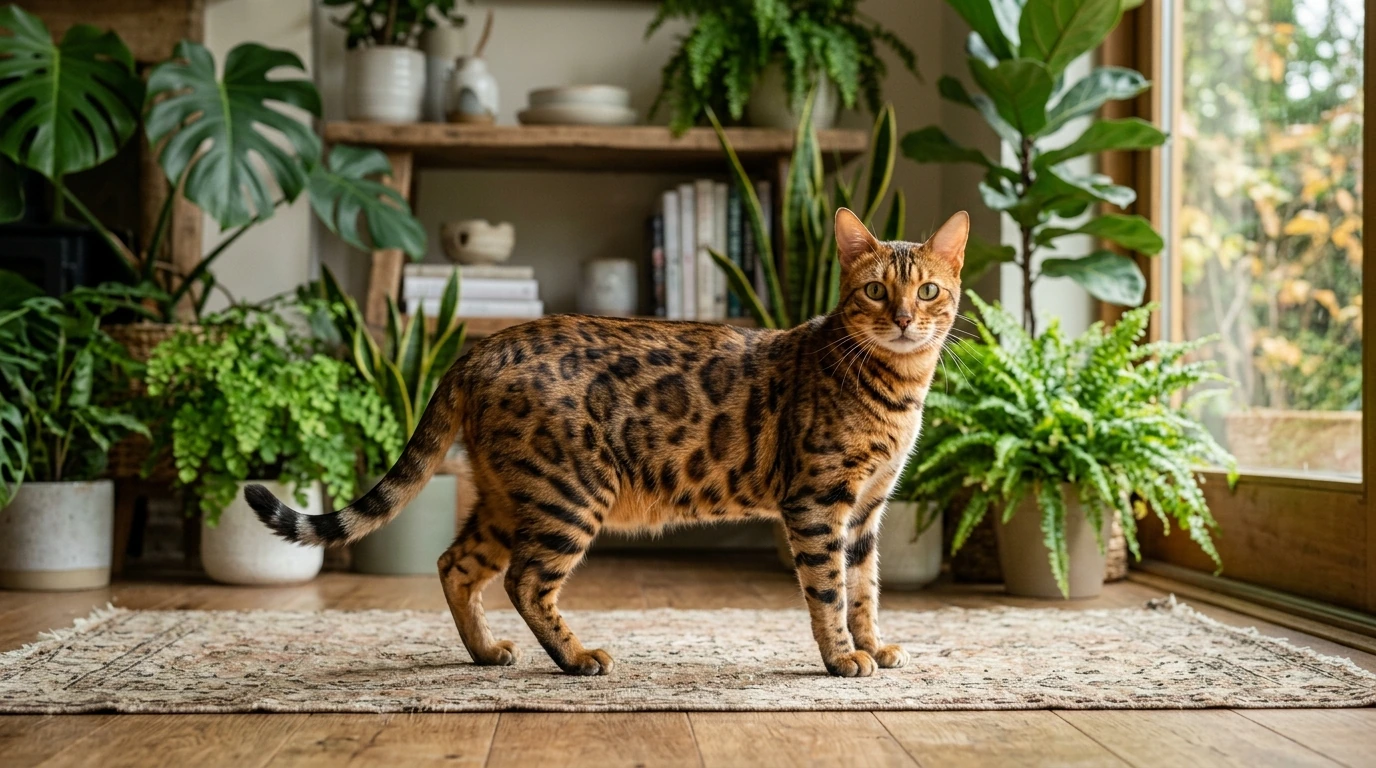
The Bengal cat, a hybrid breed developed from crosses between domestic cats and the Asian Leopard Cat, offers a unique blend of domestic affection and a striking, exotic aesthetic. Their distinctive spotted or marbled coats, often with a shimmering 'glitter' effect, immediately set them apart. Beyond their stunning looks, Bengals are renowned for their intelligence, high energy levels, and playful, often dog-like, personalities. This article delves into the specific needs of the Bengal breed, from their physical and behavioral traits to the critical role of high-value health insurance in safeguarding their well-being.
The Distinctive Attributes of the Bengal Feline
The allure of the Bengal cat stems from its wild heritage, which manifests in both its appearance and temperament. Owners often describe them as miniature leopards, a testament to their striking visual characteristics.
Wild Ancestry and Coat Patterns
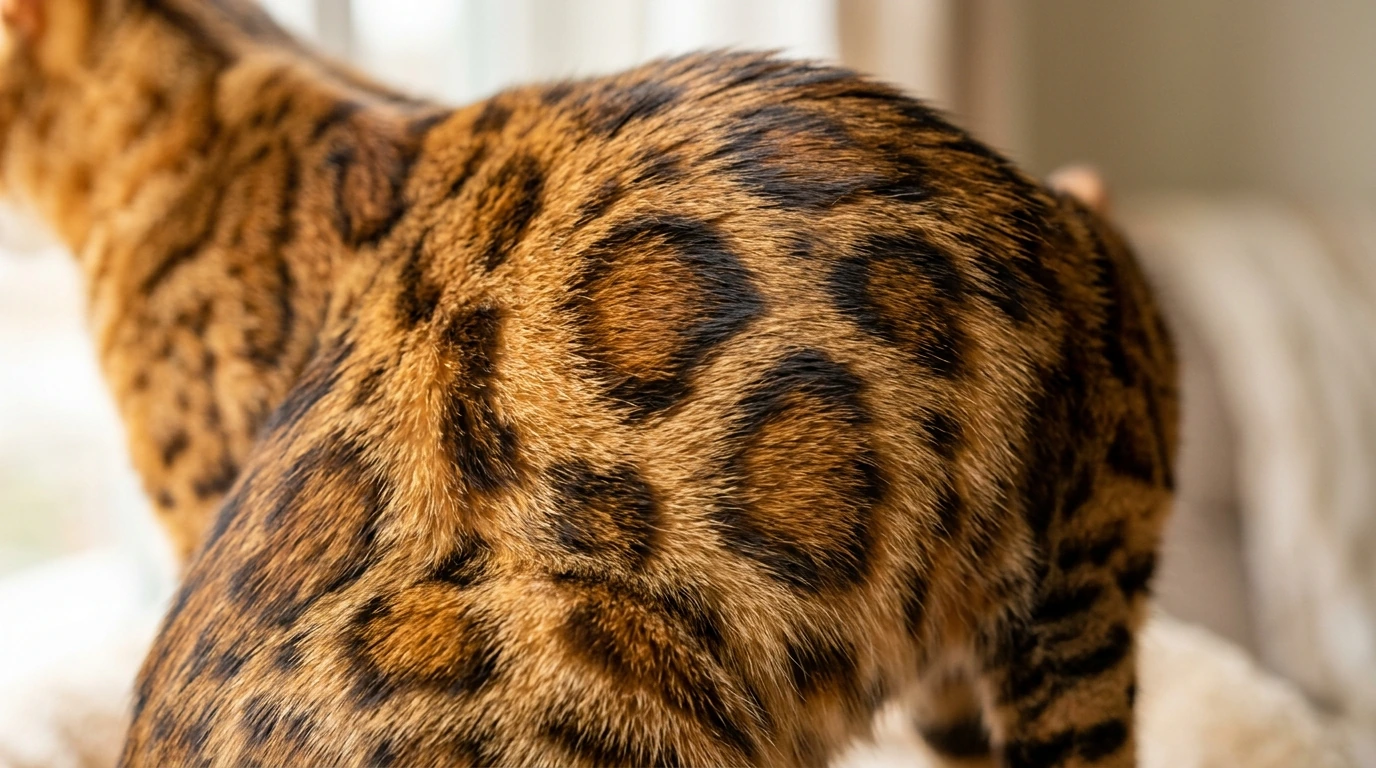
Bengal cats possess a muscular, athletic build, reflecting their active nature. Their most defining feature is their coat, which can be spotted (rosetted) or marbled. Rosettes, often seen in brown or silver varieties, are typically two-toned markings, giving a clear resemblance to their wild ancestors. The coat is short, dense, and remarkably soft, often exhibiting a unique 'glitter' gene that makes the fur appear to sparkle in the light. This visual appeal is a significant draw for many enthusiasts.
Temperament and Behavioral Needs
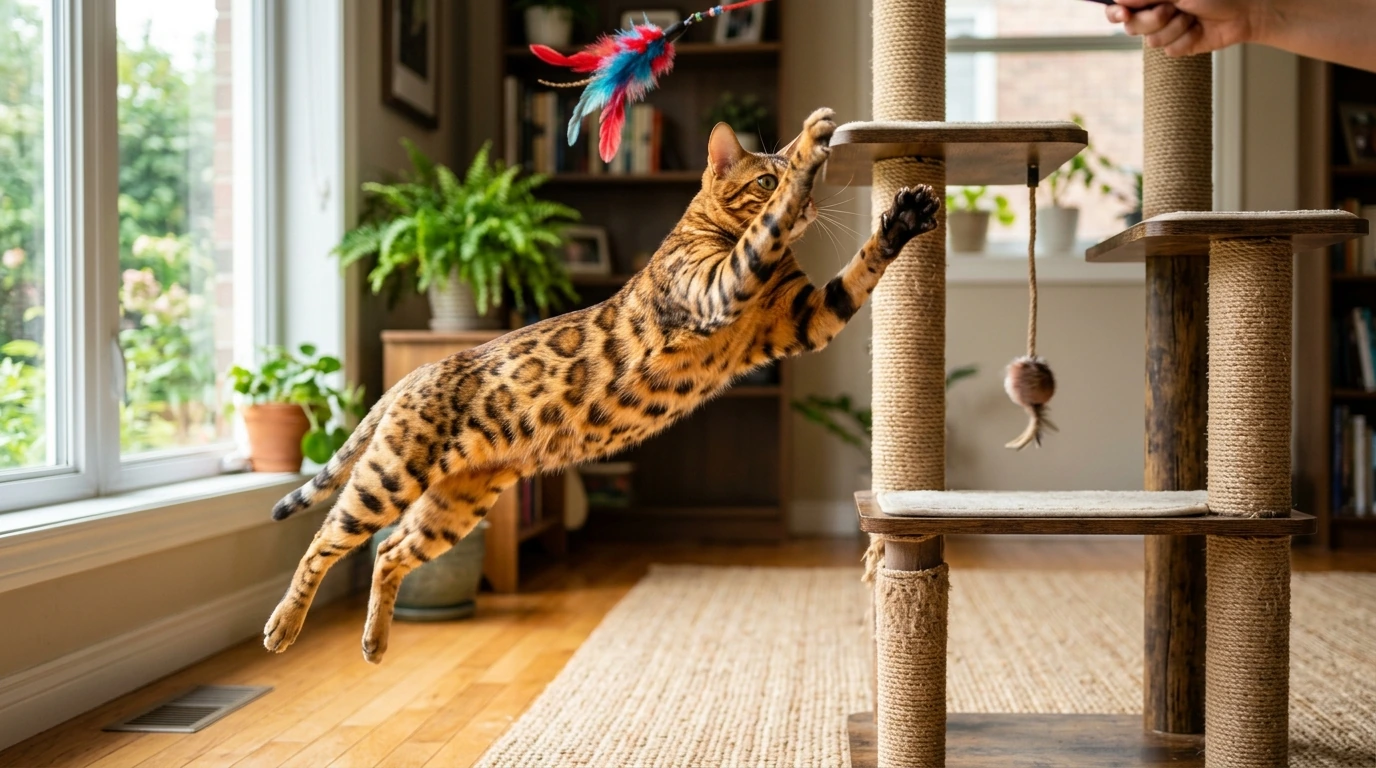
Bengals are highly intelligent and curious creatures, requiring significant mental and physical stimulation. They thrive on interaction and can form strong bonds with their human companions. Their playful nature means they often enjoy games like fetch, walking on a leash, and even playing in water. Owners should be prepared for a cat that is vocal, agile, and constantly exploring. Without adequate engagement, a Bengal can become bored, potentially leading to destructive behaviors.
Navigating Bengal Cat Health Considerations
While generally robust, Bengal cats do have certain health predispositions that prospective and current owners should be aware of. Proactive health management and a strong partnership with your veterinarian are essential.
Common Genetic Predispositions
Several hereditary conditions are more commonly observed in the Bengal breed. These include:
- Pyruvate Kinase Deficiency (PK-deficiency): An inherited hemolytic anemia that can range from mild to severe. Responsible breeders screen for this condition.
- Progressive Retinal Atrophy (PRA-b): A degenerative eye disease that can lead to blindness. Genetic testing is available to identify carriers and affected cats.
- Hypertrophic Cardiomyopathy (HCM): A heart condition causing thickening of the heart muscle. While not exclusive to Bengals, it is seen within the breed. Regular cardiac screenings (echocardiograms) are recommended for breeding cats.
- Patellar Luxation: A condition where the kneecap dislocates, potentially causing lameness.
Understanding these predispositions underscores the importance of choosing a reputable breeder who conducts comprehensive genetic health screenings.
Dietary Requirements for an Active Breed
Given their high metabolism and energy levels, Bengals require a high-quality diet rich in animal protein. A balanced diet formulated for active felines, whether wet or dry, is crucial. Consulting with a veterinary nutritionist can help tailor a diet that meets their specific needs, supporting their lean muscle mass and overall vitality.
Preventative Care and Wellness Schedules
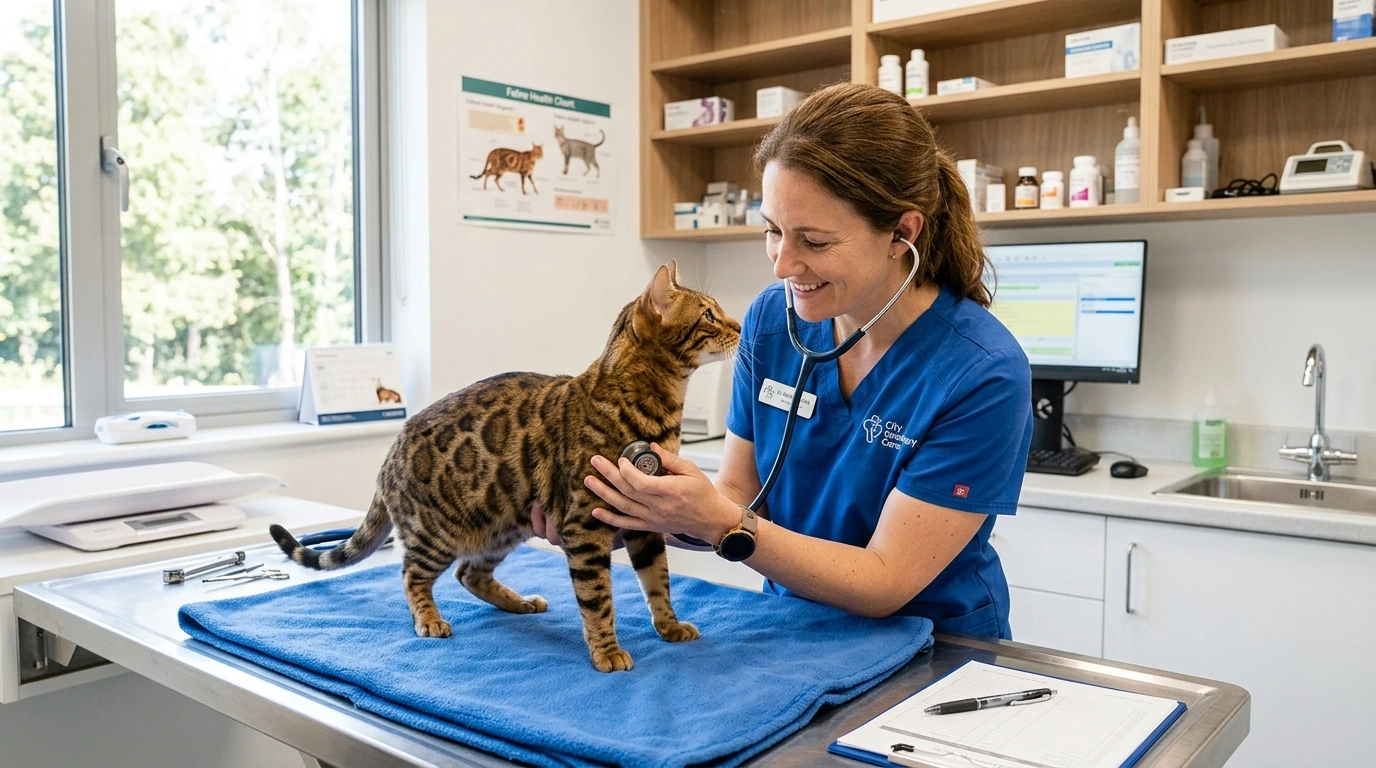
Routine veterinary check-ups, vaccinations, parasite control, and dental care are fundamental to a Bengal's health. Due to their active lifestyle, regular nail trims are also important. Early detection of any health issues through consistent preventative care can significantly improve outcomes and quality of life.
Understanding High-Value Exotic Pet Health Insurance for Bengals
The unique health profile and potential for specialized veterinary care for Bengals make high-value pet health insurance a prudent investment. Standard policies might not always adequately cover their specific needs.
Why Standard Policies May Fall Short
Many general pet insurance policies are designed with common domestic breeds in mind. For a Bengal, their classification as an 'exotic' or 'hybrid' breed by some insurers, combined with their breed-specific health predispositions, can lead to limitations. Policies might exclude coverage for hereditary conditions unless specifically added, or they might have lower reimbursement rates for specialized treatments that a Bengal might require.
Key Coverage Elements to Seek
When evaluating insurance for your Bengal, look for policies that offer:
- Comprehensive Accident & Illness Coverage: This should cover unexpected injuries, common illnesses, and emergency veterinary care.
- Hereditary & Congenital Condition Coverage: Crucial for Bengals, ensuring conditions like PK-deficiency, PRA-b, and HCM are covered, ideally without extensive waiting periods or exclusions.
- Wellness Add-ons: Options for routine care like annual exams, vaccinations, and dental cleanings can help manage preventative costs.
- High Reimbursement Rates & Flexible Deductibles: A higher reimbursement percentage (e.g., 80-90%) means less out-of-pocket expense for major claims.
- Specialized Vet & Referral Coverage: Ensuring access to specialists for cardiology, ophthalmology, or internal medicine without prohibitive limitations.
Evaluating Policy Providers and Premiums
The market for pet insurance has expanded, with several providers offering plans that cater to more specialized needs. Comparing options is vital. Here's a simplified comparison of what different tiers of 'high-value' insurance might offer:
| Feature Category | Essential High-Value Plan | Premium High-Value Plan | Elite High-Value Plan |
|---|---|---|---|
| Annual Payout Limit | $10,000 | $20,000 | Unlimited |
| Reimbursement Rate | 80% | 90% | 90-100% |
| Deductible Options | $250, $500 | $100, $250, $500 | $0, $100, $250 |
| Hereditary Conditions | Included (with waiting period) | Included (shorter waiting period) | Included (immediate or very short waiting period) |
| Wellness Add-On | Basic preventative care | Enhanced preventative care & dental | Comprehensive wellness, dental & alternative therapies |
| Behavioral Therapy | Limited coverage | Moderate coverage | Extensive coverage |
| Exotic Pet Classification | Accepted with specific terms | Accepted, standard rates | Accepted, favorable terms |
Premiums will vary significantly based on the cat's age, location, and the chosen coverage level. It is advisable to obtain multiple quotes and carefully review the terms and conditions, paying close attention to exclusions and waiting periods for hereditary conditions.
PRO TIP: Always inquire about specific coverage for hereditary and congenital conditions before purchasing a policy. Some insurers may require genetic testing results or impose longer waiting periods for these conditions in specific breeds like the Bengal. Early enrollment when your Bengal is a kitten can help avoid pre-existing condition exclusions.
Practical Steps for a Healthy Bengal Life
Beyond insurance, several practical steps contribute significantly to a Bengal's longevity and happiness.
Choosing a Reputable Breeder
The foundation of a healthy Bengal begins with responsible breeding. A reputable breeder will:
- Provide health guarantees.
- Conduct genetic testing for common breed-specific conditions (PK-deficiency, PRA-b, HCM screening).
- Allow you to meet the kitten's parents.
- Be transparent about their breeding practices and the health history of their lines.
- Offer ongoing support and advice.
Environmental Enrichment and Exercise
Bengals thrive in environments that cater to their high energy and intelligence. Provide plenty of vertical space (cat trees, shelves), interactive toys, puzzle feeders, and opportunities for supervised outdoor access (e.g., a secure catio or leash training). Regular play sessions are non-negotiable for their physical and mental well-being.
Financial Planning Beyond Insurance
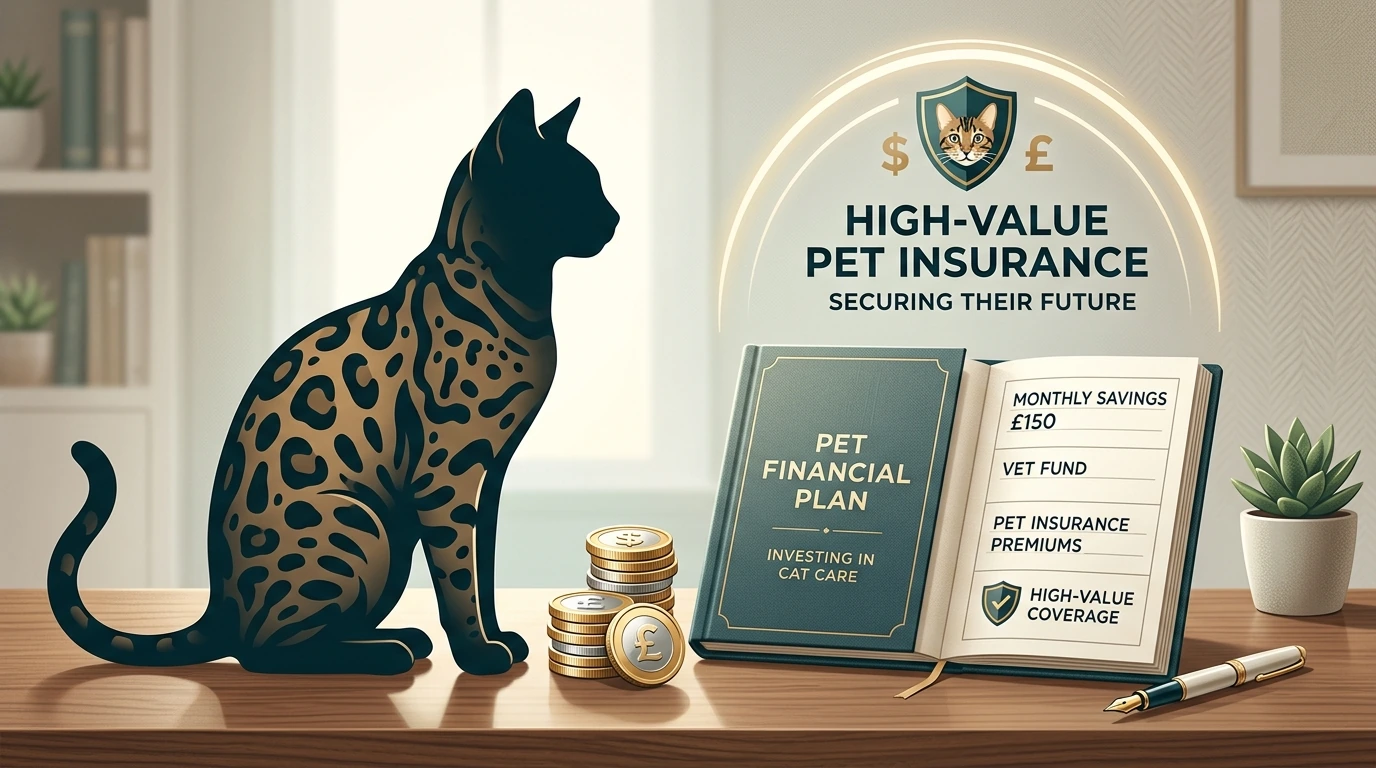
While insurance covers unexpected medical costs, remember to budget for routine expenses such as high-quality food, litter, toys, grooming supplies, and annual vet visits. Establishing an emergency fund specifically for your pet can offer an additional layer of security for costs not covered by insurance or for deductibles.
Curating Distinction: Luxury Monikers for Rare Dog Breeds and Essential Pet Insurance Considerations →
Securing a Vibrant Future for Your Bengal Companion
Bringing a Bengal cat into your home is an enriching experience, filled with playful antics and deep companionship. Their unique characteristics demand a committed approach to care, encompassing breed-specific knowledge, diligent preventative health measures, and thoughtful financial planning. Investing in high-value, specialized pet health insurance is not merely a safeguard against unforeseen medical expenses; it is an affirmation of your commitment to providing the best possible life for your exotic companion. By understanding their needs and preparing for potential challenges, you ensure your Bengal can thrive, offering years of joy and vibrant energy to your household.



Post a Comment for "Bengal Cat Breed Review and High Value Exotic Pet Health Insurance"