
Grain-Free Cat Food: Top Vet-Recommended Brands for Feline Health in 2026
Many cat owners in 2026 are exploring grain-free diets for their feline companions, driven by a desire to align their pet's meals more closely with their natural carnivorous biology. While grains are not inherently toxic to cats, their digestive systems are optimally designed to process animal-derived proteins and fats, with minimal need for carbohydrates. Selecting the right grain-free option, however, requires careful consideration beyond simply removing grains.
Understanding a Cat's Unique Dietary Blueprint
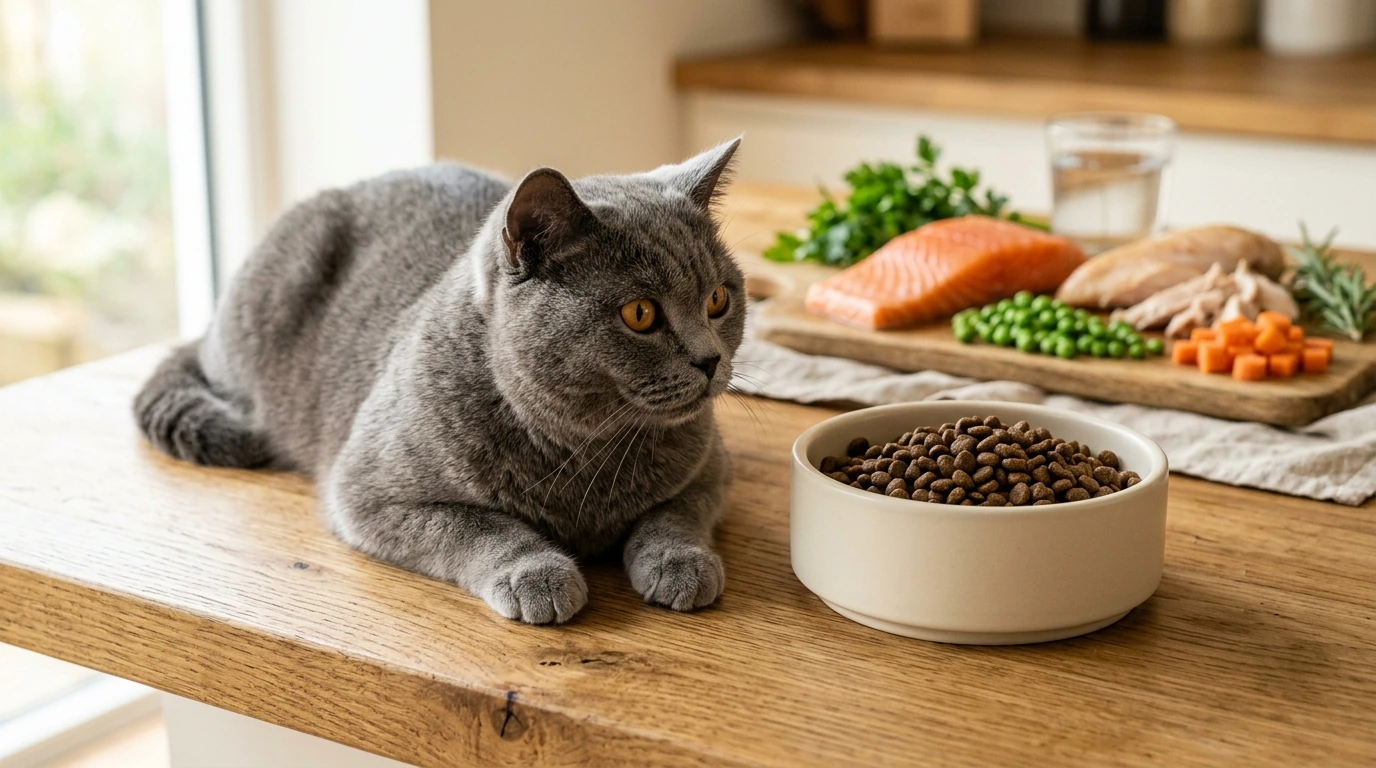
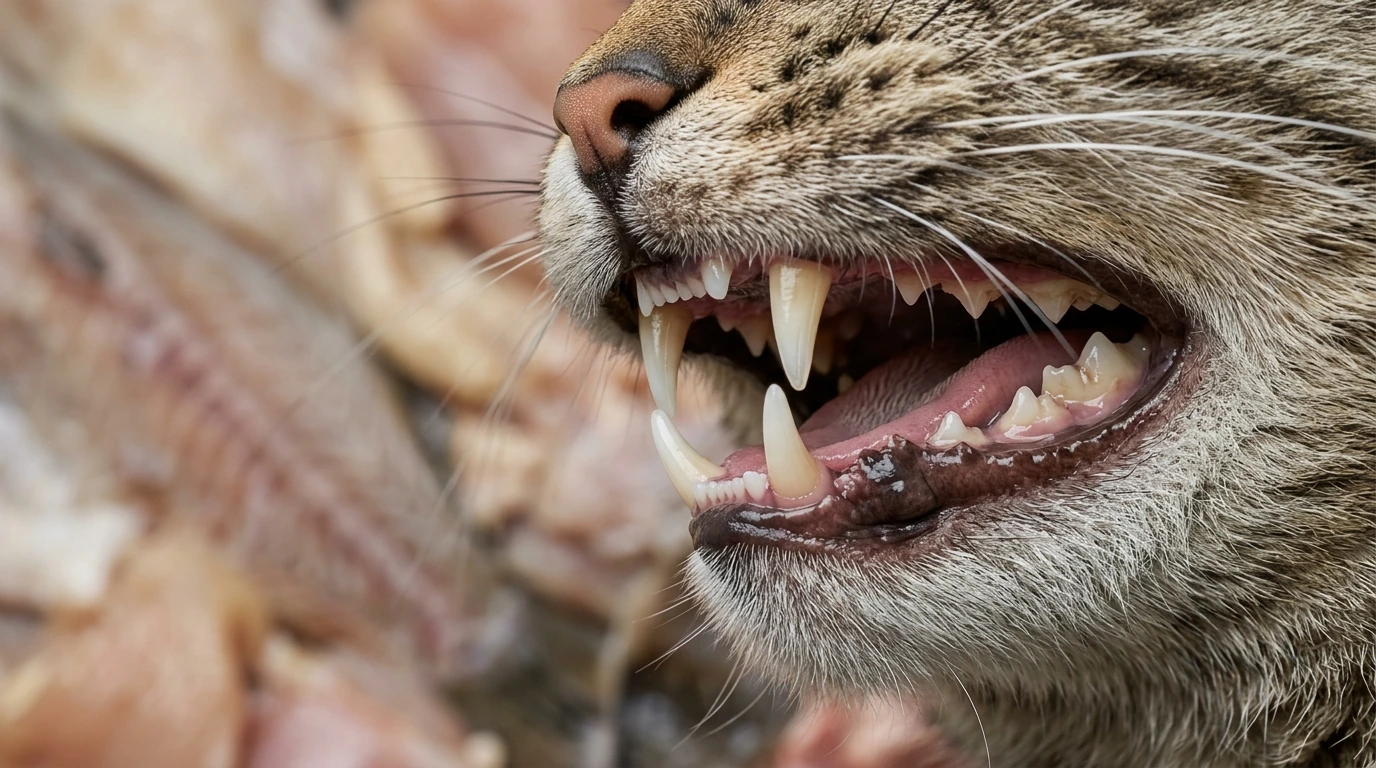
Cats are obligate carnivores, meaning their bodies are metabolically adapted to thrive on a diet primarily composed of animal tissue. This fundamental biological truth dictates their nutritional requirements: a high percentage of animal protein, moderate fat, and very low carbohydrates. Their digestive enzymes are specifically geared towards breaking down protein and fat, not complex plant starches.
While a cat can digest some carbohydrates, excessive amounts can strain their system and potentially contribute to issues like obesity or diabetes over time. A well-formulated grain-free diet aims to mimic the nutrient profile a cat would obtain from its prey, focusing on nutrient-dense animal ingredients.
Essential Markers for Quality Grain-Free Formulas
Before committing to a particular brand, discerning cat owners should evaluate several critical aspects of the food's composition. This isn't just about the absence of grains; it's about what replaces them and the overall nutrient density.
Here’s what to prioritize:
- First Five Ingredients: Look for multiple named meat sources (e.g., chicken, salmon, turkey meal) at the top of the list. Avoid generic terms like "meat by-products" without further specification.
- Protein Content: Aim for a minimum of 30-35% crude protein on a dry matter basis, ideally from animal sources. Higher is often better for active cats.
- Fat Content: A moderate fat content, typically 15-20% crude fat, is appropriate. Look for healthy fats like chicken fat, salmon oil, or flaxseed.
- Carbohydrate Sources: If grains are removed, what replaces them? Opt for digestible, low-glycemic alternatives like sweet potatoes, peas, or lentils in moderation. Avoid high amounts of potato or tapioca, which can still contribute to a high carbohydrate load.
- Taurine: This essential amino acid is crucial for feline heart and eye health. Ensure it's explicitly listed in the ingredients, as cats cannot synthesize it sufficiently on their own.
- AAFCO Statement: Verify that the food meets the nutritional levels established by the AAFCO (Association of American Feed Control Officials) for your cat's life stage (e.g., "complete and balanced for adult maintenance").
Leading Grain-Free Cat Food Brands for 2026
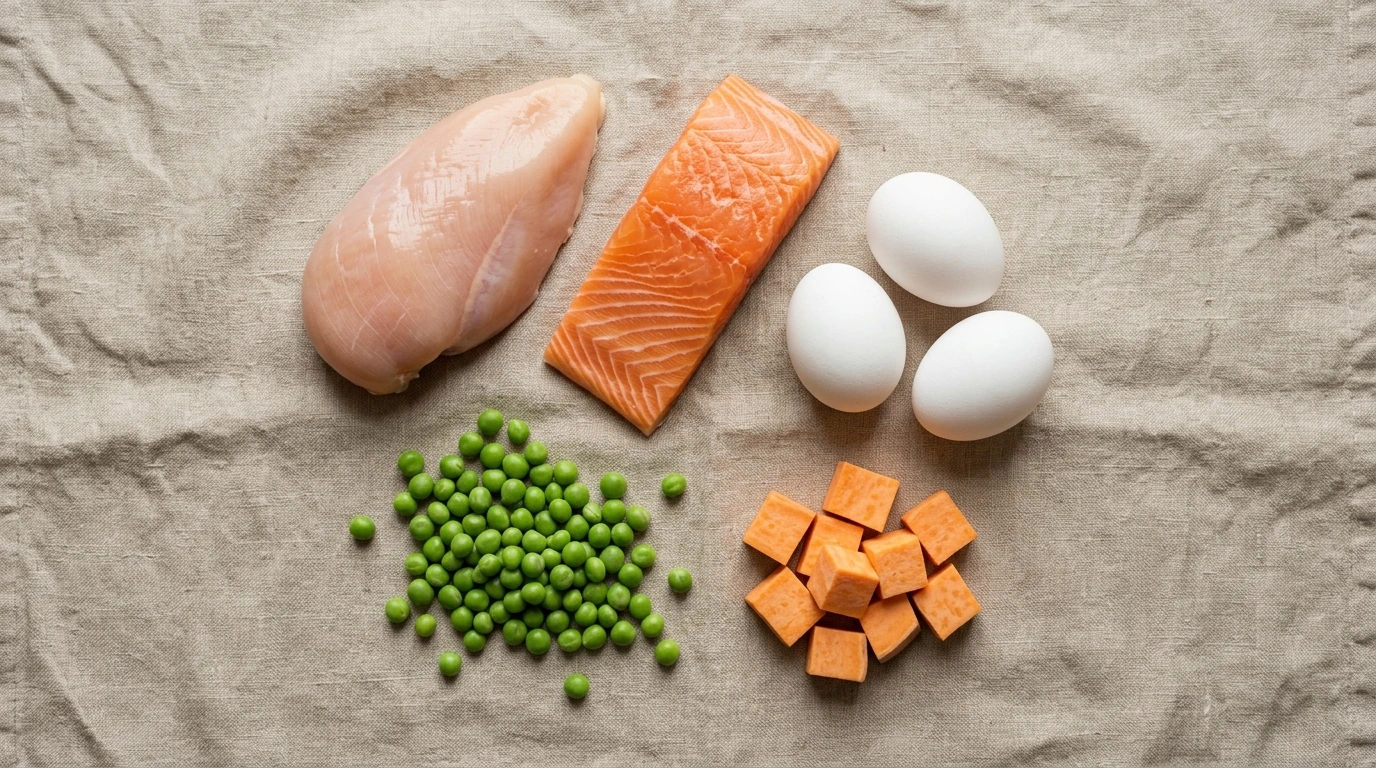
Based on manufacturer specifications, ingredient quality, and widely reported veterinary consensus, several brands consistently offer high-quality grain-free options. It's important to remember that individual cats may have unique preferences or sensitivities, so observation remains key.
| Brand & Formula | Primary Protein Sources | Key Carbohydrate Replacements | Noteworthy Features |
|---|---|---|---|
| Feline Feast - Wilderness Blend | Deboned Chicken, Chicken Meal, Turkey Meal | Peas, Sweet Potatoes | High animal protein (40% crude protein reported), fortified with probiotics and omega fatty acids. |
| Pawsome Provisions - Ocean Catch | Salmon, Herring Meal, Whitefish Meal | Lentils, Chickpeas | Rich in omega-3s for skin & coat health, moderate fat content (18% crude fat reported). |
| Whiskers & Wild - Game Formula | Duck, Venison Meal, Chicken Liver | Tapioca, Dried Plain Beet Pulp (low glycemic) | Novel protein sources for sensitive cats, includes prebiotics for digestive support. |
| Pure Feline - Instinctive Nutrition | Chicken, Chicken Liver, Whole Eggs | Pumpkin, Carrots | Limited ingredient diet often suitable for allergies, high moisture content in wet food variants. |
Common Missteps in Grain-Free Diet Transitions
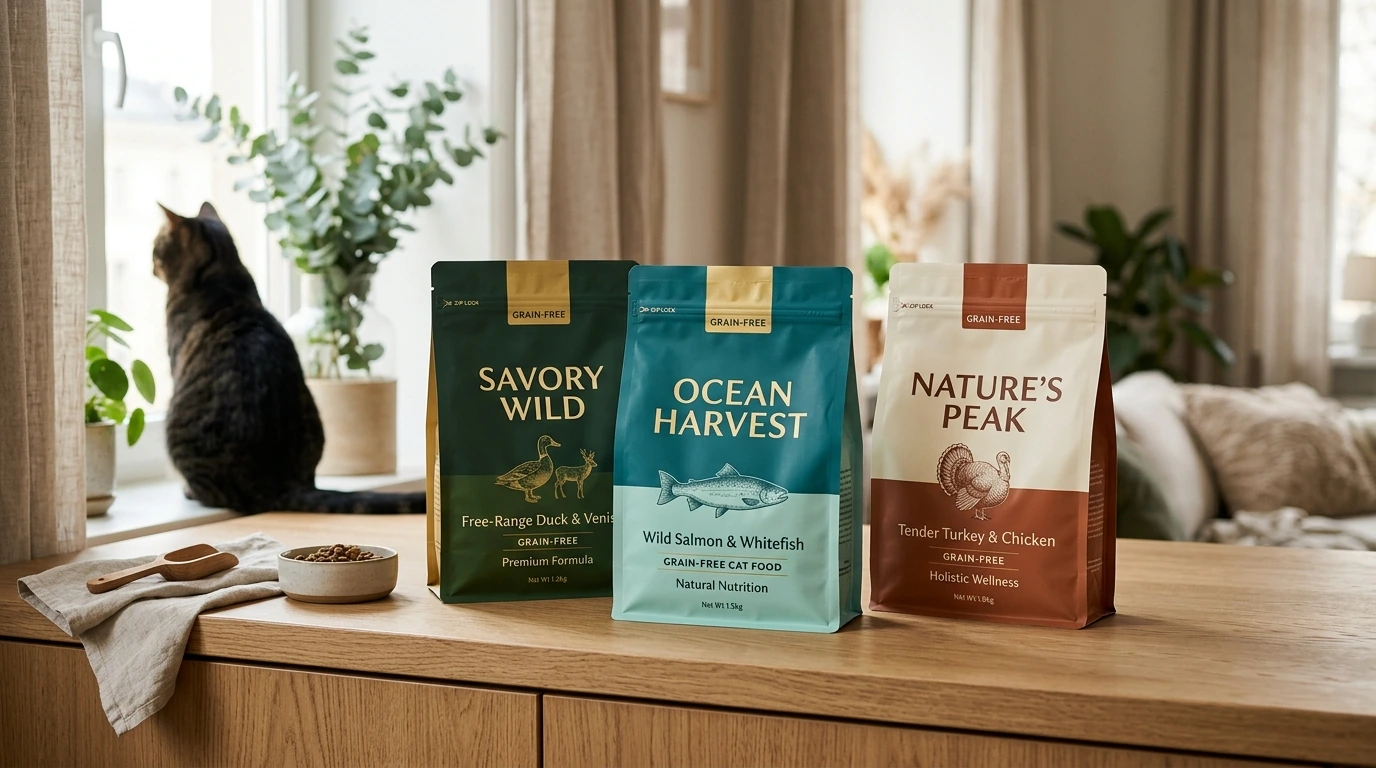
Switching to a grain-free diet can be beneficial, but certain errors can undermine its potential advantages or even cause digestive upset. Avoiding these pitfalls is crucial for a smooth transition and optimal feline health.
- Assuming "Grain-Free" Equals "Low Carb": Not all grain-free foods are low in carbohydrates. Some replace grains with high amounts of other starchy vegetables like potatoes or tapioca, which can still contribute to excess carbohydrates. Always check the guaranteed analysis for carbohydrate content (often calculated as 100% minus protein, fat, moisture, and ash).
- Abrupt Diet Changes: Introducing a new food too quickly can lead to gastrointestinal distress, including vomiting or diarrhea. A gradual transition over 7-10 days, slowly increasing the new food while decreasing the old, is generally recommended.
- Ignoring Individual Cat Needs: What works for one cat may not work for another. Factors like age, activity level, existing health conditions (e.g., kidney disease, allergies), and even breed can influence dietary suitability. Consulting with a veterinarian is always advisable before making significant dietary changes.
- Over-Reliance on Dry Kibble: While convenient, dry kibble typically has a lower moisture content than wet food. Cats naturally obtain much of their hydration from their food. Incorporating wet grain-free food can significantly contribute to a cat's overall hydration, which is vital for urinary tract health.
Verifying Your Cat's Thriving on a New Diet
Once you've transitioned your cat to a new grain-free food, monitoring their response is paramount. This ongoing assessment ensures the diet is truly beneficial and addresses any unforeseen issues promptly.
Observe the following indicators:
- Energy Levels and Activity: A healthy cat should maintain good energy, playfulness, and normal activity patterns. A noticeable drop or surge could indicate an issue.
- Coat Condition: Look for a shiny, soft coat with minimal shedding. A dull, greasy, or excessively shedding coat might suggest nutritional deficiencies or sensitivities.
- Stool Quality: Stools should be well-formed, firm, and consistent. Diarrhea, constipation, or unusually strong odors are red flags.
- Appetite and Water Intake: Your cat should have a healthy appetite without being ravenous or refusing meals. Monitor water consumption; a sudden increase or decrease warrants veterinary attention.
- Weight Management: Ensure your cat maintains a healthy weight. Unexplained weight loss or gain could be diet-related or a sign of an underlying health problem.
- Overall Demeanor: A happy, comfortable cat will exhibit normal behaviors. Changes in temperament, excessive grooming, or lethargy should be noted.
If you observe any persistent negative changes, consult your veterinarian. They can help determine if the diet is the cause and recommend appropriate adjustments.



Post a Comment for "Grain-Free Cat Food: Top Vet-Recommended Brands for Feline Health in 2026"