
Exotic Feline Health & Insurance: A Comprehensive Veterinary Guide to Rare Cat Breeds
Caring for a rare cat breed presents a unique blend of joy and responsibility, particularly given their distinct genetic predispositions and specialized health requirements. Understanding these breed-specific needs, from dermatological demands to cardiac vulnerabilities, is essential for providing optimal care and ensuring a long, healthy life for your extraordinary feline companion. This guide delves into the common health considerations for several rare and popular purebred cats, alongside strategic approaches to pet insurance planning that can safeguard your finances against unexpected veterinary costs.
Key Takeaways
- Rare cat breeds often have specific genetic health predispositions requiring tailored veterinary care.
- Specialized pet insurance plans can provide crucial financial protection for breed-specific conditions.
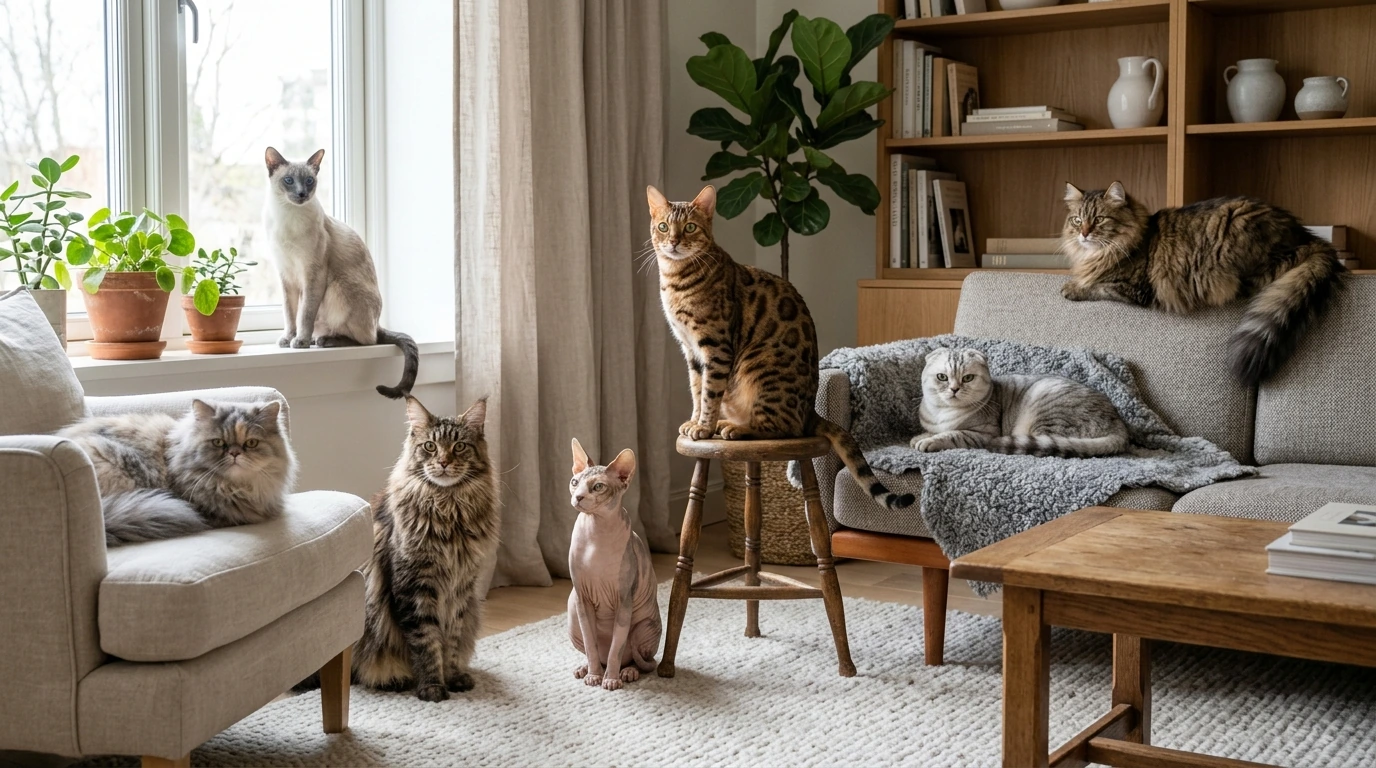
- Understanding common ailments for breeds like Persians (respiratory), Maine Coons (cardiac), and Sphynx (skin) is vital.
- Proactive health management and a comprehensive insurance policy are key to long-term feline well-being.
Decoding Breed-Specific Feline Health Challenges
The genetic blueprints that give each cat breed its distinctive appearance and temperament also dictate its susceptibility to certain health conditions. A deep understanding of these inherent vulnerabilities allows owners to implement preventative measures and seek timely veterinary intervention, mitigating potential health crises.
Persian: Respiratory & Renal Considerations
Known for their luxurious long coats and distinctive brachycephalic (flat) faces, Persian cats are prone to several health issues. Their facial structure can lead to Brachycephalic Airway Obstruction Syndrome (BAOS), causing breathing difficulties. Ocular issues like epiphora (excessive tearing) and entropion are also common. Furthermore, Polycystic Kidney Disease (PKD) is a significant concern, often detectable through genetic testing and ultrasound.
Maine Coon: Cardiac and Joint Vulnerabilities
These gentle giants are generally robust, but they do have breed-specific health concerns. Hypertrophic Cardiomyopathy (HCM), a thickening of the heart muscle, is prevalent and can be screened for via echocardiogram. Hip dysplasia, a genetic condition affecting the hip joints, is another orthopedic challenge that can lead to arthritis and discomfort.
Sphynx: Dermatological Demands
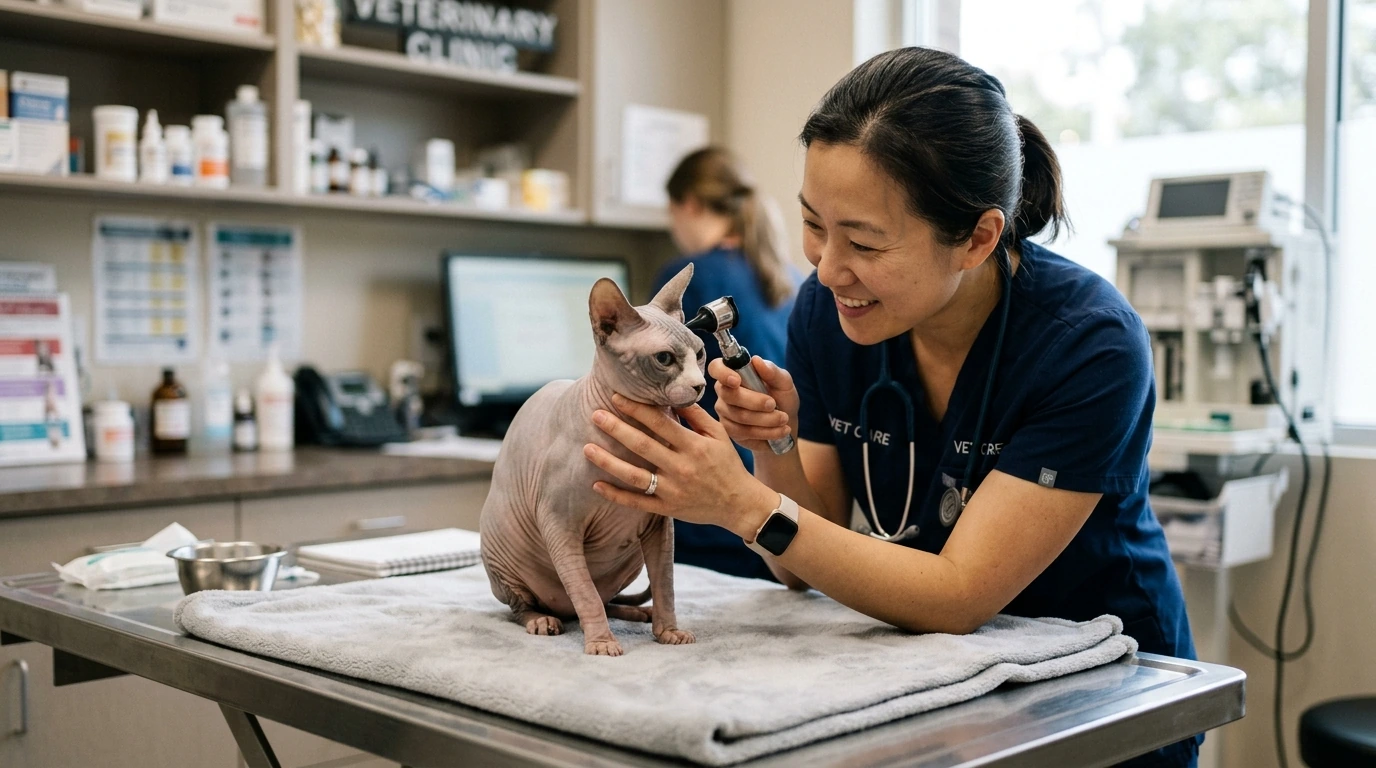
The Sphynx cat's iconic hairless appearance means their skin requires meticulous care. They are susceptible to various dermatological conditions, including fungal infections, skin allergies, and sebaceous cysts. Regular bathing with a vet-approved shampoo is crucial to prevent oil buildup. Additionally, HCM is also a concern for the Sphynx breed.
Bengal: Active Lifestyle & Digestive Sensitivities
Bengals, with their wild cat ancestry, are highly energetic and generally healthy. However, they can be predisposed to certain conditions. Progressive Retinal Atrophy (PRA), a degenerative eye disease, and Pyruvate Kinase Deficiency (PKD), a form of anemia, are genetic concerns. Some Bengals also exhibit sensitive digestive systems, necessitating a high-quality, easily digestible diet.
Ragdoll: Bladder and Heart Health
Ragdolls are renowned for their docile nature and striking blue eyes. Like Maine Coons, they have a genetic predisposition to HCM. Another significant health concern is Feline Lower Urinary Tract Disease (FLUTD), which can manifest as bladder stones or idiopathic cystitis. Maintaining proper hydration and a balanced diet can help manage urinary health.
Scottish Fold: Cartilage and Joint Care
The unique folded ears of the Scottish Fold are a result of a dominant gene mutation that affects cartilage development throughout the body. This mutation can lead to Osteochondrodysplasia, a painful degenerative joint disease affecting the spine, hocks, and paws. Ethical breeding practices are paramount to minimize the severity of this condition.
Siamese: Hereditary Conditions
Siamese cats are known for their striking vocalizations and elegant build. They are prone to certain hereditary conditions, including progressive retinal atrophy (PRA), which can lead to blindness, and amyloidosis, a protein buildup that can affect organs, particularly the liver. Respiratory issues, such as asthma and bronchial disease, are also observed.
Siberian: Allergy Management & Dental Health
Siberians are often celebrated for being a more hypoallergenic breed due to lower levels of the Fel d 1 protein. Despite their robust appearance, they can be predisposed to HCM and PKD. Dental health is also a key area of focus, with a propensity for periodontal disease if not managed with regular oral hygiene.
British Shorthair: Weight and Cardiac Watch
The British Shorthair's calm demeanor and sturdy build make them popular, but owners should be vigilant about their weight, as obesity can exacerbate other health issues. HCM is a concern, as is Polycystic Kidney Disease (PKD). Regular veterinary check-ups and a controlled diet are crucial for their overall well-being.
Tailoring Pet Insurance for Unique Feline Needs
Given the potential for breed-specific health issues, selecting the right pet insurance plan is a critical component of responsible exotic cat ownership. Standard policies may not always cover the full spectrum of care required for genetic or hereditary conditions, making specialized plans particularly valuable.
Policy Customization for Genetic Predispositions
Many insurance providers offer accident-and-illness plans, but it’s crucial to scrutinize the fine print regarding hereditary and congenital conditions. Some plans may have waiting periods or specific exclusions for conditions known to affect certain breeds. Look for policies that explicitly cover genetic diseases, and consider adding wellness packages for routine care specific to your cat's needs, such as specialized dermatological treatments for a Sphynx or cardiac screenings for a Maine Coon.
Coverage for Specialized Veterinary Procedures
Treatments for conditions like HCM, hip dysplasia, or severe respiratory issues can involve advanced diagnostics, specialist consultations, medications, and potentially surgery. These can quickly accumulate significant costs. A robust insurance plan should offer high reimbursement rates (e.g., 80-90%) and a generous annual limit to cover these expensive, specialized veterinary procedures.
Financial Planning for High-Value Care
Owning a rare breed often entails a higher initial investment and potentially higher ongoing care costs. Pet insurance acts as a financial safety net, allowing owners to make treatment decisions based on their pet's health needs rather than financial constraints. Early enrollment, ideally when the cat is a kitten, can help avoid pre-existing condition exclusions.
PRO TIP: Genetic Screening Before Purchase
Before acquiring a rare breed kitten, always request proof of genetic screening for common breed-specific conditions from the breeder. This proactive step can significantly reduce the risk of inheriting serious health issues and provide peace of mind regarding your future pet's health.
Comparing Insurance Coverage Models for Rare Breeds
Different insurance structures offer varying levels of protection. Understanding these can help you select a plan that best suits your rare cat's potential health profile.
| Feature | Accident-Only Plan | Accident & Illness Plan | Comprehensive Plan (with Wellness Add-on) |
|---|---|---|---|
| Coverage Scope | Injuries from accidents (e.g., broken bones, poison ingestion). | Accidents + illnesses (e.g., infections, diabetes, cancer). | Accidents, illnesses, hereditary conditions, and routine/preventative care (e.g., vaccinations, dental cleanings, annual exams). |
| Hereditary/Genetic Conditions | Generally NOT covered. | Often covered, but check for breed-specific exclusions or waiting periods. | Typically covered, often with fewer limitations for breed-specific issues. |
| Ideal for Breeds Like | Owners seeking basic emergency coverage for generally healthy breeds with low genetic risk. | Most rare breeds (e.g., Maine Coon, Sphynx, Persian) to cover common illnesses and potential genetic issues. | Owners of breeds with significant breed-specific predispositions (e.g., Scottish Fold, Siamese) who also want routine care covered. |
| Cost Implications | Lowest monthly premium. | Moderate monthly premium. | Highest monthly premium, but offers the broadest protection. |
Securing Your Feline's Future: An Actionable Summary
Navigating the health landscape of rare cat breeds requires a proactive and informed approach. Begin by thoroughly researching your chosen breed's known health predispositions and seeking out reputable breeders who conduct genetic screenings. Establish a strong relationship with a veterinarian experienced in breed-specific feline care, ensuring regular check-ups and early detection of potential issues.
Concurrently, invest time in selecting a pet insurance policy that aligns with your cat's unique needs. Prioritize plans that offer robust coverage for hereditary and congenital conditions, and consider adding wellness benefits for preventative care. By combining diligent health management with strategic financial planning through pet insurance, you can provide your rare feline companion with the specialized care they deserve, ensuring their health and happiness for years to come.



Post a Comment for "Exotic Feline Health & Insurance: A Comprehensive Veterinary Guide to Rare Cat Breeds"