
Understanding Nocturnal Feline Vocalizations: Unpacking the Causes and Effective Solutions for Nighttime Cat Meowing
Does the sound of your cat's persistent meowing echo through the quiet hours of the night, leaving you wondering about the cause? Nocturnal vocalizations from felines are a common concern for many pet parents, often signaling underlying needs or behavioral patterns. Understanding these calls is the first step toward restoring peaceful nights for both you and your cherished companion.
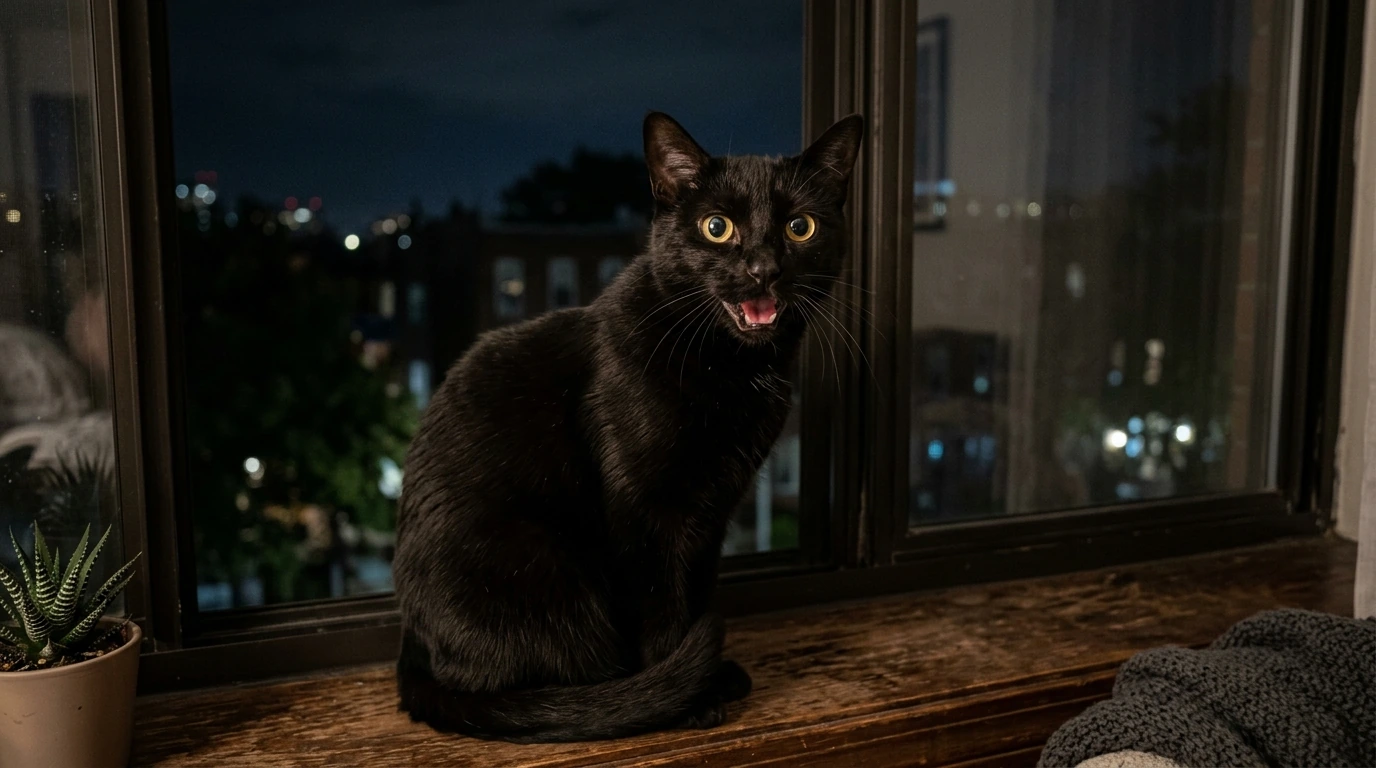
Unraveling the Enigma of Nocturnal Feline Communication
Cats are naturally crepuscular, meaning they are most active during dawn and dusk. While domestication has largely adapted them to human schedules, some innate behaviors persist, including nocturnal activity. A cat's meow is primarily directed at humans, a learned behavior to communicate needs, desires, or discomfort. When these vocalizations occur at night, they can be a source of frustration for owners, but they are always a signal that warrants investigation rather than dismissal.
Health Considerations Behind Nighttime Vocalizations
One of the most critical first steps in addressing nocturnal meowing is to rule out any underlying medical conditions. Cats are adept at hiding pain or discomfort, and increased vocalization, especially at night when their environment is quieter, can be an indicator of an issue.
- Pain or Discomfort: Conditions such as arthritis, dental disease, urinary tract infections, or injuries can cause discomfort that intensifies at night.
- Hyperthyroidism: An overactive thyroid gland is common in older cats and can lead to increased activity, restlessness, and vocalization.
- Kidney Disease: This can cause increased thirst and urination, leading to restlessness and meowing, particularly if the litter box is not easily accessible or clean enough.
- Gastrointestinal Issues: Upset stomachs, nausea, or other digestive problems can cause discomfort and vocalization.
Age-Related Cognitive Changes
As cats age, they can develop Feline Cognitive Dysfunction (FCD), sometimes referred to as 'cat dementia.' Symptoms of FCD often include disorientation, changes in sleep-wake cycles (leading to nighttime wandering and vocalizing), altered social interactions, and changes in activity levels. These symptoms can be distressing for both the cat and owner, and veterinary intervention can help manage the condition and improve quality of life.
Behavioral Drivers of Midnight Meows
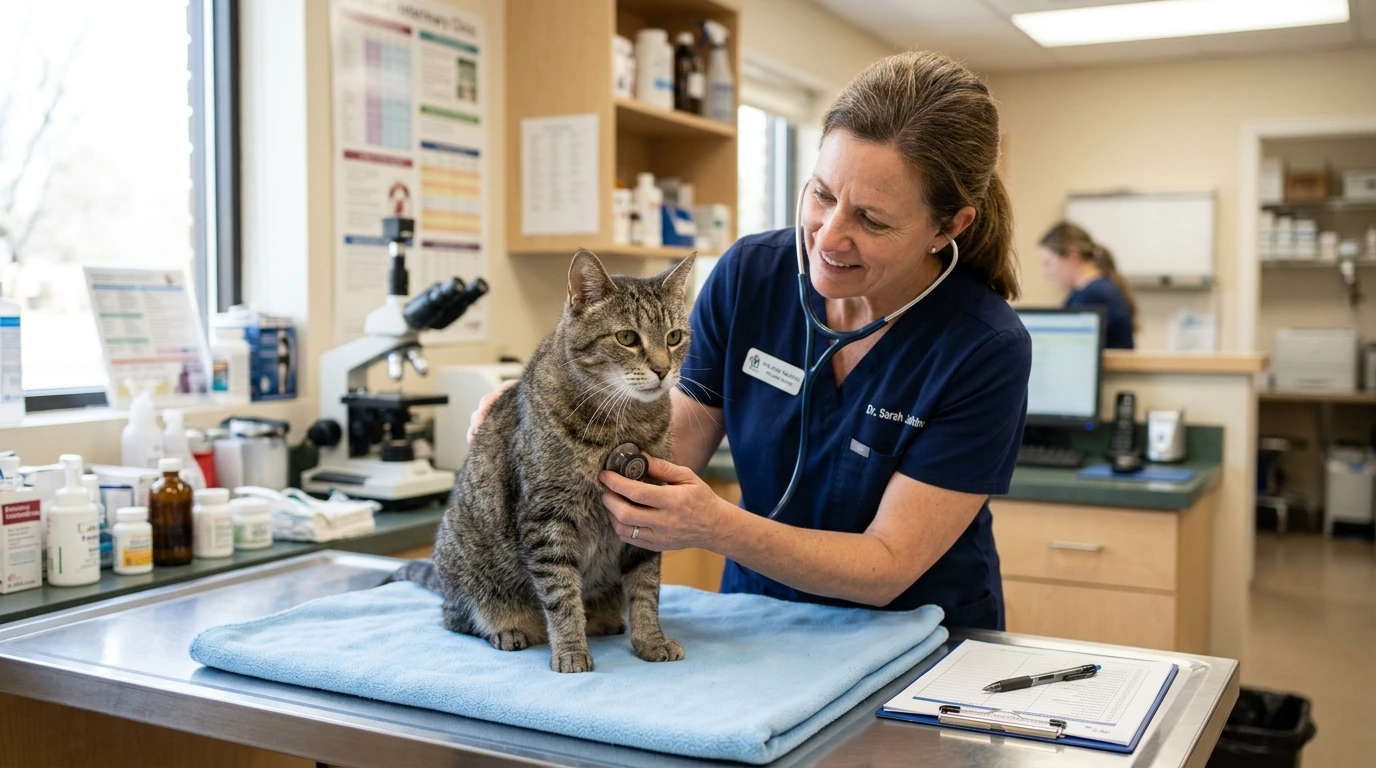
Once medical causes have been excluded by a veterinarian, behavioral factors are often the root of nighttime vocalizations. These can range from simple needs to more complex emotional states.
Attention-Seeking and Boredom
Cats are intelligent creatures that require mental and physical stimulation. If they are bored during the day or not receiving enough attention, they may resort to meowing at night to solicit interaction. This can become a learned behavior if owners inadvertently reinforce it by responding to the meows.
Hunger and Thirst
An empty food bowl or inaccessible water source can prompt a cat to vocalize. Some cats also learn that meowing leads to a midnight snack, reinforcing the behavior. Ensuring fresh water is always available and managing feeding schedules can mitigate this.
Stress and Environmental Changes
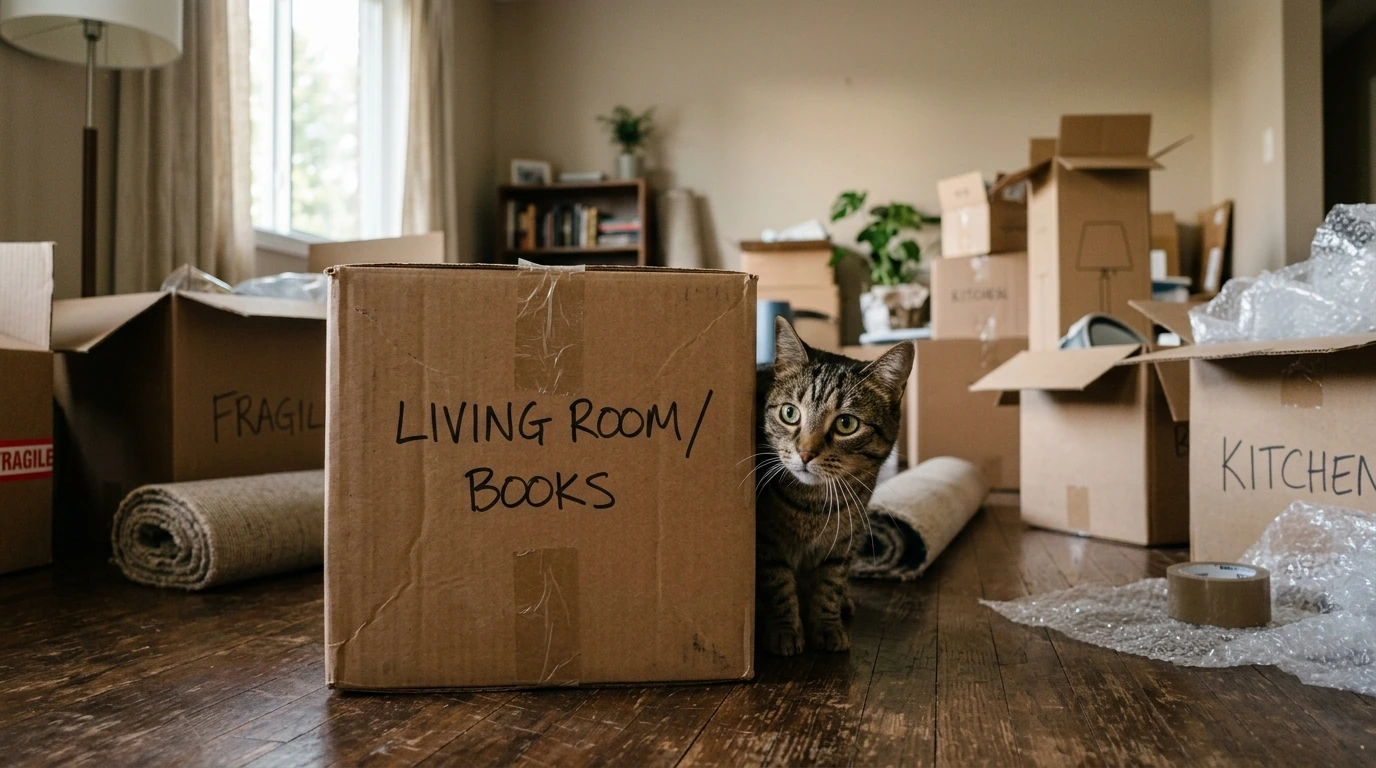
Cats are creatures of habit and can be sensitive to changes in their environment. A new pet, a recent move, changes in the household routine, or even loud noises can cause anxiety and stress, which may manifest as increased nighttime meowing. Ensuring a stable, predictable environment can help reduce stress.
Implementing Effective Strategies for Quieter Nights
Addressing nocturnal meowing often involves a multi-faceted approach, combining environmental enrichment, routine adjustments, and targeted interventions.
Enriching the Daytime Environment
A physically and mentally stimulated cat during the day is more likely to sleep through the night. Provide plenty of opportunities for play, exercise, and mental engagement:
- Interactive Play Sessions: Dedicate at least two 15-minute play sessions daily, especially in the late afternoon or early evening, to tire your cat out.
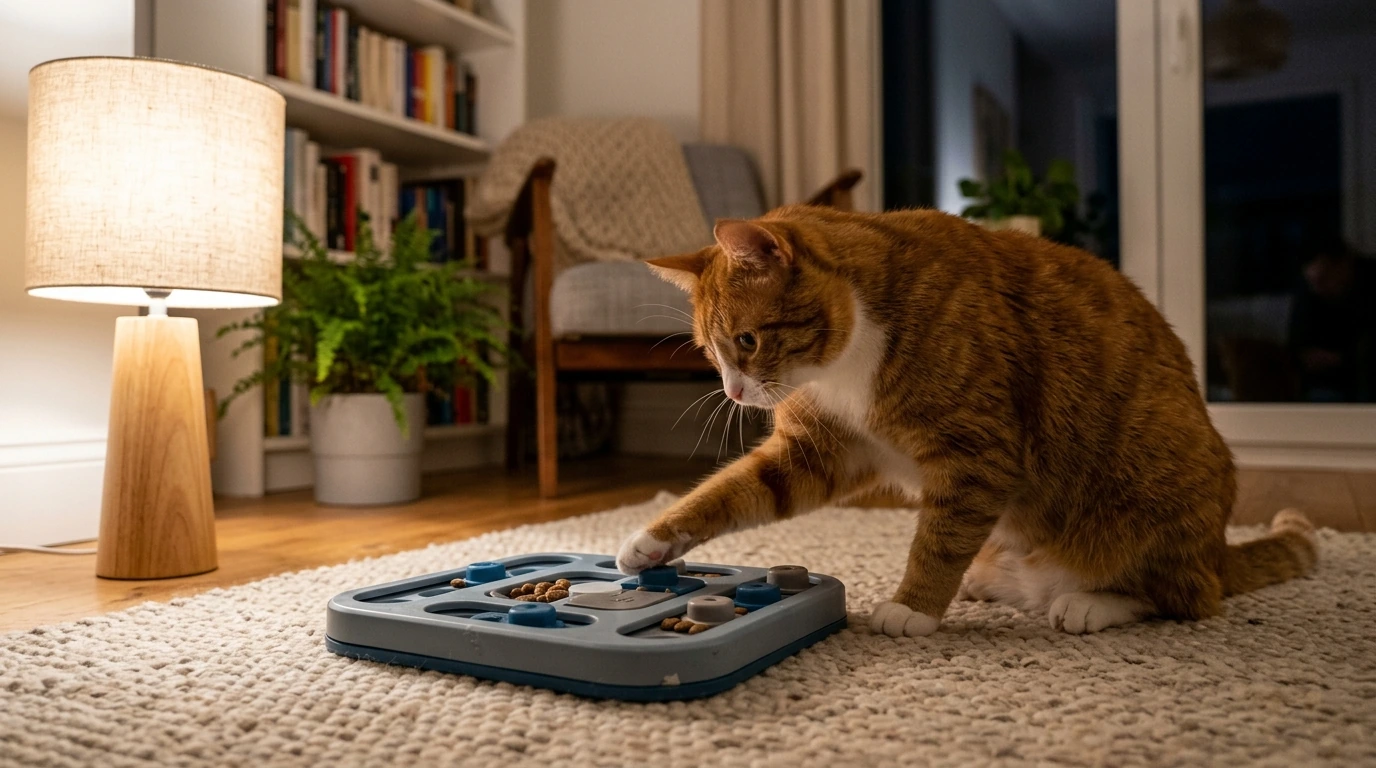
- Puzzle Feeders: Replace traditional food bowls with puzzle feeders to make mealtime a mental challenge.
- Vertical Spaces: Cat trees, shelves, and window perches provide opportunities for climbing and observation.
- Rotating Toys: Keep a variety of toys and rotate them regularly to maintain interest.
Establishing a Consistent Routine
Cats thrive on predictability. A consistent daily schedule can help regulate their internal clock:
- Fixed Feeding Times: Feed your cat at the same times each day, with the last meal ideally a few hours before your bedtime.
- Bedtime Ritual: A short play session followed by a quiet cuddle or groom before you go to bed can signal the end of active time.
- Consistent Sleep Environment: Maintain a quiet, dark, and comfortable sleeping area for your cat.
Addressing Medical Needs
If your veterinarian diagnoses a medical condition, adhering to the prescribed treatment plan is paramount. Medications, dietary changes, or environmental modifications recommended by your vet can significantly alleviate discomfort and reduce vocalizations.
Creating a Secure Sleep Space
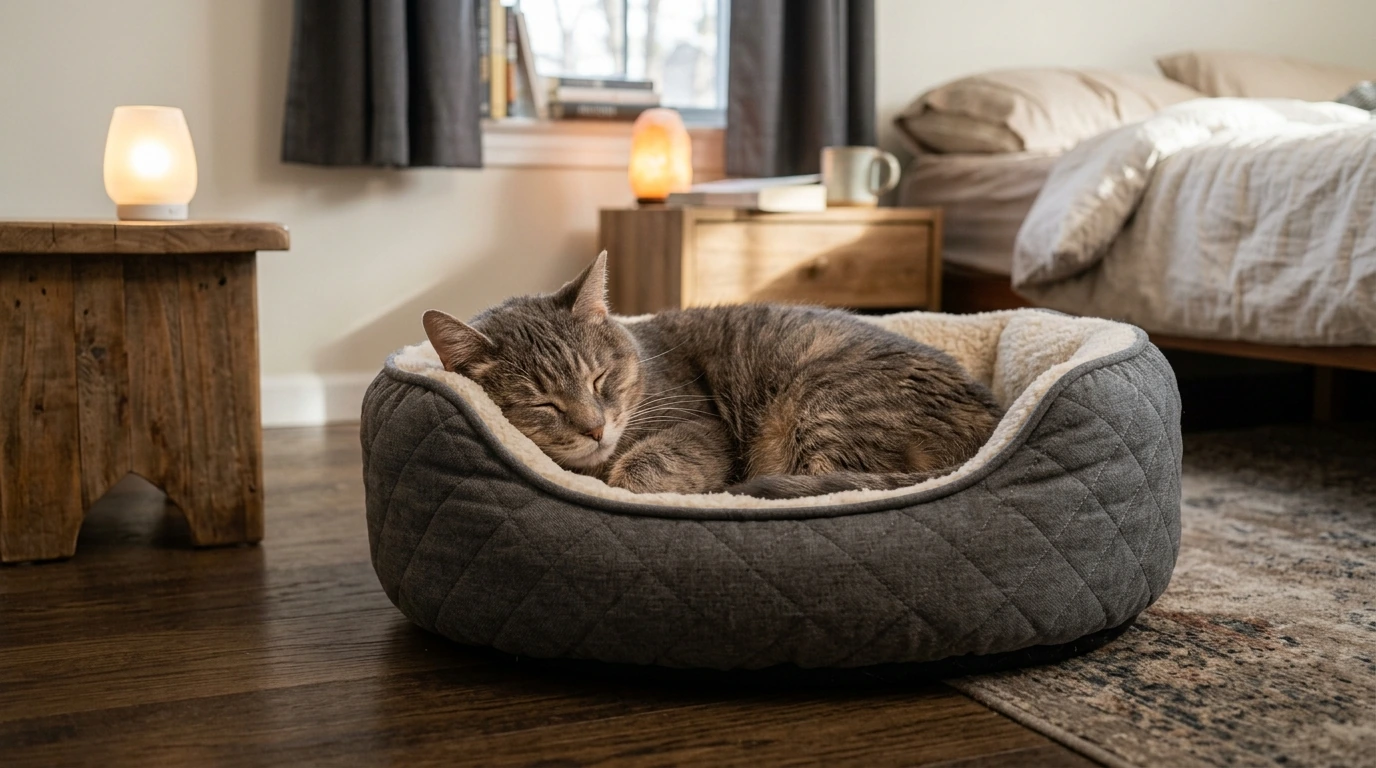
Ensure your cat has a comfortable, safe, and accessible place to sleep. For older cats, this might mean an orthopedic bed in a quiet, easily reachable location. Consider a nightlight for disoriented senior felines.
PRO TIP:
For senior cats exhibiting increased nighttime vocalizations, particularly those accompanied by disorientation or changes in sleep-wake cycles, a veterinary check-up is paramount. These symptoms can indicate Feline Cognitive Dysfunction (FCD) or other age-related health issues that require specific medical management.
When to Consult Your Veterinarian
While many behavioral causes can be managed at home, it is always prudent to involve your veterinarian, especially if:
- The nighttime meowing is a sudden new behavior.
- It's accompanied by other changes in behavior, such as altered appetite, litter box habits, or activity levels.
- Your cat shows any signs of pain or distress.
- Home-based solutions are not yielding positive results after a reasonable period.
Your vet can perform a thorough examination, conduct diagnostic tests, and provide tailored advice or referrals to a veterinary behaviorist if needed. Early intervention can often prevent issues from escalating.
Exotic Feline Companions: A 2026 Guide to Rare Cat Breeds and Specialized Pet Insurance →
Frequently Asked Questions
- Can my cat be meowing at night just for attention?
- Yes, attention-seeking is a common reason. If you consistently respond to your cat's nighttime meows, even with negative attention, you might inadvertently reinforce the behavior. Ignoring the meows (unless there's a clear emergency) and providing ample attention during the day can help.
- Is it normal for older cats to meow more at night?
- Increased vocalization in older cats can be a sign of age-related issues like Feline Cognitive Dysfunction (FCD), hyperthyroidism, or pain from arthritis. It's important to consult your veterinarian to rule out medical causes.
- Should I feed my cat right before bed to stop meowing?
- A small, scheduled meal a few hours before your bedtime can help satisfy hunger and promote sleep. However, avoid feeding in response to meowing, as this reinforces the behavior. Using an automatic feeder for a small portion overnight can also be effective.
- How long does it take to stop a cat from meowing at night?
- The timeline varies depending on the underlying cause and consistency of intervention. If it's a behavioral issue, it might take several weeks of consistent routine and ignoring the unwanted behavior. Medical issues will resolve with appropriate veterinary treatment.
Navigating nocturnal feline vocalizations requires patience and a systematic approach, beginning with ruling out medical causes. By understanding your cat's unique needs – whether for more mental stimulation, a consistent routine, or simply comfort – you can implement targeted solutions. Creating an enriched daytime environment and providing a secure, predictable nightly routine will not only reduce unwanted meowing but also strengthen the bond you share with your feline companion, ensuring more peaceful nights for everyone.



Post a Comment for "Understanding Nocturnal Feline Vocalizations: Unpacking the Causes and Effective Solutions for Nighttime Cat Meowing"