
Exotic Feline Companions: A 2026 Guide to Rare Cat Breeds and Specialized Pet Insurance
Considering adding a unique feline companion to your home? Understanding the specific care requirements and potential health predispositions of rare cat breeds is paramount for their well-being. This guide delves into the distinctive needs of several popular rare breeds and explores how specialized pet insurance plans can offer essential financial protection for their veterinary care in 2026.
The Intricacies of Unique Feline Genetics and Health Vulnerabilities
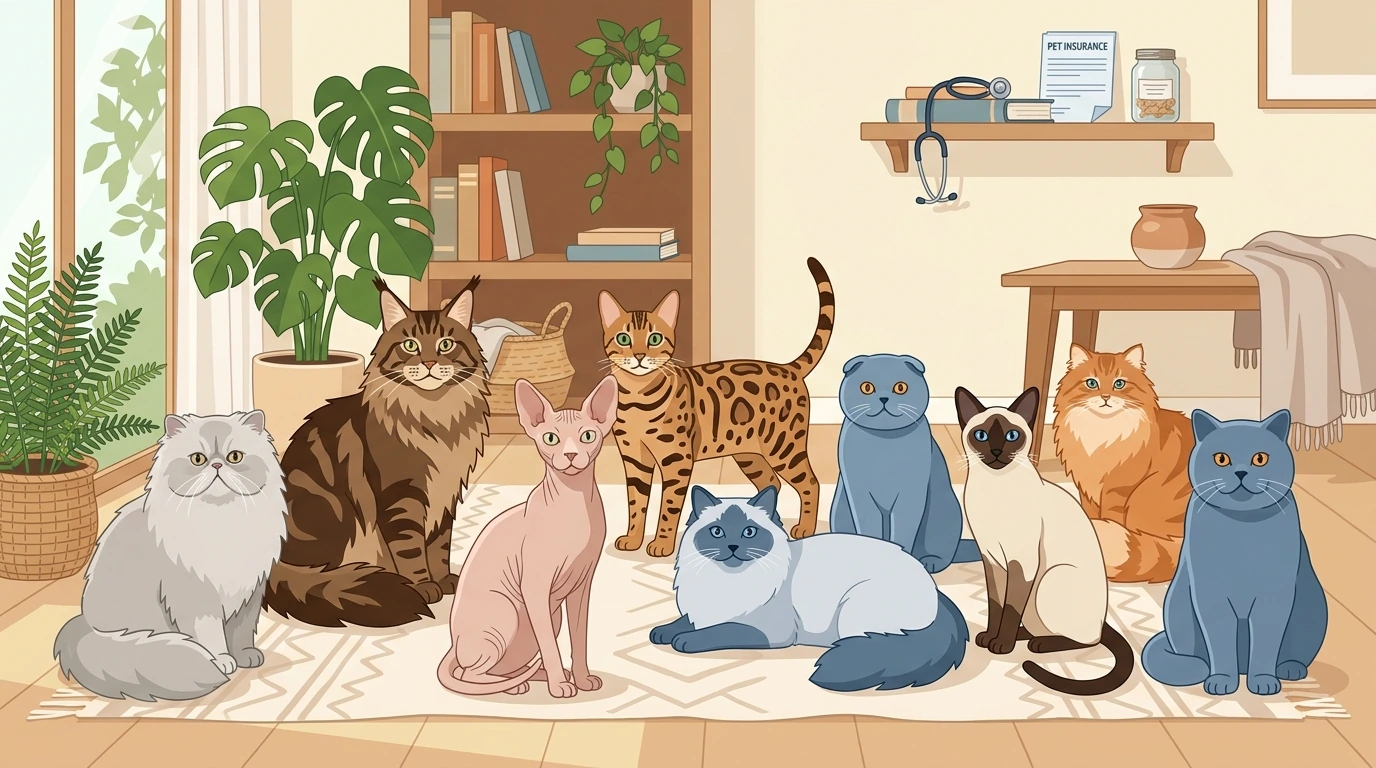
The allure of rare cat breeds often stems from their distinctive appearances and temperaments, which are products of specific genetic lines. However, these unique genetic traits can also predispose certain breeds to particular health conditions. For instance, brachycephalic breeds, characterized by shortened skulls, can experience respiratory issues, while others might have a genetic propensity for cardiac or joint problems. A comprehensive understanding of these inherent health risks is the foundation of responsible ownership.
As veterinary science advances in 2026, genetic screening has become more sophisticated, allowing breeders and owners to identify potential health concerns earlier. This proactive approach, coupled with a tailored veterinary care plan, can significantly enhance a rare breed cat's quality of life and longevity. Owners should always consult with their veterinarian to establish a preventative health regimen specific to their cat's breed and individual history.
Tailoring Coverage: Pet Insurance for Unique Cat Breeds
Securing appropriate pet insurance is a critical decision for owners of rare cat breeds, given the potential for specialized and often costly veterinary treatments. Standard pet insurance policies might offer broad coverage for accidents and illnesses, but for breeds with known predispositions, a more nuanced plan is frequently beneficial. Policies in 2026 increasingly offer customizable options to address hereditary conditions, chronic illnesses, and even wellness care.
Pro Tip: Early Enrollment is Key
Enroll your rare breed cat in a pet insurance plan as early as possible. Most policies have waiting periods for certain conditions, and pre-existing conditions are typically not covered. Enrolling a kitten ensures the broadest possible coverage throughout their life, potentially saving thousands in future veterinary expenses.
When evaluating pet insurance, consider the following:
- Hereditary & Congenital Conditions: Does the policy cover conditions known to affect your specific breed, such as hypertrophic cardiomyopathy in Maine Coons or polycystic kidney disease in Persians?
- Chronic Illnesses: Will long-term treatments for conditions like diabetes or allergies be covered?
- Specialized Therapies: Does the plan include coverage for advanced diagnostics, specialist consultations, physical therapy, or prescription medications?
- Annual Limits & Deductibles: Understand the maximum payout per year and your out-of-pocket deductible before coverage begins.
- Reimbursement Rates: Know what percentage of the veterinary bill the insurance company will reimburse after your deductible is met.
A Closer Look at Prominent Rare Breeds and Their Wellness Needs
Persian Cats: Managing Brachycephalic Challenges
Persians are renowned for their luxurious long coats and distinctive flat faces. This brachycephalic structure, while aesthetically appealing, can lead to respiratory issues, dental problems, and tear duct blockages. Specialized veterinary health insurance for Persians often focuses on covering potential surgeries for stenotic nares or elongated soft palates, as well as chronic eye care. Regular grooming is also essential to prevent matting and skin issues.
Maine Coons: Addressing Musculoskeletal Concerns
Known as "gentle giants," Maine Coons are large, robust cats with a thick, shaggy coat. They are generally healthy but have a genetic predisposition to hip dysplasia and hypertrophic cardiomyopathy (HCM). Insurance guidelines for Maine Coons typically emphasize coverage for orthopedic evaluations, cardiac screenings (echocardiograms), and potential treatments for these conditions. Early detection through routine veterinary check-ups is vital.
Sphynx Cats: Essential Dermatological and Thermal Care
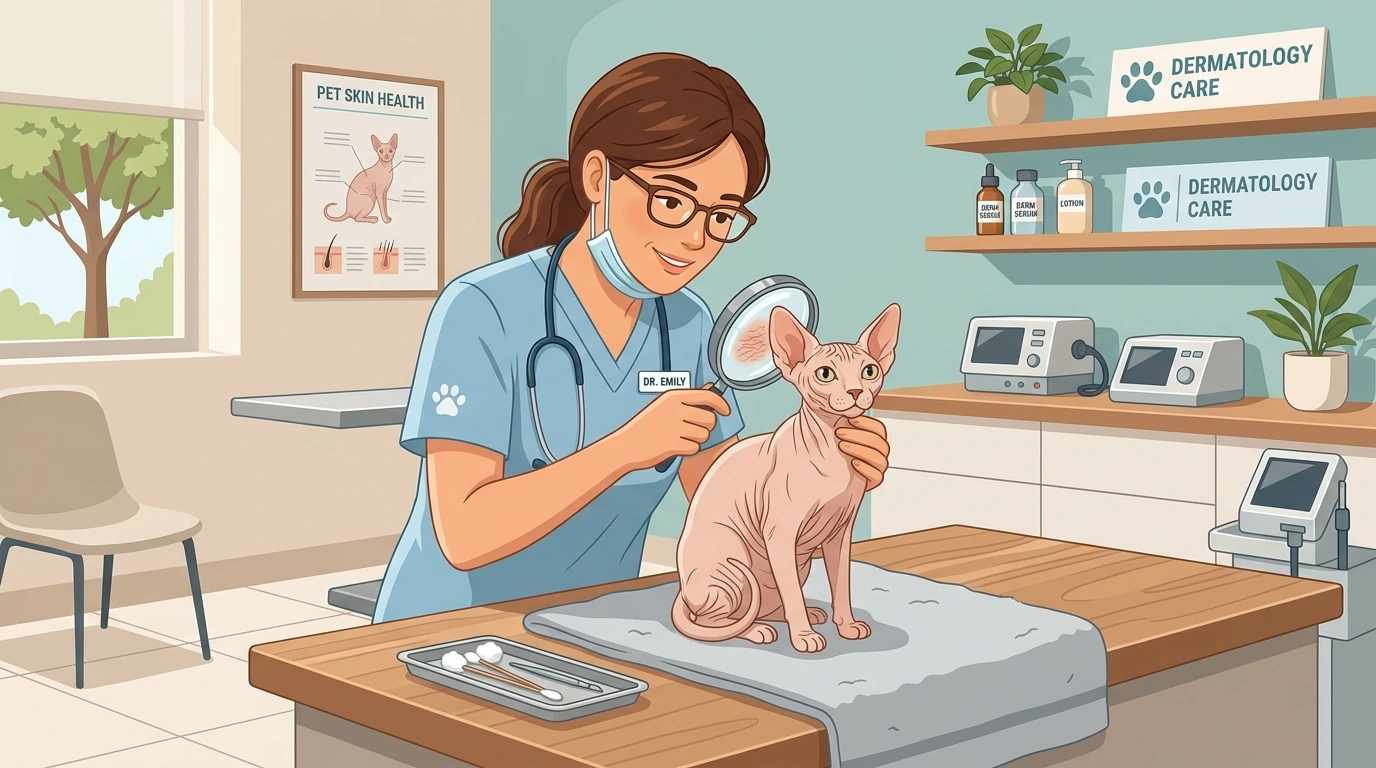
The Sphynx cat's striking hairless appearance necessitates unique care. Their skin requires regular bathing to remove oils and protection from both cold and sun exposure. They are prone to certain skin conditions, such as urticaria pigmentosa, and hypertrophic cardiomyopathy. Health coverage for Sphynx cats should ideally include dermatology consultations, specialized skin treatments, and cardiac health monitoring.
Bengal Cats: Active Lifestyle and Digestive Health
Bengals, with their wild cat ancestry, are highly energetic and intelligent. Their active nature requires ample enrichment and exercise. While generally robust, some Bengals may be susceptible to certain digestive issues, such as inflammatory bowel disease (IBD), and occasionally progressive retinal atrophy (PRA). High-value exotic pet health insurance for Bengals should account for their energetic lifestyle and potential gastrointestinal or ophthalmic conditions.
Ragdoll Cats: Heart Health and Gentle Grooming
Ragdolls are known for their docile temperament and beautiful semi-long coats. They are often predisposed to hypertrophic cardiomyopathy (HCM) and urinary tract issues. Veterinary insurance for Ragdolls should prioritize cardiac screening and coverage for potential heart treatments. Their soft, plush fur requires regular, gentle grooming to prevent tangles without irritating their sensitive skin.
Scottish Folds: Joint Health and Genetic Screening
The Scottish Fold's distinctive folded ears are a result of a genetic mutation that also affects cartilage throughout their bodies, leading to a condition called osteochondrodysplasia. This can cause severe arthritis and joint pain. Joint care medical coverage plans for Scottish Folds are crucial, focusing on pain management, orthopedic consultations, and potentially surgery. Responsible breeding practices include genetic screening to minimize severe expressions of the condition.
Siamese Cats: Vocal Personalities and Hereditary Conditions
Siamese cats are celebrated for their striking blue almond-shaped eyes, sleek bodies, and highly vocal nature. They are generally healthy but can be prone to certain hereditary conditions, including progressive retinal atrophy (PRA), amyloidosis, and some forms of asthma. An insurance guide for Siamese cats should highlight coverage for ophthalmic evaluations, renal health monitoring, and respiratory treatments.
Siberian Cats: Hypoallergenic Qualities and Robust Health
Siberian cats are known for their dense, triple-layered coats and their reputation for being more hypoallergenic than many other breeds. They are generally healthy and robust, but like many larger breeds, can be predisposed to hypertrophic cardiomyopathy (HCM) and polycystic kidney disease (PKD). Comprehensive pet insurance for Siberians should cover cardiac and kidney screenings, ensuring early detection and management of these conditions.
British Shorthairs: Weight Management and Cardiac Screening
British Shorthairs are sturdy, calm cats with dense, plush coats and round faces. They are prone to obesity if their diet is not carefully managed, and also have a predisposition to hypertrophic cardiomyopathy (HCM) and polycystic kidney disease (PKD). Emergency veterinary cost protection for British Shorthairs should include coverage for cardiac screenings, kidney function tests, and potentially obesity-related health issues.
Evaluating Pet Insurance Providers: Key Considerations
Choosing the right pet insurance provider involves comparing various aspects of their offerings. It's not just about the monthly premium, but the depth of coverage, ease of claims, and customer service reputation. Below is a comparative overview of common features to consider when selecting a plan for your rare breed cat in 2026.
| Feature | Accident-Only Plan | Accident & Illness Plan | Comprehensive Plan (with Wellness) |
|---|---|---|---|
| Coverage Scope | Injuries, poisoning, emergencies | Accidents, illnesses, chronic conditions, hereditary issues | All of Accident & Illness, plus routine exams, vaccinations, dental cleanings |
| Hereditary Conditions | Not typically included | Generally included (if not pre-existing) | Generally included (if not pre-existing) |
| Monthly Premium (Typical) | Lower | Medium | Higher |
| Ideal For | Budget-conscious owners seeking basic safety net | Most owners, good balance of coverage and cost | Owners wanting maximum protection and preventative care coverage |
Ensuring a Healthy Future for Your Exceptional Feline
Owning a rare cat breed is a deeply rewarding experience, offering companionship with a truly unique animal. However, this privilege comes with the responsibility of understanding and addressing their specific health requirements. By combining diligent breed-specific care, proactive veterinary engagement, and a carefully selected pet insurance plan, you can mitigate the financial impact of potential health issues and ensure your feline companion thrives. As veterinary medicine continues its rapid advancements, staying informed about the latest care protocols and insurance options available in 2026 will empower you to provide the best possible life for your cherished cat.



Post a Comment for "Exotic Feline Companions: A 2026 Guide to Rare Cat Breeds and Specialized Pet Insurance"