
Best Cat Food for Urinary Tract Health: Vet-Approved Brands Under the Microscope
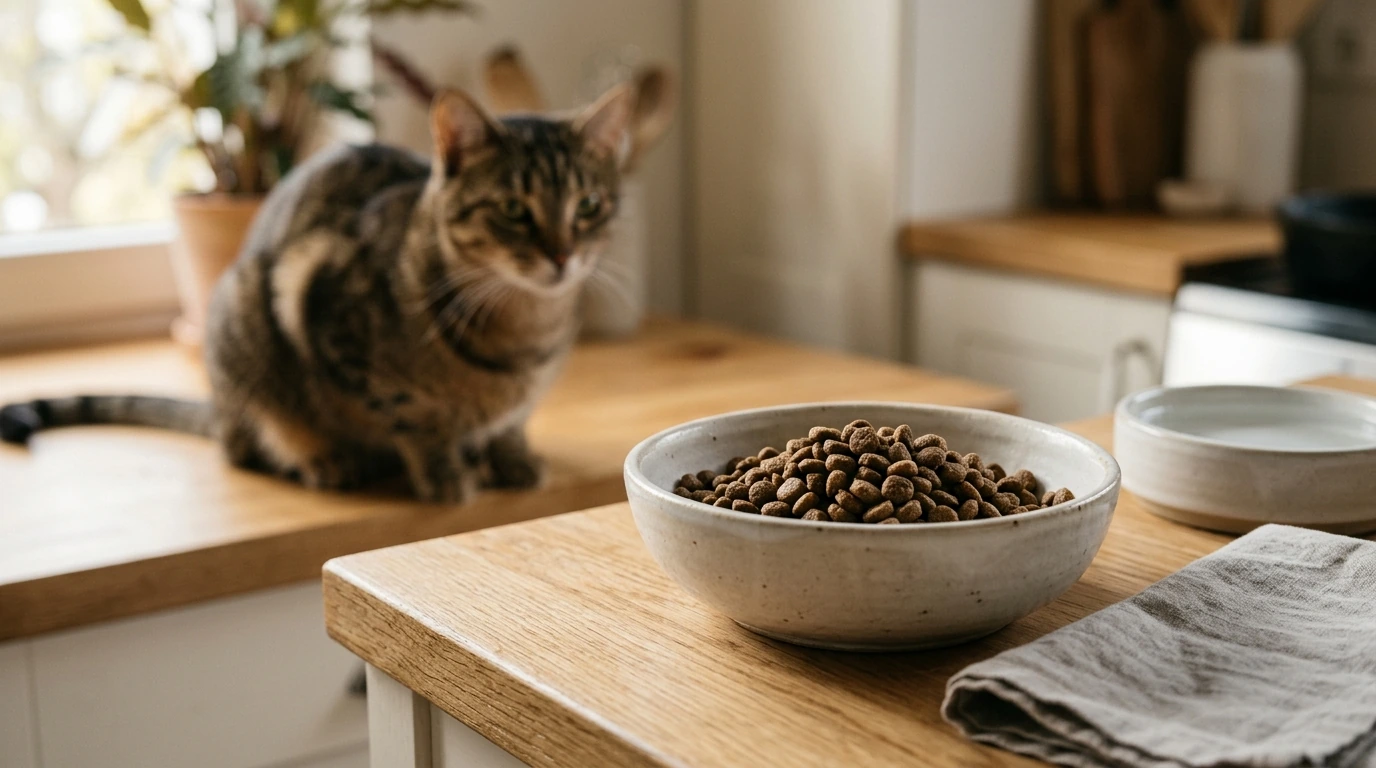
Feline urinary issues, from crystal formation to more complex conditions, rank among the most frequent reasons cats visit the veterinarian. These conditions, collectively known as Feline Lower Urinary Tract Disease (FLUTD), can cause discomfort and distress for our beloved companions. Fortunately, dietary management plays a significant role in preventing and managing these health challenges.
Decoding Feline Lower Urinary Tract Disease (FLUTD)
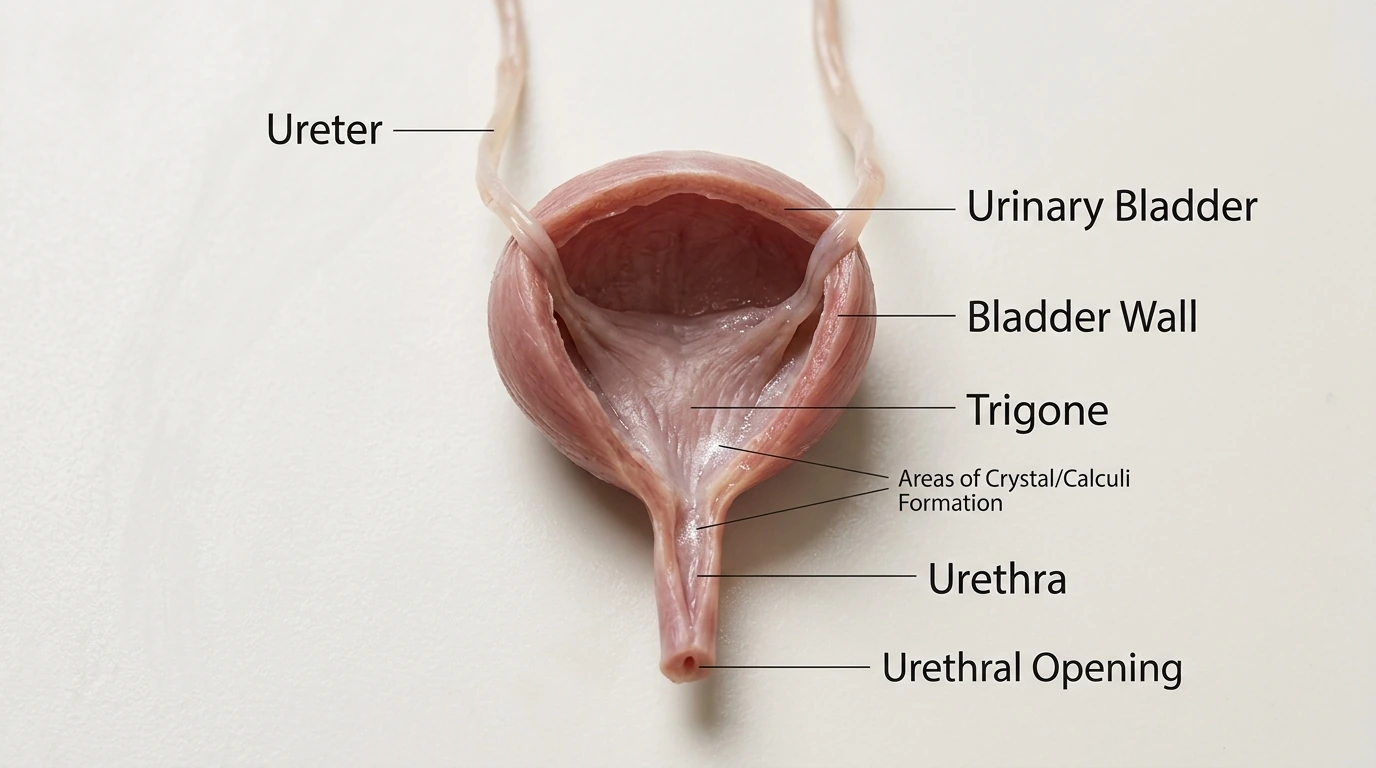
Understanding FLUTD begins with recognizing its diverse manifestations. This umbrella term covers several conditions affecting a cat's bladder and urethra, including:
- Urolithiasis (Urinary Stones): Hard mineral formations that can develop in the bladder or kidneys. Struvite and calcium oxalate are the most common types.
- Crystalluria: Microscopic crystals in the urine that may or may not lead to stone formation.
- Feline Idiopathic Cystitis (FIC): Inflammation of the bladder with no identifiable cause, often linked to stress.
- Urethral Obstruction: A life-threatening blockage of the urethra, often by a plug of crystals, mucus, and inflammatory cells, preventing urination.
Before any dietary changes, a precise veterinary diagnosis is essential. This typically involves a thorough physical examination, urinalysis to check for pH, crystals, and infection, and imaging studies like X-rays or ultrasound to identify stones or other abnormalities. Self-diagnosing or treating without professional guidance can exacerbate the condition or delay appropriate care.
The Dietary Cornerstone of a Healthy Urinary System
Nutrition plays a pivotal role in managing and preventing FLUTD. Specialized urinary diets work by manipulating several key factors:
- Urinary pH Control: Maintaining an optimal urine pH (typically slightly acidic, around 6.0-6.4) is crucial. Diets designed for struvite dissolution or prevention aim to acidify the urine, while those for calcium oxalate prevention often target a more neutral pH.
- Controlled Mineral Levels: Specific minerals, particularly magnesium, phosphorus, and calcium, are carefully balanced. Reduced magnesium levels are critical for preventing struvite crystal formation, as magnesium is a primary component.
- Increased Moisture Content: Wet food is often recommended because its higher moisture content leads to increased water intake and more dilute urine. Dilute urine helps reduce the concentration of crystal-forming minerals and encourages more frequent urination, flushing out the bladder.
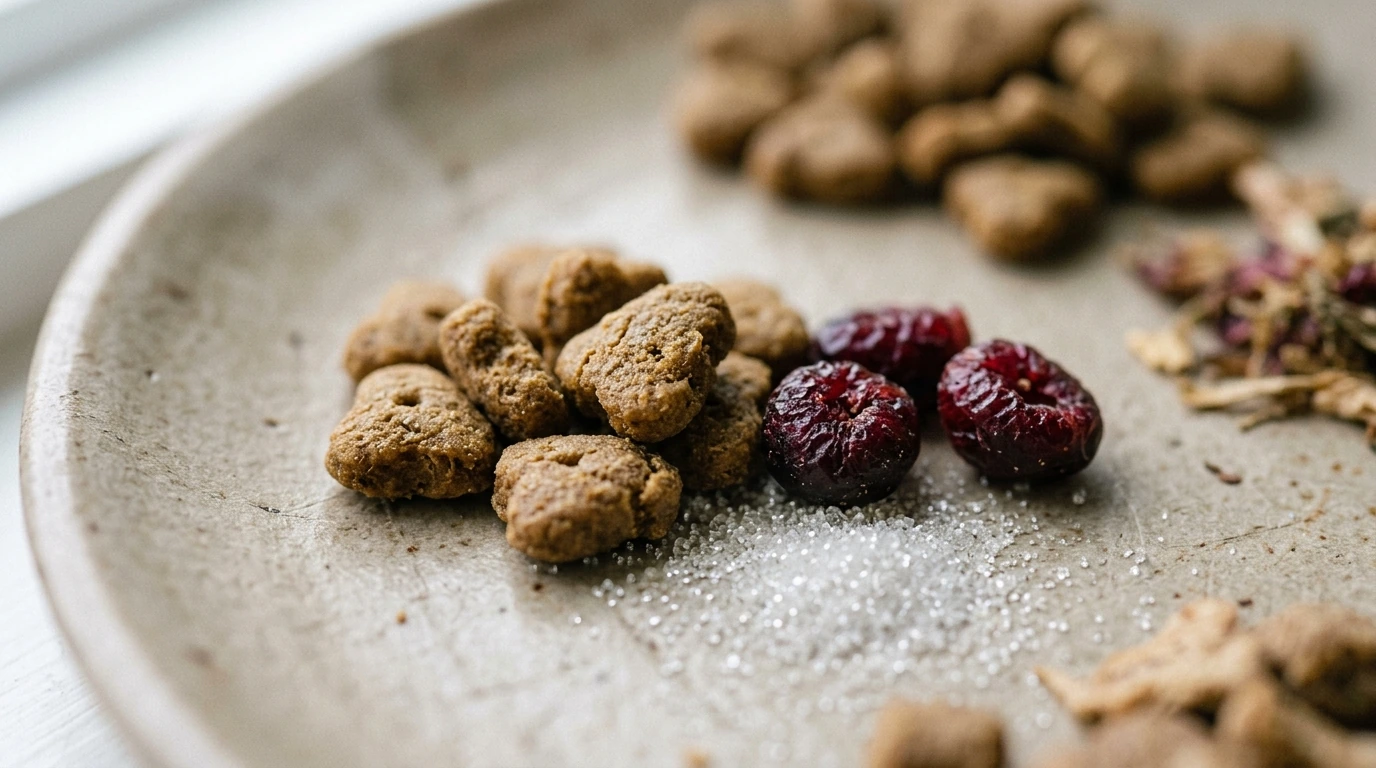
- Specific Ingredients: Some formulations include ingredients like DL-Methionine, a urinary acidifier, or antioxidants to support overall urinary tract health.
Evaluating Leading Veterinary Urinary Diet Formulations
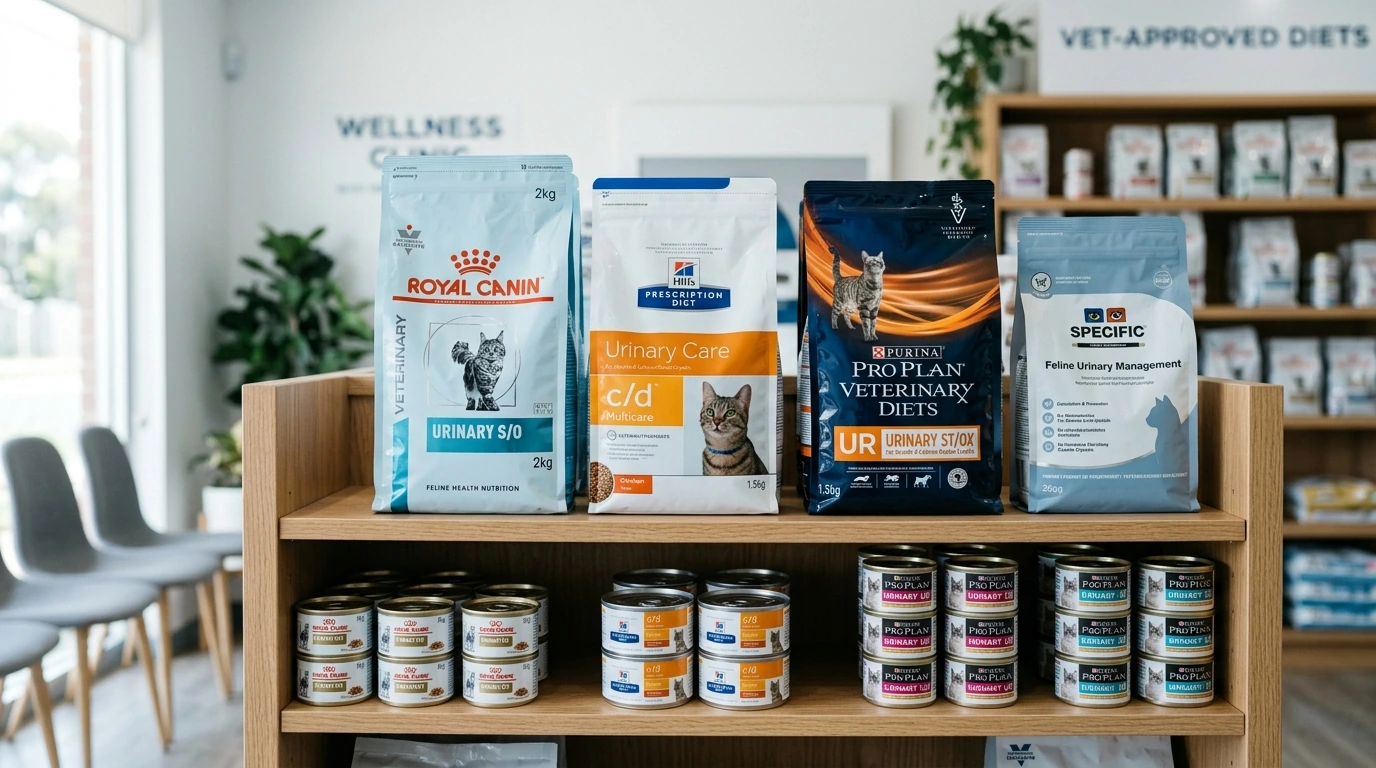
Several reputable brands offer prescription veterinary diets specifically formulated to support feline urinary tract health. These diets are typically available through veterinary clinics or with a veterinary authorization. Here's a look at some widely recognized options and their core approaches:
| Brand/Product | Primary Focus | Key Nutritional Strategy | Typical Forms Available |
|---|---|---|---|
| Royal Canin Veterinary Diet Urinary SO | Struvite dissolution, calcium oxalate/struvite prevention | Targets specific relative supersaturation (RSS) values to minimize crystal formation, promotes increased urine volume, controlled mineral levels. | Dry kibble, various wet food textures (gravy, loaf) |
| Hill's Prescription Diet c/d Multicare Feline | Struvite dissolution, calcium oxalate/struvite/phosphate prevention, FIC management | Controlled levels of magnesium, calcium, and phosphorus; enriched with omega-3 fatty acids to help break the cycle of inflammation. | Dry kibble, various wet food textures (stew, pate) |
| Purina Pro Plan Veterinary Diets UR Urinary St/Ox | Struvite dissolution, calcium oxalate/struvite prevention | Formulated to produce urine with an average pH of 6.2 and a low relative supersaturation (RSS) for both struvite and calcium oxalate. | Dry kibble, various wet food textures (pate, chunks in gravy) |
When selecting a diet, your veterinarian will consider the specific type of urinary crystals or stones identified, the cat's age, overall health, and any co-existing conditions. For instance, a cat with a history of struvite stones will benefit from a diet designed to acidify urine and lower magnesium, while a cat prone to calcium oxalate stones might require a diet that promotes a more neutral urine pH.
Pro Tip: Gradual Transition is Key
When switching to a new urinary diet, introduce it gradually over 7-10 days. Mix increasing amounts of the new food with decreasing amounts of the old food. A sudden change can upset your cat's digestive system and make them resistant to the new diet, which is counterproductive for their health.
Implementing and Sustaining a Urinary Health Diet
Once a veterinary urinary diet is recommended, successful implementation and ongoing monitoring are crucial:
- Consult Your Veterinarian: Always follow your vet's specific recommendations regarding the type of food, portion sizes, and feeding frequency.
- Introduce Gradually: As mentioned, transition slowly over a week to ten days to prevent digestive upset and ensure acceptance.
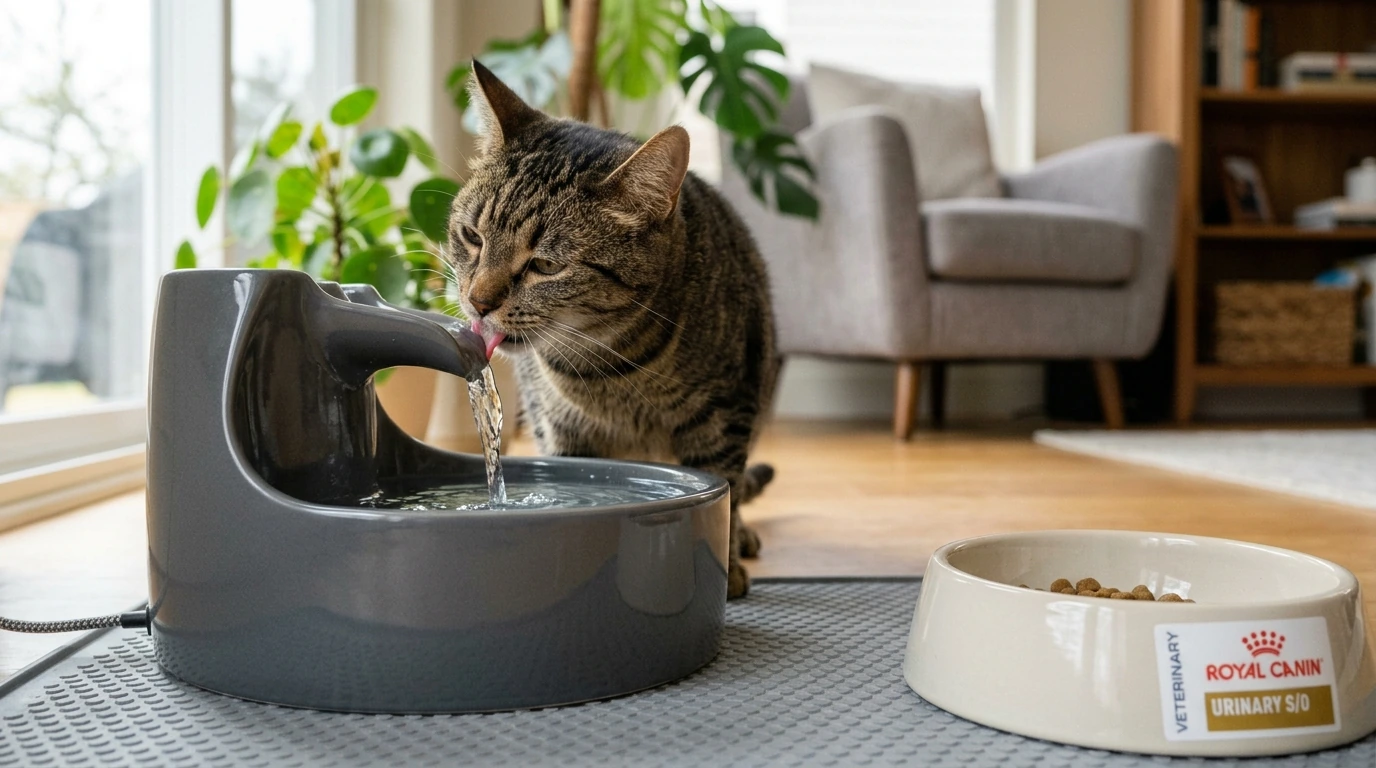
- Ensure Adequate Hydration: Even with wet food, encourage water intake by providing multiple water stations, using ceramic or stainless steel bowls, and considering a pet water fountain. Dilute urine is a cat's best defense against crystal formation.
- Monitor Intake: Observe your cat's appetite and ensure they are consuming the recommended amount of the new food.
- Observe Litter Box Habits: Pay close attention to urination frequency, volume, and any signs of straining or discomfort. Any changes warrant immediate veterinary attention.
- Regular Follow-Up: Schedule follow-up appointments with your veterinarian as advised. This often includes repeat urinalysis to confirm the diet is effectively managing urine pH and crystal formation.
A common mistake is discontinuing the prescription diet once symptoms improve. Many urinary conditions require lifelong dietary management to prevent recurrence. Deviating from the prescribed diet, even with treats, can undermine its effectiveness.
Royal Canin vs. Hill's Science Diet: A Veterinary Nutritionist's Deep Dive into Premium Cat Food Choices →
Comprehensive Strategies Beyond Diet for Feline Urinary Wellness
While diet is foundational, a holistic approach to feline urinary health incorporates environmental and behavioral considerations:
- Stress Reduction: Stress is a known trigger for Feline Idiopathic Cystitis (FIC). Provide a stable, predictable environment, ample hiding spots, vertical spaces, and regular playtime. Consider feline pheromone diffusers if recommended by your vet.
- Environmental Enrichment: Offer a variety of toys, scratching posts, and opportunities for mental stimulation to reduce boredom and anxiety.
- Litter Box Management: Ensure multiple clean litter boxes in quiet, accessible locations. The general rule is one litter box per cat, plus one extra. Use unscented litter and scoop frequently.
- Consistent Routine: Cats thrive on routine. Maintain consistent feeding times, play sessions, and interaction to minimize anxiety.
By integrating a vet-approved urinary diet with thoughtful environmental management, you can significantly improve your cat's quality of life and reduce the incidence of painful urinary episodes. Always remember that proactive veterinary care and adherence to professional guidance are paramount for your feline companion's long-term health.



Post a Comment for "Best Cat Food for Urinary Tract Health: Vet-Approved Brands Under the Microscope"