
Best Grain-Free Cat Food Review 2026 Top Vet-Recommended Brands for Healthy Cats
Many cat owners find themselves evaluating dietary choices for their feline companions, particularly as nutritional science progresses. The concept of grain-free cat food frequently arises in these discussions, often linked to perceived benefits for digestive health and allergen management. For 2026, understanding which grain-free options truly align with veterinary recommendations requires careful consideration of ingredients, nutritional profiles, and brand integrity.
Key Takeaways
- Prioritize complete and balanced formulas from reputable brands.
- Consult your veterinarian before making significant dietary changes for your cat.
- Look for high-quality animal protein as the primary ingredient in any grain-free formula.
- Monitor your cat closely during and after a diet transition for any adverse reactions or improvements.
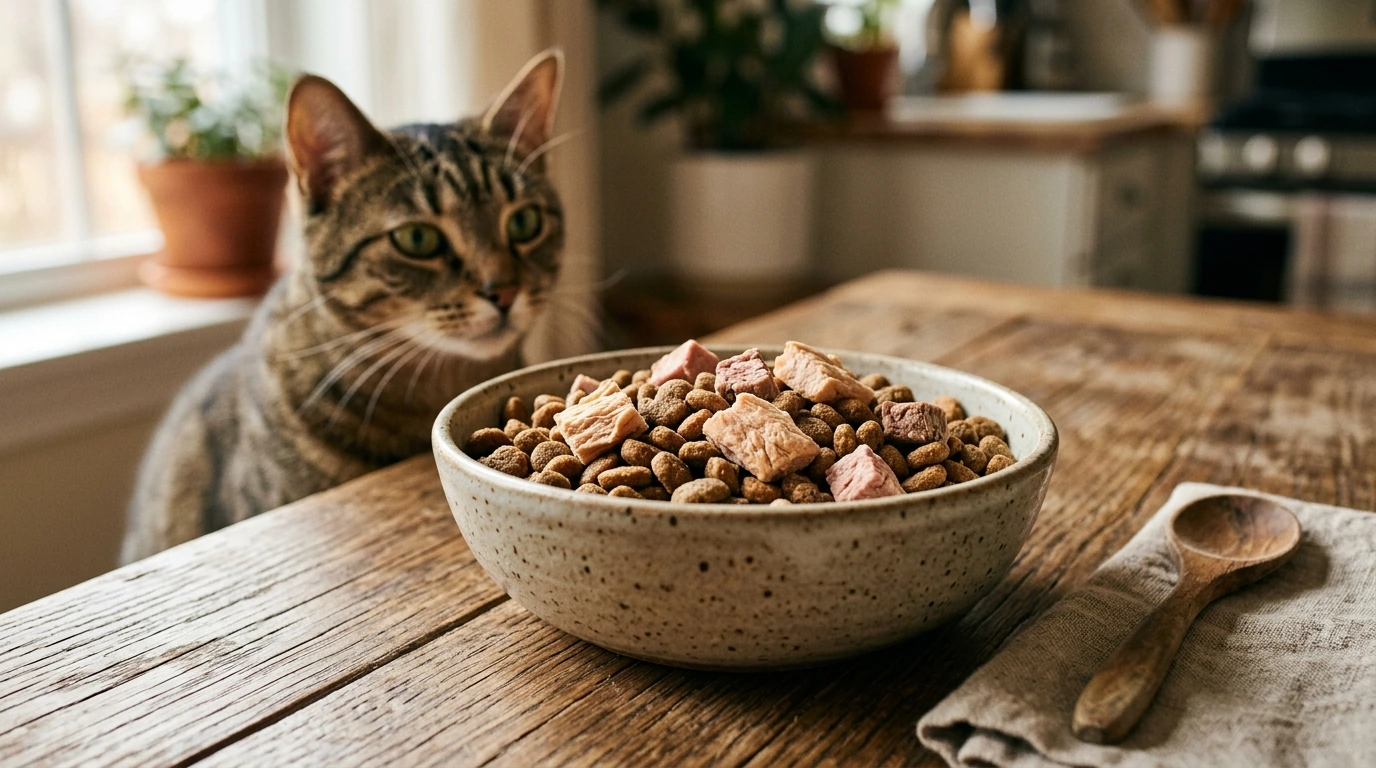
Understanding Grain-Free Formulations for Felines
Cats are obligate carnivores, meaning their natural diet primarily consists of animal protein. Historically, their digestive systems are optimized for processing meat, organs, and bones, with minimal need for carbohydrates. Grain-free cat foods aim to align with this ancestral diet by excluding common grain ingredients such as corn, wheat, soy, and rice, which some felines may find difficult to digest or develop sensitivities to. Instead, these formulations often utilize alternative carbohydrate sources like peas, sweet potatoes, lentils, or tapioca.
The rationale behind choosing grain-free options often centers on:
- Digestive Sensitivity: For cats exhibiting signs of digestive upset, such as vomiting, diarrhea, or excessive gas, a grain-free diet might alleviate symptoms if grains are the underlying cause.
- Allergen Management: While less common than protein allergies, some cats can develop allergies to specific grains. Eliminating these can help manage dermatological or gastrointestinal allergic responses.
- Higher Protein Content: Many grain-free formulas naturally feature a higher concentration of animal-derived protein, which is biologically appropriate for feline nutritional needs.
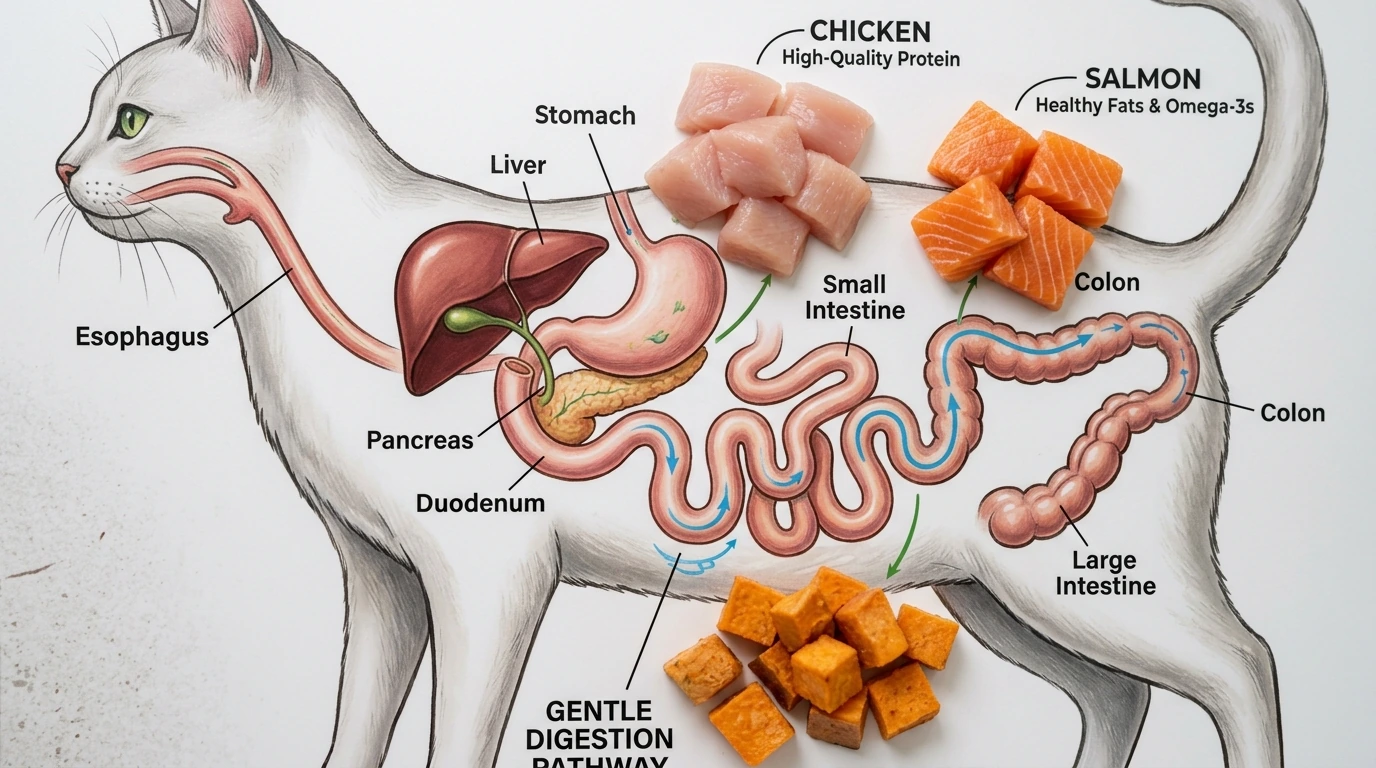
Selecting a High-Quality Grain-Free Option: Key Considerations
Navigating the array of grain-free cat foods requires a discerning eye. Not all grain-free options are created equal, and some may substitute grains with other high-carbohydrate ingredients that offer little nutritional advantage. Here's what to prioritize:
- First Ingredient: Ensure a named animal protein (e.g., deboned chicken, salmon meal) is the very first ingredient on the list. Avoid vague terms like 'meat meal' or 'poultry by-product'.
- AAFCO Statement: Verify that the product label includes a statement from the Association of American Feed Control Officials (AAFCO) confirming it provides complete and balanced nutrition for your cat's life stage (e.g., 'for all life stages' or 'for adult maintenance').
- Fat Sources: Look for healthy fat sources such as chicken fat, salmon oil, or flaxseed, which provide essential fatty acids.
- Limited Fillers: While grain-free, be cautious of formulas heavily reliant on high amounts of starchy vegetables or legumes as primary carbohydrate sources, as these can still contribute to a high glycemic load.
- Reputable Manufacturer: Opt for brands with a history of quality control, nutritional research, and transparent ingredient sourcing.
PRO TIP: Decoding the Label
Always examine the guaranteed analysis and ingredient list thoroughly. A higher protein percentage from animal sources and moderate fat levels are generally desirable for felines. If you have any doubts, consulting with your veterinarian or a board-certified veterinary nutritionist is always recommended before making a significant dietary change.
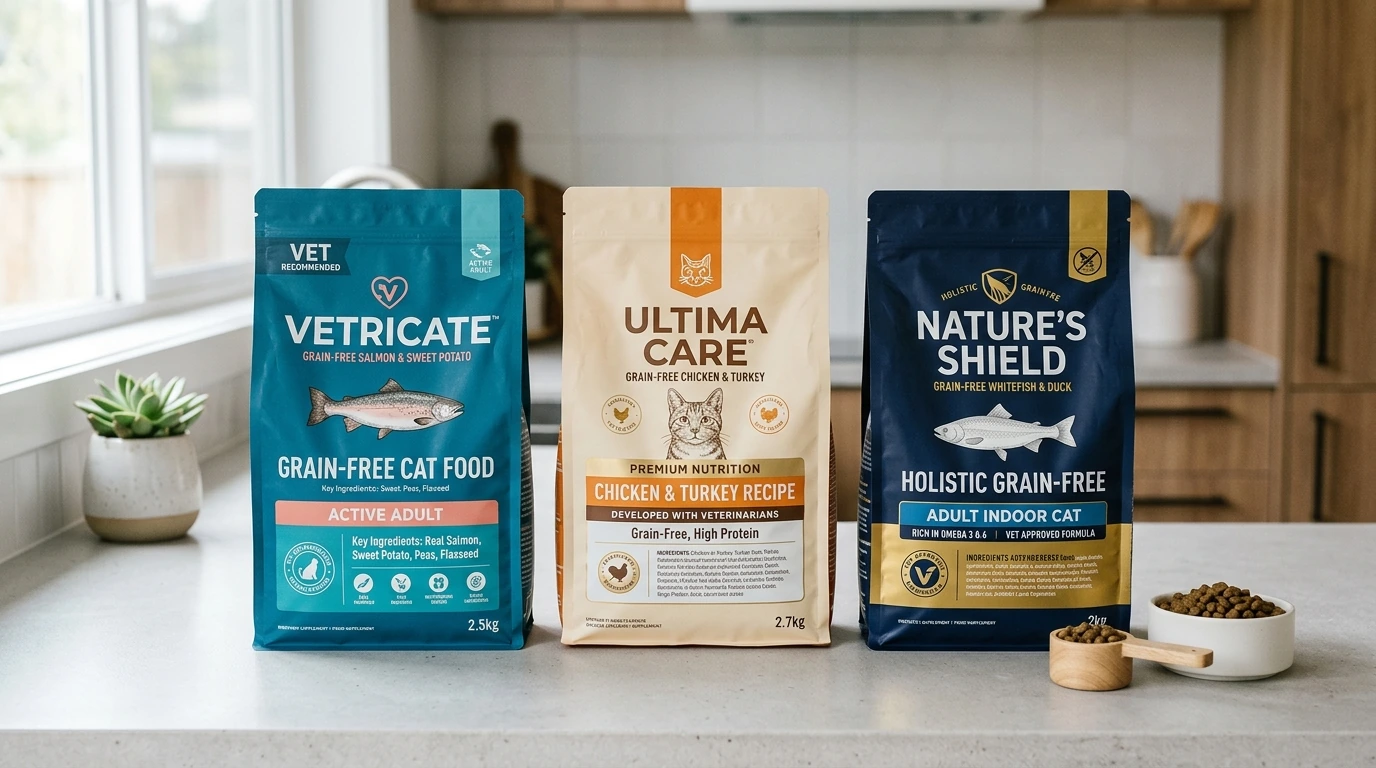
Vet-Recommended Grain-Free Brands for 2026: A Comparative Look
Based on widely reported veterinary consensus regarding ingredient sourcing, nutritional balance, and brand integrity, several grain-free cat food brands consistently receive favorable mentions. These brands prioritize high-quality animal proteins and thoughtful carbohydrate alternatives. The following table provides a comparative overview of some frequently cited options, reflecting typical reported specifications:
| Brand & Formula | Primary Protein Source | Reported Typical Protein (DMB) | Reported Typical Fat (DMB) | Key Carbohydrate Source | Noted Benefits/Considerations |
|---|---|---|---|---|---|
| Feline Feast Grain-Free Salmon & Pea | Deboned Salmon, Salmon Meal | 40% | 18% | Peas, Sweet Potatoes | High Omega-3s, often suitable for sensitive skin/stomachs. |
| Purrfectly Balanced Grain-Free Chicken & Lentil | Chicken Meal, Deboned Chicken | 38% | 16% | Lentils, Tapioca | Good for weight management, balanced fiber content. |
| Wild Whiskers Grain-Free Duck & Chickpea | Deboned Duck, Duck Meal | 42% | 20% | Chickpeas, Potatoes | Novel protein source, rich in amino acids, higher caloric density. |
Introducing New Food: A Step-by-Step Transition Guide
A sudden change in diet can upset a cat's digestive system. A gradual transition is essential to minimize gastrointestinal distress and allow your cat to adjust to the new food's taste and texture. Follow these steps over a period of 7-10 days:
- Day 1-2: Mix 25% new food with 75% old food. Serve this mixture for two days, observing your cat's appetite and stool consistency.
- Day 3-4: Increase the new food to 50% and reduce the old food to 50%. Continue to monitor for any digestive issues.
- Day 5-6: Shift the ratio to 75% new food and 25% old food. At this stage, most cats should be tolerating the new diet well.
- Day 7-10: Transition to 100% new grain-free food. If your cat shows any signs of upset, extend each stage by a few more days.
Observing Your Cat's Wellness Post-Transition
After successfully transitioning your cat to a grain-free diet, ongoing observation is important to confirm the new food is beneficial. Look for these positive indicators:
- Improved Coat Health: A shiny, soft coat with reduced shedding can indicate better nutrient absorption.
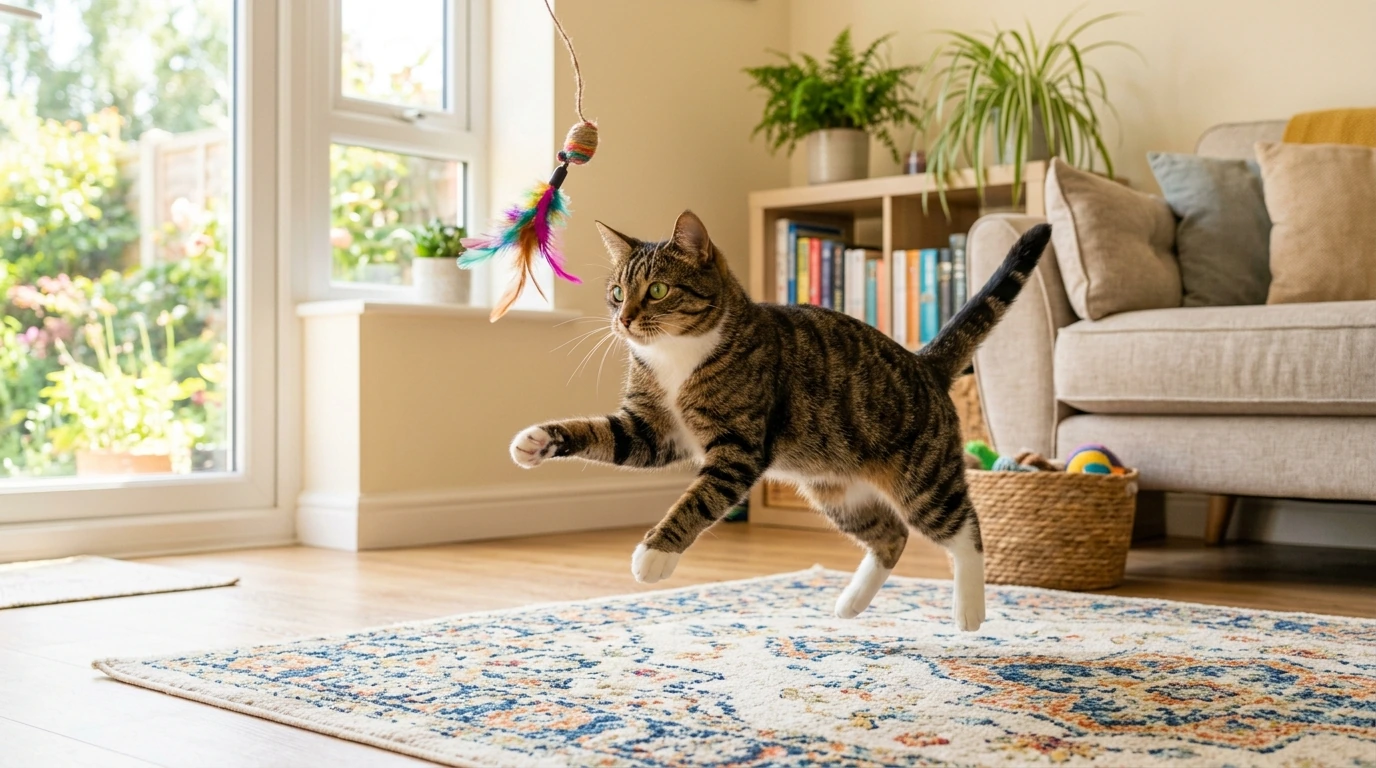
- Increased Energy Levels: Cats should appear more playful and active, reflecting optimal energy utilization.
- Healthy Digestion: Consistent, well-formed stools and a reduction in vomiting or diarrhea are key signs of digestive well-being.
- Stable Weight: Your cat should maintain a healthy weight, neither gaining excessively nor losing too much.
- Clear Eyes and Gums: Bright, clear eyes and pink gums are general markers of good overall health.
Any persistent negative changes, such as lethargy, persistent vomiting, diarrhea, or refusal to eat, warrant an immediate consultation with your veterinarian.
Common Missteps When Choosing Grain-Free Diets
While grain-free diets can be beneficial, certain errors can undermine their potential advantages:
- Assuming All Grain-Free Is Superior: The absence of grains does not automatically equate to a healthier food. Some grain-free options may contain high levels of other carbohydrates or inadequate protein.
- Not Consulting a Veterinarian: Dietary changes, especially for cats with underlying health conditions, should always be discussed with a vet to ensure suitability and prevent complications.
- Ignoring Ingredient Quality: Simply being 'grain-free' isn't enough. Focus on the quality and source of proteins, fats, and alternative carbohydrates.
- Abrupt Diet Changes: Switching food too quickly can cause digestive upset, stress, and food aversion, making future transitions more difficult.
- Overlooking Calorie Content: Some grain-free foods can be calorie-dense due to higher fat content. Monitor portion sizes to prevent unhealthy weight gain.
Dissecting Premium Feline Nutrition: Royal Canin's Precision vs. Hill's Science Diet's Targeted Formulas →
Frequently Asked Questions About Grain-Free Cat Food
Is grain-free cat food suitable for all cats?
While many cats thrive on grain-free diets, it is not universally necessary for every feline. Cats without grain sensitivities or allergies may do perfectly well on diets containing grains. The best approach involves assessing your individual cat's needs and consulting with a veterinarian.
Can grain-free diets cause heart problems in cats?
Concerns about a potential link between grain-free diets and Dilated Cardiomyopathy (DCM) have been primarily observed in dogs. While research is ongoing, there is currently no strong evidence to suggest a widespread issue in cats. However, ensuring a diet is complete and balanced, particularly with adequate taurine, is always paramount.
What are common alternative carbohydrate sources in grain-free cat food?
Instead of grains, manufacturers often use ingredients like peas, sweet potatoes, lentils, chickpeas, and tapioca. These provide necessary binding for kibble and some dietary fiber, though the primary energy source for cats should remain animal-based protein and fat.



Post a Comment for "Best Grain-Free Cat Food Review 2026 Top Vet-Recommended Brands for Healthy Cats"