
Dissecting Premium Feline Nutrition: Royal Canin's Precision vs. Hill's Science Diet's Targeted Formulas
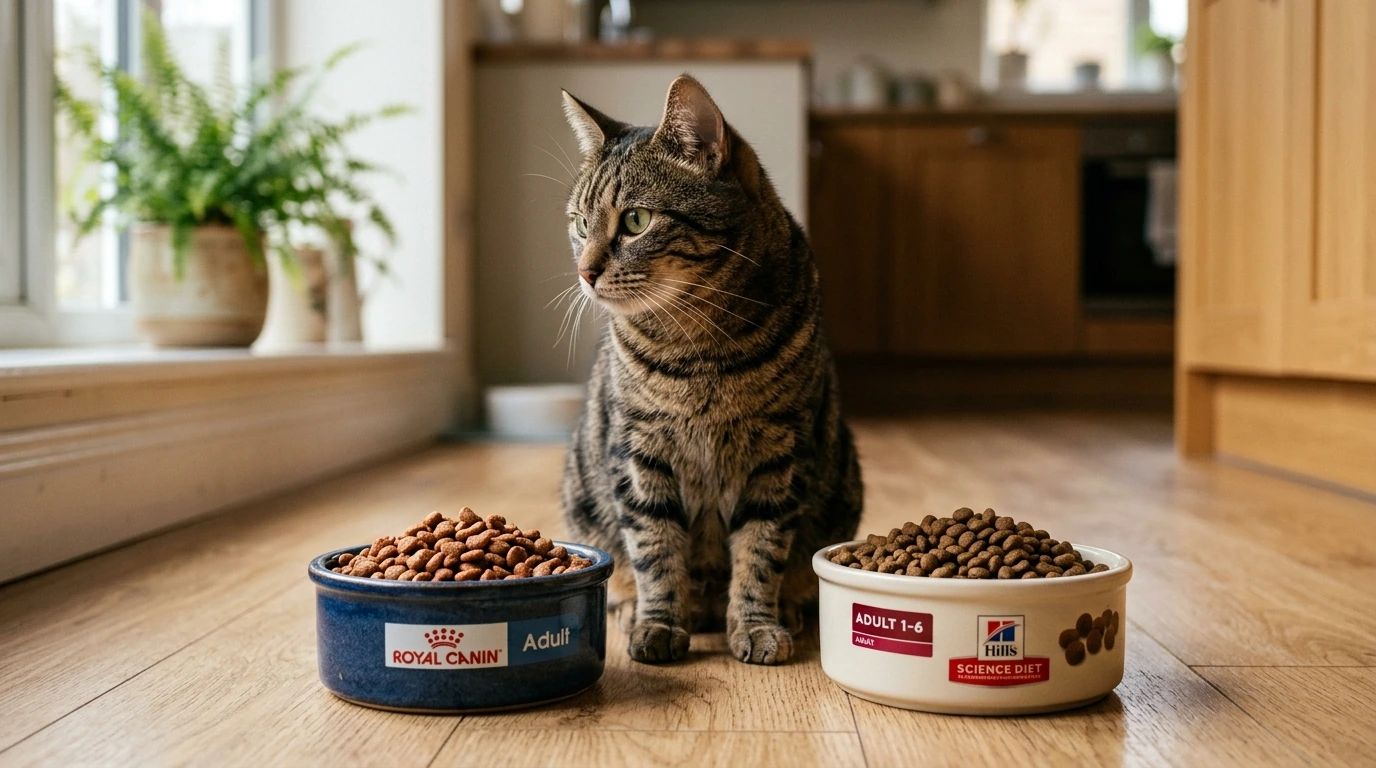
Deciding on a premium cat food often involves navigating a complex landscape of nutritional claims and specialized formulas. Two prominent names in the veterinary-recommended arena, Royal Canin and Hill's Science Diet, consistently emerge as top contenders. Both brands have built reputations on scientific research and targeted nutrition, yet their approaches and specific offerings present distinct differences that pet owners should understand.
Key Takeaways
- Royal Canin emphasizes breed-specific and condition-specific formulas, often with highly digestible proteins and precise nutrient ratios.
- Hill's Science Diet focuses on life-stage nutrition and science-backed solutions for common health issues, utilizing quality ingredients.
- Both brands invest heavily in research and development, providing veterinary-approved options for diverse feline needs.
- Ingredient lists, while high-quality, may include grains and by-products, which are standard in many veterinary diets for specific nutritional profiles.
Understanding Your Cat's Unique Dietary Blueprint
Before delving into specific brands, the initial step involves a thorough assessment of your cat's individual needs. This encompasses age, activity level, breed predispositions, and any existing health conditions identified by your veterinarian. For instance, a growing kitten requires a different macronutrient balance than a sedentary senior cat, and a cat prone to urinary issues will benefit from a specialized formula designed to support bladder health. Consulting with a veterinary professional to establish these prerequisites is always recommended.
Required Prerequisites & Tools:
- Veterinary Consultation: A recent check-up and discussion with your vet about your cat's specific dietary requirements.
- Health Records: Documentation of any diagnoses, allergies, or sensitivities.
- Weight & Body Condition Score: Current measurements to determine appropriate calorie intake.
- Ingredient Knowledge: A basic understanding of common pet food ingredients and their roles.
Evaluating Core Nutritional Philosophies
Both Royal Canin and Hill's Science Diet approach feline nutrition with a strong scientific foundation, but their primary focus areas differ. Royal Canin is renowned for its highly specialized, targeted diets, often extending to specific breeds or very precise health conditions. Hill's Science Diet, conversely, emphasizes life-stage nutrition and broad health categories backed by extensive research.
Step-by-Step Comparison Guide:
- Review Brand Philosophies: Understand that Royal Canin excels in hyper-specific formulations (e.g., Persian Adult, Urinary SO), while Hill's Science Diet offers comprehensive lines for life stages (e.g., Kitten, Adult 7+) and common ailments (e.g., c/d Multicare, z/d Skin/Food Sensitivities).
- Analyze Ingredient Focus: Both brands utilize a blend of animal proteins, grains, and fats. Royal Canin often features highly digestible proteins and specific fiber blends, while Hill's Science Diet frequently highlights precise antioxidant blends and omega fatty acids for skin and coat health. Neither brand typically shies away from corn or wheat as carbohydrate sources, viewing them as digestible and nutritionally valuable components in a balanced diet, a stance supported by veterinary nutritionists for specific formulations.
- Examine Veterinary Endorsement: Both Royal Canin's Veterinary Diet line and Hill's Prescription Diet line are exclusively available through veterinarians, underscoring their clinical efficacy and formulation for specific medical conditions. Their over-the-counter Science Diet and Feline Health Nutrition lines are also formulated with veterinary input.
A Comparative Overview of Premium Feline Diets
| Feature | Royal Canin | Hill's Science Diet |
|---|---|---|
| Primary Nutritional Philosophy | Precision nutrition based on breed, age, lifestyle, and specific health conditions. | Science-backed nutrition for life stages and common health concerns; emphasizes digestibility. |
| Specialized Diet Range | Extensive range of breed-specific diets, highly targeted health support (e.g., Urinary SO, Renal Support). | Comprehensive life-stage diets (Kitten, Adult, Senior) and health-specific solutions (e.g., Hairball, Sensitive Stomach, Urinary Health). |
| Ingredient Focus | Often features highly digestible animal proteins, specific fiber blends, and tailored nutrient ratios. Utilizes grains and by-products for optimal nutritional balance. | Focus on high-quality protein sources, balanced fats, and proprietary antioxidant blends. Also incorporates grains and by-products as part of a complete diet. |
| Kibble Design | Specific kibble shapes and sizes designed for different jaw structures and eating habits (e.g., brachycephalic breeds). | Standard kibble shapes, with some variations for dental health or specific formulas. |
| Typical Cost Range (per lb) | Reported to be in the mid-to-high range for premium foods. | Reported to be in the mid-to-high range for premium foods. |

Navigating Common Misconceptions in Feline Nutrition
Selecting a cat food can be complicated by widespread myths and marketing jargon. Avoiding these common pitfalls ensures a more informed decision:
- Ignoring Veterinary Advice: Relying solely on internet forums or anecdotal evidence can lead to inappropriate dietary choices. Your veterinarian possesses the clinical expertise to recommend the best option for your cat's health profile.
- Misinterpreting Ingredient Lists: Terms like 'by-products' or 'grains' are often demonized, yet in veterinary nutrition, they can be highly digestible and provide essential nutrients. Manufacturer specifications confirm these ingredients are carefully selected and processed for safety and efficacy.
- Sudden Food Changes: Abruptly switching cat food can cause digestive upset. Any transition should be gradual, typically over 7-10 days, mixing increasing proportions of the new food with decreasing amounts of the old.
- Over-reliance on Marketing Claims: Phrases such as 'grain-free' or 'natural' do not automatically equate to superior nutrition. The overall balance of nutrients and suitability for your cat's specific needs are far more important than trendy labels.

Strategic Puppy Naming: Optimizing Purebred Identity for Veterinary Insurance Pathways →
Confirming the Right Choice for Your Cat's Health
Once a new food has been introduced, monitoring your cat's response is essential to confirm its suitability. Observing several key indicators over several weeks provides valuable feedback.
Post-Transition Verification Checklist:
- Energy Levels: Is your cat maintaining or improving its typical activity and playfulness?
- Coat Condition: Does their fur appear shiny, soft, and free from excessive shedding or dandruff?
- Stool Quality: Are bowel movements well-formed, consistent, and free from excessive odor or diarrhea?
- Appetite & Palatability: Is your cat eating the food readily and maintaining a healthy appetite?
- Weight Stability: Is your cat maintaining a healthy weight, neither gaining nor losing excessively?
- Absence of Digestive Upset: Are there no signs of vomiting, gas, or discomfort?
If any concerns arise during this observation period, consult your veterinarian promptly. Both Royal Canin and Hill's Science Diet offer robust nutritional solutions, but the "best" choice is ultimately the one that optimally supports your individual cat's health and well-being, as validated by both scientific formulation and observable positive outcomes.




Post a Comment for "Dissecting Premium Feline Nutrition: Royal Canin's Precision vs. Hill's Science Diet's Targeted Formulas"