
The Hidden Risks: Why a GPS Tracker is Essential for Your Dog's Safety
A frantic call to the local shelter, a missing poster being printed, or the agonizing hours spent searching neighborhood streets—these are scenarios far too many pet owners experience. While microchipping offers a vital identification method, it only works once a lost pet is found and scanned. The critical gap between a dog wandering off and being identified is where modern GPS tracking technology provides an indispensable layer of security.
The Unseen Vulnerability: Why Dogs Go Missing
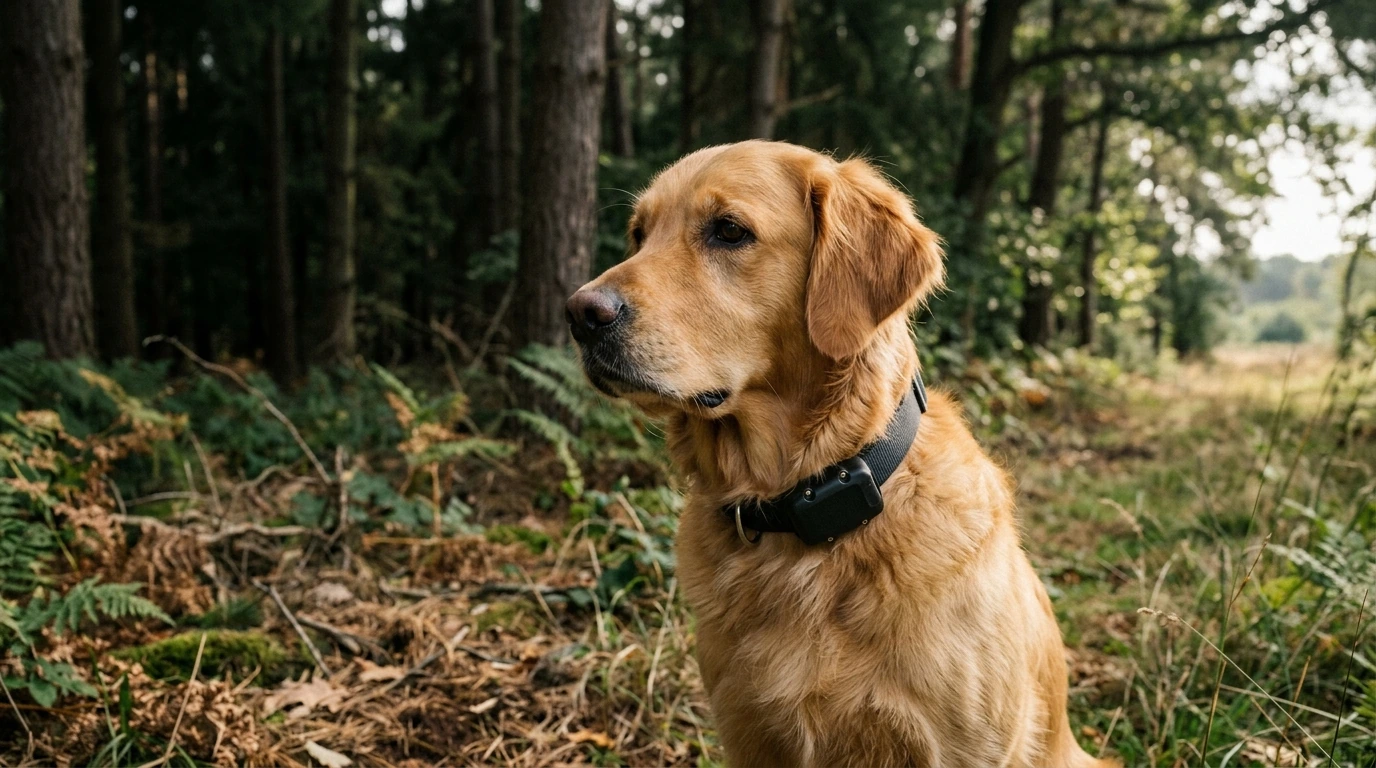
Dogs, even the most well-behaved, can become disoriented or bolt due to a sudden scare, an enticing scent, or simply an open gate. Official reports frequently highlight how easily pets can become separated from their owners. A study by the ASPCA indicated that roughly one in three pets will go missing at some point in their lives. Factors contributing to this include:
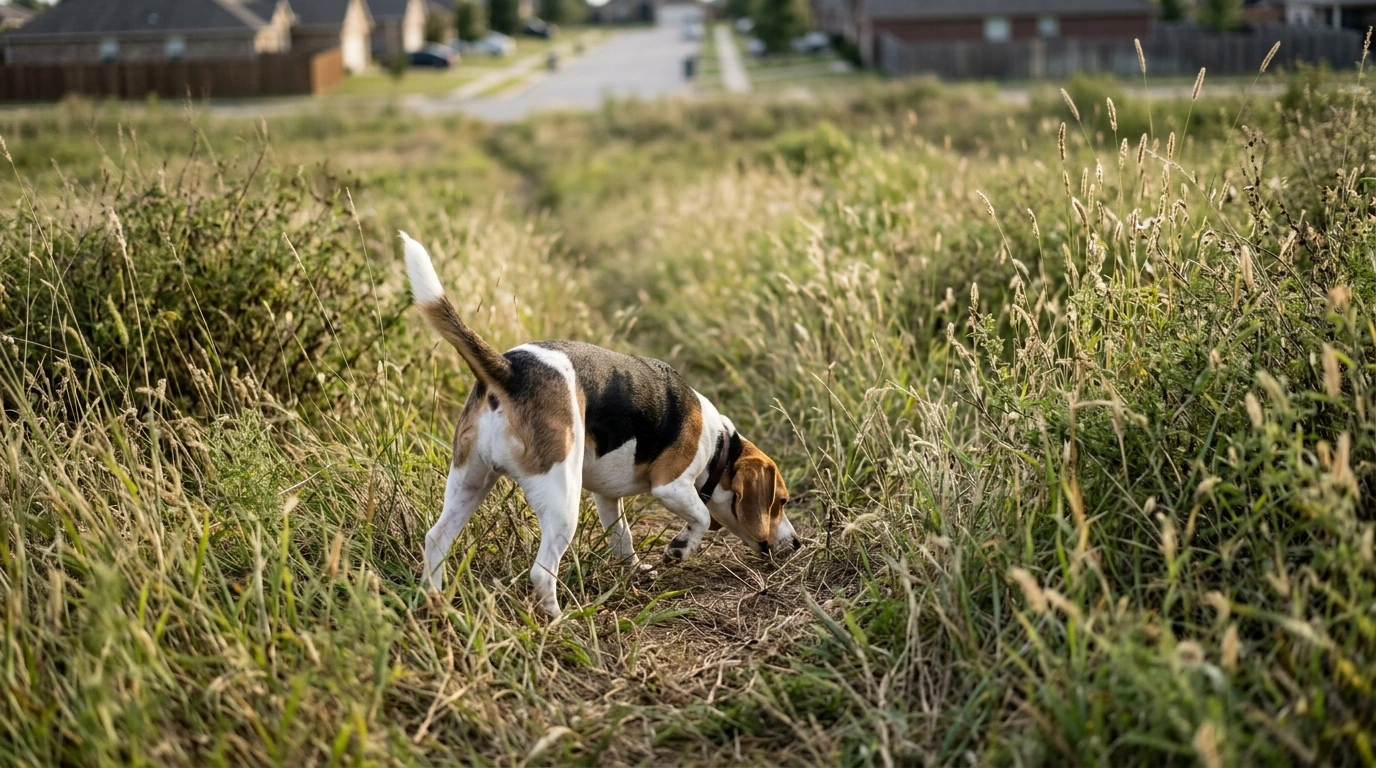
- Environmental Distractions: New smells, sounds, or the sight of wildlife can trigger a dog's prey drive or curiosity, leading them to wander far from familiar territory.
- Fear and Anxiety: Loud noises like fireworks, thunderstorms, or even unfamiliar construction sounds can cause dogs to panic and flee, often without a clear direction.
- Disorientation: Travel to new locations, a change in routine, or age-related cognitive decline can make it difficult for a dog to find its way home.
- Accidental Escapes: An unlatched gate, a broken leash, or a quick dash out an open door are common occurrences that can lead to a dog's disappearance.
Without real-time location data, the window for a swift and safe reunion significantly narrows. Traditional methods of finding a lost dog, while valuable, often rely on delayed information and the hope that someone finds and reports your pet.
Decoding GPS Tracking: How Modern Devices Work
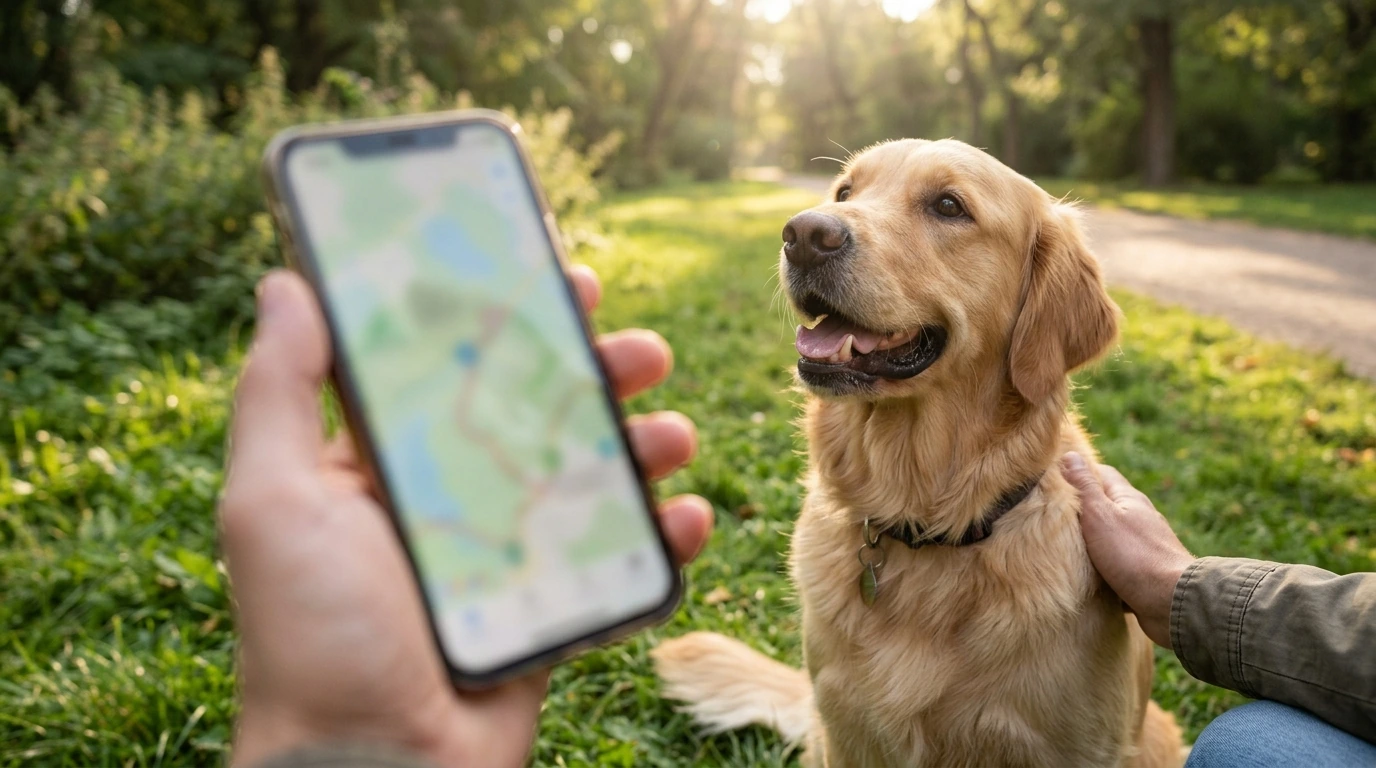
Contemporary GPS trackers for dogs leverage a combination of technologies to pinpoint your pet's location. The core functionality relies on receiving signals from Global Positioning System (GPS) satellites. These devices then transmit location data via cellular networks (2G, 4G LTE-M, or NB-IoT) to a dedicated app on your smartphone or computer.
Key operational aspects include:
- Satellite Triangulation: The tracker calculates its position by measuring the time it takes for signals from multiple satellites to reach it.
- Cellular Transmission: Once the location is determined, this data is sent over cellular networks. This requires a subscription plan, similar to a mobile phone, to cover data costs.
- Geofencing Capabilities: Most advanced trackers allow you to set up virtual boundaries (geofences) around safe areas, such as your yard or a dog park. If your dog crosses these boundaries, you receive an immediate alert.
- Activity Monitoring: Many trackers now integrate accelerometers and other sensors to monitor your dog's activity levels, sleep patterns, and even calorie burn, offering insights into their overall health and well-being.
The accuracy of these devices can vary, typically ranging from a few meters in open areas to slightly less precise readings in dense urban environments or indoors, where satellite signals might be obstructed.
Key Features to Prioritize in a Dog GPS Tracker
Choosing the right GPS tracker involves evaluating several critical features that align with your dog's lifestyle and your specific needs.
Durability and Waterproofing
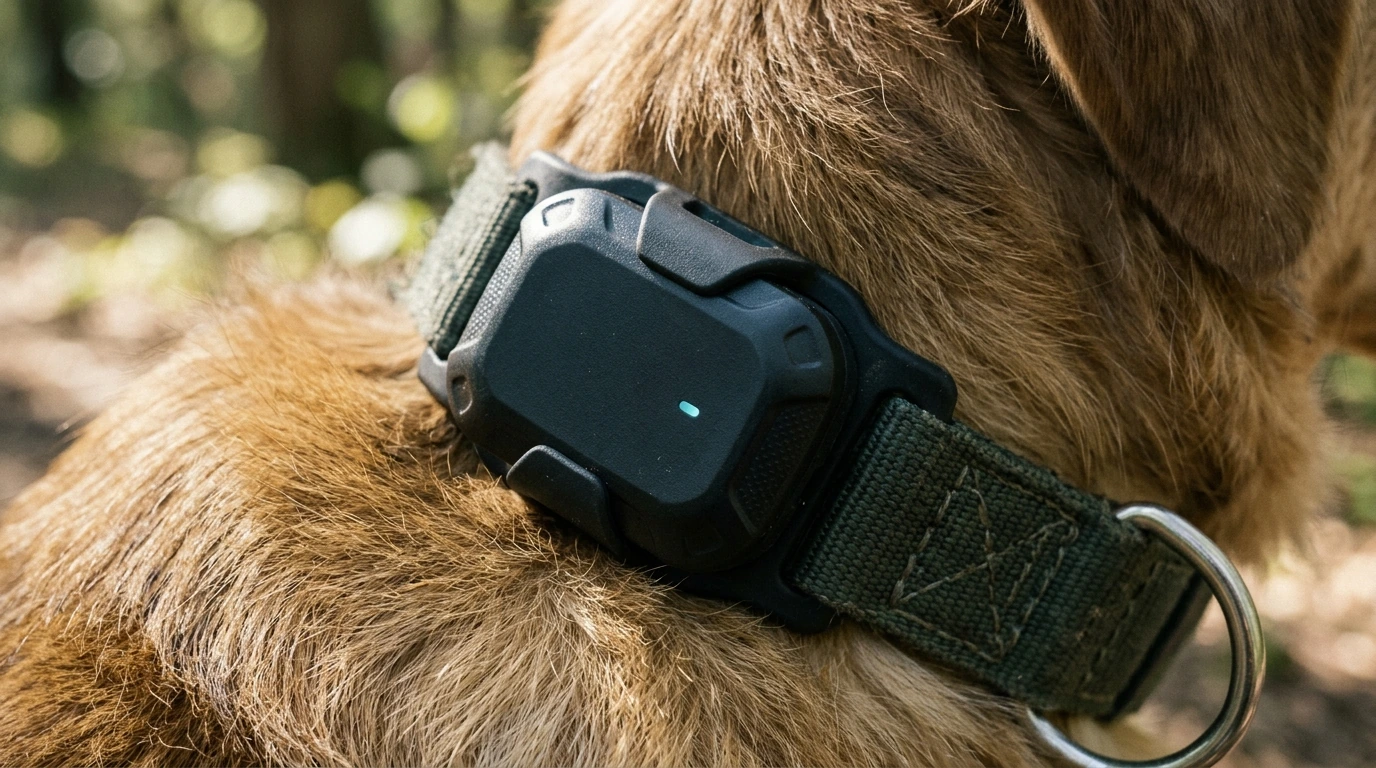
Dogs are active creatures. A tracker needs to withstand rough play, rain, mud, and occasional dips in water. Look for IP ratings; an IP67 or IP68 rating indicates significant dust and water resistance, suitable for most canine adventures.
Battery Life
This is a frequent concern for users. Devices with longer battery life (often several days on a single charge) are preferable, reducing the frequency of recharging and ensuring continuous protection. Manufacturer specifications often indicate battery life ranging from 2-7 days, depending on usage and tracking frequency.
Coverage Area
Ensure the tracker operates on a cellular network that provides reliable coverage in your specific geographic region. Some models offer international roaming, which is beneficial for owners who travel with their pets.
Real-time vs. Interval Tracking
While most trackers offer real-time tracking, some operate on intervals (e.g., updating every 5 minutes) to conserve battery. For immediate retrieval of a lost pet, real-time or near real-time tracking is paramount.
Size and Weight
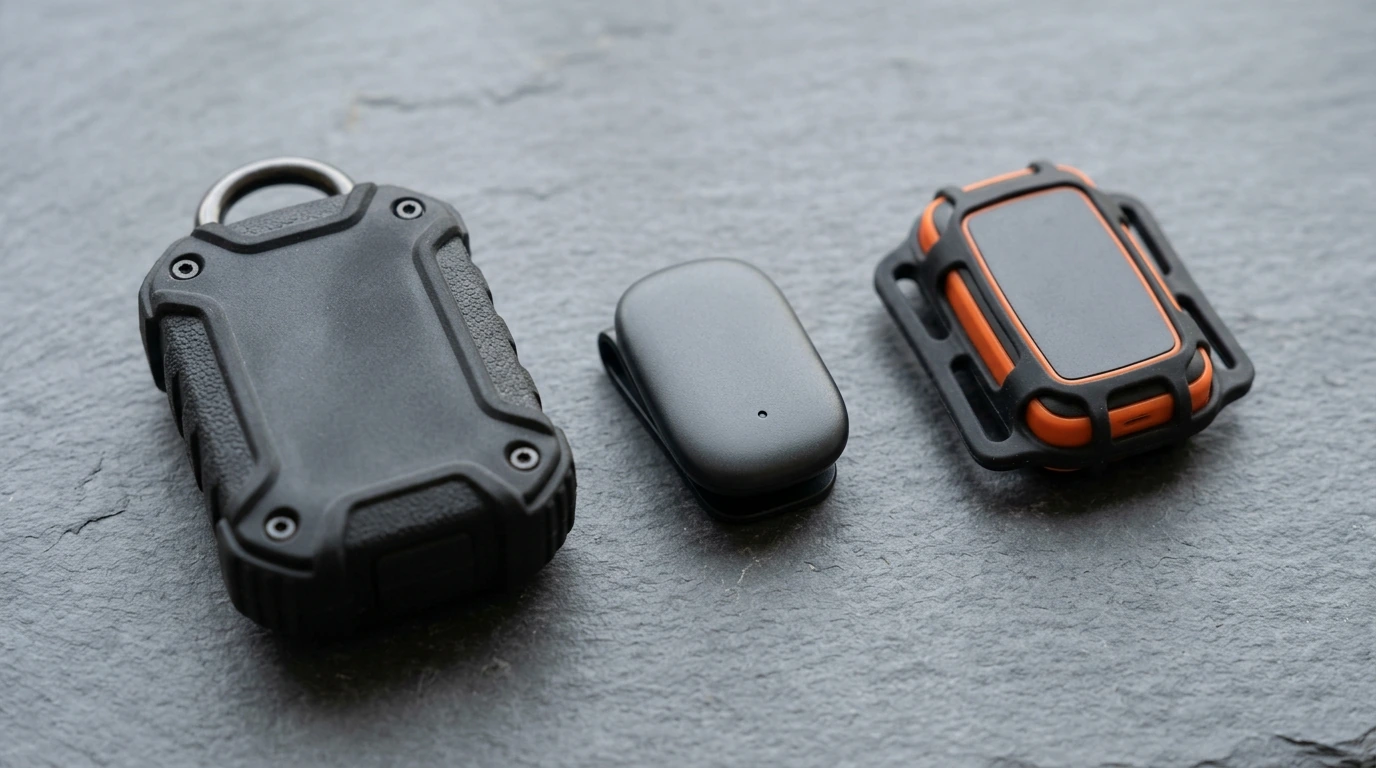
The tracker should be comfortable for your dog. Consider your dog's breed and size; a large, heavy device will be unsuitable for a small breed, while a tiny tracker might be easily lost on a giant breed.
Integrating a Tracker into Your Dog's Routine
Once you've selected a GPS tracker, seamless integration into your dog's daily life is key to its effectiveness.
- Proper Attachment: Ensure the tracker is securely fastened to your dog's collar. It should be snug enough not to dangle or get caught, but not so tight as to cause discomfort. Many trackers come with specific clips or sleeves designed for this purpose.
- Regular Charging: Establish a routine for charging the device. For trackers with multi-day battery life, a weekly charge might suffice. For others, daily charging might be necessary. Consider charging it overnight, similar to your own mobile devices.
- Geofence Setup: Immediately set up geofences for all areas where your dog spends significant time, such as your home, yard, and regular walking routes. This proactive measure ensures you receive alerts the moment your dog exits a safe zone.
- App Familiarization: Spend time navigating the companion app. Understand how to initiate live tracking, view location history, and manage alerts. Knowing the app's features beforehand will save critical time during an emergency.
PRO TIP: Beyond the Microchip
While a microchip is invaluable for permanent identification, it is a reactive measure. A GPS tracker provides a proactive solution, offering real-time location data that can drastically reduce the time your dog is lost and minimize potential dangers. Do not view them as interchangeable; they are complementary tools for comprehensive pet safety.
Frequently Asked Questions About Dog GPS Trackers
- Do dog GPS trackers require a monthly subscription?
- Yes, almost all GPS trackers for dogs require a monthly or annual subscription fee. This fee covers the cost of cellular data transmission, which is essential for the device to send location information to your smartphone.
- Are GPS trackers safe for my dog?
- When properly fitted and used according to manufacturer guidelines, GPS trackers are generally safe. They are designed to be lightweight and durable, minimizing discomfort or irritation. Always ensure the device is appropriately sized for your dog.
- How accurate are these devices?
- Modern GPS trackers offer a high degree of accuracy, often pinpointing a dog's location within a few meters in open outdoor environments. Accuracy can be reduced in areas with dense tree cover, tall buildings, or indoors due to signal obstruction.
- Can a GPS tracker replace a microchip?
- No, a GPS tracker does not replace a microchip. A microchip is a permanent form of identification, scanned by vets and shelters, while a GPS tracker provides real-time location data. Both are vital, complementary tools for your dog's safety.
The peace of mind that comes from knowing you can quickly locate your beloved canine companion is immeasurable. Investing in a reliable GPS tracker is a proactive step that significantly enhances your dog's safety net, transforming anxiety into assurance. By understanding the technology and prioritizing key features, pet owners can ensure their dogs are protected against the unforeseen, allowing for more worry-free adventures together.



Post a Comment for "The Hidden Risks: Why a GPS Tracker is Essential for Your Dog's Safety"