
Ragdoll Cat Breed Review: Navigating Health, Prescription Nutrition, and Veterinary Insurance
Understanding the unique needs of a Ragdoll cat goes beyond admiring their striking blue eyes and luxurious coat; it involves a comprehensive approach to their health, diet, and long-term care. These 'gentle giants' are renowned for their docile nature, but like all purebreds, they come with specific predispositions that necessitate informed decisions regarding their nutrition and veterinary coverage.
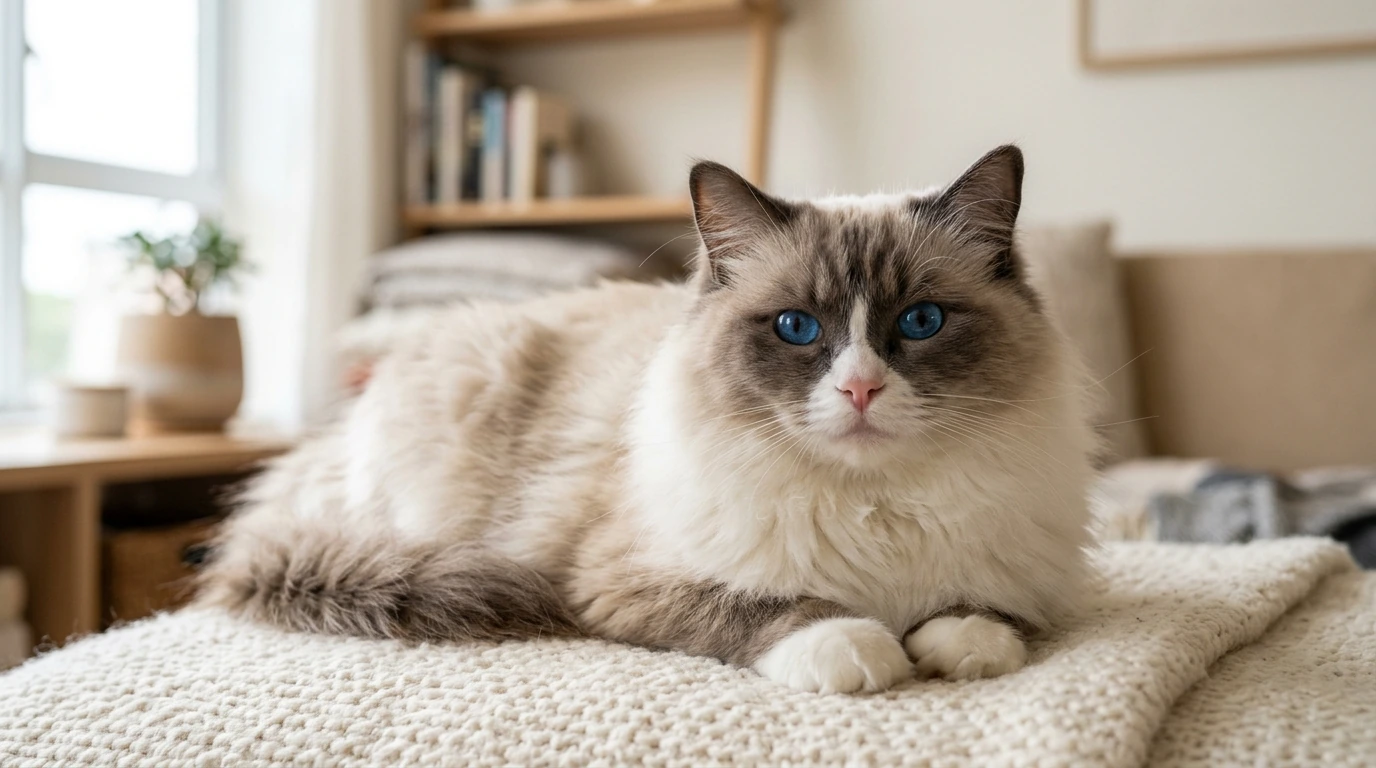
This review delves into the core aspects of Ragdoll ownership, providing a specialist's insight into maintaining their well-being. From their distinctive breed characteristics to the strategic role of prescription diets and the invaluable safety net of veterinary insurance, we explore how to ensure these beloved felines lead long, healthy, and happy lives.
Breed Profile: Temperament, Appearance, and Care Needs
Originating in California in the 1960s, the Ragdoll breed was selectively bred for its gentle temperament, large size, and striking appearance. These cats earned their name from their tendency to go limp and relaxed when picked up, a trait that endears them to many.
The Gentle Giant's Demeanor
Ragdolls are celebrated for their exceptionally docile, affectionate, and placid nature. They are often described as 'dog-like' in their devotion, frequently following their human companions from room to room. Their low-key energy makes them excellent indoor pets, adapting well to various living situations, including families with children and other pets. They generally prefer ground-level interaction over high climbing and are known for their quiet vocalizations.
Distinctive Physical Traits
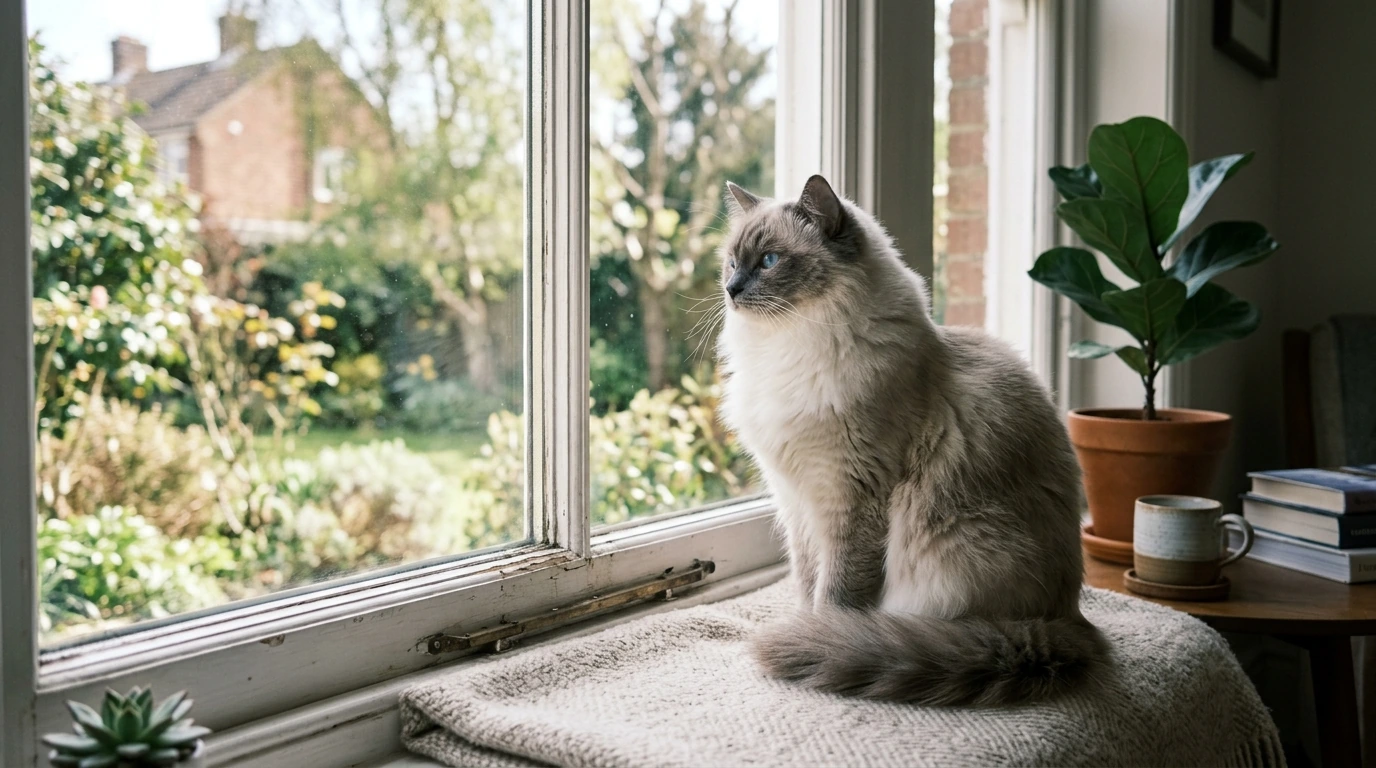
Physically, Ragdolls are large, semi-longhaired cats with substantial boning and a muscular build. Males can weigh between 15 to 20 pounds, while females typically range from 10 to 15 pounds. Their most recognizable features include:
- Coat: Silky, rabbit-like, semi-longhair coat with minimal undercoat, which reduces matting compared to some other long-haired breeds.
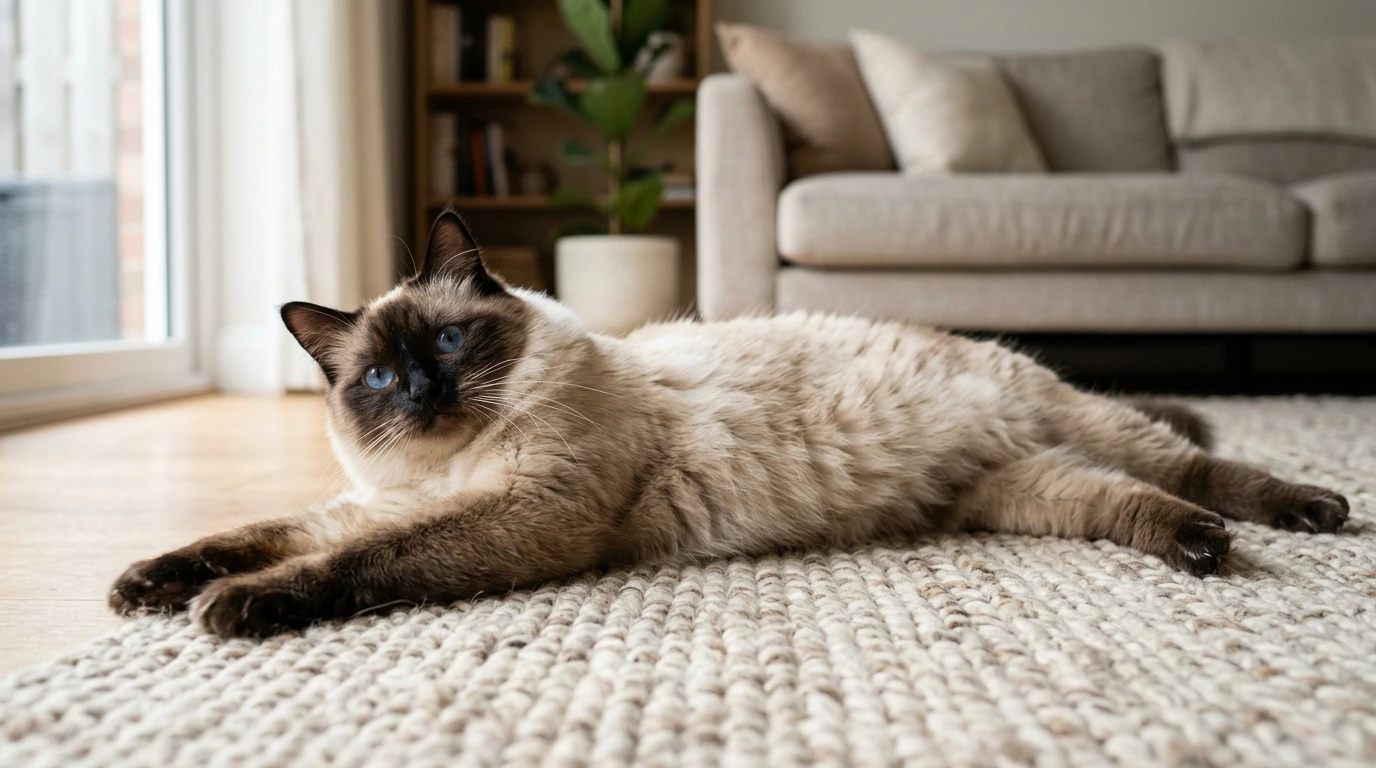
- Color Points: A pointed color pattern, meaning their body is lighter with darker 'points' (ears, face, paws, tail). Common point colors include seal, blue, chocolate, lilac, red, and cream.
- Eyes: Striking, vivid blue eyes are a hallmark of the breed.
- Maturity: Ragdolls mature slowly, often not reaching their full size and coat development until three to four years of age.
Grooming and Environmental Enrichment
Despite their semi-long coat, Ragdolls are relatively low-maintenance in terms of grooming. A weekly brushing session is usually sufficient to prevent mats and reduce shedding. However, due to their indoor nature and gentle disposition, environmental enrichment is crucial. Providing scratching posts, interactive toys, and dedicated cuddle time helps meet their physical and emotional needs.
Understanding Ragdoll Health Considerations
While Ragdolls are generally robust, they are predisposed to certain genetic health conditions that prospective and current owners should be aware of. Proactive veterinary care and screening are paramount for early detection and management.
Common Genetic Predispositions
The two primary genetic conditions of concern for Ragdolls are:
- Hypertrophic Cardiomyopathy (HCM): This is the most common heart disease in cats, leading to a thickening of the heart muscle. Ragdolls have a known genetic mutation (MYBPC3 gene) that increases their risk. Responsible breeders often screen their breeding cats for this mutation, and regular cardiac evaluations (echocardiograms) are recommended for all Ragdolls, especially as they age.
- Polycystic Kidney Disease (PKD): While more commonly associated with Persian cats, Ragdolls can also be affected. PKD causes cysts to form in the kidneys, which can grow over time and lead to kidney failure. Genetic testing is available for PKD, allowing breeders to make informed decisions and owners to monitor their cats.
Other conditions that can affect Ragdolls, though not necessarily breed-specific, include urinary tract issues (like bladder stones) and dental disease, both common in many domestic cat breeds.
Proactive Veterinary Care
Regular veterinary check-ups, ideally annually for adults and biannually for seniors, are essential. These visits allow for:
- Early detection of health issues through physical examination.
- Vaccination updates to protect against common feline diseases.
- Parasite control (fleas, ticks, worms).
- Dental health assessments and cleanings as needed.
- Specific screening tests, such as genetic tests for HCM and PKD, and potentially regular cardiac ultrasounds for at-risk individuals.
Pro Tip: Genetic Screening
When acquiring a Ragdoll kitten, always inquire about the genetic health screening of the parents for HCM and PKD. Reputable breeders will provide documentation of these tests, offering a stronger foundation for your cat's long-term health.
Tailored Nutrition: The Role of Prescription Diets
Optimal nutrition is a cornerstone of a Ragdoll's health, and in some cases, a prescription diet recommended by a veterinarian becomes a critical component of their care plan.
Addressing Specific Health Needs
While a high-quality, balanced commercial diet is suitable for most healthy Ragdolls, prescription diets are formulated to manage or mitigate specific health conditions. These therapeutic foods are not 'better' than regular diets for healthy cats, but they are medically necessary for those with particular ailments. Examples include:
- Kidney Support Diets: For Ragdolls diagnosed with PKD or other forms of kidney disease, these diets feature controlled protein and phosphorus levels to reduce the workload on the kidneys and slow disease progression.
- Urinary Health Diets: Designed to help dissolve or prevent the formation of certain types of urinary crystals and stones, which can be a concern for cats, including Ragdolls. These often modify urine pH and mineral content.
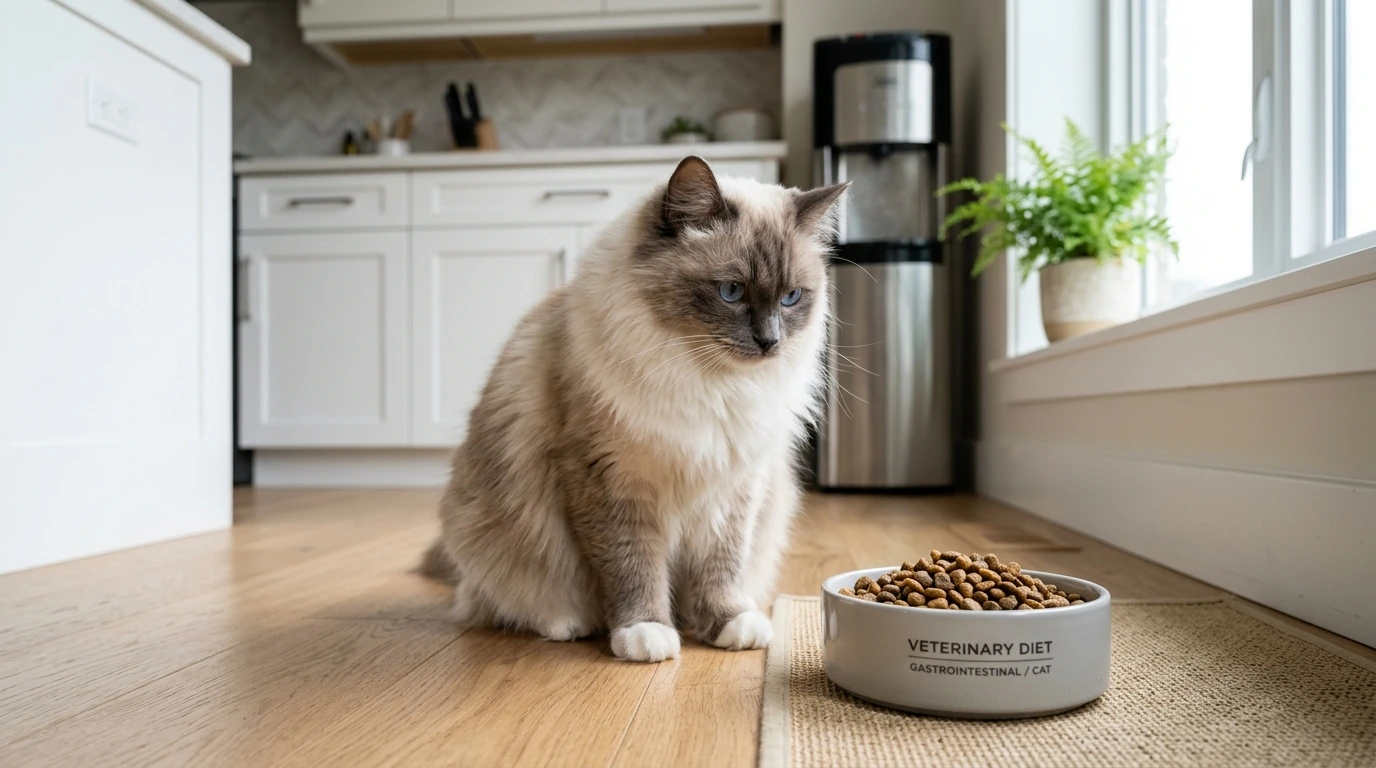
- Gastrointestinal Diets: For cats with sensitive stomachs, inflammatory bowel disease, or other digestive issues, these diets are highly digestible and may contain novel proteins or specific fiber blends.
- Cardiac Support Diets: While not a cure for HCM, some diets are formulated with ingredients like taurine, L-carnitine, and specific antioxidants that can support heart health alongside veterinary medical treatments.
Consulting Your Veterinarian
It is crucial that prescription diets are only used under the guidance of a veterinarian. They will diagnose the underlying condition and recommend the most appropriate diet based on your Ragdoll's specific needs, age, and overall health status. Attempting to self-prescribe a therapeutic diet can be detrimental, potentially leading to nutritional imbalances or worsening an undiagnosed condition.
Navigating Veterinary Insurance for Ragdolls
Given the potential for genetic predispositions and the rising costs of advanced veterinary medicine, pet insurance has become an increasingly valuable tool for Ragdoll owners.
Why Insurance Matters for Purebreds
The lifetime cost of owning a pet includes not only food and routine care but also unexpected medical expenses. For purebreds like Ragdolls, which have known breed-specific health concerns like HCM, the potential for significant veterinary bills for diagnostics, treatments, and ongoing medication is higher. Veterinary insurance can provide financial relief, allowing owners to make treatment decisions based on what's best for their cat, rather than solely on cost.
Key Policy Considerations
When selecting a veterinary insurance policy for your Ragdoll, consider the following:
- Coverage Type: Most policies are accident-and-illness plans, covering unforeseen events and illnesses. Some offer wellness add-ons for routine care, but the primary benefit lies in catastrophic coverage.
- Deductibles and Reimbursement Levels: Understand the deductible (the amount you pay before coverage kicks in) and the reimbursement percentage (e.g., 70%, 80%, 90% of eligible costs).
- Annual Limits: Check the maximum amount the policy will pay out in a year.
- Breed-Specific Conditions: Crucially, confirm that breed-specific conditions like HCM and PKD are covered, and if there are any specific waiting periods or exclusions related to them. Some policies may have exclusions for pre-existing conditions, so enrolling your Ragdoll when they are young and healthy is often recommended.
- Waiting Periods: Policies typically have waiting periods before certain coverages become active.
- Direct Vet Pay: A few providers offer direct payment to your vet, simplifying the process. Otherwise, you typically pay the vet and then submit a claim for reimbursement.
Maximizing Your Coverage
To get the most out of your veterinary insurance:
- Enroll Early: The younger and healthier your Ragdoll is when enrolled, the less likely pre-existing conditions will be an issue.
- Understand Your Policy: Read the fine print to know exactly what is covered and what isn't.
- Keep Detailed Records: Maintain copies of all veterinary invoices and medical records, as these will be necessary for submitting claims.
- Regular Vet Visits: Continue with routine check-ups, as some policies may require evidence of regular preventative care.
Forward-Looking Care and Conclusion
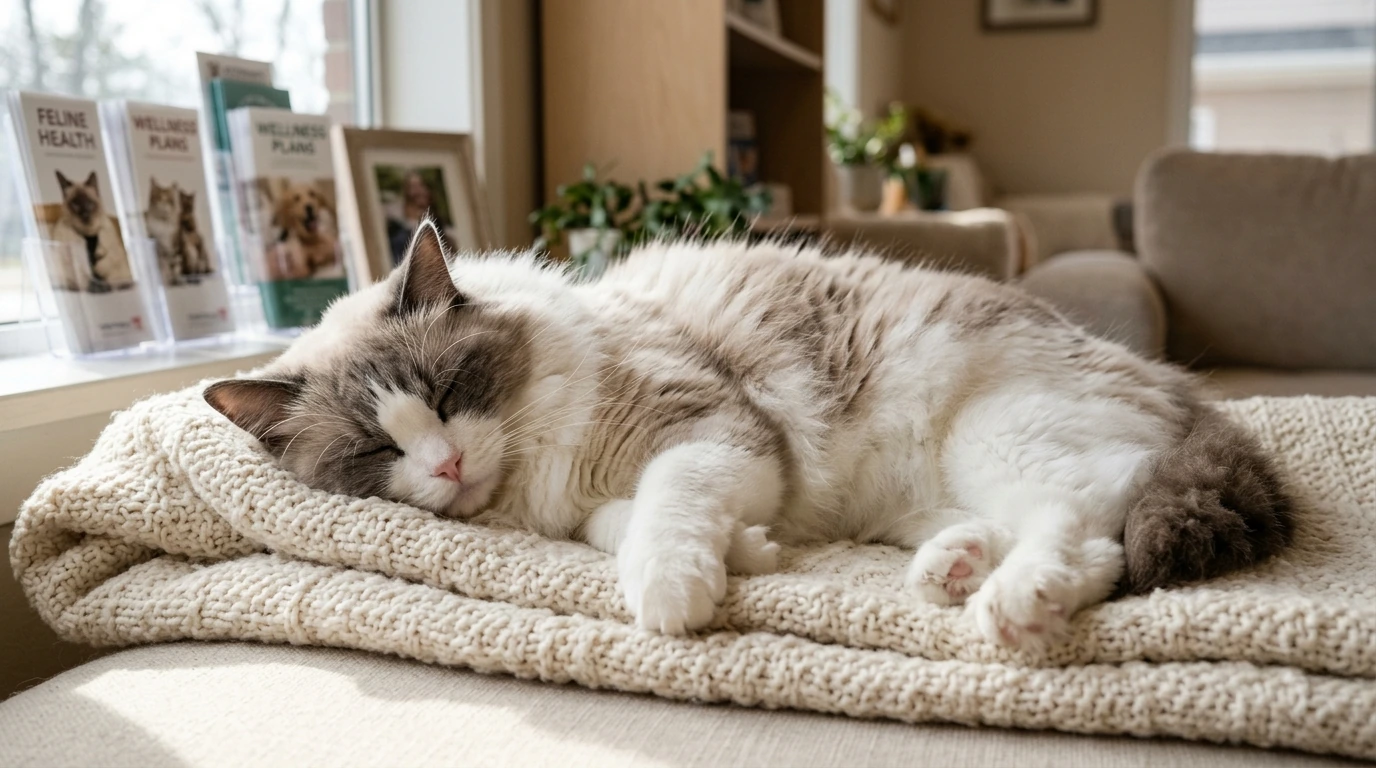
Caring for a Ragdoll cat is a rewarding experience, offering years of gentle companionship. Their specific breed characteristics, while charming, do come with responsibilities that extend to proactive health management and financial planning. By understanding the breed's predispositions, working closely with your veterinarian on tailored nutrition, and securing comprehensive veterinary insurance, you establish a robust framework for their well-being.
The investment in genetic screening, appropriate diet, and insurance coverage is an investment in your Ragdoll's future. These measures empower you to address potential health challenges effectively and ensure your 'gentle giant' enjoys a full, comfortable, and cherished life. Proactive engagement with their health journey is the most impactful way to honor the special bond you share.
Purebred Puppy Essentials: Strategic Naming and Early Veterinary Insurance in 2026 →
Frequently Asked Questions About Ragdoll Cat Care
Are Ragdoll cats high-maintenance?
While their long coats require weekly brushing to prevent mats, Ragdolls are generally considered low-maintenance in terms of temperament and activity level. They are calm, adaptable, and usually content with indoor living and regular human interaction.
What are the most common health issues for Ragdolls?
Ragdolls are genetically predisposed to Hypertrophic Cardiomyopathy (HCM) and Polycystic Kidney Disease (PKD). Regular veterinary check-ups and genetic screening are important for early detection and management of these conditions.
When should I consider a prescription diet for my Ragdoll?
Prescription diets should only be introduced under the direct recommendation and supervision of your veterinarian. They are used to manage specific diagnosed health conditions, such as kidney disease, urinary issues, or gastrointestinal sensitivities, not as general nutritional enhancements for healthy cats.
Is veterinary insurance necessary for a Ragdoll cat?
Given the breed's predispositions to certain genetic conditions and the potential for high costs associated with advanced veterinary care, pet insurance is highly recommended. It provides financial protection against unexpected illnesses or accidents, allowing you to prioritize your Ragdoll's health without undue financial stress.



Post a Comment for "Ragdoll Cat Breed Review: Navigating Health, Prescription Nutrition, and Veterinary Insurance"