
Addressing Feline Aggression: A Specialist's Protocol for Training Reactive Cats
When a cat exhibits aggressive behaviors, it can transform a peaceful home dynamic into a challenging environment. Understanding the root causes and implementing a structured, specialist-guided intervention is paramount for both the cat's well-being and household harmony. This guide outlines a methodical approach to addressing feline aggression, drawing on established veterinary behavioral science.
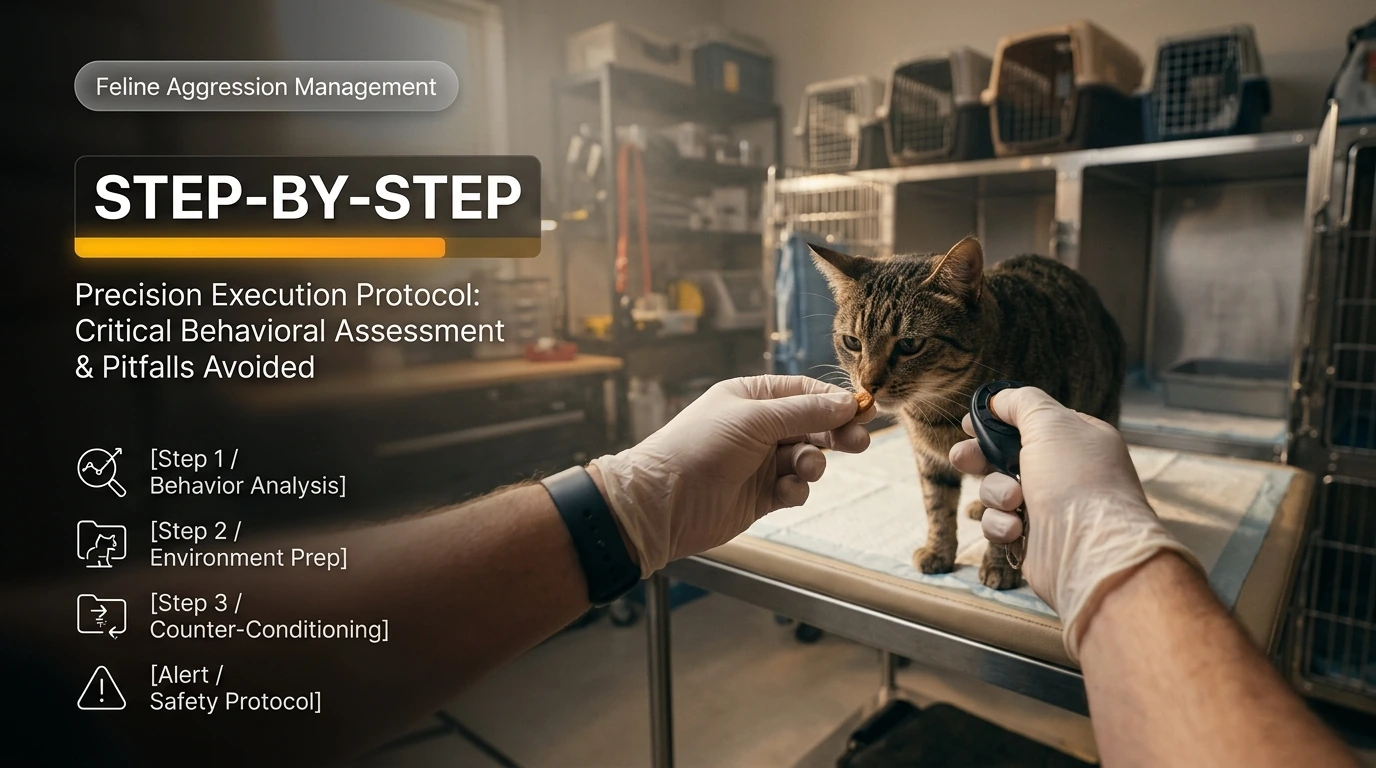
Understanding the Triggers: Initial Assessment & Prerequisites
Before any intervention, a comprehensive assessment of the cat's behavior and environment is essential. Aggression in felines can stem from various factors, including fear, pain, territorial disputes, redirected frustration, or play aggression. A certified feline behavioral specialist or veterinary behaviorist possesses the diagnostic tools to accurately pinpoint the underlying cause.
Essential Preparations & Tools:
- Veterinary Check-up: A thorough physical examination by a veterinarian is non-negotiable to rule out any medical conditions contributing to aggression. Pain, neurological issues, or hormonal imbalances can manifest as behavioral changes.
- Specialist Consultation: Engage a certified feline behavioral specialist. Their expertise is crucial for developing a tailored behavior modification plan.
- Safe Zone Establishment: Designate a secure, quiet space for the cat, equipped with all necessary resources (food, water, litter box, scratching post, elevated perch). This provides a retreat and reduces stress.
- Environmental Enrichment: Acquire appropriate toys, puzzle feeders, scratching surfaces, and vertical climbing opportunities to provide mental and physical stimulation, reducing boredom-induced or frustration-based aggression.
- Positive Reinforcement Tools: High-value treats, a clicker, and specific toys the cat enjoys are vital for counter-conditioning and desensitization protocols.
- Pheromone Diffusers: Feliway Classic or Friends diffusers, containing synthetic feline facial pheromones, are often recommended to create a calming environment, as reported by veterinary professionals.
Executing the Behavioral Modification Protocol
Implementing a behavior modification plan requires consistency, patience, and strict adherence to the specialist's directives. The goal is to change the cat's emotional response to triggers and teach alternative, acceptable behaviors.
Step 1: Identify and Minimize Triggers
- Detailed Observation: Work with your specialist to meticulously log instances of aggression, noting the time, location, involved individuals/animals, and preceding events. This data helps identify specific triggers.
- Environmental Management: Once triggers are known, modify the environment to prevent exposure where possible. For instance, if aggression is directed at another cat, ensure separate feeding stations and litter boxes, and increase vertical space. If directed at people, manage interactions to avoid situations that provoke the cat.
Step 2: Implement Desensitization and Counter-Conditioning
- Gradual Exposure: Slowly introduce the cat to its triggers at a distance or intensity below which aggression occurs. The objective is to keep the cat relaxed and comfortable.
- Positive Association: Pair the trigger with positive reinforcement (high-value treats, praise, gentle play). For example, if the cat reacts aggressively to visitors, start by having a visitor sit quietly at a distance while the cat receives treats. Gradually decrease the distance over multiple sessions, always ensuring the cat remains calm.
- Clicker Training: Utilize a clicker to mark desired calm behaviors immediately, followed by a treat. This precise timing helps the cat understand which actions earn rewards.
Step 3: Redirect Aggressive Outlets
- Appropriate Play: For play aggression, engage the cat with wand toys or laser pointers, ensuring the cat never uses hands or feet as prey. Conclude play sessions with a tangible 'kill' (e.g., a thrown toy) to satisfy their predatory drive.
- Resource Abundance: Ensure ample resources for each cat in a multi-cat household (e.g., n+1 rule for litter boxes, multiple feeding stations) to reduce territorial aggression.
PRO TIP: Consistent & Calm Demeanor
Maintaining a calm, predictable demeanor is critical. Cats are highly sensitive to human emotions and inconsistency. Any display of frustration or anger can exacerbate aggressive behaviors and undermine trust. Adhere strictly to the behavioral plan, even when progress seems slow.

Common Missteps in Feline Aggression Management
Certain actions can inadvertently worsen aggressive behaviors or damage the cat-human bond. Avoiding these critical errors is as important as implementing correct protocols.
- Punishment: Yelling, hitting, spraying with water, or any form of physical punishment is highly counterproductive. It instills fear, erodes trust, and often increases aggression as the cat attempts to defend itself.
- Forcing Interaction: Never force a cat to interact with a person, animal, or situation it fears. This escalates stress and can lead to defensive aggression.
- Ignoring Early Warning Signs: Cats provide subtle signals before overt aggression (e.g., flattened ears, dilated pupils, hissing, growling, tail lashing). Ignoring these cues prevents intervention before an aggressive outburst.
- Inconsistency: Sporadic application of training methods confuses the cat and hinders progress. All household members must adhere to the specialist's plan uniformly.
- Insufficient Enrichment: A lack of appropriate outlets for natural feline behaviors (hunting, climbing, scratching) can lead to frustration and redirected aggression.
Confirming Progress: Post-Intervention Verification
Measuring the efficacy of a behavioral modification plan involves consistent observation and objective assessment of changes in the cat's behavior.
Verification Checklist:
- Reduced Frequency & Intensity: Document a decrease in the number of aggressive incidents and a reduction in the severity of reactions when triggers are present.
- Increased Calm Behaviors: Observe more instances of relaxed posture, appropriate play, and voluntary positive interactions with people or other pets.
- Improved Social Tolerance: If applicable, the cat exhibits greater tolerance towards other household pets or visitors, without displaying stress signals or aggression.
- Voluntary Engagement: The cat initiates positive interactions, such as rubbing against legs, purring, or seeking attention, indicating increased comfort and trust.
- Consistent Environmental Use: The cat regularly utilizes provided resources (scratching posts, perches, toys), demonstrating effective environmental enrichment.
- Specialist Review: Schedule follow-up consultations with your feline behavioral specialist to review progress, adjust the plan as needed, and address any new challenges.
Frequently Asked Questions About Reactive Felines
Q1: How long does it take to resolve feline aggression?
The timeline varies significantly based on the aggression's cause, duration, intensity, and the owner's consistency. Some cases show improvement within weeks, while others require months of dedicated effort. Long-term management might be necessary for deeply ingrained behaviors.
Q2: Can I use medication to help with my cat's aggression?
In some cases, a veterinary behaviorist may prescribe psychotropic medications as an adjunct to behavior modification. These medications aim to reduce anxiety or impulsivity, making the cat more receptive to training. They are not a standalone solution and must be used under veterinary supervision.
Q3: Is it possible for an aggressive cat to become fully docile?
While complete elimination of all aggressive tendencies might not always be achievable, the goal is significant reduction and management. Most aggressive cats can learn to live peacefully within their environment, displaying appropriate social behaviors and a notable decrease in reactive outbursts, especially with consistent, specialist-guided intervention.
Q4: What if my cat's aggression is directed at me?
Aggression directed at owners requires immediate and careful intervention. It's crucial to avoid situations that provoke the cat and to seek guidance from a certified feline behavioral specialist promptly. They can help identify specific triggers and develop a safety and management plan to rebuild the bond.
Post a Comment for "Addressing Feline Aggression: A Specialist's Protocol for Training Reactive Cats"