
Advanced Veterinary Strategies for Calming Anxious Cats: An Expert's Insight
Understanding feline anxiety and its management is a critical aspect of modern veterinary medicine. As our understanding of cat behavior deepens, so too do the specialized approaches available to veterinarians for addressing stress and fear in our feline companions. These strategies move beyond basic calming techniques, integrating a multi-modal approach designed to improve long-term well-being.
For cat owners grappling with persistent behavioral issues rooted in anxiety, exploring these advanced veterinary protocols offers a pathway to a more harmonious household and a healthier cat. This insight delves into the core components and practical applications of contemporary veterinary care for anxious felines.
KEY TAKEAWAYS
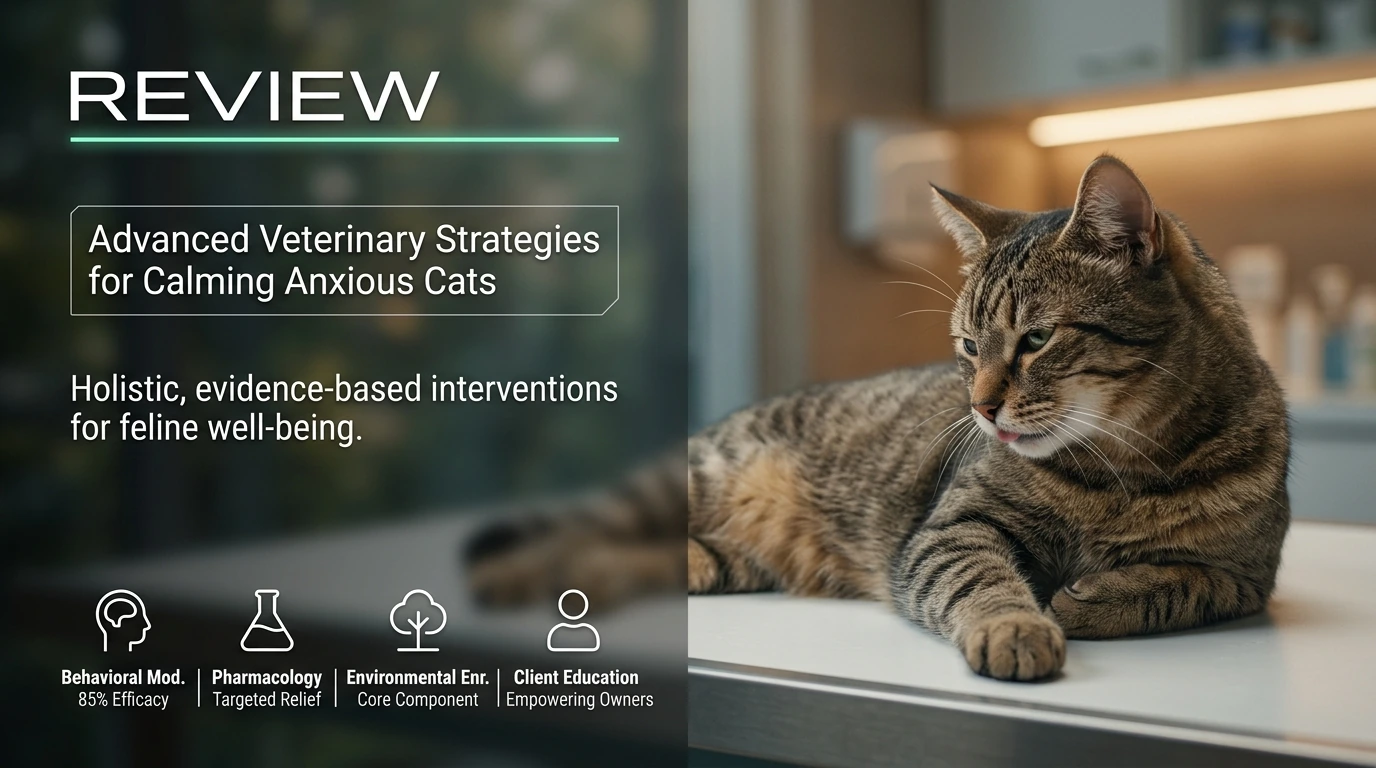
- Multi-modal Approach: Effective anxiety management integrates environmental enrichment, behavioral modification, and targeted pharmacotherapy.
- Individualized Treatment: Protocols are tailored to the cat's specific triggers, history, and physiological responses for optimal results.
- Owner Involvement is Key: Success heavily relies on consistent implementation of vet-prescribed home strategies and observation.
- Proactive vs. Reactive: Early intervention and understanding subtle anxiety cues can prevent escalation of behavioral issues.
Evaluating Modern Feline Anxiety Protocols
These specialized veterinary care strategies represent a holistic framework for identifying, diagnosing, and managing chronic or severe anxiety in cats. At their core, these protocols leverage a combination of behavioral science, environmental modification, and, when necessary, pharmaceutical intervention. The prevailing consensus among veterinary behaviorists emphasizes that no single solution fits all anxious cats; rather, a bespoke plan is developed following a thorough diagnostic assessment. This includes a detailed behavioral history, physical examination to rule out underlying medical conditions, and sometimes diagnostic imaging or blood work.
The strength of these modern protocols lies in their evidence-based foundation, drawing from extensive research in feline ethology and psychopharmacology. They aim not merely to suppress symptoms but to address the root causes of anxiety, fostering a more secure and comfortable existence for the cat.
Core Methodologies and Scientific Underpinnings
The technical architecture of specialized feline anxiety care typically encompasses several integrated components, each supported by established veterinary principles:
- Environmental Enrichment: This foundational element focuses on creating a stimulating and secure home environment. Key aspects include providing vertical space, hiding spots, appropriate litter box setups, dedicated feeding areas, and opportunities for predatory play. Manufacturer specifications for cat trees often highlight stability and washable surfaces, crucial for long-term use in an anxiety management plan.
- Behavioral Modification Techniques: These strategies involve systematic desensitization and counter-conditioning. For instance, gradual exposure to a trigger while associating it with positive reinforcement helps reshape a cat's emotional response. This requires consistent application by the owner, guided by a veterinary behaviorist.
- Pheromone Therapy: Synthetic feline facial pheromones (Feliway Classic, Feliway MultiCat) are widely utilized. These diffusers or sprays mimic natural calming pheromones, influencing a cat's emotional state. Their efficacy is supported by numerous studies demonstrating reduced stress-related behaviors in various settings.
- Nutraceuticals and Supplements: Certain dietary supplements, such as L-theanine, alpha-casozepine, or specific probiotics, are often recommended for their anxiolytic properties. While generally milder than prescription medications, their mechanism of action involves modulating neurotransmitter activity in the brain.
- Pharmacotherapy: For severe or intractable anxiety, prescription medications like selective serotonin reuptake inhibitors (SSRIs), tricyclic antidepressants (TCAs), or anxiolytics may be prescribed. These are used under strict veterinary supervision, with dosages carefully titrated based on the cat's response and potential side effects. The goal is often to reduce anxiety to a level where behavioral modification becomes more effective.
The durability of these strategies is not about a physical product's lifespan, but the sustained commitment required from the owner and the adaptability of the veterinary team. Regular follow-ups and adjustments to the treatment plan are essential for long-term success.
Implementing Treatment: Real-World Effectiveness
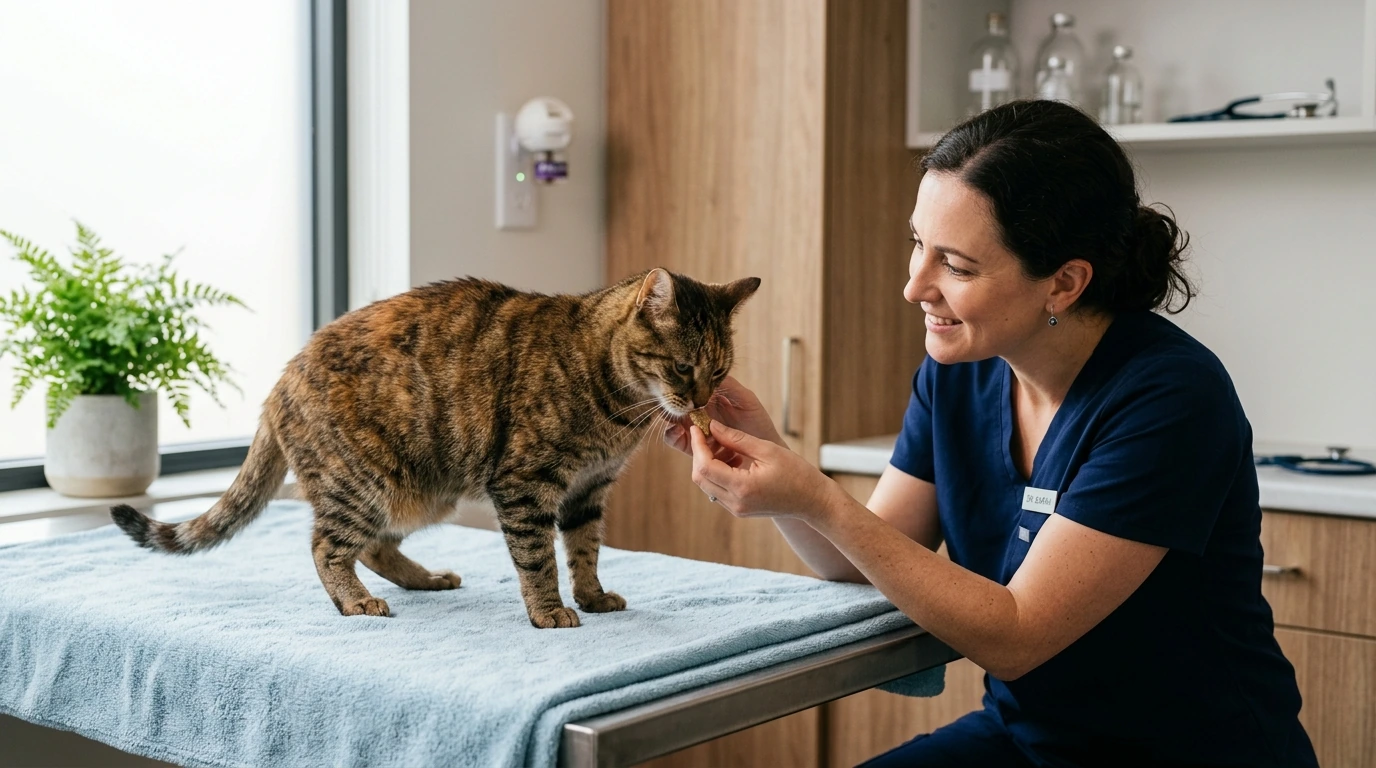
In practical application, the success of specialized veterinary anxiety strategies hinges on meticulous diagnosis and consistent adherence to the treatment plan. Cat owners commonly report a significant reduction in stress-related behaviors, such as inappropriate urination, excessive grooming, aggression, or hiding, once a tailored program is in place. For instance, a cat exhibiting fear-based aggression towards visitors might see improvement through a combination of desensitization exercises, pheromone diffusion, and potentially a short course of anxiolytics to lower baseline stress. The gradual nature of behavioral change means that immediate, dramatic results are rare; sustained effort over weeks to months is typically required.
Usability from the owner's perspective involves integrating new routines and observations into daily life. This could mean dedicating specific times for interactive play, ensuring consistent access to resources, or administering daily medication. Veterinary teams often provide detailed instructions and support, understanding that client compliance is a major determinant of outcome. While some cats respond well to environmental changes alone, others require the full spectrum of interventions, with pharmaceutical support often providing the necessary 'reset' for behavioral therapies to take hold.
PRO TIP: Early Intervention Matters
Subtle signs of anxiety in cats, such as changes in appetite, altered sleep patterns, or increased vigilance, should prompt an early veterinary consultation. Addressing these issues before they escalate into severe behavioral problems can significantly improve treatment outcomes and reduce long-term stress for both cat and owner.
Benefits and Considerations of Specialized Care
A balanced assessment of these strategies reveals clear advantages alongside some practical considerations:
- Pros:
- Targeted Relief: Addresses the specific physiological and psychological components of feline anxiety, often leading to profound improvements in quality of life.
- Holistic Approach: Integrates multiple modalities (behavioral, environmental, pharmacological) for comprehensive management.
- Evidence-Based: Relies on scientific research and established veterinary behavior principles.
- Improved Human-Animal Bond: Resolving anxiety-driven behaviors often strengthens the relationship between cat and owner.
- Cons:
- Time and Resource Intensive: Requires significant commitment from owners in terms of time, consistency, and financial investment.
- Potential Side Effects: Pharmacological interventions carry risks of side effects, necessitating careful monitoring.
- Requires Expert Consultation: Not a DIY solution; mandates guidance from a qualified veterinarian or veterinary behaviorist.
- Variable Response: While generally effective, individual cat responses can vary, and finding the optimal protocol may require adjustments.
Determining Value and When to Seek Expert Help
The value proposition of specialized veterinary care for feline anxiety is substantial for owners facing persistent behavioral challenges. When basic home modifications or over-the-counter calming products have proven insufficient, or when anxiety significantly impacts a cat's welfare or the household's harmony, these expert-led strategies become indispensable. The investment, both in terms of financial cost and personal effort, is justified by the potential for a dramatic improvement in a cat's overall well-being and a reduction in destructive or distressing behaviors.
Who should seek these services? Any cat owner observing chronic signs of stress, fear, or anxiety in their feline companion, particularly if these behaviors are escalating, causing self-harm, or impacting household safety, should consult their veterinarian. This includes behaviors like excessive hiding, inappropriate elimination, aggression towards people or other pets, compulsive grooming leading to skin lesions, or profound fear reactions to normal stimuli. A definitive purchasing verdict, in this context, is not about buying a product, but about investing in professional guidance and a structured treatment plan that can profoundly enhance a cat's life.
Post a Comment for "Advanced Veterinary Strategies for Calming Anxious Cats: An Expert's Insight"