
Mastering Pedigree Identity: Elegant Naming, Microchip Precision, and Insurance Synergy for Your Canine
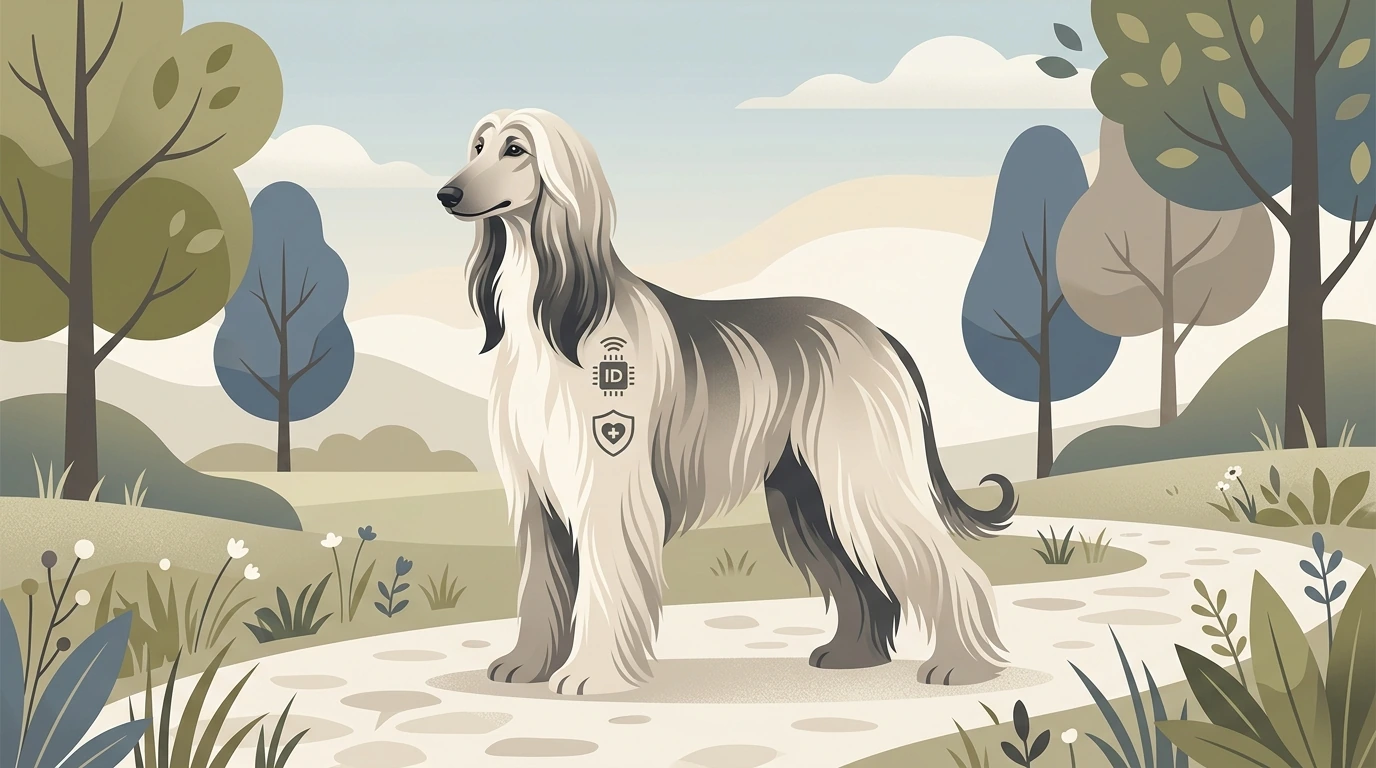
Choosing a name for a pedigree dog extends far beyond personal preference; it establishes a foundational identity that intertwines with official breed registries, microchip databases, and critical pet insurance policies. In 2026, a thoughtfully selected, elegant name is not merely a call sign but a cornerstone of responsible pet ownership, impacting everything from emergency identification to seamless claims processing.
Key Takeaways
- Name with Purpose: Select an elegant name that aligns with your pedigree dog's breed heritage and future identity.
- Consistency is Key: Ensure the chosen name is identical across breed registration, microchip records, and insurance documents.
- Microchip Integration: A consistent name facilitates rapid identification and proof of ownership in critical situations.
- Insurance Advantage: Harmonized records streamline claims processing and verify your pet's identity for coverage.
Crafting a Distinguished Moniker for Your Pedigree Canine
The process of naming a pedigree dog offers an opportunity to reflect its lineage, personality, and your aspirations for its future. A well-chosen name can honor its breed's origin, convey a sense of nobility, and be easily recognized by veterinary staff and insurance providers.
- Research Breed Heritage: Explore names with historical or geographical significance to your dog's breed. For instance, a Scottish Terrier might suit a name like 'Hamish' or 'Fiona,' while a German Shepherd could carry 'Kaiser' or 'Greta' with distinction.
- Consider Sound and Flow: Opt for names that are clear, concise, and easy to pronounce. Names with two syllables and distinct consonants often work well for training and recall, minimizing confusion for both your dog and others.
- Foresee Future Contexts: Imagine your dog's name being called at a dog show, announced at the vet's office, or listed on official documents. Does it sound appropriate and dignified in all these settings? Avoid overly complex or trendy names that might quickly become dated.
Synchronizing Identity: Name and Microchip Registration
A microchip provides an irrefutable link between you and your pedigree dog, offering crucial protection against loss or theft. The name associated with this microchip must precisely match all other official records to ensure this link remains unbroken and actionable.
- Verify Microchip Database Entry: Upon microchipping, confirm that the name entered into the national microchip database (e.g., PetLink, AKC Reunite, AVID) is exactly as you intend it to be. Any discrepancies, even minor spelling variations, can cause delays in reunification.
- Update Ownership Details Promptly: If ownership changes, or if you decide to use a different primary name for your dog, update the microchip registration immediately. This ensures the most current and accurate information is always available to authorities.
- Understand Primary vs. Show Names: Many pedigree dogs have a formal 'registered name' for show purposes and a shorter 'call name' for daily use. Ensure the primary name registered with the microchip and insurance aligns with the name used for official documentation, typically the registered name or a clearly designated primary call name.
PRO INSIGHT: Microchip Consistency
A 2024 report by the American Veterinary Medical Association (AVMA) highlighted that inconsistent pet identification data across microchip registries and veterinary records is a leading cause of delayed reunification. Ensuring your dog's registered name is uniform across all platforms is a simple yet powerful step in safeguarding their identity and your peace of mind.
Maximizing Insurance Benefits Through Unified Records
Pet insurance offers a vital financial safety net for unexpected veterinary costs. The efficacy of your policy, particularly during a claim, is significantly bolstered by consistent identification details, including your dog's name.
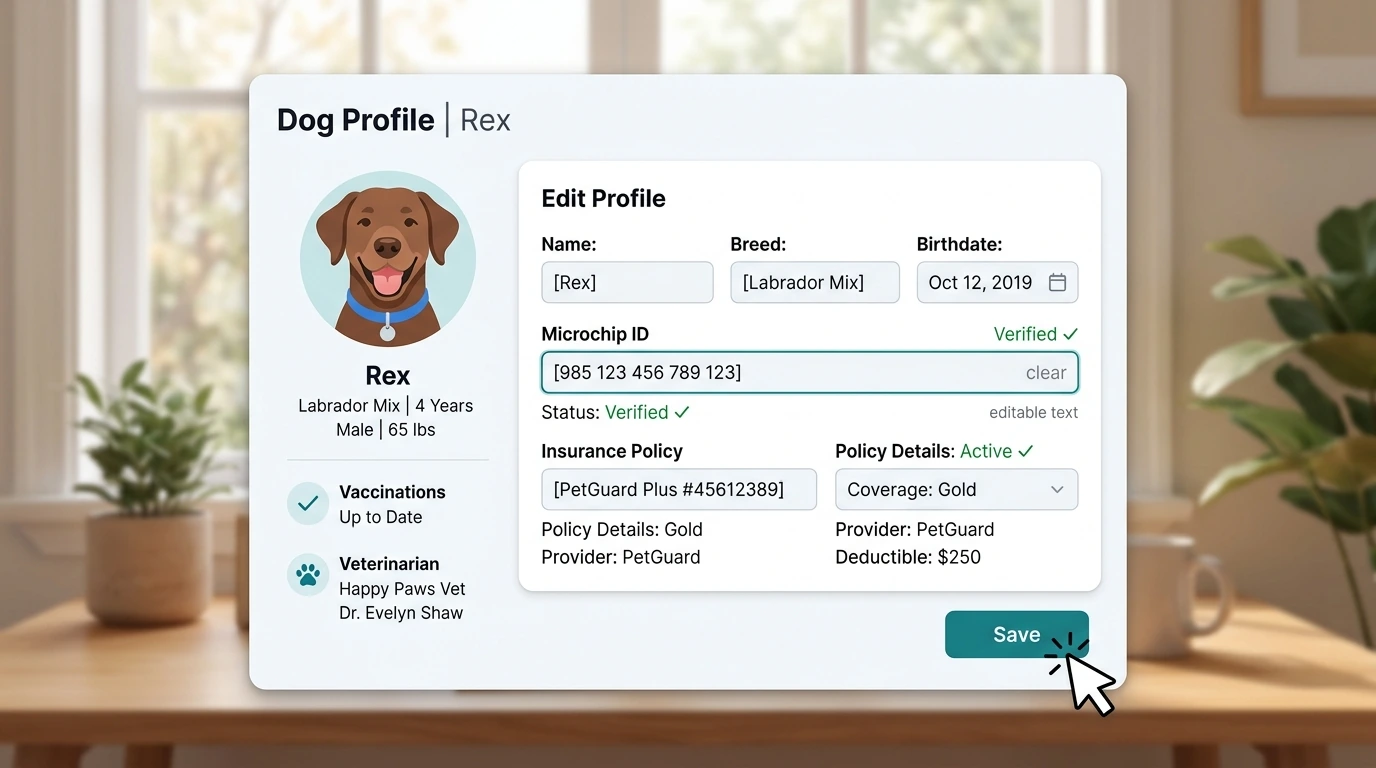
Insurance providers rely on verifiable information to process claims efficiently. A mismatch between the name on your policy, the microchip database, or veterinary records can trigger administrative delays or requests for further verification, prolonging the reimbursement process.
Impact of Naming Consistency on Insurance Claims
| Scenario | Claim Processing Speed | Verification Effort | Potential Outcome |
|---|---|---|---|
| Consistent Name (Policy, Microchip, Vet) | Rapid (Typical processing times apply) | Minimal (Automated checks) | Smooth claim approval, timely reimbursement |
| Minor Discrepancy (e.g., 'Max' vs. 'Maximilian') | Moderate (Requires manual review) | Moderate (Proof of identity requested) | Potential delays, additional documentation needed |
| Major Discrepancy (e.g., 'Bella' vs. 'Duchess') | Slow (Significant investigation) | High (Extensive documentation, possibly vet contact) | Significant delays, risk of claim denial until verified |
Sustaining Your Pedigree's Lifelong Identity
Maintaining a consistent and accurate identity for your pedigree dog is an ongoing responsibility. Proactive management of records ensures that your dog's unique identity is always verifiable and up-to-date.
- Annual Record Review: Make it a habit to review your dog's microchip registration, breed registry details, and insurance policy annually. Confirm that all names, contact information, and medical history are current.
- Communicate with Your Vet: Ensure your veterinary clinic uses the exact name registered on your microchip and insurance policy. This prevents discrepancies from arising in medical records, which are often cross-referenced during insurance claims.
- Prepare for Life Changes: If you move, change phone numbers, or even consider a formal 'show name' that differs significantly from a 'call name,' update all relevant databases immediately. This diligence prevents future complications.
Rapid Efficiency Recap
An elegant name for your pedigree dog is more than a label; it's a critical identifier. Ensuring this name is consistently registered across microchip databases and pet insurance policies is paramount. This synchronization simplifies emergency identification, streamlines administrative processes, and facilitates quicker insurance claims, ultimately enhancing your dog's safety and your peace of mind.
Ragdoll Cat Breed Review: Navigating Health, Prescription Nutrition, and Veterinary Insurance →
Frequently Asked Questions About Pedigree Naming and Registration
Q: Can I use a different call name than my dog's registered pedigree name?
A: Yes, you can use a different call name for daily interaction. However, for all official documents, microchip registration, and insurance policies, it is strongly advised to use the exact registered pedigree name or a clearly designated primary name to avoid confusion and administrative hurdles.
Q: What happens if my dog's name is misspelled on its microchip registration?
A: A misspelled name can cause significant delays in reunification if your dog goes missing, as it may not match other records. Contact your microchip registry provider immediately to correct any errors and ensure consistency with all other documentation.
Q: How does a consistent name affect my pet insurance claims?
A: Consistency in your dog's name across your insurance policy, microchip records, and veterinary files significantly expedites claim processing. Discrepancies can lead to requests for additional verification, delaying reimbursement for covered treatments.



Post a Comment for "Mastering Pedigree Identity: Elegant Naming, Microchip Precision, and Insurance Synergy for Your Canine"