
High-Protein Cat Food Showdown: Blue Buffalo Wilderness vs. Wellness CORE Examined
Navigating the High-Protein Cat Food Landscape
Selecting the optimal high-protein food for your cat can feel like a complex task, particularly when reputable brands like Blue Buffalo Wilderness and Wellness CORE present compelling options. Both brands have established themselves as leaders in the premium pet food segment, offering formulations designed to meet the ancestral dietary needs of felines. This analysis aims to dissect their high-protein offerings, providing clarity for pet parents seeking to make an informed choice for their companion's health and vitality.
Essential Considerations for Evaluating Feline Diets
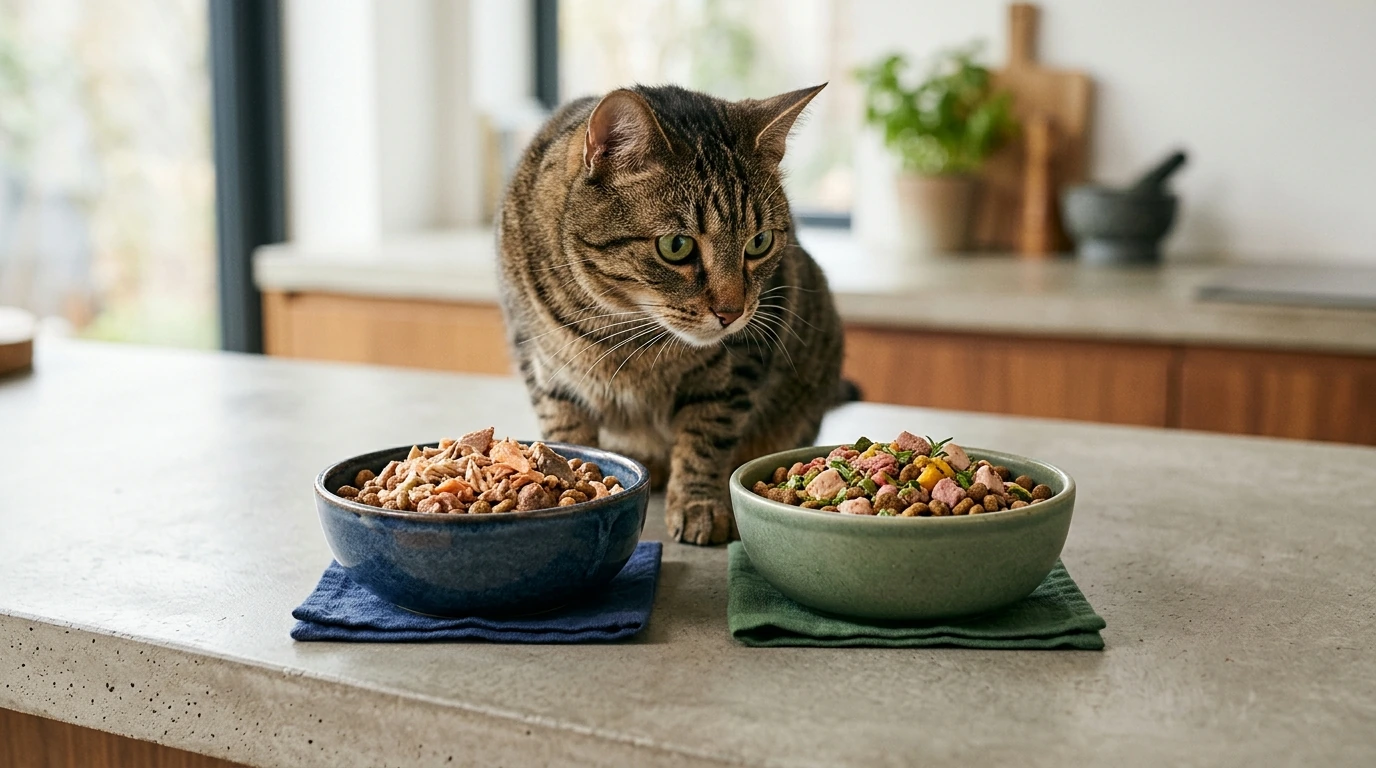
Before diving into specific product comparisons, understanding the fundamental nutritional requirements of cats is paramount. Felines are obligate carnivores, meaning their diet must primarily consist of animal-sourced proteins. Key prerequisites for evaluating any cat food include:
- Understanding Feline Nutritional Needs: Cats require high levels of animal protein, moderate fat, and minimal carbohydrates. Essential nutrients like taurine, arginine, and arachidonic acid must be derived from animal sources.
- Label Literacy: Familiarity with reading pet food labels, including the ingredient list (which is ordered by weight) and the guaranteed analysis, is crucial. Look for whole meat sources as the first few ingredients.
- Consulting Your Veterinarian: Always discuss significant dietary changes with a veterinary professional, especially if your cat has pre-existing health conditions or sensitivities.
A Closer Look at Blue Buffalo Wilderness
Blue Buffalo Wilderness positions its high-protein line as a 'True Blue' ancestral diet, emphasizing real meat, grain-free formulas, and their proprietary LifeSource Bits. The brand typically prioritizes deboned chicken, salmon, or duck as primary protein sources.
Key Characteristics:
- Protein Sources: Frequently features deboned chicken, chicken meal, or salmon meal.
- Grain-Free Focus: Formulations are typically free from grains like corn, wheat, and soy, often using peas or potatoes as carbohydrate alternatives.
- LifeSource Bits: Contains a blend of antioxidants, vitamins, and minerals formulated by veterinarians and animal nutritionists.
- Ingredient Sourcing: Blue Buffalo states a preference for ingredients from North America and Europe, with a focus on quality control.
An Examination of Wellness CORE
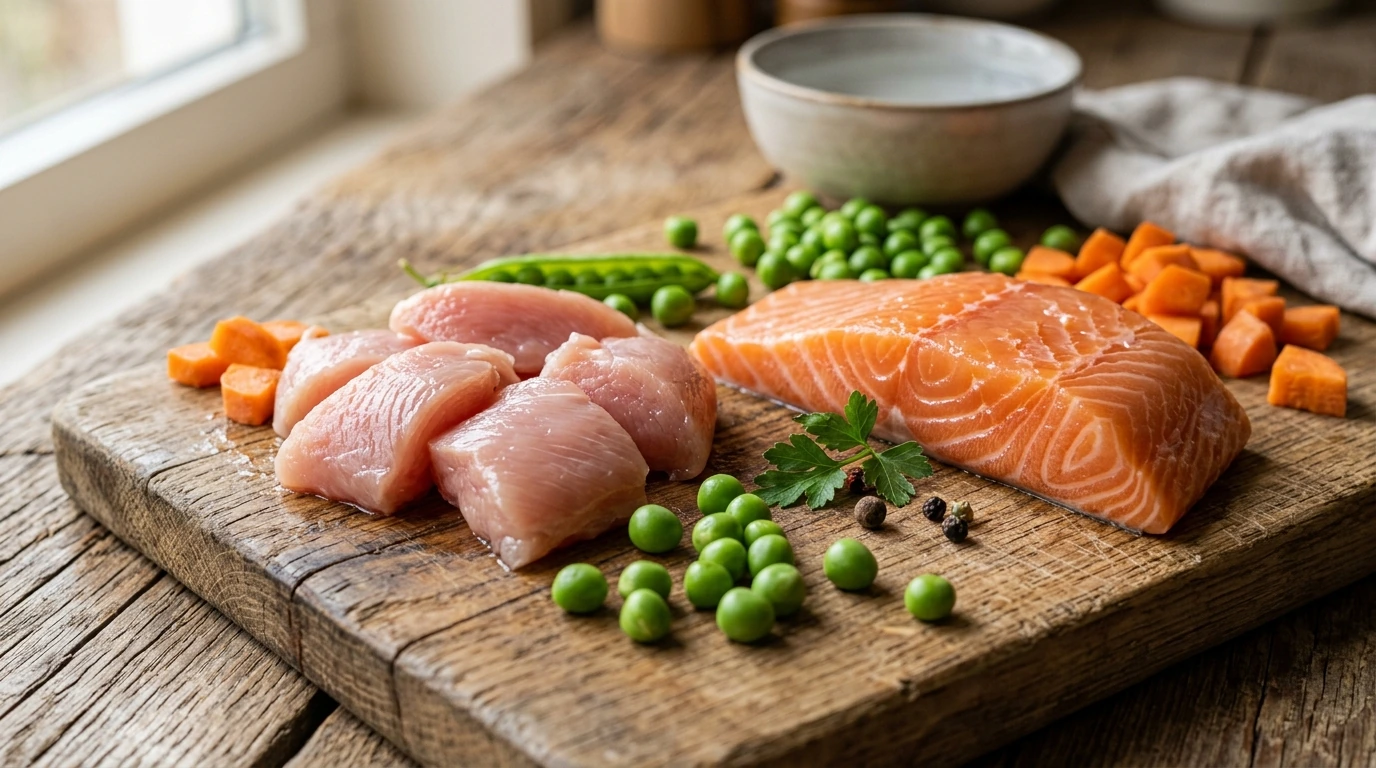
Wellness CORE offers a range of grain-free, protein-rich diets designed to support a cat's overall well-being. Their philosophy centers on nutrient-dense ingredients without fillers or artificial additives, aiming for a biologically appropriate diet.
Key Characteristics:
- Protein Sources: Often highlights deboned turkey, chicken, or whitefish as leading ingredients, supported by turkey meal and chicken meal.
- Grain-Free & Natural: Committed to grain-free recipes, avoiding corn, wheat, and soy, and excluding artificial colors, flavors, or preservatives.
- Probiotics & Omega Fatty Acids: Many CORE formulas include probiotics for digestive health and omega fatty acids for skin and coat health.
- Ingredient Sourcing: Wellness emphasizes sourcing high-quality, natural ingredients from trusted global partners, with rigorous testing protocols.
Comparative Nutritional Profile: Blue Buffalo Wilderness vs. Wellness CORE
While specific formulations vary, a general comparison of their high-protein dry cat food lines reveals distinct but often comparable nutritional profiles. The figures presented below are typical reported values and manufacturer specifications for their respective high-protein dry cat food ranges.
| Nutrient/Feature | Blue Buffalo Wilderness (Typical High-Protein Dry) | Wellness CORE (Typical High-Protein Dry) |
|---|---|---|
| Crude Protein (Min) | 38-40% | 40-45% |
| Crude Fat (Min) | 16-18% | 18-20% |
| Crude Fiber (Max) | 4-5% | 3-4% |
| Moisture (Max) | 9% | 10% |
| Primary Protein Sources | Deboned Chicken/Salmon/Duck, Meals | Deboned Turkey/Chicken/Whitefish, Meals |
| Grain-Free | Yes | Yes |
| LifeSource Bits | Present | Not present (focus on whole ingredients) |
| Probiotics/Omegas | Added Omegas | Added Probiotics & Omegas |
| Calorie Content (kcal/cup) | ~400-420 | ~430-450 |

Common Pitfalls and Critical Mistakes to Avoid
When transitioning to or selecting a high-protein cat food, several errors can hinder your cat's health or lead to digestive upset:
- Abrupt Dietary Changes: Introducing new food too quickly can cause gastrointestinal distress. Always transition gradually over 7-10 days, mixing increasing amounts of the new food with decreasing amounts of the old.
- Ignoring Individual Cat Needs: While high-protein is generally beneficial, individual cats may have sensitivities, allergies, or specific health conditions (e.g., kidney issues) that necessitate a different dietary approach. Always consult a vet.
- Overfeeding: High-protein foods are often calorie-dense. Adhere strictly to feeding guidelines based on your cat's ideal weight and activity level to prevent obesity.
- Focusing Solely on Protein Percentage: The source and digestibility of protein are as important as the quantity. Look for named meat sources (e.g., 'deboned chicken' vs. 'meat by-products').
- Neglecting Hydration: If feeding dry kibble, ensure your cat has constant access to fresh water. Many cats benefit from incorporating wet food into their diet for increased moisture intake.
Securing Your Protector: Classic Guard Dog Names and Essential Pet Insurance Considerations for 2026 →
Post-Transition Health Monitoring
After implementing a new high-protein diet, diligent observation of your cat's response is essential to confirm its suitability. A successful transition should manifest in several positive indicators:
- Energy Levels: Observe consistent or improved energy and activity.
- Coat Condition: Look for a shiny, soft, and healthy coat, free from excessive shedding or dryness.
- Stool Quality: Stools should be firm, well-formed, and consistent, indicating good digestion. Any diarrhea, constipation, or unusual changes warrant veterinary consultation.
- Appetite & Weight: Ensure your cat maintains a healthy appetite and stable weight. Significant changes could indicate an issue.
- Overall Demeanor: A happy, engaged cat is often a sign of good health and a suitable diet.
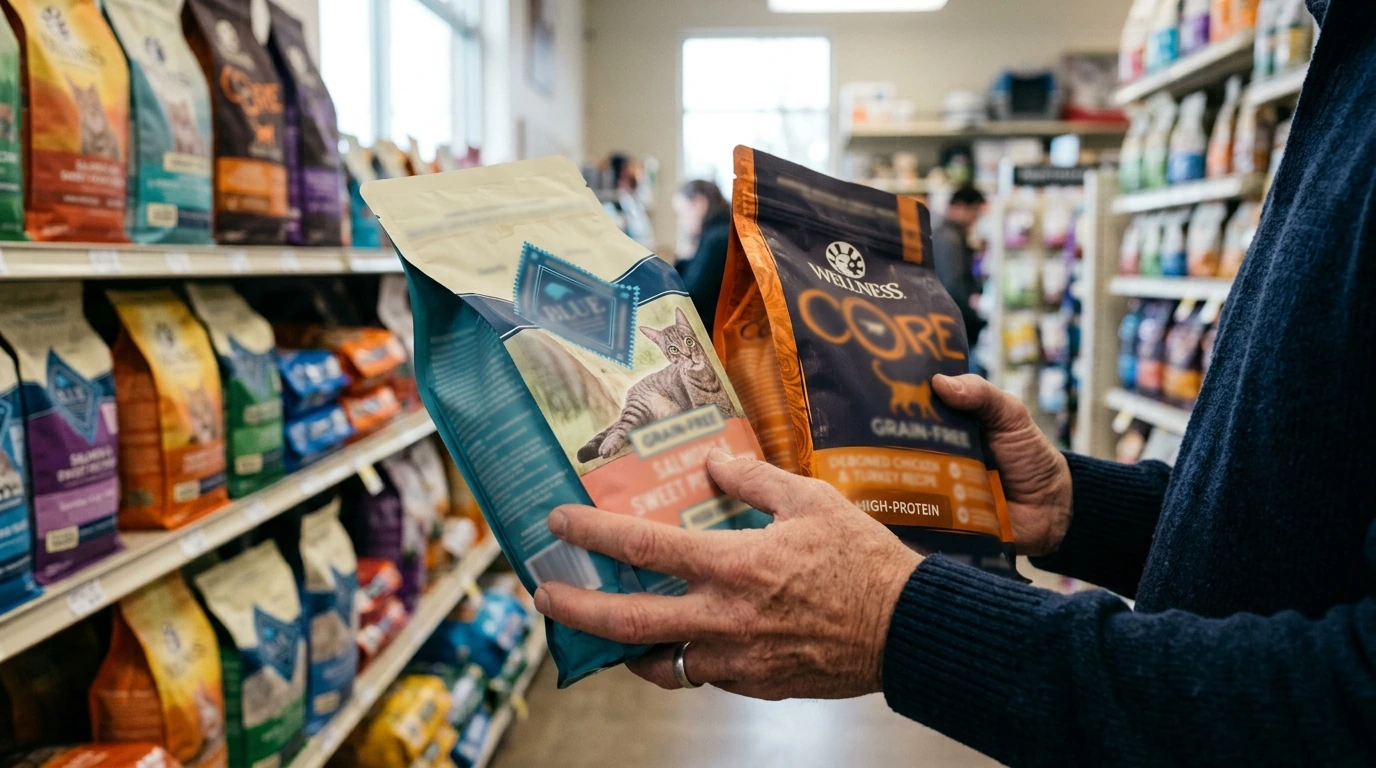
Both Blue Buffalo Wilderness and Wellness CORE offer high-quality, high-protein dry cat food options that align with feline carnivorous needs. The choice between them often comes down to specific ingredient preferences, a cat's individual palatability, and minor differences in their proprietary blends or nutrient fortifications. Consulting your veterinarian remains the most reliable step to tailor any dietary decision to your cat’s unique health profile.



Post a Comment for "High-Protein Cat Food Showdown: Blue Buffalo Wilderness vs. Wellness CORE Examined"