
Navigating Veterinary Costs for Rare Feline Conditions: Insurance and Management Strategies
Caring for a rare feline breed or a cat with an uncommon genetic condition presents unique joys and, often, significant financial considerations. The specialized diagnostic tests, advanced treatments, and ongoing management required for these unique companions can quickly accumulate, making proactive cost management essential for responsible pet ownership.
Understanding the landscape of veterinary expenses for conditions that fall outside the typical scope of common ailments is the first step. This guide delves into the strategies and solutions available to help cat owners navigate the complexities of rare feline veterinary care without compromising on quality.
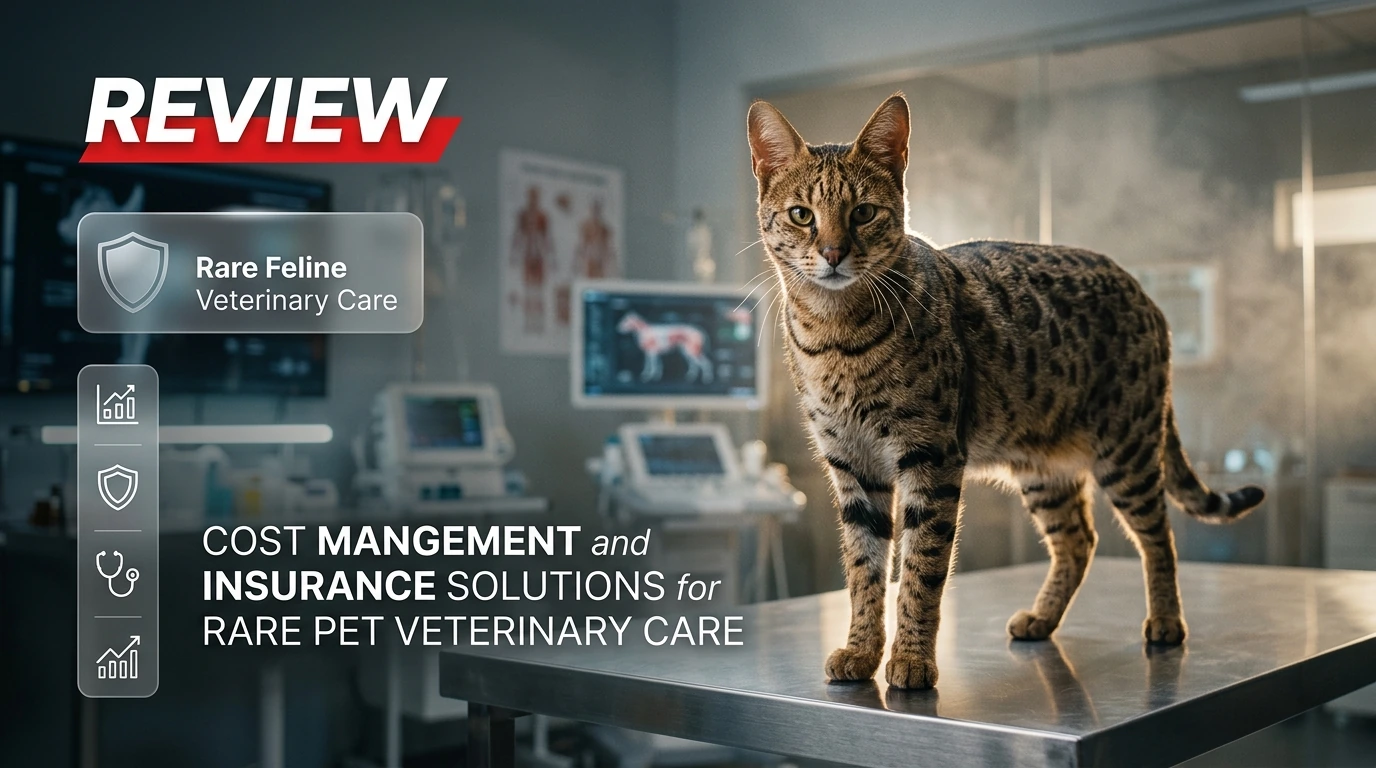
Quick Verdict: Essential Planning for Unique Feline Needs
For owners of rare feline breeds or cats diagnosed with uncommon health issues, comprehensive financial planning is not merely advisable but critical. Standard pet insurance policies may not always cover the full spectrum of specialized care, necessitating a deeper dive into tailored solutions. The market offers a range of options, from high-tier comprehensive plans to dedicated savings accounts and medical credit lines, each with distinct advantages and limitations. Success hinges on early preparation and a clear understanding of your cat's potential health trajectory and the associated costs.
The Intricacies of Uncommon Feline Health Expenses
The financial demands of treating rare feline conditions stem from several factors inherent to their specialized nature. Diagnosing conditions like feline mucopolysaccharidosis, specific cardiomyopathies in certain breeds, or complex neurological disorders often requires advanced imaging (MRI, CT scans), genetic testing, and consultations with board-certified specialists. These initial diagnostic steps alone can represent a substantial outlay.
Subsequent treatment may involve:
- Specialized Medications: Often compounded or off-label, these can be costly and require specific dispensing.
- Advanced Surgical Procedures: Complex operations performed by veterinary surgeons with specific expertise.
- Long-Term Therapies: Including rehabilitation, physical therapy, or ongoing palliative care.
- Frequent Monitoring: Regular specialist visits, blood work, or imaging to track disease progression.
The sheer scarcity of certain conditions also means fewer standardized treatment protocols, potentially leading to more experimental or individualized approaches that incur higher costs.
Navigating Insurance Solutions for Unique Cat Ailments
How do various insurance models perform when confronted with the unique demands of rare feline care? Most comprehensive pet insurance policies are designed to cover accidents, illnesses, and sometimes wellness. However, for rare conditions, the devil is in the details of the policy's terms and conditions.
- Coverage Limits: Many plans have annual or per-condition limits. For chronic or very expensive rare conditions, these limits can be quickly exhausted.
- Deductibles and Reimbursement Rates: Higher deductibles mean more out-of-pocket expenses before coverage kicks in. Reimbursement rates (e.g., 70%, 80%, 90%) dictate the percentage of the covered bill you receive back.
- Pre-existing Conditions: This is a critical area. If a rare condition is diagnosed before policy inception or during a waiting period, it will almost certainly be excluded from coverage.
- Specialist Care: Ensure the policy explicitly covers specialist consultations, diagnostics, and treatments, as these are fundamental to rare disease management.
Some providers offer higher-tier plans with unlimited annual benefits, which can be invaluable for rare, chronic, or catastrophic conditions. Researching providers known for flexibility with complex cases is often advised by veterinary professionals.

Pros and Cons of Specialized Feline Health Coverage
Deciding on the right financial strategy for a rare cat's health involves weighing the benefits against potential drawbacks.
Advantages:
- Financial Security: Provides a safety net against unforeseen, high veterinary bills for complex conditions.
- Access to Best Care: Allows owners to pursue specialized diagnostics and treatments without immediate financial constraint.
- Peace of Mind: Reduces the emotional burden of making treatment decisions based solely on cost.
- Budgeting Predictability: Monthly premiums can be easier to budget for than sudden, large expenses.
Limitations:
- Cost of Premiums: Comprehensive plans with high limits can have substantial monthly premiums, especially for older cats or those with known predispositions.
- Exclusions: Pre-existing conditions remain a significant hurdle, as do breed-specific exclusions in some policies.
- Waiting Periods: There's always a waiting period before coverage begins, meaning immediate needs may not be covered.
- Reimbursement Process: Owners typically pay upfront and then submit claims for reimbursement, which can take time.
PRO TIP: For rare feline conditions, consider a policy with high or unlimited annual limits, and always review the specific terms regarding genetic conditions and specialist care. Early enrollment, ideally when your cat is a kitten, can mitigate issues with pre-existing condition exclusions.
Value Analysis: Is Specialized Insurance for Your Rare Feline?
The value of specialized insurance or a robust financial strategy for rare feline veterinary care is undeniable for those who own breeds prone to unique genetic conditions or individuals facing an unexpected diagnosis. For a cat owner with a rare breed, such as a Sphynx susceptible to HCM (Hypertrophic Cardiomyopathy) or a Bengal with a predisposition to PRA (Progressive Retinal Atrophy), proactive insurance is a sound investment in safeguarding their pet's health and your financial stability.
Who Should Buy:
- Owners of rare or purebred cats known for specific genetic health predispositions.
- Individuals who prioritize access to the most advanced veterinary care regardless of cost.
- Those seeking to mitigate the risk of catastrophic veterinary bills for complex or chronic conditions.
- Anyone who wishes to avoid making difficult treatment decisions based on financial limitations.
Conversely, if your cat is an older rescue with multiple pre-existing conditions, or if you have substantial liquid savings specifically earmarked for veterinary emergencies, a different strategy (like a dedicated high-yield savings account or a medical credit line) might offer comparable security without the recurring premium cost. Ultimately, the decision hinges on your individual financial comfort, risk tolerance, and the specific health profile of your cherished feline companion.
Post a Comment for "Navigating Veterinary Costs for Rare Feline Conditions: Insurance and Management Strategies"