
Integrating a Guard Dog Safely: Certified Training and Essential Insurance Protocols
Integrating a guard dog into a home or property offers a unique layer of security, yet this decision carries significant responsibilities. A powerful breed, even one with a naturally protective instinct, requires meticulous training and management to ensure it operates effectively and safely within its designated role, without posing undue risk to family, visitors, or the public. The cornerstone of responsible guard dog ownership lies in professional training and robust risk mitigation strategies.
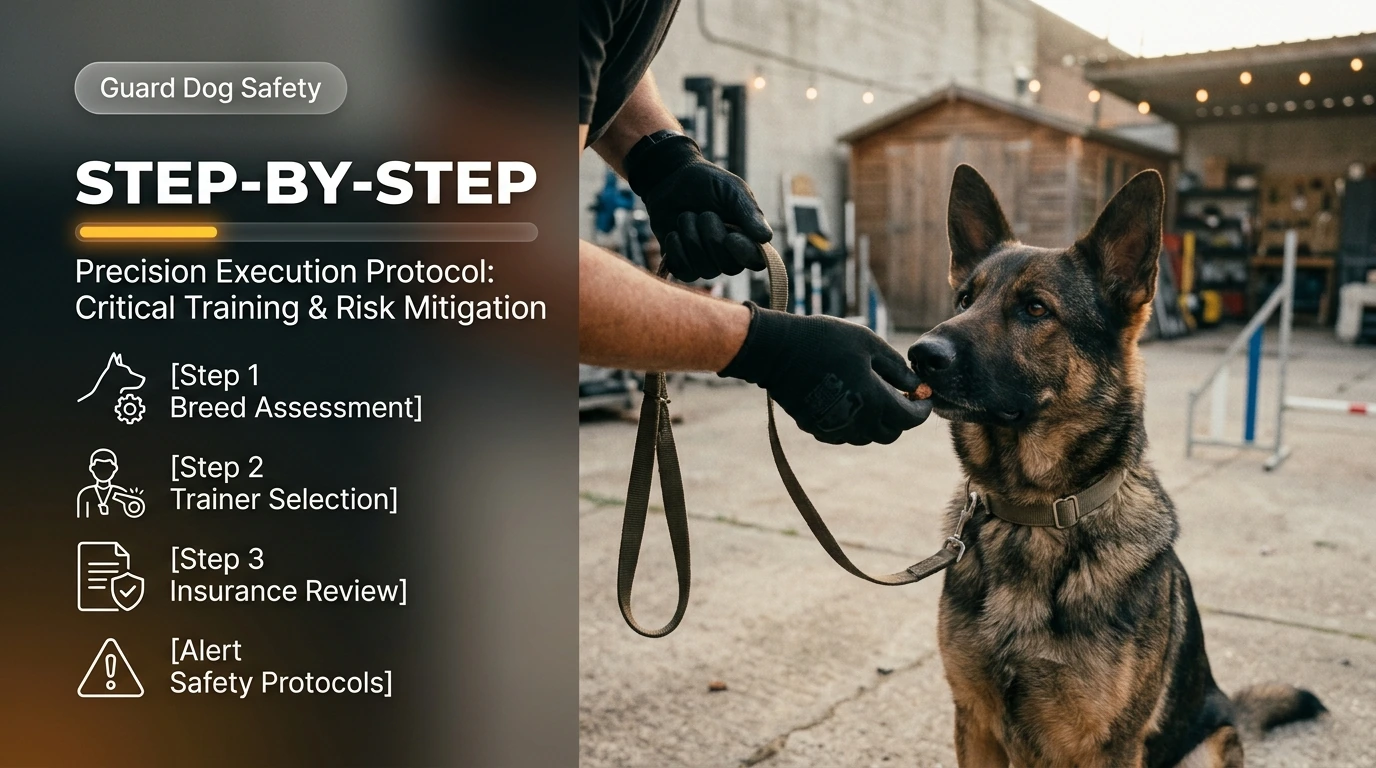
Key Takeaways
- Prioritize professional, certified training for effective guard dog management.
- Implement stringent safety protocols to prevent unintended incidents.
- Secure comprehensive liability insurance tailored for guard dog ownership.
- Consistent reinforcement and ongoing education are crucial for long-term success.
Laying the Groundwork: Assessing Temperament and Environment
Before committing to a guard dog, a thorough understanding of the breed's typical characteristics and the individual dog's temperament is paramount. Breeds commonly selected for guarding roles, such as German Shepherds, Rottweilers, or Doberman Pinschers, possess inherent protective drives and physical capabilities. However, each dog is an individual, and its suitability for a guard role, particularly in a family setting, depends heavily on its specific disposition and socialization history.
Essential Prerequisites:
- Secure Containment: A property must feature robust, escape-proof fencing and secure entry points. Guard dogs require a clearly defined and impenetrable territory.
- Family Understanding: All household members must be educated on the dog's training, commands, and the specific protocols for interacting with the dog and visitors.
- Time Commitment: Guard dogs, especially during their formative years, demand significant time for training, socialization, exercise, and mental stimulation.
- Appropriate Equipment: High-quality, durable leashes, secure muzzles (for training and specific public situations), sturdy crates or kennels, and positive reinforcement tools like training treats are indispensable.
Engaging a Certified Professional Trainer
The expertise of a certified professional dog trainer is non-negotiable for integrating a guard dog safely and effectively. These specialists possess the knowledge to channel a dog's natural protective instincts into controlled, appropriate behaviors, rather than allowing them to manifest as aggression or fear-based reactivity.
Steps for Trainer Selection:
- Verify Certification: Seek trainers with recognized certifications such as Certified Professional Dog Trainer - Knowledge Assessed (CPDT-KA), Karen Pryor Academy Certified Training Partner (KPA CTP), or similar credentials from reputable organizations. These certifications indicate a foundational understanding of canine behavior and modern, humane training methodologies.
- Inquire About Experience: Specifically ask about their experience with guard breeds and protection training. A trainer specializing in general obedience may not possess the nuanced skills required for a working guard dog.
- Observe Training Sessions: Request to observe a session with another client or the trainer's own dogs. This allows for direct assessment of their methods and interaction style.
- Discuss Training Philosophy: Ensure the trainer employs positive reinforcement and force-free techniques. Aversive methods can damage a dog's temperament, erode trust, and potentially exacerbate behavioral issues.
- Establish Clear Goals: Work with the trainer to define specific, measurable training objectives, covering obedience, boundary training, threat assessment, and de-escalation.
Implementing a Robust Training Protocol
Effective guard dog training is a continuous process built on consistency and clear communication. It extends far beyond basic obedience to encompass sophisticated command recognition and environmental awareness.
- Early Socialization: From puppyhood, controlled exposure to various people, environments, sounds, and other animals is critical. This builds confidence and helps the dog differentiate between normal stimuli and actual threats.
- Foundational Obedience: Master commands such as "sit," "stay," "come" (recall), "leave it," and "down." These are the building blocks for more advanced protection work and crucial for maintaining control in any situation.
- Boundary Training: Teach the dog the precise limits of its territory. This might involve physical boundaries (fences) and invisible ones, where the dog learns to patrol or alert within a designated area.
- Controlled Alert Training: Under professional guidance, the dog learns to bark and display protective behavior only when a specific threat is identified, and to cease upon command. This is distinct from uncontrolled aggression.
- De-escalation and Stand Down: A critical aspect is teaching the dog to disengage and return to a calm state on command. A guard dog must be controllable in all circumstances.
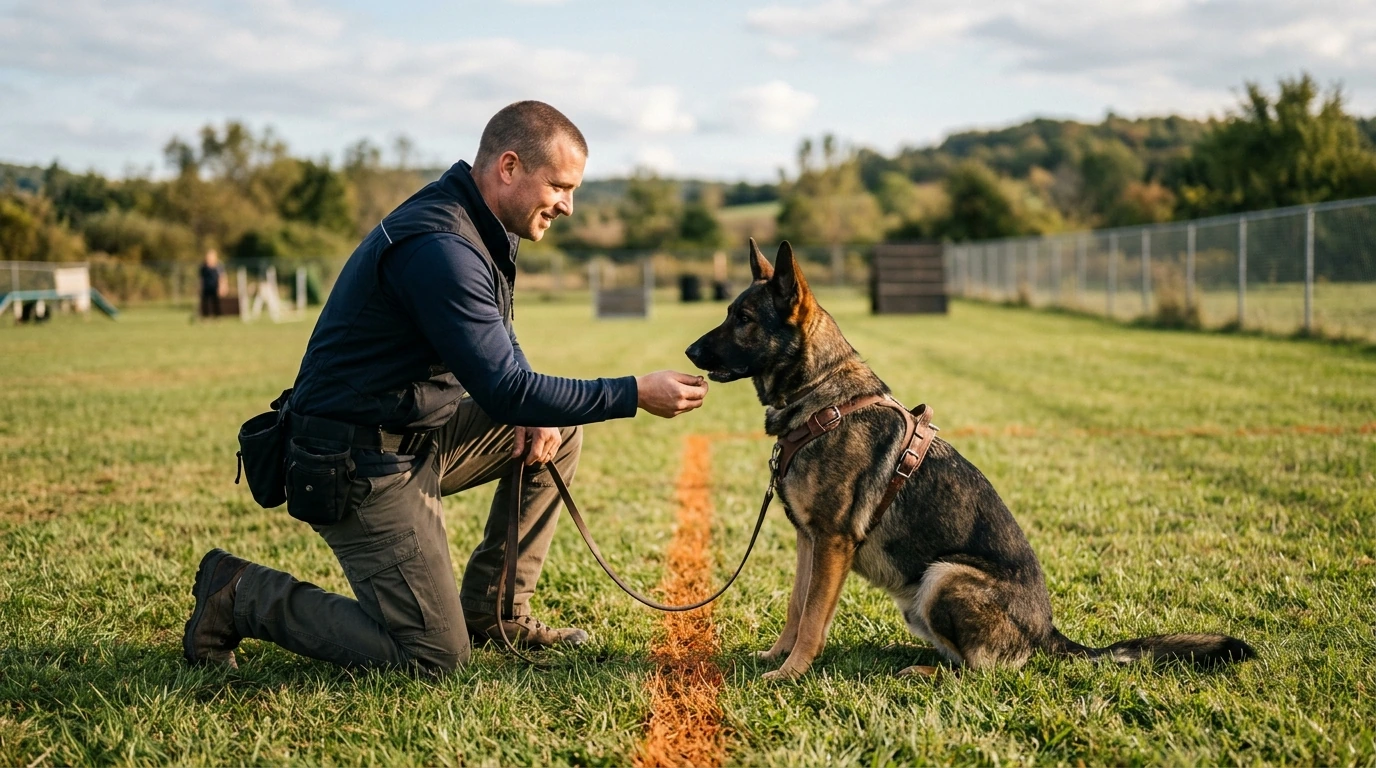
PRO TIP: Consistency is Key
For any guard dog training to be effective, every handler must apply commands and reinforcement consistently. Inconsistent messaging from different individuals can confuse the dog and undermine its training, potentially leading to unreliable behavior.
Navigating Insurance and Liability Considerations
Even with the most rigorous training, the potential for incidents involving a powerful dog exists. Comprehensive liability insurance is not merely advisable; it is a fundamental component of responsible guard dog ownership. Many standard homeowner's insurance policies may have limitations or exclusions regarding certain dog breeds or incidents.
Critical Insurance Protocols:
- Review Existing Policies: Scrutinize your current homeowner's or renter's insurance for specific clauses related to dog bites, breed restrictions, or liability limits concerning animal-related incidents.
- Seek Specialized Coverage: If your current policy is insufficient, explore specialized animal liability insurance providers. These policies are designed to cover the unique risks associated with dog ownership, including higher liability limits.
- Understand Breed Restrictions: Be aware that many insurers maintain lists of "restricted breeds" (often including common guard dog breeds) that may either be excluded from coverage or require higher premiums. Transparency with your insurer about your dog's breed and training is crucial.
- Consider Umbrella Policies: For an additional layer of protection, an umbrella liability policy can provide coverage above the limits of your primary homeowner's or animal liability policy.
Common Pitfalls to Avoid:
- Underestimating Liability: Assuming your standard policy covers everything can lead to significant financial exposure in the event of an incident.
- Concealing Breed Information: Deliberately misrepresenting your dog's breed to an insurer can void your policy when a claim arises.
- Neglecting Policy Updates: Insurance needs can change. Review your policy annually and update it to reflect any changes in your dog's status or local regulations.
Navigating Specialized Care: A 2026 Guide to Health Insurance for Rare Canine Breeds →
Sustaining Safety: Ongoing Management and Verification
The journey with a guard dog is continuous. Maintaining safety and the dog's proficiency requires ongoing effort and vigilance.
Post-Implementation Verification Checklist:
- Regular Refresher Training: Schedule periodic training sessions with your certified trainer to reinforce commands, address any emerging behavioral issues, and adapt to new situations.
- Environmental Security Checks: Routinely inspect fences, gates, and other containment measures for weaknesses or damage. A secure environment is a primary defense against unintended encounters.
- Public Interaction Protocols: When in public, always keep your guard dog leashed and, if necessary, muzzled, especially in crowded areas. Be proactive in managing interactions to prevent misunderstandings.
- Behavioral Monitoring: Pay close attention to any changes in your dog's temperament, health, or reactions. Behavioral shifts can indicate underlying issues that require professional intervention.
- Legal and Local Compliance: Stay informed about local ordinances regarding dog ownership, licensing, and specific breed regulations. Compliance is mandatory for responsible ownership.
By adhering to these rigorous training protocols and comprehensive risk management strategies, owners can confidently integrate a guard dog into their lives, leveraging its protective capabilities while upholding the highest standards of safety and responsibility.
Post a Comment for "Integrating a Guard Dog Safely: Certified Training and Essential Insurance Protocols"