
Advanced Veterinary Protocols for High-Anxiety Dogs: An Expert Review
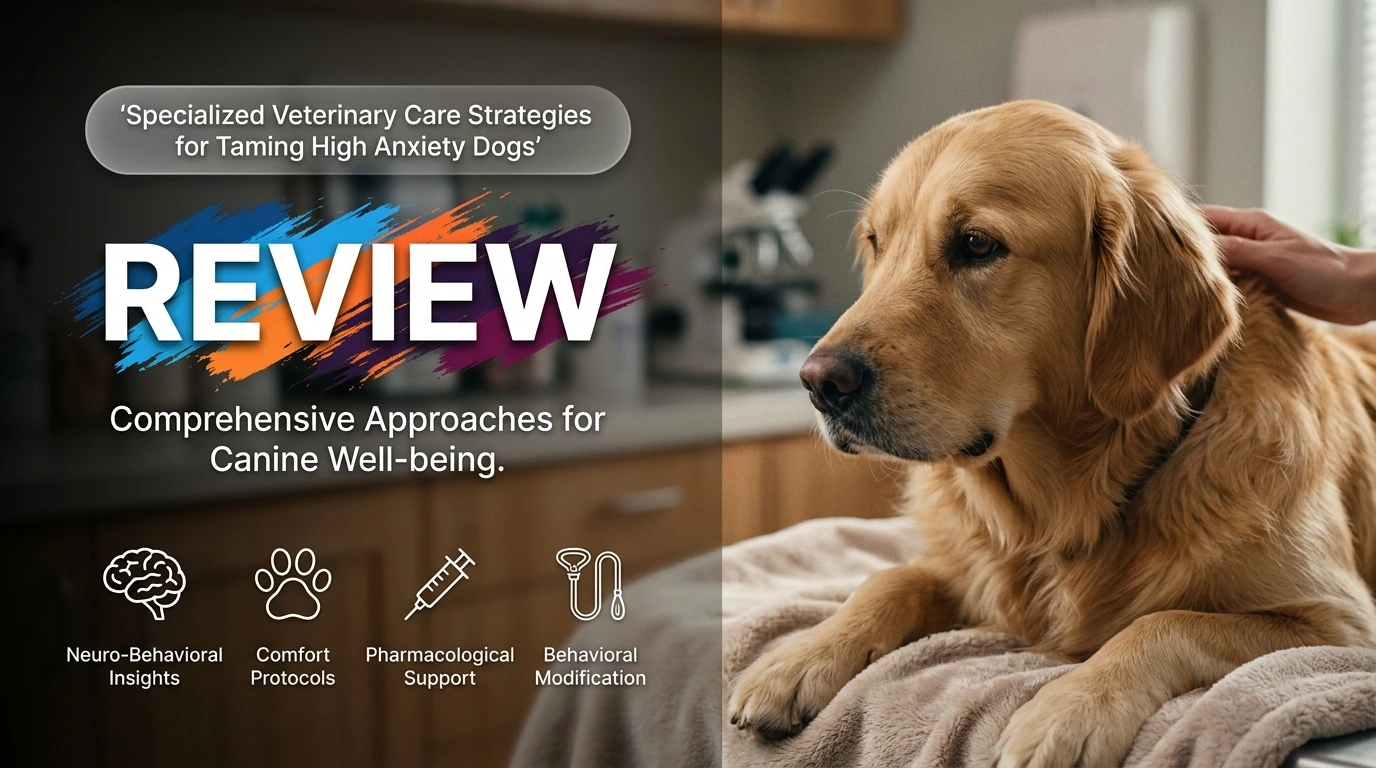
When a beloved canine companion exhibits persistent, high-level anxiety, the impact on both the dog and its human family can be profound. Specialized veterinary care strategies for high-anxiety dogs represent a comprehensive, multi-modal approach designed to manage these complex behavioral issues. These protocols integrate advanced diagnostics, evidence-based pharmacological interventions, and tailored behavioral modification techniques, aiming to significantly improve a dog's quality of life and reduce stress-related behaviors by addressing underlying causes rather than merely symptomatic treatment.
Key Takeaways:
- Holistic Assessment: Emphasizes thorough diagnostic evaluation, including medical history and behavioral analysis, to identify specific anxiety triggers and underlying health conditions.
- Integrated Therapies: Combines pharmacological support, environmental modifications, and structured behavioral training for a comprehensive treatment plan.
- Evidence-Based Protocols: Relies on established veterinary guidelines and research for selecting appropriate medications and behavioral techniques.
- Owner Commitment: Success hinges on consistent owner participation in implementing behavioral modifications and medication schedules as directed by veterinary specialists.
Unpacking Canine Anxiety: A Modern Veterinary View
Understanding the intricate nature of canine anxiety is the cornerstone of effective intervention. Veterinary specialists approach this condition not as a simple behavioral quirk, but as a complex interplay of genetics, early life experiences, environmental factors, and neurochemical imbalances. These specialized strategies recognize that anxiety can manifest in various forms, from separation distress and noise phobias to generalized anxiety and fear-based aggression, each requiring a nuanced diagnostic and therapeutic pathway. Established domain knowledge indicates that early and accurate identification of anxiety types is crucial for tailoring the most impactful treatment plan, moving beyond generic advice to precise, targeted interventions.
Diagnostic Architectures: Pinpointing the Root Cause
Before any therapeutic strategy can be implemented, a rigorous diagnostic process is essential. This typically involves a comprehensive physical examination to rule out underlying medical conditions that might mimic or exacerbate anxiety symptoms. Following this, a detailed behavioral history is compiled, often through owner questionnaires and direct observation. Advanced veterinary protocols frequently incorporate specialized tools to assess anxiety levels and triggers, ensuring a precise understanding of the dog's individual needs.
| Diagnostic Tool/Approach | Primary Function | Key Insights Provided |
|---|---|---|
| Comprehensive Behavioral History | Detailed owner interview and questionnaires | Identifies triggers, onset, duration, and specific manifestations of anxiety. |
| Physical & Neurological Exam | Veterinary assessment of physical health | Rules out medical conditions (e.g., pain, thyroid issues) contributing to behavioral changes. |
| Environmental Assessment | Evaluation of home environment and daily routine | Uncovers environmental stressors, lack of enrichment, or inconsistent routines. |
| Behavioral Observation (Clinic/Video) | Direct observation in clinic or video analysis of home behavior | Provides objective data on anxiety behaviors in specific contexts. |
Integrated Therapeutic Modalities: A Multi-faceted Approach
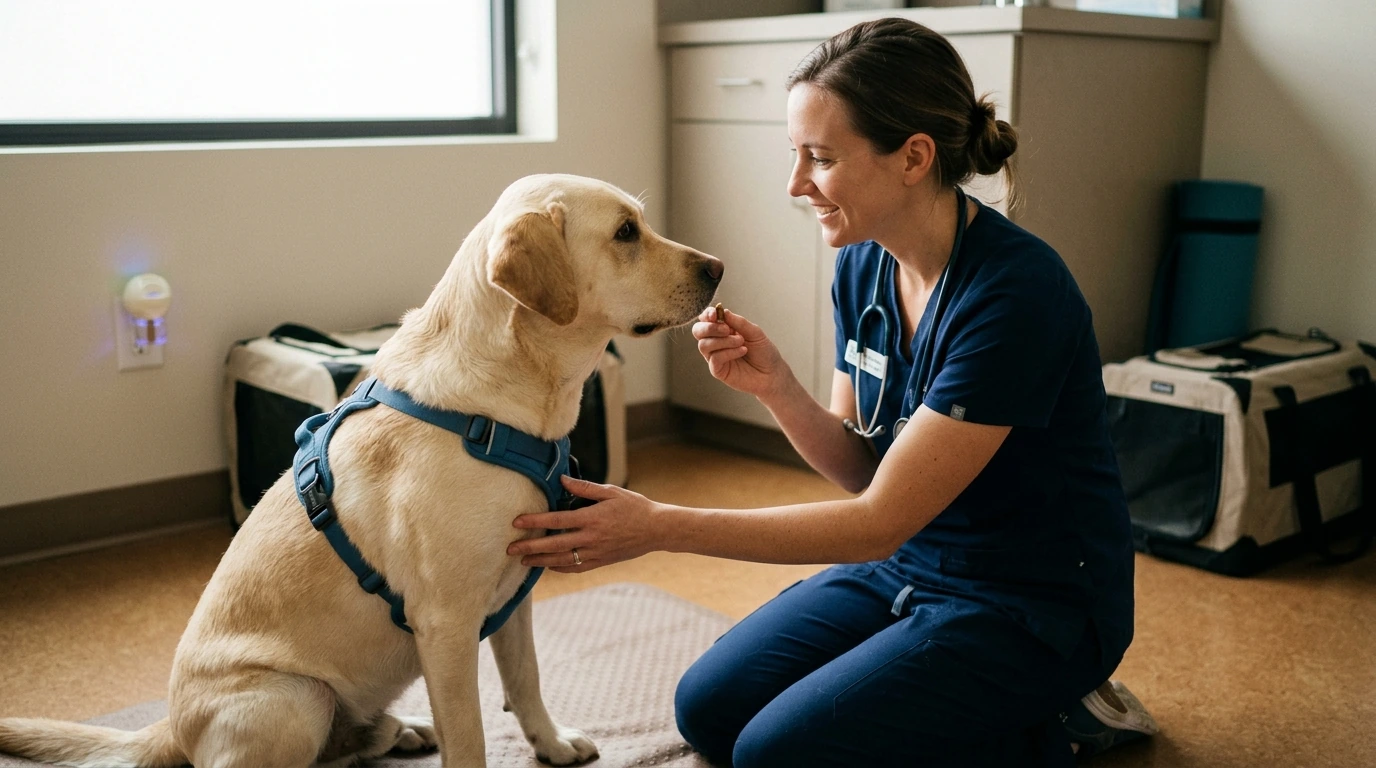
Once a diagnosis is established, specialized veterinary care strategies deploy a combination of therapies. Pharmacological interventions are often a critical component, utilizing medications such as selective serotonin reuptake inhibitors (SSRIs), tricyclic antidepressants (TCAs), or anxiolytics, carefully chosen based on the dog's specific anxiety type and medical profile. These medications, when prescribed by a veterinarian, aim to modulate neurochemical imbalances, making behavioral modification more effective. Alongside medication, structured behavioral modification programs are implemented. These programs often include desensitization and counter-conditioning techniques, positive reinforcement training, and environmental enrichment strategies, all designed to gradually alter the dog's emotional response to anxiety-provoking stimuli.
PRO TIP: Consistent Application is Key
For any specialized veterinary anxiety strategy to succeed, owner consistency in applying behavioral protocols and administering medication is paramount. Erratic application can hinder progress and prolong the treatment timeline. Establish a clear routine and communicate regularly with your veterinary team about challenges and successes.
Sustained Well-being: Long-Term Management & Owner Partnership
Treating high anxiety in dogs is rarely a short-term endeavor; it typically requires ongoing management and a strong partnership between the owner and the veterinary team. Long-term strategies involve regular follow-up appointments to monitor medication efficacy and adjust dosages as needed, as well as to refine behavioral protocols. Owners are often educated on recognizing subtle signs of anxiety, implementing calming techniques, and creating a predictable, enriching home environment. This collaborative approach ensures that the dog continues to thrive, adapting to new challenges and maintaining a reduced stress level over time. Widely reported consensus suggests that owner engagement is the single most influential factor in the sustained success of these complex interventions.
Assessing the Strategic Investment: Value and Suitability
Investing in specialized veterinary care for a high-anxiety dog represents a significant commitment, both in terms of time and financial resources. However, for owners grappling with severe canine anxiety that impacts their dog's health and the household's quality of life, the value proposition is substantial. These strategies offer a pathway to improved welfare for the dog, reduced destructive behaviors, and a more harmonious living situation. They are particularly suitable for dogs whose anxiety is debilitating, unresponsive to basic training, or rooted in complex medical or behavioral etiologies. While initial costs can be higher than conventional training, the long-term benefits of a calmer, happier companion often outweigh the investment.
Optimizing Canine Calm: A Deep Dive into Nutritional and Supplemental Strategies for Reactive Dogs →
Frequently Asked Questions
- How long does it take to see results with these strategies?
The timeline for results varies widely depending on the individual dog, the severity of anxiety, and owner consistency. Many owners report noticeable improvements within 4-8 weeks of starting medication and behavioral protocols, but significant, lasting change can take several months.
- Are the medications safe for long-term use?
When prescribed and monitored by a veterinarian, many anti-anxiety medications are considered safe for long-term use. Regular check-ups and blood work may be recommended to monitor your dog's health and ensure optimal dosage.
- Can these strategies completely cure my dog's anxiety?
While specialized veterinary strategies can dramatically reduce and manage anxiety symptoms, a complete 'cure' is not always achievable, particularly for dogs with strong genetic predispositions. The goal is often to provide tools for effective management, significantly improving the dog's quality of life and coping mechanisms.
Post a Comment for "Advanced Veterinary Protocols for High-Anxiety Dogs: An Expert Review"