
Precision Feline Nutrition: Crafting Optimal Diets for Rare Cat Breeds
Ensuring the optimal health and longevity of rare cat breeds demands a meticulous approach to their dietary intake. These distinctive felines, often bred for specific aesthetic or genetic traits, frequently present unique metabolic profiles and predispositions that standard commercial cat foods may not adequately address. Understanding these intricate nutritional requirements is paramount for their well-being.
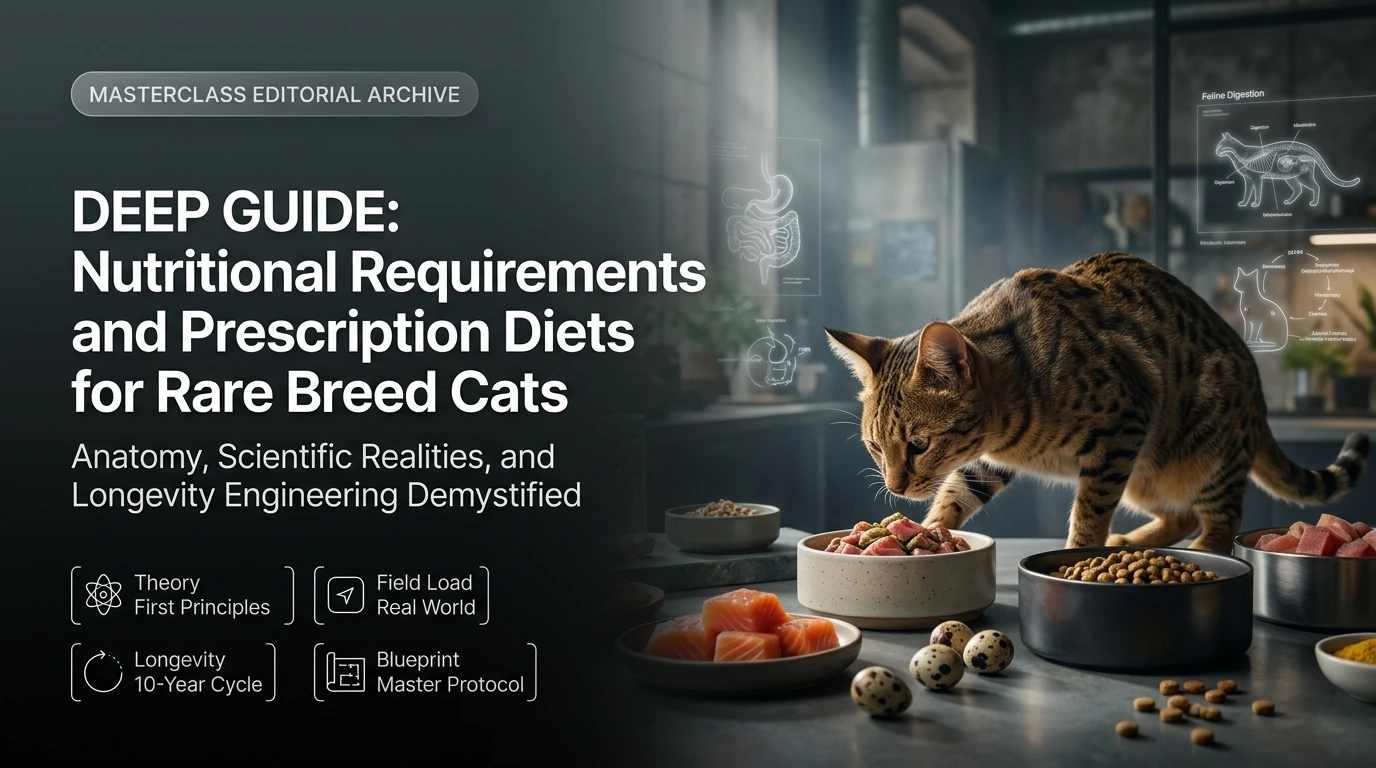
The Distinctive Nutritional Landscape of Rare Felines
While all domestic cats share fundamental carnivorous dietary needs, the genetic specificities of rare breeds introduce critical nuances. Breeds such as the Sphynx, with its lack of fur, possess a higher metabolic rate to maintain body temperature, necessitating a diet denser in calories and fats. Conversely, breeds prone to specific health conditions, like certain heart issues in Maine Coons or renal sensitivities in Abyssinians, require carefully balanced nutrient profiles to mitigate risk.
The core components of a feline diet — protein, fat, carbohydrates, vitamins, and minerals — must be delivered in forms and ratios tailored to these unique physiological demands. High-quality animal protein remains foundational, but the digestibility and amino acid profile can vary significantly between sources. Similarly, the type and quantity of fats (especially essential fatty acids like Omega-3s) are critical for skin, coat, and immune health, particularly relevant for breeds with unique dermal characteristics or sensitivities.
Breed-Specific Dietary Considerations
Each rare breed often carries a specific set of inherited traits or predispositions that directly influence their nutritional requirements. For instance:
- Sphynx Cats: Their higher metabolism demands increased caloric intake, often from higher-fat diets, to compensate for heat loss. Skin health is also a concern, benefiting from essential fatty acids.
- Maine Coons: Known for their large size, they can be prone to hypertrophic cardiomyopathy (HCM) and joint issues. Diets supporting heart health (e.g., taurine, L-carnitine) and joint support (e.g., glucosamine, chondroitin) are often recommended.
- Bengal Cats: Their wild ancestry can sometimes lead to more sensitive digestive systems, requiring highly digestible proteins and specific fiber blends to maintain gastrointestinal health.
- Scottish Folds: Due to their unique ear cartilage, they can be predisposed to osteochondrodysplasia, a skeletal condition. While nutrition cannot cure this, diets with anti-inflammatory properties and joint support may offer palliative benefits.
The Strategic Application of Prescription Diets
When general breed-specific nutritional guidelines are insufficient, or when a rare breed develops a specific health condition, veterinary prescription diets become an indispensable tool. These diets are formulated with precise nutrient adjustments to manage or alleviate symptoms of various illnesses.
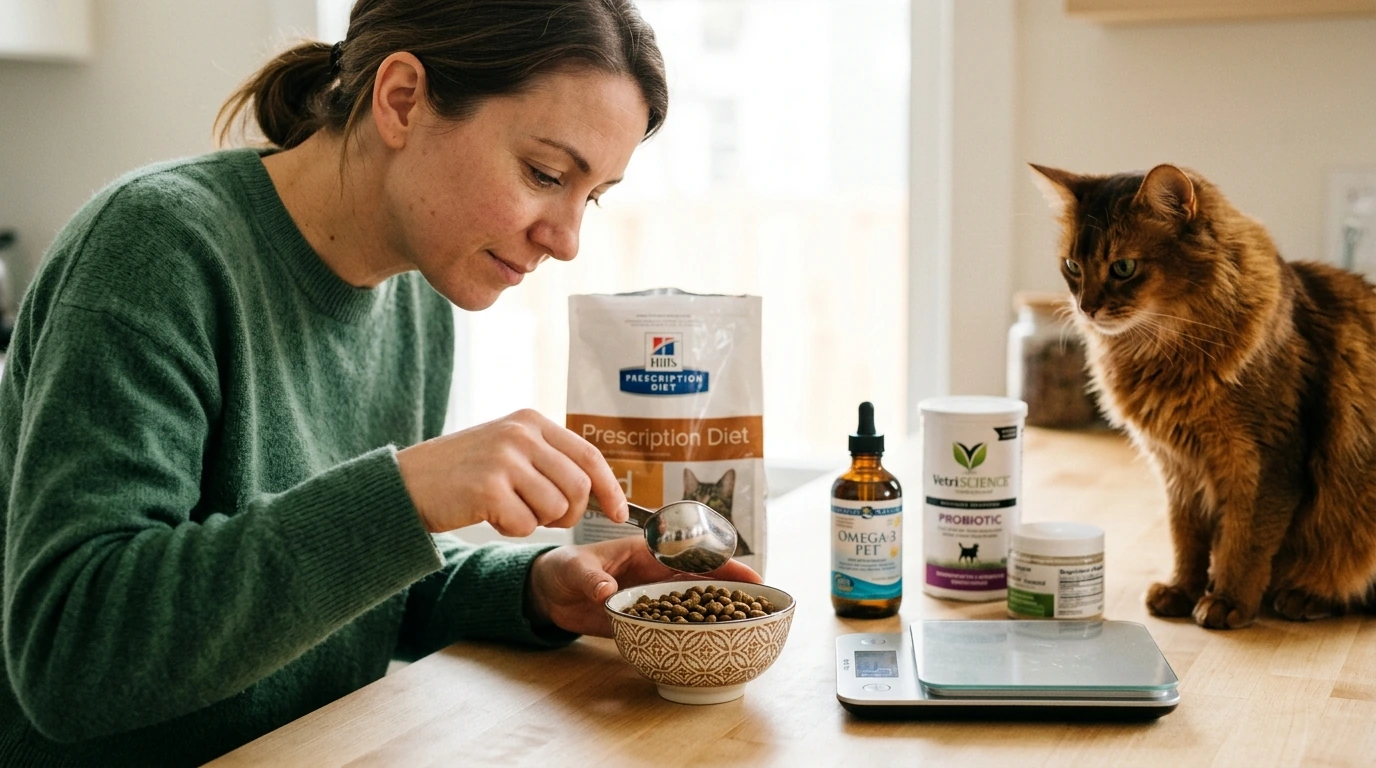
A veterinarian's diagnosis is the gateway to these specialized formulations. Common conditions in cats that necessitate prescription diets include renal disease, urinary tract issues, gastrointestinal sensitivities, allergies, obesity, and diabetes. The effectiveness of these diets stems from their targeted modifications:
- Kidney Support Diets: Often feature restricted phosphorus and protein levels, with added Omega-3 fatty acids, to reduce the workload on compromised kidneys and slow disease progression.
- Urinary Health Diets: Designed to modify urine pH and mineral concentrations, thereby preventing the formation of common urinary crystals and stones.
- Gastrointestinal Diets: Utilize highly digestible ingredients, specific fiber types, and sometimes prebiotics/probiotics to soothe and support a troubled digestive system.
- Allergy/Dermatology Diets: Employ novel protein sources or hydrolyzed proteins to minimize allergic reactions, often enriched with skin-supporting nutrients.
PRO TIP: Consistent Veterinary Consultation is Key
Always consult with a board-certified veterinary nutritionist or your primary veterinarian before implementing any significant dietary changes, especially for rare breeds or when considering prescription diets. Self-diagnosing and adjusting a cat's diet can inadvertently lead to nutritional imbalances or exacerbate existing health issues.
Comparative Nutritional Demands: Rare vs. Common Breeds
To illustrate the differential requirements, consider a simplified comparison of general nutritional targets for a typical domestic short-hair (DSH) versus a breed like the Sphynx, known for its unique metabolic needs. These are illustrative values, and individual needs will vary.
| Nutrient Category | Typical Domestic Short-Hair (DSH) | Sphynx Cat (Illustrative) |
|---|---|---|
| Crude Protein (Dry Matter Basis) | Min. 30-35% | Min. 35-40% (often higher quality sources) |
| Crude Fat (Dry Matter Basis) | Min. 9-15% | Min. 15-20% (for higher caloric density) |
| Metabolizable Energy (kcal/kg) | ~3500-4000 | ~4000-4500+ (due to higher metabolic rate) |
| Essential Fatty Acids (e.g., Omega-3 & 6) | Adequate levels for skin/coat | Often higher levels for skin barrier support |
These figures highlight how even seemingly small percentage differences translate into significant caloric and nutrient adjustments over time, crucial for maintaining breed-specific health parameters.
Navigating Long-Term Dietary Management and Future Outlook
Effective dietary management for rare cat breeds is an ongoing process that adapts as the cat ages and its health status evolves. Regular veterinary check-ups, including blood work and urinalysis, are essential to monitor the efficacy of a diet and make timely adjustments. As research into feline genetics and nutrition progresses, the specificity of tailored diets for rare breeds is only expected to increase.
The trend towards personalized pet nutrition, driven by advancements in genetic testing and microbiome research, suggests a future where dietary recommendations could be even more precisely matched to an individual cat's unique biological blueprint. This proactive approach aims not just to treat illness, but to optimize health and extend quality of life for these cherished and often delicate companion animals.
Navigating Veterinary Costs for Rare Feline Conditions: Insurance and Management Strategies →
Frequently Asked Questions About Rare Breed Cat Diets
- Q: Can I use a regular high-quality cat food for my rare breed?
- A: While a high-quality food is a good starting point, it might not fully meet the specific caloric, protein, or micronutrient needs of certain rare breeds. Consultation with a veterinarian or nutritionist is recommended to determine if a standard diet is appropriate or if a specialized formulation is necessary.
- Q: Are there specific brands that cater to rare cat breeds?
- A: Some premium pet food brands offer "breed-specific" formulations, though the scientific basis for all such claims varies. For truly specialized needs or existing health conditions, veterinary prescription diets from established brands are typically recommended due to their rigorous research and clinical backing.
- Q: What are the risks of feeding an inappropriate diet to a rare breed?
- A: Inappropriate diets can lead to various issues, including nutrient deficiencies or excesses, obesity, poor coat/skin health, exacerbation of genetic predispositions (e.g., heart issues, kidney disease), and digestive upset. These can significantly impact a rare breed's health and lifespan.
Post a Comment for "Precision Feline Nutrition: Crafting Optimal Diets for Rare Cat Breeds"