
Navigating Specialized Care: A 2026 Guide to Health Insurance for Rare Canine Breeds
Securing adequate health coverage for a rare canine companion presents a distinct set of considerations compared to insuring more common breeds. These unique animals often come with specific genetic predispositions, specialized care requirements, and sometimes, a higher perceived risk profile for insurers. Understanding the nuances of a comprehensive care and health insurance guide tailored for these exceptional dogs is paramount for responsible ownership in 2026.
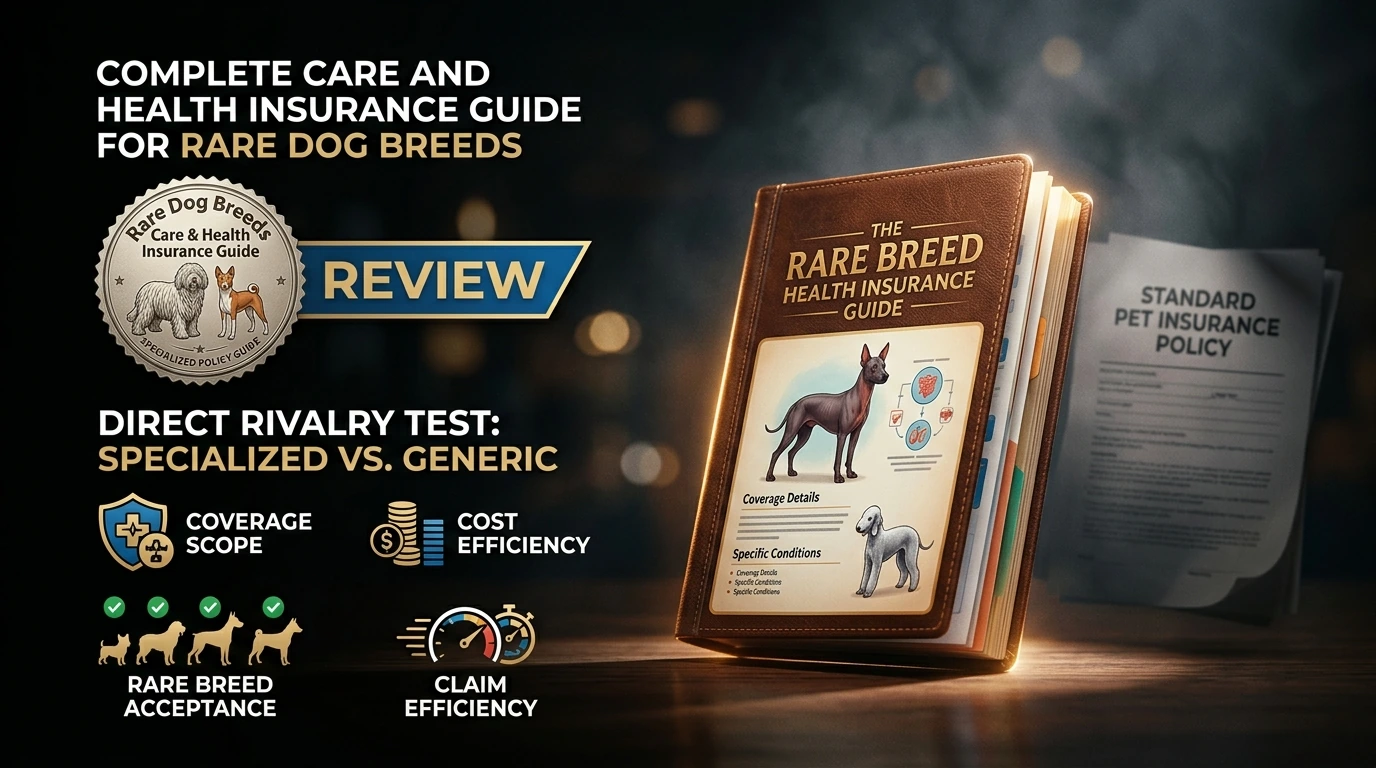
The Specialized Canine Health Blueprint
For owners of rare dog breeds, a specialized health and care guide serves as an invaluable resource. It synthesizes critical information on breed-specific health concerns, preventative measures, and the intricacies of obtaining appropriate veterinary care and insurance coverage. The core strength of such a guide lies in its ability to translate complex veterinary and insurance jargon into actionable advice, addressing the unique challenges associated with breeds not typically covered by standard policies. Industry consensus suggests that proactive research and tailored insurance planning can significantly mitigate the financial impact of potential health issues inherent to these unique genetic lines.
Understanding Breed-Specific Health Profiles
The technical foundation of comprehensive care for rare breeds begins with an in-depth understanding of their genetic heritage and physiological particularities. Manufacturer specifications, in this context, refer to the breed standards and genetic health data compiled by official kennel clubs and breed associations. These specifications often detail:
- Genetic Predispositions: Certain rare breeds may carry specific genetic markers for conditions like patellar luxation (e.g., some smaller terriers), unique cardiac issues (e.g., some sighthounds), or dermatological sensitivities.
- Anatomical Peculiarities: Breeds with unusual physical traits, such as the Norwegian Lundehund's extra toes or the Xoloitzcuintli's lack of coat, require specialized considerations for injury prevention and skin care.
- Temperament and Lifestyle Needs: High-energy breeds or those with specific social requirements may incur different types of care, including specialized training or environmental enrichment to prevent stress-related ailments.
A robust care strategy, therefore, is 'built' upon these foundational insights, ensuring that preventative care and potential treatment plans are perfectly aligned with the dog's inherent needs and vulnerabilities.

Navigating Coverage and Claim Processes
In practical application, securing and utilizing health insurance for a rare breed often involves a more intricate process than with mainstream breeds. Owners commonly report that insurers may categorize rare breeds as 'specialty' or 'exotic,' potentially influencing premium costs or policy exclusions. A well-structured guide helps owners:
- Identify Suitable Policies: It typically outlines providers known for their flexibility with less common breeds or those offering customizable plans.
- Understand Exclusion Clauses: Many policies exclude pre-existing conditions or breed-specific genetic issues if not disclosed or if symptoms appeared before coverage began. A good guide emphasizes thorough health checks and early enrollment.
- Optimize Claim Submissions: Detailed documentation, including veterinary records and genetic test results, is frequently cited as crucial for smooth claim processing, especially for conditions linked to a breed's rarity.
The consensus among veterinary professionals is that a clear understanding of policy terms before a medical event significantly reduces stress and financial strain.
PRO TIP: Early Enrollment is Key
For rare breeds, enrolling in pet insurance as early as possible—ideally as a puppy—can circumvent issues with pre-existing condition clauses. Many genetic conditions, though breed-specific, may only manifest symptoms later in life, and early coverage can ensure these are not excluded.
Benefits and Hurdles of Niche Pet Insurance
A balanced assessment of specialized care and insurance for rare dog breeds reveals both significant advantages and notable challenges.
Pros:
- Tailored Coverage: Policies designed for rare breeds often provide more comprehensive coverage for their known genetic predispositions or unique health needs.
- Financial Security: Mitigates the high costs associated with specialized veterinary treatments, diagnostics, and potential long-term care for uncommon conditions.
- Peace of Mind: Knowing that a safety net exists for unexpected health events allows owners to focus on providing the best possible quality of life for their unique companion.
Cons:
- Higher Premiums: Due to perceived higher risk or specialized coverage, premiums for rare breeds can be notably higher than for common breeds, as widely reported.
- Limited Provider Options: Not all pet insurance companies offer extensive coverage for every rare breed, requiring more diligent research.
- Complex Policy Language: Understanding the specific exclusions and inclusions for rare breed conditions can be challenging, necessitating careful review of policy documents.
Strategic Investment for Unique Companions
For owners of rare dog breeds, investing in a comprehensive care strategy, underpinned by appropriate health insurance, represents a strategic decision rather than a mere expense. The definitive purchasing verdict for such coverage leans heavily on the breed's specific health profile, the owner's financial capacity, and their risk tolerance for unexpected veterinary costs. Considering that specialized treatments for rare conditions can run into thousands of dollars, the value proposition of tailored insurance is clear.
Who should buy such a guide or seek out specialized insurance? Essentially, any individual or family committed to the long-term well-being of a rare dog breed. This includes:
- First-time owners of rare breeds: To gain an immediate, authoritative understanding of their dog's specific needs.
- Experienced rare breed owners: To stay updated on evolving veterinary practices and insurance offerings.
- Anyone concerned about potential high veterinary costs: To secure financial protection against unforeseen illnesses or accidents.
Comparing common and specialized insurance options highlights the necessity of a nuanced approach:
| Feature | Standard Pet Insurance (Typical) | Specialized Rare Breed Insurance (Conceptual) |
|---|---|---|
| Breed Acceptance | Broad, covers common breeds readily. | Specific, designed for less common breeds, potentially requiring more documentation. |
| Coverage for Genetic Conditions | Often limited or subject to specific waiting periods/exclusions for breed predispositions. | More likely to cover known breed-specific genetic conditions, especially if enrolled early. |
| Premium Cost | Generally lower, reflecting broader risk pools. | Potentially higher, reflecting specialized risk and coverage. |
| Customization Options | Standard deductible and reimbursement options. | May offer more flexible add-ons for unique care needs (e.g., specific therapies). |
Ultimately, a comprehensive guide to care and health insurance for rare dog breeds empowers owners to make informed decisions, ensuring their cherished companions receive the specialized attention and protection they deserve.
Post a Comment for "Navigating Specialized Care: A 2026 Guide to Health Insurance for Rare Canine Breeds"