
Implementing Behavior Modification for Canine Aggression: A Specialist-Led Approach
Is a beloved canine companion exhibiting concerning aggressive behaviors? Addressing canine aggression requires a structured, informed approach, often necessitating the expertise of certified behavioral specialists. This guide outlines the methodical steps involved in managing and modifying aggressive tendencies, focusing on safety, consistency, and professional guidance.
Identifying the Challenge and Essential Preparations
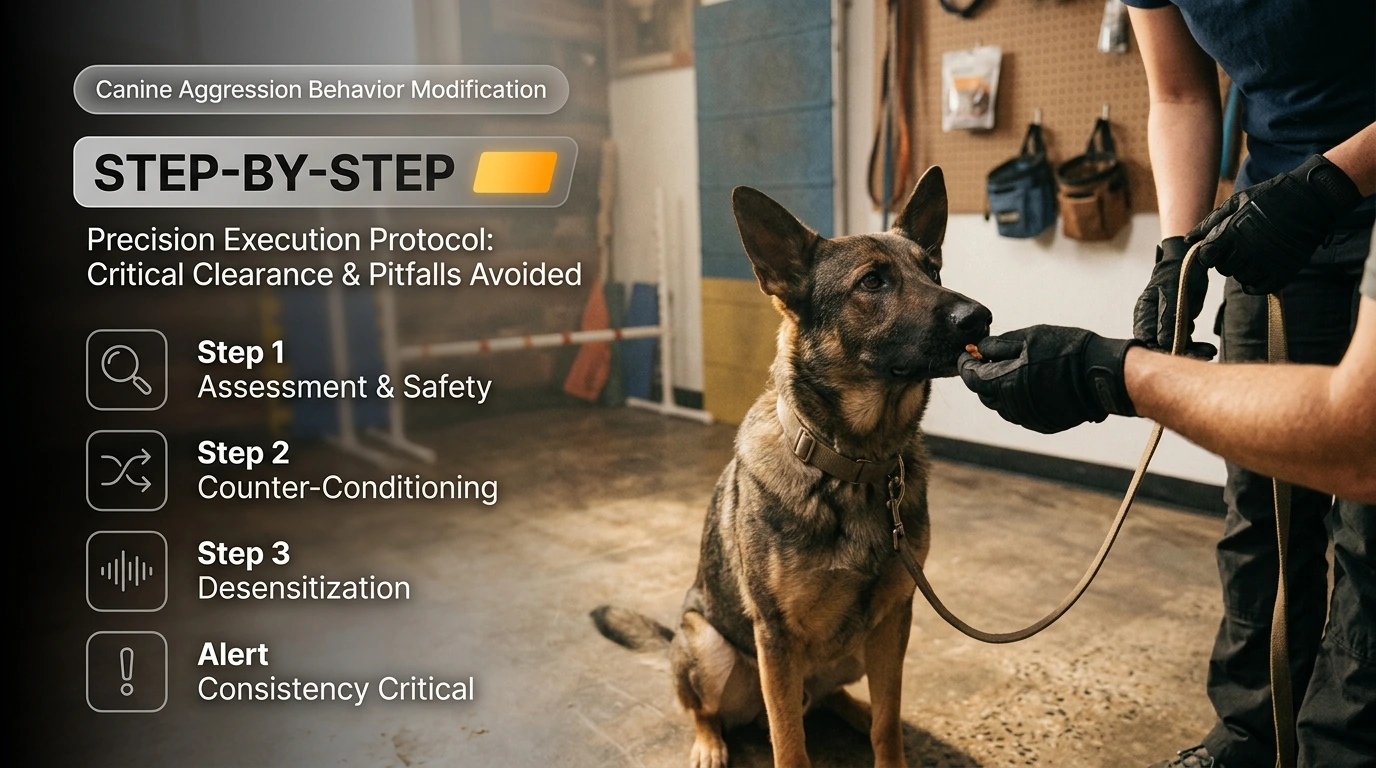
Before any intervention, a clear understanding of the aggressive behavior is paramount. Canine aggression manifests in various forms, including territorial, fear-based, possessive, or inter-dog aggression. Identifying specific triggers and contexts is the first critical step.
Initial Assessment and Safety Protocols
A thorough veterinary check-up is a non-negotiable prerequisite. Pain or underlying medical conditions can often be the root cause of sudden behavioral changes, including aggression. Once health issues are ruled out, preparing for safe management is next.
Required Equipment and Environmental Adjustments:
- Secure Leash and Harness: A well-fitting, escape-proof harness with a sturdy leash provides maximum control without causing discomfort or pain, which could exacerbate aggression.
- Basket Muzzle: For safety during initial assessments and training, a properly fitted basket muzzle allows the dog to pant, drink, and receive treats while preventing bites.
- High-Value Treats: Small, soft, and highly palatable treats are essential for positive reinforcement and counter-conditioning.
- Safe, Controlled Space: An environment free from known triggers, where the dog can learn without feeling overwhelmed or threatened.
- Management Tools: Baby gates, crates, and secure confinement areas to prevent accidental encounters and manage the dog's environment.
Collaborating with a Certified Canine Behaviorist
While general obedience training is beneficial, addressing aggression demands specialized knowledge. Certified Applied Animal Behaviorists (CAABs) or Certified Professional Dog Trainers (CPDT-KA/KPA-CTP with extensive aggression experience) possess the expertise to diagnose the root cause and develop a tailored modification plan.
The Role of Professional Guidance
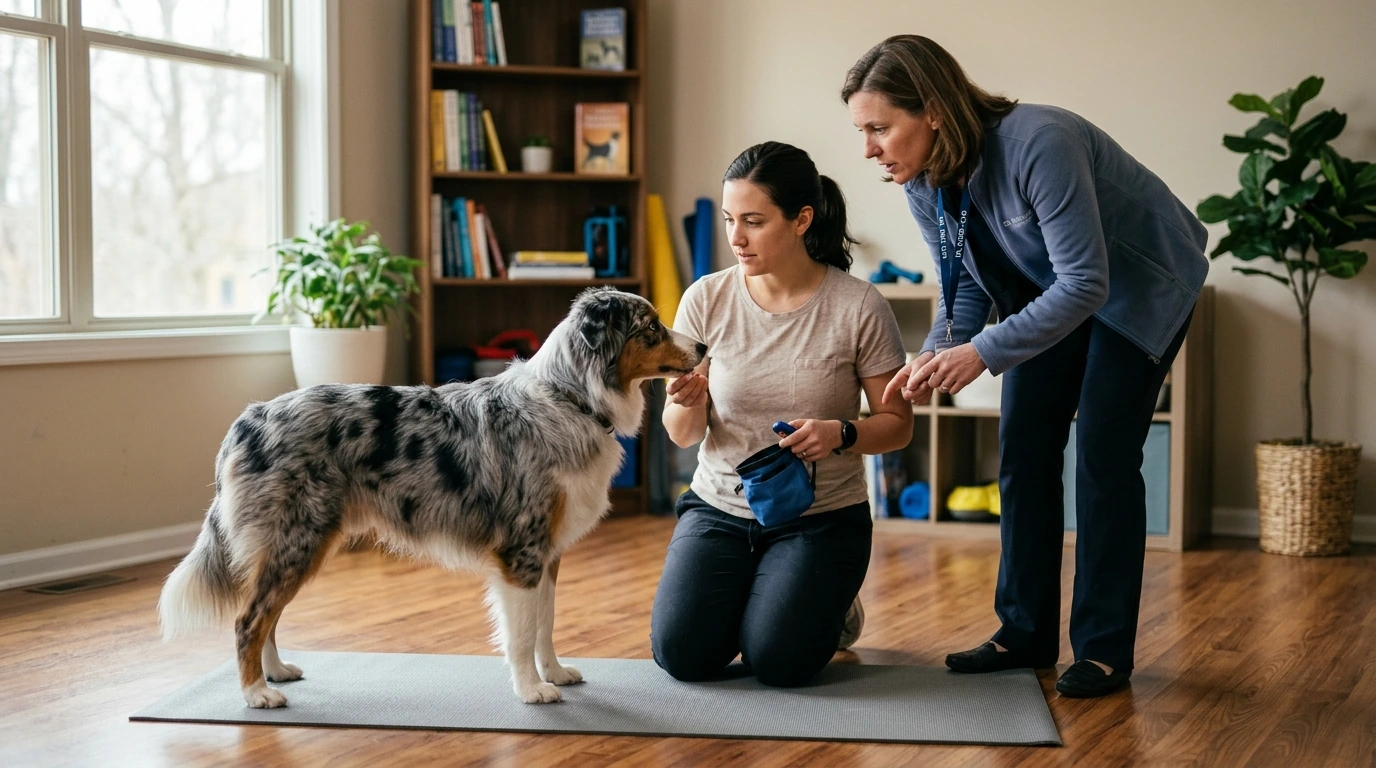
A specialist will conduct a comprehensive behavioral history, observing the dog's interactions and reactions. They interpret canine body language and stress signals, which are often subtle, to understand the dog's emotional state. Their role extends beyond training; they educate owners on canine communication, learning theory, and consistent management strategies.
Implementing Structured Behavior Modification
Behavior modification for aggression typically involves a combination of management, desensitization, and counter-conditioning. The goal is to change the dog's emotional response to triggers from negative (fear, anxiety, frustration) to positive or neutral.
Step-by-Step Training Protocols:
- Management and Prevention: This is the immediate and ongoing step. Prevent the dog from being in situations where aggression can occur. This means avoiding triggers entirely initially, using gates, leashes, and muzzles as necessary. Every aggressive incident reinforces the behavior, so prevention is key.
- Desensitization: Gradually expose the dog to the trigger at a distance or intensity where they show no aggressive reaction, only curiosity or neutrality. The specialist will help determine the threshold. This might start with seeing the trigger from afar, or hearing a muted sound of it.
- Counter-Conditioning: Simultaneously, pair the presence of the trigger (at a sub-threshold level) with something highly positive, like high-value treats or praise. The goal is for the dog to associate the trigger with good things, changing their emotional response. For example, every time the trigger appears at a safe distance, a treat is immediately given.
- Classical and Operant Conditioning: Specialists employ both. Classical conditioning changes emotional responses (desensitization/counter-conditioning), while operant conditioning teaches specific alternative behaviors (e.g., 'look at me' instead of fixating on a trigger, 'settle' in the presence of a mild stressor).
- Consistent Practice: Short, frequent training sessions are more effective than long, infrequent ones. Adherence to the specialist's plan, without deviation, is crucial for progress.
Navigating Common Obstacles and Critical Errors
The journey to modifying aggressive behavior can be challenging, and certain missteps can hinder progress or even worsen the situation.
Pitfalls to Avoid During Execution:
- Inconsistency: Sporadic application of the training protocol sends mixed signals to the dog and undermines learning. Every family member must follow the plan rigidly.
- Punishment-Based Training: Using physical corrections, harsh verbal reprimands, or aversive tools (e.g., shock collars) can increase fear and anxiety, often escalating aggressive displays or causing the dog to suppress warnings, making future bites unpredictable.
- Rushing Progress: Attempting to move too quickly through desensitization steps, exposing the dog to triggers beyond their current threshold, will lead to setbacks. Patience is vital.
- Ignoring Subtle Body Language: Missing early signs of stress (lip licking, yawning, head turns, stiff body) can lead to an over-threshold reaction. A specialist teaches owners to recognize these cues.
- Lack of Environmental Management: Failing to prevent aggressive encounters outside of structured training sessions can undo weeks of progress. Management is a continuous commitment.
Sustaining Progress and Reinforcing Positive Behaviors
Behavior modification for aggression is typically a long-term commitment. The goal is not always to 'cure' aggression entirely, but to manage it safely and effectively, reducing the frequency and intensity of incidents.
Post-Implementation Verification Checklist:
- Consistent Monitoring: Continuously observe the dog's reactions to triggers, noting any regression or new challenges.
- Regular Practice: Continue practicing desensitization and counter-conditioning exercises, even after significant improvement, to maintain the learned positive associations.
- Reinforce Calmness: Actively reward calm and appropriate behaviors in various settings, not just during formal training sessions.
- Ongoing Professional Support: Maintain periodic check-ins with the certified behavioral specialist for guidance, adjustments to the plan, and support.
- Environmental Vigilance: Remain diligent with environmental management to prevent accidental exposure to high-level triggers.
Successful behavior modification requires dedication, understanding, and, most importantly, the expert guidance of a certified professional. With a structured approach and consistent effort, many aggressive dogs can learn to navigate their world more calmly and safely.
Post a Comment for "Implementing Behavior Modification for Canine Aggression: A Specialist-Led Approach"